The All-New MacBook Pro Has A Tiny Touchscreen

Apple

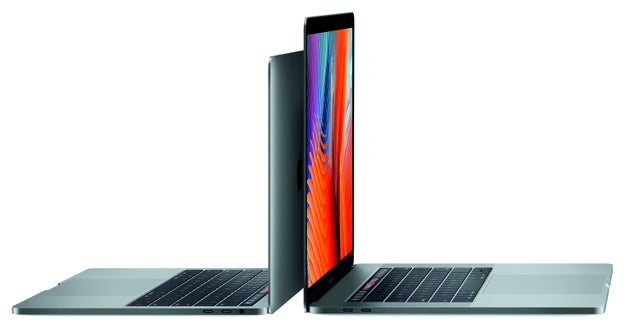
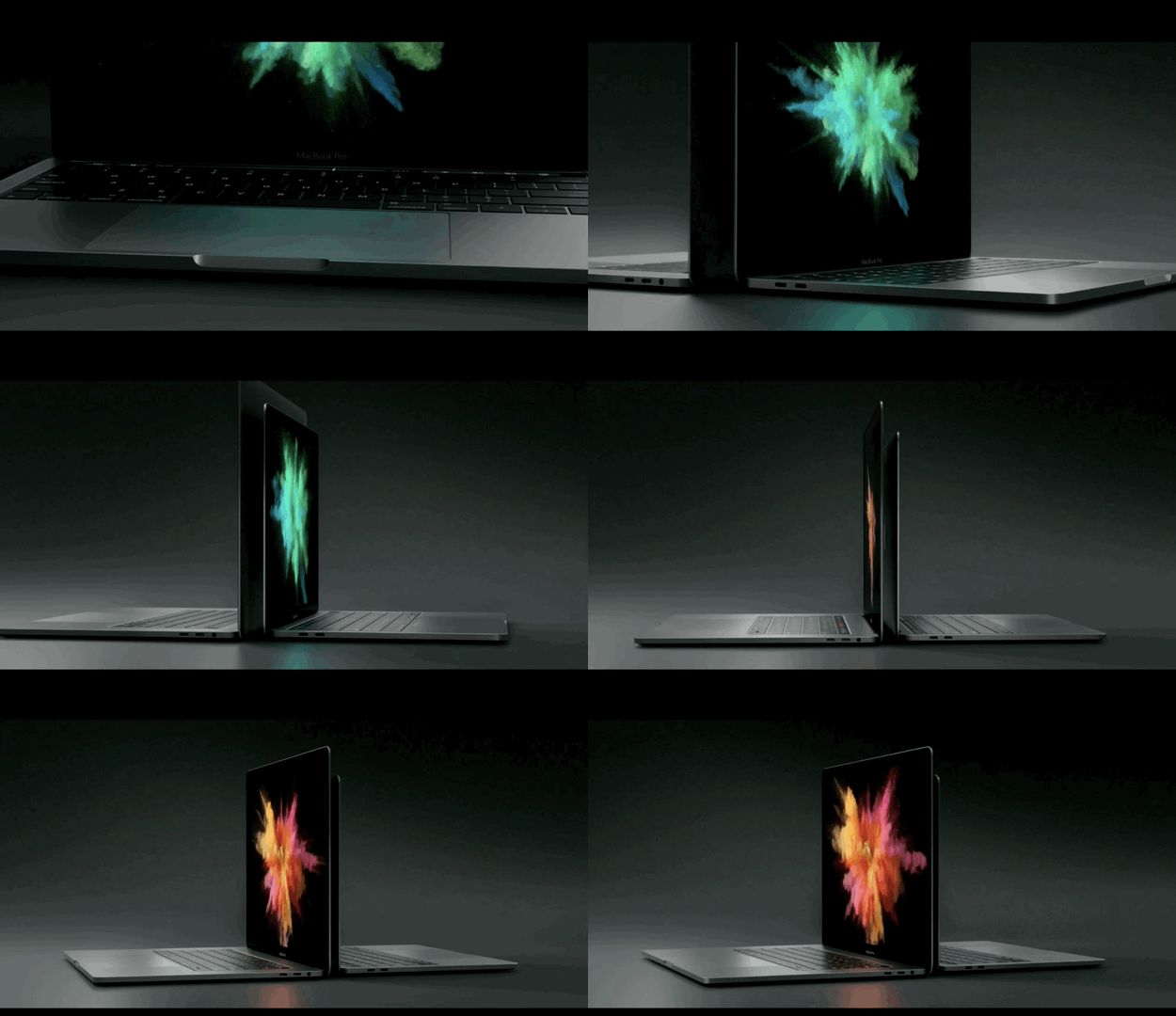
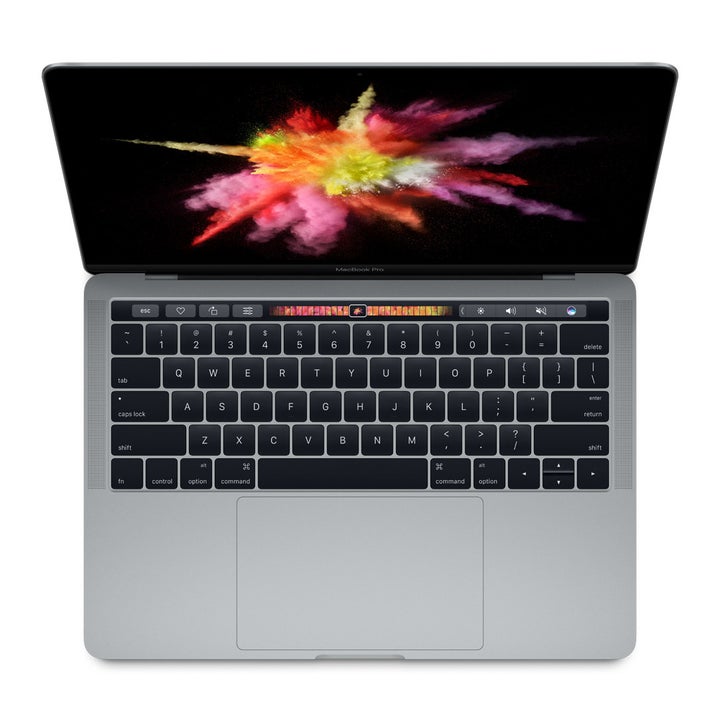
At today’s press event, Apple announced its all-new, long-awaited MacBook Pro in all-metal 13-inch and 15-inch versions, the first major redesign for the company’s high-performance laptop line since 2012. The all-metal laptop is ditching MagSafe for USB-C and physical function keys for a secondary touch Retina display.

The biggest update is a new touch panel called the “Touch Bar.”

The biggest update is a new touch panel called the “Touch Bar.”

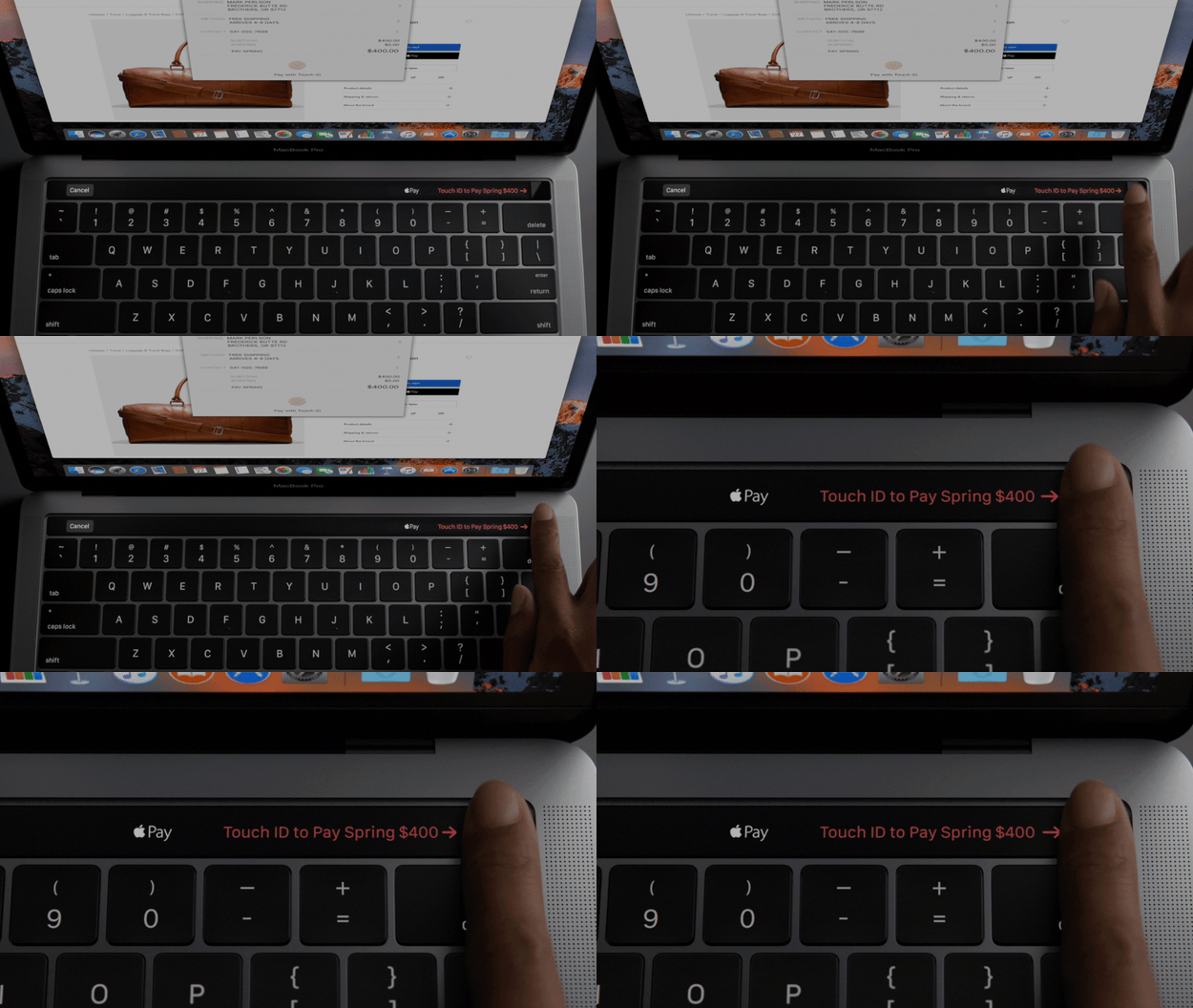
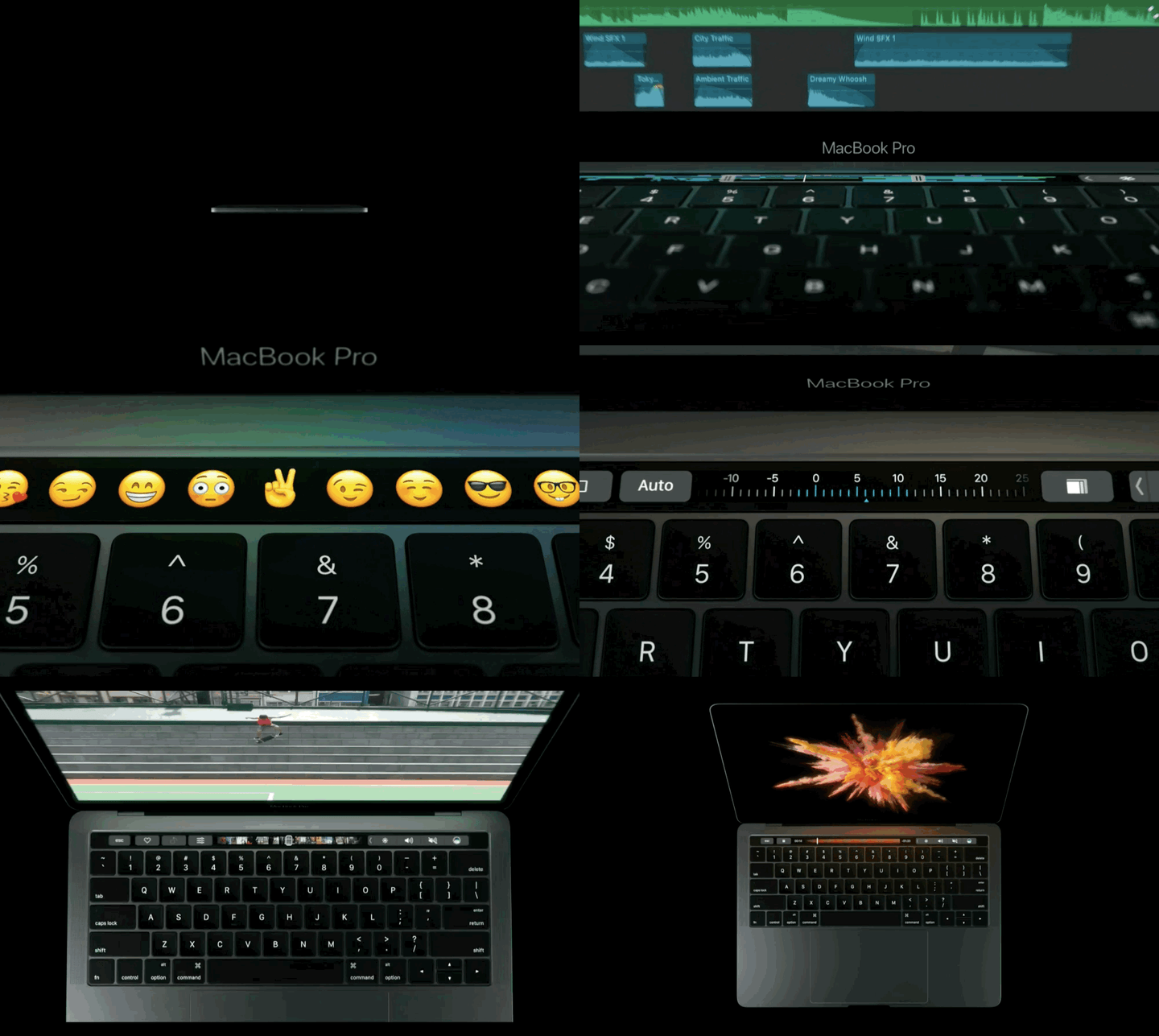
It’s a skinny, Retina screen that changes based on which app is open. It’s a multi-touch display that responds to gestures and taps. The panel can show contextual controls: music playback controls when iTunes is open, bookmarks in Safari, autocorrect and QuickType suggestions when typing, or Apple Pay when you’re shopping online.

There’s a Touch ID fingerprint sensor built into the Touch Bar, where the power button would typically be. You can use Touch ID to log into your computer and authenticate Apple Pay.

Apple

Here’s how are some examples of how the new bar works.

In the Messages app for Mac, it’ll show an ~*emoji bar*~. It shows your frequently used emoji first. There’s a neat tab preview feature in Safari. Just tap on the tab you want to go to. In Photos, you can scroll through the photo library, similar to the Camera Roll on the iPhone. Touch Bar has dedicated image editing shortcuts like rotate. For any edits that use sliders (like brightness and exposure), you can use your finger to adjust the slider back and forth.

FaceTime calls can be answered right from the Touch Bar. There’s support for Terminal, Xcode, iMovie, GarageBand, and the entire iWork suite.

You can customize the Touch Bar with “Do Not Disturb” or shortcuts for brightness. Touch ID can recognize fingerprints for multiple users. If someone else scans their fingerprint, the OS will open in their account.

There are contextual commands in Photoshop, Pixelmator, Microsoft Office, and Final Cut Pro as well.

The laptop’s keyboard is shedding its top row to accommodate the secondary display strip. That means no more F keys, ESC, or a dedicated power button. But you can press and hold a function key to bring digital function keys back up.

It’s also thinner and lighter.

It's also thinner and lighter.

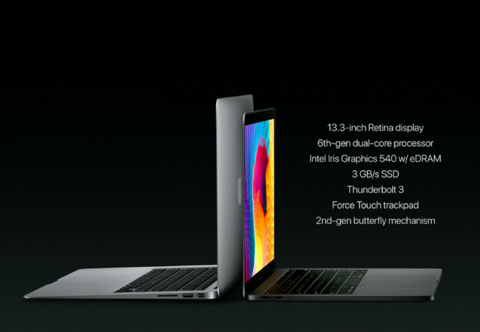
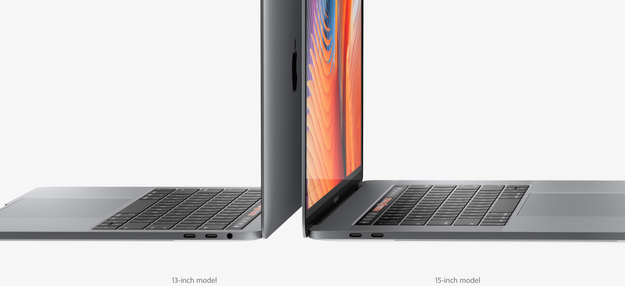
The new MacBook Pro is also slimmer, thanks to flatter, more shallow, MacBook-style keys. The 13-inch model is 14.4mm thick, making it 17% thinner than the previous version, which was 18mm — and 12% thinner than the current MacBook Air. The The 15-inch model is 15.5mm thick vs. 18mm in the previous generation.

They’re lighter, too. The 13-inch is three pounds, while the 15-inch is four pounds. Both are a half pound lighter than last year’s model.

Apple

Because the bezels around the keyboard and screen are slightly thinner, the MacBook Pro has a smaller footprint with the same 15-inch display.

The new MacBook Pro has four USB-C ports, compatible for charging, Thunderbolt 3, DisplayPort, HDMI, and VGA. Apple did *not* remove the headphone jack in their newest laptop.

The MacBook Pro’s internals have been upgraded, too.

Apple

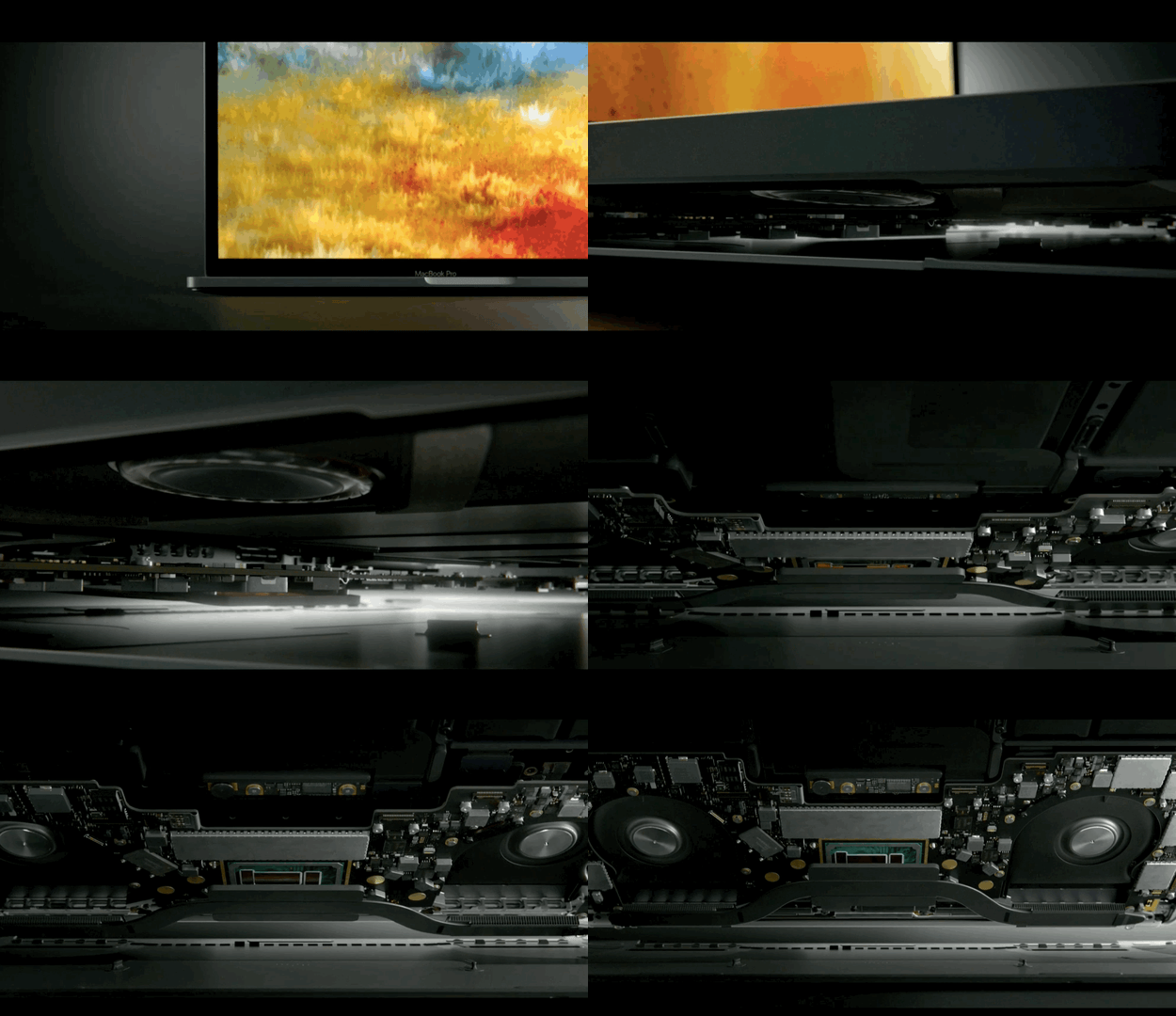
Under the hood, there’s a new higher-performance processor and graphics chip.

The 15-inch MacBook Pro is powered by a quad-core Intel Core i7 processor and 2,133 MHz memory. There’s an AMD Radeon Pro graphics chip with Polaris architecture, 4GB VRAM, and hold up to 2TB of storage. The solid state drive offers speeds up to 3.1 GB per second.

The 13-inch version has a similar set up. It can be configured with a dual core Intel Core i5 or i7 processors, integrated Iris graphics with 64MB eDRAM, and up to 2,133 MHz of memory. The solid state drive also offers 3.1GB per second speeds.

The Retina screen’s brighter by 67%, has a 67% higher contrast ratio, and 25% more colors than the previous version. Both models have 10 hours of battery life.

The Force Touch trackpad is twice as large as last year&;s model.

It’s the first computer to ship with the Mac operating system Sierra, which includes Siri for desktop, a storage management tool, iCloud desktop, a new photos app, and Messages for Mac updated with screen and bubble effects.

There’s a new speaker design as well, that has twice the dynamic range of audio than the previous model.

There&039;s now a ~new color~.

Apple

The 2016 MacBook Pro ships in two to three weeks and starts at $1799 for the 13-inch and $2,099 for the 15-inch. It’s available in silver and space gray.

Another model will also be available for $1,499: a cheaper 13-inch version without the Touch Bar. This MacBook Pro will also be available with traditional function keys and two USB-C ports, to sway MacBook Air users to upgrade.

The MacBook Pro line has been in obvious need of refreshing.


The last major update was the announcement of the first Retina display model in 2012. Since then, Apple has beefed up the line’s processors and graphics chips and, last year, increased the battery life and added a “Force Touch” trackpad to both 13-inch and 15-inch versions.

In an earnings call earlier this week, Apple said it sold 4.9 million personal computers this quarter, marking four consecutive declining quarters and a 14% year-over-year decrease in Mac sales.

The new MacBook Pro could energize Apple’s falling computer sales.

Quelle: <a href="The All-New MacBook Pro Has A Tiny Touchscreen“>BuzzFeed

Twitter Is Killing Vine

Twitter Is Killing Vine

Twitter is preparing to shut down Vine, the company announced today.

The dissolution marks the ignoble end of a long, painful decline for Vine, which emerged as one of the most creative spaces on the internet following its debut in 2013. Vine&;s six second looping format was embraced by a talented group of creators who regularly posted fun, original work on the app.

These creators developed a unique form of humor on the app, and compilations of their work on YouTube raked in millions and millions of views:

youtube.com

“Since 2013, millions of people have turned to Vine to laugh at loops and see creativity unfold,” the company said in a Medium post. “Today, we are sharing the news that in the coming months we’ll be discontinuing the mobile app.”

Twitter today also announced layoffs of around 350 people. It&039;s unclear if Vine&039;s entire 50 or so person operation is included within that number. BuzzFeed News reached out to Twitter for comment.

Twitter, according to reports, considered selling the app. But apparently no buyer materialized.

DEVELOPING

Quelle: <a href="Twitter Is Killing Vine“>BuzzFeed

23andMe Has Abandoned The Genetic Testing Tech Its Competition Is Banking On

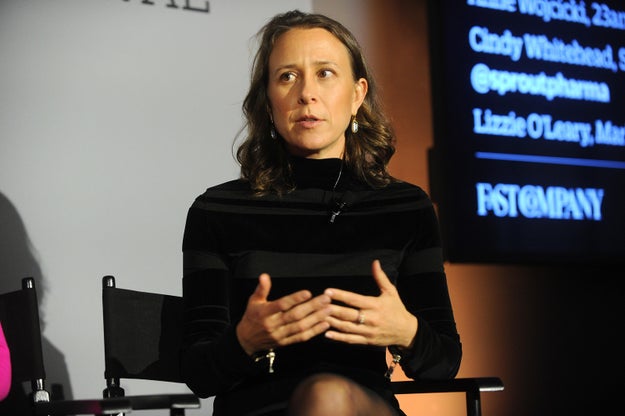
23andMe CEO Anne Wojcicki.

Brad Barket / Getty Images for Fast Company

For years, genetic-testing startup 23andMe was working to develop a cutting-edge technology that could dramatically expand what its customers might learn about their DNA. While the company’s core product, a $199 “spit kit,” can tell you about your health and ancestry based on small bits of your genetic code, tests based on the new technology — called next-generation sequencing — could provide much more comprehensive information, including your potential risks for many diseases.

But 23andMe has given up on the technology for now, BuzzFeed News has learned.

Other companies are starting to sell next-generation sequencing-based tests to the public, and the FDA considers it to be the next chapter in genetic testing. But in August, 23andMe let go of its team of roughly a half-dozen scientists who were working on next-generation sequencing in a lab in Salt Lake City, Utah. Chief medical officer Jill Hagenkord, who was overseeing that work, was also let go this month. She’s not the only executive to recently depart 23andMe: Brad Kittredge, vice president of product, left in August, though for reasons unrelated to the project.

CEO and cofounder Anne Wojcicki confirmed the changes to BuzzFeed News, and said they allow staff to focus on the current testing 23andMe offers. She emphasized that the company didn&;t make the cuts because its finances are suffering, customer demand is slowing, or the FDA was objecting to the plan to adopt the technology.

“Without a doubt, we have our hands full,” Wojcicki told BuzzFeed News. “This is a whole new area. One of the things people are still figuring out with next-generation sequencing is ‘Exactly what does all that information mean?’” She added, “We spent a lot of time pursuing sequencing, and I think as we started to understand it better and better and understand the complexities, we decided to focus on our core business.”

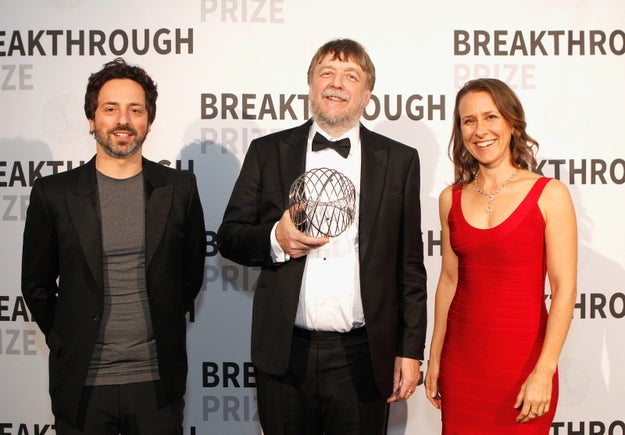
Wojcicki with Google co-founder and ex-husband Sergey Brin and neuroscience professor John Hardy at the 2016 Breakthrough Prize Ceremony.

Kimberly White / Getty Images for Breakthrough Prize

In 2013, the FDA cracked down on 23andMe for telling customers about their health without going through a medical professional. After gaining the agency&039;s approval, the company resumed selling reports last year — but this time the tests only provide health information on a handful of rare conditions. Wojcicki noted that 23andMe is alone in having FDA approval to provide this type of information to customers without a doctor or genetic counselor involved at any step. Other companies have medical professionals review reports before customers receive them.

“We have a long way to continue going to bring back a lot of content we know our consumers want,” she said. “Companies often fail for taking on too many initiatives. We are focused on doing what we are unique at extraordinarily well.”

Wojcicki said she was ultimately unsure if next-generation sequencing, which would be more complicated and expensive than its current tests, would bring in lots of customers. “Most people don’t even know these types of tests exist,” she said. “I think the market is just in its infancy.”

But at the same time, a slew of new DNA-testing startups, including Helix, Veritas Genetics, and Color Genomics, are taking an opposite approach. They&039;re banking on next-generation sequencing — and raising millions of dollars from investors to provide those tests. (Helix will start selling tests next month, and Veritas’ and Color’s tests are already available.)

Next-generation sequencing can generate huge volumes of genetic information at unprecedented speed. As its costs fall, scientists and doctors see it as a tool with significant potential to reveal hidden medical risks in the genome.

Courtesy / 23andMe

23andMe, which last year raised $115 million and reportedly has a $1.1 billion valuation, has more than 1 million people in its database. In addition to selling $199 tests (and $99 tests for ancestry information alone), 23andMe charges researchers and pharmaceutical companies for access to customers’ genetic data. It is also developing its own therapies based on its genetic database.

The company began to explore sequencing with a successful pilot project back in 2012. In a blog post at the time, 23andMe explained the technology’s appeal: “Moving from genotyping to sequencing is on par with replacing a picture of your DNA with one pixel-per-square-inch resolution with a picture with 3,000 pixels-per-square-inch resolution.” It went on to predict that someday, “full-genome sequencing will be an affordable possibility for everyone.”

From there, 23andMe staffed up with next-generation sequencing pros. Hagenkord joined in 2014, with the company noting that she was “uniquely qualified” to bring “molecular testing technologies from the research laboratory into clinical applications.” Members of the now-shuttered Salt Lake City team, according to LinkedIn profiles, included Sarah South, vice president of clinical laboratory operations; Kevin Jacobs, director of laboratory research and development; Robert Burton, a genetic variant classification scientist; and Julie Eggington, director of variant classification science. (A 23andMe spokesperson declined to comment on these specific personnel changes.)

All the former employees identified in this story declined to comment or did not return requests for comment.

Quelle: <a href="23andMe Has Abandoned The Genetic Testing Tech Its Competition Is Banking On“>BuzzFeed

Everything You Need To Know From Apple's Fall Mac Event

At what is likely to be its final media event of the year, Apple is expected to unveil a handful of updates to its Mac line, among them a redesigned MacBook Pro with an OLED touch bar and a faster iMac. Join BuzzFeed News at 10AM PT for live coverage.

“We&;re going to double down on secrecy on products.”

Apple CEO Tim Cook said that back in 2012. Now, four years later, it might be a good time to remind the company&039;s rank and file of that mandate. In just a few moments Apple will unveil its next generation MacBook Pro, but thanks to an embarrassing pre-event gaffe, you&039;ve probably already seen its marquee feature: an OLED touch panel with support for Touch ID, Apple&039;s biometric fingerprint recognition tech. On Monday, a MacRumors tipster discovered an image of the unreleased MacBook Pro buried deep in macOS Sierra 10.12.1 release. And it shows not only an OLED touch panel replacing the standard top row function keys on Apple&039;s laptops, but a human finger using a Touch ID sensor to authenticate Apple Pay.

When Apple unveiled its new AirPod wireless headphones at its September event, the company pledged to ship them by October&039;s end. And that was still the plan as of about 2 weeks ago. But on Monday afternoon, Apple said it needs “a little more time before AirPods are ready for our customers” and wouldn&039;t be shipping them this month. Sources close to Apple say the company had planned to announce retail availability of the bluetooth buds at today&039;s event, but reversed course “very recently.”


View Entire List ›

Quelle: <a href="Everything You Need To Know From Apple&039;s Fall Mac Event“>BuzzFeed

Despite Business Struggles And A Messy Quarter Twitter Is At Its Most Vital

Twitter CEO Jack Dorsey

Drew Angerer / Getty Images

Twitter is living a fascinating contrast. Its business, following a botched sale, is in a state of terrible mess. Its product, now at the heart of a number of major world events, is more influential than ever. The company’s business troubles are driving yet another cycle of deep pessimism, but in the big picture, they matter little to its centrality on the world stage.

Consider Twitter’s last three months: Twitter CEO Jack Dorsey first lost a power struggle with his board and co-founder Ev Williams, according to Bloomberg, and was forced to explore a sale. Google, Microsoft, Disney and Salesforce and others were reportedly interested in buying it. Yet each one of these potential suitors then either walked away from Twitter — in some cases due partially to concerns about Twitter&039;s inability to curb trolls — or denied having any interest whatsoever. The coup de grâce was Salesforce CEO Marc Benioff’s sheepish withdrawal due to investor pressure and a precipitous stock decline coinciding with his “I may be interested, I may not be” media tour. And in the end, Twitter didn’t sell. The company is now expected to lay off around 300 employees. Some analysts say its premium video push won’t generate meaningful revenue. Its user numbers appear stagnant. And adding insult to injury, it’s considering selling off the once-popular Vine.

This all sounds brutal. Until you consider how Twitter, the product has performed over same time period.

To recap the same three months: Twitter emerged as the most significant social platform in the U.S. presidential election. It was the essential media service during the debates, providing a waterfall of commentary, fact-checking and meme-making as candidates traded barbs. It was so much the hub of conversation that even tweets presented with no real clarifying context could be parsed, and even went viral, because seemingly everyone was tuned into the same thing at the same time int he same place. It served as the medium of choice for Donald Trump’s predawn Twitter attack on beauty queen Alicia Machado, a tweetstorm that became a central issue to both campaigns for days. In the weekend following the release of the “Trump Tape,” Twitter’s app was impossible to close as Republican after Republican tweeted updates on their support from Trump (or lack of it). In the days that followed, it was Twitter where women turned to share share stories of their own sexual assaults. And it was also Twitter where Donald Trump turned in an effort to defend himself.

The platform similarly became a critical source for updates on the Brexit fallout, the invasion of Mosul, along with the usual celebrity spats and sports commentary. No other service possesses the fast-moving, real-time environment of Twitter, and the platform provides an unparalleled window into unfolding world events. The worst corporate turbulence, it seems, can’t shatter the glass around the lightning it caught in its bottle a decade ago now, which no other company, service or product has been able to duplicate.

Tomorrow morning, and really in the middle of the night, Twitter will report third quarter earnings results, which cover most of this three month period. Its subsequent call with analysts could quickly take on the tone of a funeral if things have not significantly turned around — which seems unlikely given all indicators. Dorsey and his lieutenants COO Adam Bain and CFO Anthony Noto will likely be asked about the failed sale and the layoffs, and then will field other questions about user growth and revenue. Even the slightest miss will likely spark the quarterly ritual of “Twitter is dead” reactions, whose writers usually follow the three-step ritual of 1) Publish the Twitter is dead story 2) Tweet the Twitter is dead story 3) Engage compulsively on Twitter about said story.

The parade of these pessimistic reactions has been going on some time. You could have read about The Decay of Twitter in the Atlantic in November 2015, The End Of Twitter in The New Yorker in January 2016, and about how Twitter Is Finished from Seeking Alpha the following month. Despite the obituaries, the platform thrives.

It is bizarre and disorienting to witness the height of a product and the depth of its business occurring so simultaneously. This isn’t how things usually work. If you build a great product that hundreds of millions of people use, you will generally make a lot of money. But the economics of an ad-supported online business are screwy. Twitter faces the unenviable task of competing with Google and Facebook for ad money, and the two companies, thanks to their size and data capabilities, capture 85 cents out of every incremental online ad dollar. It’s tough to build a high-growth business on the remaining 15 cents. Twitter still has 313 million monthly active users (with an unusually high percentage of them being celebrities, musicians, journalists, politicians and other media figures) a business that rakes in over $2 billion each year and, most importantly, influence that extends far beyond its walls. But for investors expecting Facebook-like growth and Google-like ad sales, that’s not enough.

Twitter has gone through the a version of the various stages of grieving over the past three years, and it’s done it in public. When Twitter went public in 2013, it was in denial, not seeing the natural ceiling to its ad business that would soon become apparent. Then Twitter experienced the anger stage, where quarter after quarter it would deal with the unnerving question “Where’s the user growth?” Next came bargaining, where Moments and live streaming, Twitter argued, could finally help it break the 300 million-ish user plateau. After the failed sale, maybe Twitter and its investors will now finally move to the acceptance stage, and come to peace with its place in the universe. Twitter may not be for everyone, but it is in position to be the beating heart of the internet for a long time to come. And if it can figure out how to keep the lights on, it will be.

Quelle: <a href="Despite Business Struggles And A Messy Quarter Twitter Is At Its Most Vital“>BuzzFeed

Facebook's Trending Algorithm Can't Stop Fake News, Computer Scientists Say

ThinkStock / Facebook

Facebook has placed a high-stakes — and, experts say, unwise — bet that an algorithm can play the lead role in stanching the flood of misinformation the powerful social network promotes to its users.

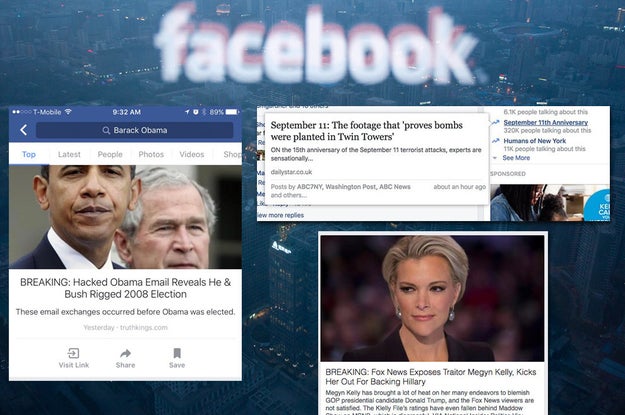
The social network where 44% of Americans go to get news has in recent weeks promoted in its Trending box everything from the satirical claim that Siri would jump out of iPhones to the lunatic theory that Presidents Bush and Obama conspired to rig the 2008 election. As Facebook prepares to roll out the Trending feature to even more of its 1.7 billion users, computer scientists are warning that its current algorithm-driven approach with less editorial oversight may be no match for viral lies.

“Automatic (computational) fact-checking, detection of misinformation, and discrimination of true and fake news stories based on content [alone] are all extremely hard problems,” said Fil Menczer, a computer scientist at Indiana University who is leading a project to automatically identify social media memes and viral misinformation. “We are very far from solving them.”
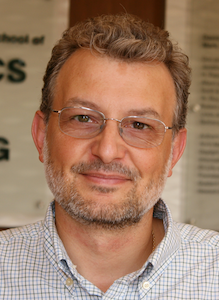
Fil Menczer

Via cnets.indiana.edu

Three top researchers who have spent years building systems to identify rumors and misinformation on social networks, and to flag and debunk them, told BuzzFeed News that Facebook made an already big challenge even more difficult when it fired its team of editors for Trending.

Kalina Bontcheva leads the EU-funded PHEME project working to compute the veracity of social media content. She said reducing the amount of human oversight for Trending heightens the likelihood of failures, and of the algorithm being fooled by people trying to game it.

“I think people are always going to try and outsmart these algorithms — we’ve seen this with search engine optimization,” she said. “I’m sure that once in a while there is going to be a very high-profile failure.”

Less human oversight means more reliance on the algorithm, which creates a new set of concerns, according to Kate Starbird, an assistant professor at the University of Washington who has been using machine learning and other technology to evaluate the accuracy of rumors and information during events such as the Boston bombings.

“[Facebook is] making an assumption that we’re more comfortable with a machine being biased than with a human being biased, because people don’t understand machines as well,” she said.

Taking Trending global

Facebook’s abrupt doubling down on an algorithm to identify trending discussions and related news stories has its roots in the company’s reaction to a political controversy. In May, Gizmodo reported that the dedicated human editors who helped select topics and news stories for the Trending box said some of their colleagues “routinely suppressed” news of interest to a conservative audience. Facebook CEO Mark Zuckerberg convened an apologetic meeting with conservative media leaders. Three months later, the company fired the editors and let an algorithm take a bigger role with reduced human oversight.

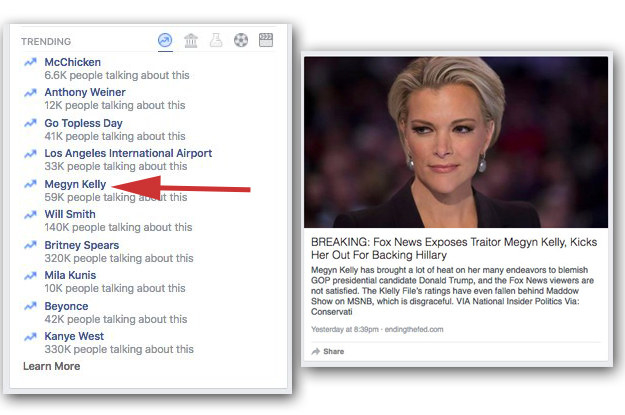
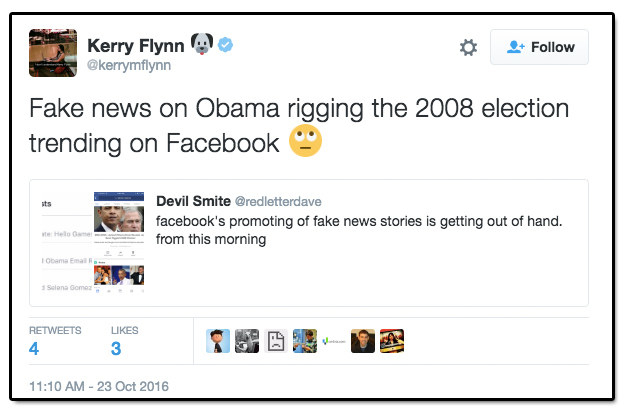
Two days after dismissing the editors, a fake news story about Megyn Kelly being fired by Fox News made the Trending list. Next, a 9/11 conspiracy theory trended. At least five fake stories were promoted by Facebook’s Trending algorithm during a recent three-week period analyzed by the Washington Post. After that, the 2008 conspiracy post trended.
Facebook

Facebook now has a “review team” working on Trending, but their new guidelines require them to exercise less editorial oversight than the previous team. A Facebook spokesperson told BuzzFeed news theirs is more of a quality assurance role than an editorial one. Reviewers are, however, required to check whether the headline of an article being promoted within a trend is clickbait or a hoax or contains “demonstrably false information.” Yet hoaxes and fake news continue to fool the algorithm and the reviewers.

Facebook executives have acknowledged that its current Trending algorithm and product is not as good as it needs to be. But the company has also made it clear that it intends to launch Trending internationally in other languages. By scaling internationally, Facebook is creating a situation whereby future Trending failures will potentially occur at a scale unheard of in the history of human communication. Fake stories and other dubious content could reach far more people faster than ever before.

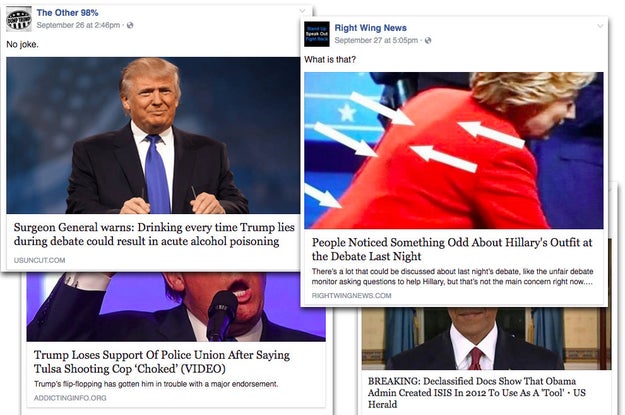
For Trending to become a reliable, global product, it will need to account for the biases, bad actors, and other challenges that are endemic to Facebook and the news media. Put another way, in order to succeed, the Trending algorithm needs to be better than the very platform that spawned it. That’s because fake news is already polluting the platform’s News Feed organically. A recent BuzzFeed News analysis of giant hyperpartisan Facebook pages found that 38% of posts on conservative pages and 19% of posts on liberal pages featured false or misleading content.

Facebook’s challenge with fake news has its roots, of course, in the platform’s users — us. Humans embrace narratives that fit their biases and preconceptions, making them more likely to click on and share those stories. Mark Zuckerberg acknowledged this in a Facebook post marking the 10th anniversary of News Feed.

“Research shows that we all have psychological bias that makes us tune out information that doesn’t fit with our model of the world,” he wrote.

Facebook relies primarily on what humans are doing on Facebook — likes, shares, clicks, et cetera — in order to train the Trending algorithm. The company may have ditched its editors, but we humans are still giving biased signals to the algorithm, which then mediates these biases back to an even larger group of humans. Fake news stories keep trending because people on Facebook keep reading and sharing and liking them — and the review team keeps siding with the algorithm&;s choices.

As far as the algorithm is concerned, a conspiracy theory about 9/11 being a controlled demolition is worth promoting because people are reading, sharing, and reacting to it with strong signals at high velocity. The platform promoted a fake Megyn Kelly story from a right-wing site because people were being told what they wanted to hear, which caused them to eagerly engage with that story.

The BuzzFeed News analysis of more than 1,000 posts from hyperpartisan Facebook pages found that false or misleading content that reinforces existing beliefs received stronger engagement than accurate, factual content. The internet and Facebook are increasingly awash in fake or deeply misleading news because it generates significant traffic and social engagement.
Facebook

“We’re just beginning to understand the impact of socially and algorithmically curated news on human discourse, and we’re just beginning to untie all of that with filter bubbles and conspiracy theories,” Starbird said. “We’ve got these society-level problems and Facebook is in the center of it.”

This reality is at odds with Facebook’s vision of a network where people connect and share important information about themselves and the world around them. Facebook has an optimistic view that in aggregate people will find and share truth, but the data increasingly says the exact opposite is happening on a massive scale.

“You have a problem with people of my parents’ generation who … are overwhelmed with information that may or may not be true and they can’t tell the difference,” Starbird said. “And more and more that’s all of us.”

The fact that Facebook’s own Trending algorithm keeps promoting fake news is the strongest piece of evidence that this kind of content overperforms on Facebook. A reliable Trending algorithm would have to find a way to account for that in order to keep dubious content out of the review team&039;s queue.

How to train your algorithm

In order for an algorithm to spot a valid trending topic, and to discard false or otherwise invalid ones, it must be trained. That means feeding it a constant stream of data and telling it how to interpret it. This is called machine learning. Its application to the world of news and social media discussion — and in particular to the accuracy of news or circulating rumors and content — is relatively new.

Algorithms are trained using past data. This past data helps train the machine on what to look for in the future. One inevitable weakness is that an algorithm cannot predict what every new rumor, hoax, news story, or topic will look like.

“If the current hoax is very similar to a previous hoax, I’m sure [an algorithm] can pick it up,” Bontcheva said. “But if it’s something quite different from what they’ve seen before, then that becomes a difficult thing to do.”
@kerrymflynn / Twitter

As a way to account for unforeseen data, and the bias of users, the Trending product previously relied heavily on dedicated human editors and on the news media. In considering a potential topic, Facebook’s editors were required to check “whether the topic is national or global breaking news that is being covered by most or all of ten major media outlets.” They were also previously tasked with writing descriptions for each topic. Those descriptions had to contain facts that were “corroborated by reporting from at least three of a list of more than a thousand media outlets,” according to a statement from Facebook. The review team guidelines do not include either process.

The algorithm also used to crawl a large list of RSS feeds of reputable media outlets in order to identify breaking news events for possible inclusion as a topic. A Facebook spokesperson told BuzzFeed News that the algorithm no longer crawls RSS feeds to look for possible topics.

Facebook says it continues to work to improve the algorithm, and part of that work involves applying some of the approaches it implemented in News Feed to reduce clickbait and hoaxes.

“We’ve actually spent a lot of time on News Feed to reduce [fake stories and hoaxes’] prevalence in the ecosystem,” said Adam Mosseri, the head of News Feed, at a recent TechCrunch event.

Kate Starbird

Via hcde.washington.edu

Bontcheva and others said Facebook must find ways to ensure that it only promotes topics and related articles that have a diverse set of people talking about them. The algorithm needs be able to identify “that this information is interesting and seems valid to a large group of diverse people,” said Starbird. It must avoid topics and stories that are only circulating among “a small group of people that are isolated.”

It’s not enough for a topic or story to be popular — the algorithm must understand who it’s trending among, and whether people from different friend networks are engaging with the topic and content.

“Surely Facebook knows which users are like each other,” Bontcheva said. “You could even imagine Facebook weighting some of these [topics and stories] based on a given user and how many of the comments come from people like like him or her.”

This means having a trending algorithm that can recognize and account for the very same ideological filter bubbles that currently drive so much engagement on Facebook.

The Trending algorithm does factor in whether a potential topic is being discussed among large numbers of people, and whether these people are sharing more than one link about the topic, according to a Facebook spokesperson.

A suboptimal solution?

Over time, this algorithm might learn whether certain users are prone to talking about and sharing information that’s only of interest to a small group of people who are just like them. The algorithm will also see which websites and news sources are producing content that doesn’t move between diverse networks of users. To keep improving, it will need to collect and store this data about people and websites, and it will assign “reliability” scores based on what it learns, according to Bontcheva.

“Implicitly, algorithms will have some kind of reliability score based on past data,” she said.

Yes, that means Facebook could in time rate the reliability and overall appeal of the information you engage with, as well as the reliability and appeal of stories from websites and other sources.

This would lead to all manner of questions: If Facebook deems you to be an unreliable source of trending topics and information, should it have to disclose that to you, just as it does your ad preferences? Should news websites be able to see how the algorithm views them at any given time?

The Facebook Ad Preferences page.

Facebook / Via Facebook: ads

Then there’s the fundamental question of whether suppression of information and sources by algorithm is preferable to suppression by humans.

“Previously the editors were accused of bias, but if [Facebook] starts building algorithms that are actually capable of removing those hoaxes altogether, isn’t the algorithm going to be accused of bias and propaganda and hidden agendas?” said Bontcheva.

A spokesperson for the company said the current Trending algorithm factors in how much people have been engaging with a news source when it chooses which topics and articles to highlight. But they emphasized that this form of rating is not permanent and only pays attention to recent weeks of engagement. They will not maintain a permanent black or white list of sources for Trending. The company also said that the top news story selected for a given topic is often the same story that&039;s at the top of the Facebook search results for that topic or term, meaning it&039;s selected by an algorithm.

Now consider what might happen if, for example, there&039;s a discussion about vaccines happening on a large scale. Maybe the algorithm sees that it&039;s generating enough engagement to be trending, and maybe the top story is from an anti-vaccine website or blog. The algorithm may put that topic and story in the queue for review. Would a reviewer promote the topic with that story? Would they recognize that the anti-vaccine argument stems from “demonstrably false information,” as their guidelines prescribe, and suppress the topic and story? Or would they promote the topic but select a different story?

Those decisions are the kinds that editors make, but Trending doesn&039;t have those anymore. Given recent failures, it&039;s impossible to predict what might happen in this scenario.

“Is a suboptimal solution good enough, and what are the consequences of that?” Starbird asks. “And are we as a society OK with that?”

Quelle: <a href="Facebook&039;s Trending Algorithm Can&039;t Stop Fake News, Computer Scientists Say“>BuzzFeed
Advocates Sense New Moment in Antitrust As Opposition Grows Against AT&T Merger

Before AT&T had even announced plans to buy Time Warner for $85 billion, Donald Trump had denounced the deal, becoming an unlikely bedfellow for Democrats who would soon join the attack.

The earliest reactions to AT&T’s proposal ranged from professional skepticism to unflinching death stares. And while some observers view Washington’s response as nothing more than a bluster of soundbites, others see a new moment for antitrust enforcement, bolstered by the economic populism that has defined the 2016 election.

“There&;s definitely something new in the air when it comes to antitrust,” Lina Khan, a fellow at New America who researches industry concentration, told BuzzFeed News. “There’s a general awakening that our current antitrust approach has failed at keeping markets open and competitive, and has instead overseen extreme concentrations of economic power.”

Trump’s senior economic advisor Peter Navarro evoked the trust-busting personae of Theodore Roosevelt in his condemnation of the merger. A President Trump, he said, would “break up the new media conglomerate oligopolies.” Congressional Republicans, including the head of the Senate Judiciary Committee Chuck Grassley assured the public that lawmakers would scrutinize the deal. Meanwhile, Sen. Mike Lee, the chair of the Senate’s Antitrust Subcommittee said the mega-merger “would potentially raise significant antitrust issues.” Joined by the panel’s top Democrat, Sen. Amy Klobuchar, he promised a thorough review and at least one Senate hearing.

“The industry-friendly merger approvals that benefit private interests but undercut consumers — this is the price we pay for a system that doesn&039;t work,” Todd O’Boyle, director of the Media and Democracy Project at Common Cause, a progressive advocacy organization, told BuzzFeed News. “Consumers understand that they deserve better, that allowing well connected firms to write their own rules doesn’t advance the public interest,” he said. “I think that message is finally coming up from the grassroots to policy makers in Washington.”

In a sign that concerns over market concentration have gained prominence in the public sphere, the AT&T merger played a role in this week’s Sunday morning political chatter and prompted responses from both presidential candidates. Whereas Trump would like to see the deal scrapped, Hillary Clinton and Tim Kaine both said the merger deserves a close look.

“The fact that Donald Trump might agree on something doesn&039;t make it bipartisan”

In a major policy speech this summer, Sen. Elizabeth Warren pushed for a reinvigorated approach to antitrust enforcement. She called out some of the biggest names in tech — Apple, Amazon, and Google — for what she claimed were anticompetitive practices. And she pressed for greater scrutiny over so-called “vertical mergers,” the kind of deal that AT&T and Time Warner hope to pull off — one that combines a supplier with a distributor. In a Facebook post Tuesday, Warren urged regulators to take a “very, very close look” at the proposed merger.

“When it comes to antitrust, there has been a changing approach,” John Bergmayer, senior counsel at Public Knowledge, a digital rights advocacy group, told BuzzFeed News. “The ‘Elizabeth Warren attitude’ has become more prevalent among Democrats around DC. There’s a lot more willingness to challenge deals forthrightly,” he said.

AT&T, for its part, insists that its purchase of Time Warner is more likely to receive the government&039;s blessing because the two companies do not compete with one another. For instance, Comcast’s failed deal to acquire Time Warner Cable last year was an example of “horizontal consolidation,” in which two firms in the same industry tried to combine. “All of the deals that have gotten in trouble … over the last few years have been horizontal mergers, where a competitor is being taken out of the marketplace,” AT&T CEO Randall Stephenson said in a call with investors Monday.

In a statement to BuzzFeed News, AT&T’s general counsel David McAtee said, “We look forward to discussing the many benefits of this transaction with our regulators.” According to AT&T, the benefits to its 100 million customers would include new types of subscriptions designed for mobile screens and social media, as well as targeted advertising that would support the creation of new content and niche programming.

But regulators may conclude that AT&T’s takeover of Time Warner would harm competition. Critics of the deal argue that AT&T might privilege its own content over their competitors’; downgrade content offered by rival programmers; or extract higher fees from TV-providers who want to carry Time Warner content. (Netflix CEO Reed Hastings has suggested he would not oppose the merger so long as “HBO’s bits and Netflix’s bits are treated the same.”)

Part of the apprehension expressed by consumer advocates and policymakers over an AT&T-Time Warner union can be tied to a another colossal media merger, from 2011: Comcast’s acquisition of NBCUniversal, a deal that many believe should have never been approved. Federal regulators imposed conditions on that transaction to minimize the potential harm to consumers, including commitments by Comcast to provide affordable broadband to low-income families; increase local news programming; and to not discriminate against TV programs that compete with its own content. But experts contend that the spirit of those conditions has been violated and that they are generally difficult to enforce.

AT&T expects to make concessions during the merger review process. In a call with investors, the company’s leadership indicated that if regulators have lingering concerns, they can be addressed through conditions placed on the merger. But some say these conditional remedies aren’t good enough.

“There’s a dawning understanding that it’s very easy for well connected firms to make big promises, but it&039;s much more difficult for them to follow up and actually deliver on the proposed benefits,” said O’Boyle.

During her antitrust speech in July, Sen. Warren criticised the use of these conditional terms and recommended that regulators simply approve mergers or challenge them — with no strings attached.

“Many policymakers in Washington are still smarting from their approval of the Comcast-NBCUniversal merger,” said O’Boyle. “[They’re] realizing that it did not deliver a fraction of the benefits that were promised to consumers.”

But even with the Comcast baggage and the populist mood that has seized the electorate, the Justice Department’s antitrust division will vet the AT&T deal on its own terms.

“Not liking something isn’t a DOJ rationale for blocking the deal”

“Elizabeth Warren or Donald Trump or Bernie Sanders can yell, kick, and scream as much as they want,” BTIG analyst Rich Greenfield told BuzzFeed News. “They need to come up with a legal basis for the government suing AT&T. Not liking something isn’t a DOJ rationale for blocking the deal.”

Greenfield said that for all the rhetoric, he has yet to hear a sound legal argument that would justify blocking the proposed merger. “Even if the government regrets Comcast-NBCUniversal, even if the government thinks ‘big is bad,’ that in and of itself doesn’t mean you can block this.”

Berin Szoka, president of the free market think tank TechFreedom, told BuzzFeed News that rejecting the deal outright, as some politicians have done, is premature and thoughtless.

“The fact that Donald Trump might agree on something doesn&039;t make it bipartisan or demonstrate that there is real concern there,” he said. “It demonstrates that this is an easy rallying cry for demagogical populism on both sides of the political spectrum.”

Szoka added, “The whole point … of having a Department of Justice look at these things is to take them out of the hands of politicians.”

Perhaps the biggest question surrounding the deal is whether the Federal Communications Commission will join the review process. It’s not clear if the agency will, and the companies have not indicated if they will tailor the deal to avoid the FCC’s scrutiny. Unlike the Justice Department’s review, in which the companies have to demonstrate that a merger will not harm competition, the FCC has a broader mandate: for a merger to move forward, the firms must show that their marriage serves the public interest.

While it may appear that the FCC places a higher burden on companies in its approval process — since they have to affirmatively prove a benefit to consumers — Bergmayer said that the DOJ, as a law enforcement agency, has tremendous practical power in its ability to gather information, and it can do so largely beyond public view. Each agency presents their own challenges to potential mergers, he said.

In either case, advocates hope that regulators will take a hard look at the deal, encouraged by the growing sense among policymakers and the current administration, that industry concentration has increased as entrepreneurship has declined.

A source who has worked on previous media deals noted that while the Justice Department’s antitrust division is non-partisan, the head of the division, like the attorney general, is appointed by the president. What’s more, the DOJ’s career lawyers and economists have heard what the presidential candidates have said during the campaign, which might inform how they approach their daily work and broader mission, the source told BuzzFeed news.

The AT&T-Time Warner review is expected to last through the end of next year. Ultimately, a Clinton or Trump administration will decide whether it succeeds. For either of them, the deal will test their to commitments to thwart excessive consolidation and abuse of economic power. And in the more likely scenario that the merger lands on Clinton’s desk, the review may reveal how much influence Sens. Warren and Sanders have on her administration, and if the populist faction they represent holds sway.

Thumbnail credit: George C. Beresford/Hulton Archive/Getty Images

Quelle: <a href="Advocates Sense New Moment in Antitrust As Opposition Grows Against AT&T Merger“>BuzzFeed

Apple Is Delaying Its New Wireless Airpod Headphones

Stephen Lam / Getty Images

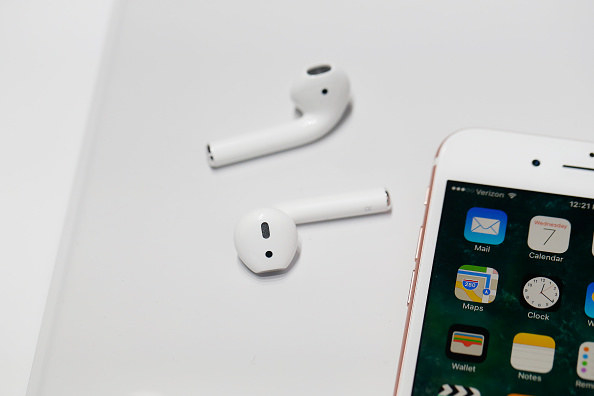
Apple has delayed shipping its new Airpods headphones, announced in conjunction with the headphone-jack-less iPhone 7 in early September. The cordless Bluetooth headphones, which cost $159, were scheduled to ship in October of this year.

Even at launch, the Airpods and the iPhone 7 did not have the same shipping date. The iPhone 7 has been released, and customers have been given a special adapter for plugging in their standard headphone cords.

An Apple spokesperson told BuzzFeed News, “The early response to AirPods has been incredible. We don&;t believe in shipping a product before it&039;s ready, and we need a little more time before AirPods are ready for our customers.”

The spokesperson declined to give a rough shipping date and declined to comment on any issues that may have delayed the shipment.

This is unusual for Apple, which typically hits its promised product release dates.

Quelle: <a href="Apple Is Delaying Its New Wireless Airpod Headphones“>BuzzFeed

Microsoft Challenges iMac With New Surface Studio Desktop

Microsoft

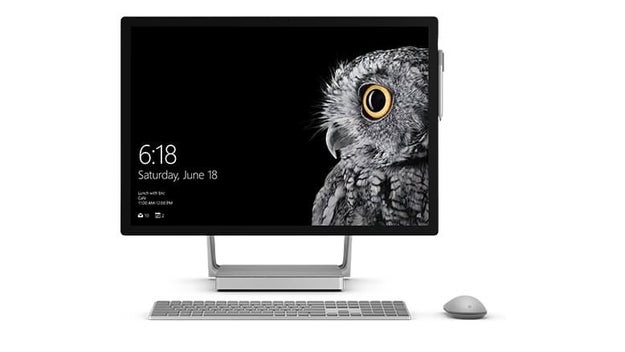
Microsoft announced its first ever desktop computer at an event in Manhattan on Wednesday morning. Called the Surface Studio, the device is designed to go after the creative professional class with which Apple’s iMac has long held sway.

“It’s meant to transform the way you work and create,” said Microsoft’s VP of Devices Panos Panay.

The Studio boasts a 28-inch screen, a slick swiveling base, and a bank of microphones designed to provide access to Microsoft’s virtual assistant, Cortana. More interestingly, it has two chrome arms that pivot on a hinge to let users push the device down into a 20-degree drafting angle intended to be used with the company’s stylus, the Surface Pen.

“It’s a new way to create,” said Panay. “You don’t have to be an artist. You can be an accountant, late at night, creating a symphony on a spreadsheet.”

To the pen and touch screen, the Surface Studio adds a new peripheral called the Surface Dial — a wheel that can be used to scroll, rewind, and fast-forward, and be placed on the screen to interact with image-editing and drawing apps.

The Studio is available to pre-order today and will cost $3,000. Panay said the computer “will be available in limited quantities this holiday.”

In addition to the Studio, Microsoft also announced updates to its Surface Book computers. The company says the next-generation version of its touchscreen laptop is faster, runs cooler, and offers better battery life.

“It is pound for pound, without any doubt, the most performant laptop on the market,” said Panay.

Before introducing the new devices, Microsoft&;s leadership spent time describing the newest iteration of its Windows 10 operating system — which the new Surfaces will run. The Windows 10 Creators Update, which will launch next spring, focuses broadly on incorporating 3D into the operating system. That focus includes the ability to 3D scan physical objects with Windows 10 phones, a new version of Microsoft’s staple Paint app called Paint 3D, and the ability to take 3D objects built with the Creators Update and drop them into AR and VR environments.

“We&039;re hoping to have the effect of the Gutenberg press on the next generation of computing,” said an optimistic Terry Myerson, executive vice president of the Windows and Devices Group.

In addition to the new focus on 3D, Microsoft also announced at the event incremental upgrades to sharing and gaming in Windows 10, including new game-broadcasting support for Xbox One.

“We are the company that stands for the builders, the makers, and the creators,” said Microsoft CEO Satya Nadella.

Quelle: <a href="Microsoft Challenges iMac With New Surface Studio Desktop“>BuzzFeed

Apple's Annual Sales Have Fallen For The First Time Since 2001

Josh Edelson / AFP / Getty Images

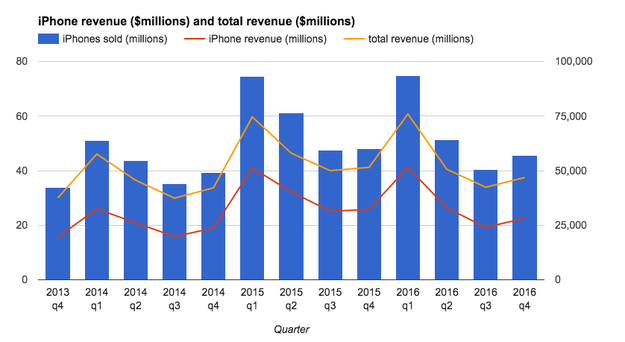
Apple&;s iPhone sales fell again in the company&039;s most recent quarter, marking the third consecutive period of quarterly decline for the company&039;s most important product. The company&039;s sales of iPads and Macs also both fell.

Those sales have fallen before, but there was also a first in Tuesday&039;s earnings statement: Apple&039;s annual revenue fell for the first time since 2001.

Apple sold 45.5 million iPhones in the three months from July to September, slightly above what analysts polled by Bloomberg expected. The period included about two weeks of sales of the iPhone 7, which may have been boosted by the disaster surrounding the recall of Samsung&039;s explosion-prone Galaxy Note 7.

Apple shares are up about 12% this year, while the broader Nasdaq Composite Index, which includes many technology companies, is up just over 5%. In after-hours trading, the company&039;s stock fell slightly following the release of the results.

Apple/BuzzFeed

With iPhone sales falling, Apple steered investors toward the growing money it makes from services like iCloud, which users subscribe to and pay monthly fees for. Wall Street tends to value these kind of recurring revenue streams, and Apple said its services unit pulled in $6.3 billion in revenue for the quarter, up 24% from a year ago.

Hardware sales fell across the board: iPads were down 6%, Mac computers were down 14% and the company&039;s “other products” — a group that includes the Apple Watch and Beats headphones — fell 22%.

Regardless of falling iPhone sales, Apple remains insanely profitable — it made $9 billion in the last three months — about $100 million in profits every day — which was slightly more Wall Street analysts expected. But even this was still short of the $11 billion it earned in the same period last year.

The company said revenue would start picking up again in the final three months of 2016 — the holiday shopping season is always an Apple sales bonanza. It forecast revenue of $76 to $78 billion, which even at the low end would be above the $75.9 billion in pulled in last year.

“We’re thrilled with the customer response to iPhone 7, iPhone 7 Plus and Apple Watch Series 2, as well as the incredible momentum of our Services business, where revenue grew 24 percent to set another all-time record,” Apple chief executive Tim Cook said in a statement.

Quelle: <a href="Apple&039;s Annual Sales Have Fallen For The First Time Since 2001“>BuzzFeed