Promoted Tweet For Nazi Site Highlights Twitter's Opaque Enforcement Policies

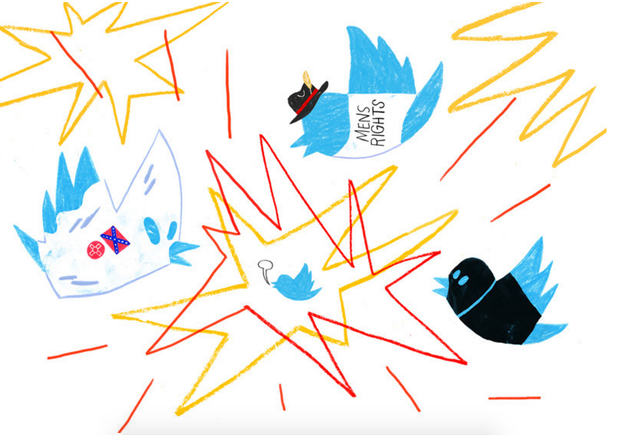
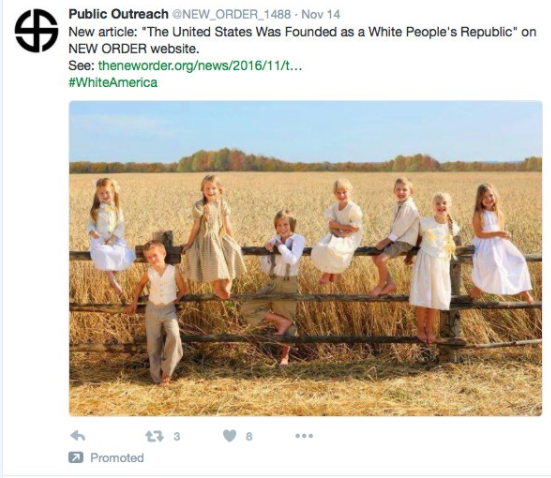
Writer Ariana Lenarsky was scrolling through her Twitter feed at 6:08 P.M. last night when she says she came upon a tweet from new_order_1488, a Neo Nazi account. “&;New Article: The United States Was Founded as a White People&039;s Republic&039; on NEW ORDER website,” it read. The hashtag followed.

Racist and white supremacist content is nothing new on Twitter, which has long been a home to the internet&039;s political underbelly. But this tweet was different — Lenarsky hadn&039;t followed the account. The tweet displayed in her timeline appeared to be one of Twitter’s Promoted Tweet ads — ad units that can be purchased, targeted and placed into timelines of selected users.

Lenarsky was outraged; she took a screenshot and tweeted it with the caption, “@twitter I can&039;t believe anything still surprises me, but why the fuck am I seeing nazi ads on this website.” The tweet went viral.

Twitter&039;s ad policy explicitly states that the company “prohibits the promotion of hate content, sensitive topics, and violence globally,” which would apparently exclude an ad from @new_order_1488 whose logo features a swastika, and whose account links back to a well-established Nazi web site.

When BuzzFeed News reached out to Twitter — around 10:00 P.M. last evening, Twitter spokesperson Nu Wexler emailed that the company does not comment on individual accounts and noted, “but it looks like the screenshot in that tweet is either old or photoshopped.”

Lenarsky told BuzzFeed News via email, “I don&039;t know what &039;old&039; means, but it&039;s definitely not photo-shopped (I don&039;t own or know how to use photoshop).” She said she took the screenshot just after 6:00 P.M. Two separate users also confirmed to BuzzFeed News that they had seen a similar promoted tweet from @new_order_1488 that evening.

After being contacted by BuzzFeed News, Twitter sent a link which showed the company had suspended the account. When asked if @new_order_1488 ever ran a promoted tweet, Wexler did not reply. Nor did Wexler respond to multiple requests to speak on the phone for attempts to clarify, or return voice and text messages.

This came on the same day that Twitter rolled out its new harassment tools, including updated reporting workflow and an expanded mute keyword filter. In the past 24 hours, Twitter has also banned several prominent alt-right accounts.

But even that is fraught. As Twitter tries to combat harassment, it faces criticism for purging accounts associated with a particular ideology, rather than explicit harassment, an argument that contradicts Twitter&039;s decade-long, staunch commitment to maximalist free speech. The confusion surrounding the @new_order_1488 promoted tweet, and Twitter&039;s reluctance to clarify what happened, illustrate that the company&039;s struggle to highlight the opaque procedures around reporting and policing harassment and hate speech.

Though the offending account has been suspended, Lenarksy is still frustrated with Twitter&039;s failure to police hate speech. “Twitter is normalizing, promoting, and profiting off of Nazi white supremacy propaganda. That is beyond the human scope of acceptability, especially now. Twitter must publicly condemn this behavior and make a statement reassuring users that they understand why this is unacceptable,” she wrote to BuzzFeed News. “It&039;s one thing to allow Nazis to have their own twitter accounts (which is still embarrassing from a private company) but to promote their message is unconscionable.”

Quelle: <a href="Promoted Tweet For Nazi Site Highlights Twitter&039;s Opaque Enforcement Policies“>BuzzFeed

Viral Fake Election News Outperformed Real News On Facebook In Final Months Of The US Election

BuzzFeed / Getty Images

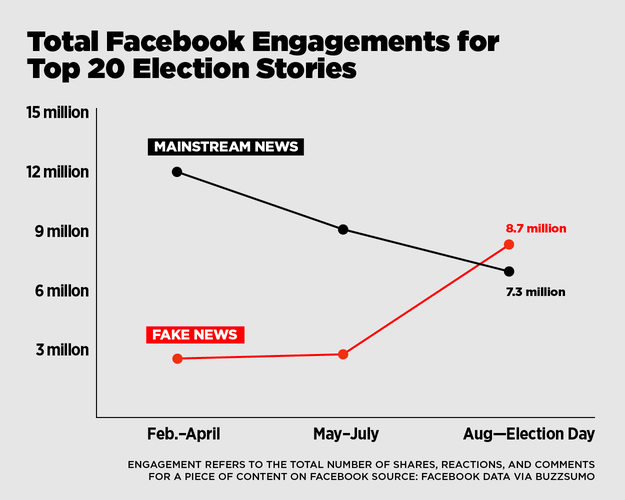
In the final three months of the US presidential campaign, the top-performing fake election news stories on Facebook generated more engagement than the top stories from major news outlets such as the New York Times, Washington Post, Huffington Post, NBC News, and others, a BuzzFeed News analysis has found.

During these critical months of the campaign, 20 top-performing false election stories from hoax sites and hyperpartisan blogs generated 8,711,000 shares, reactions, and comments on Facebook.

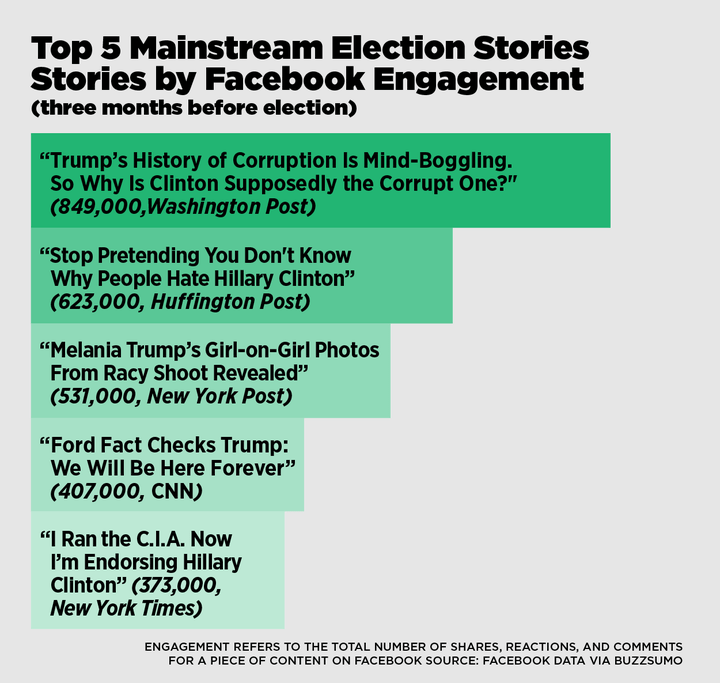
Within the same time period, the 20 best-performing election stories from 19 major news websites generated a total of 7,367,000 shares, reactions, and comments on Facebook. (This analysis focused on the top performing link posts for both groups of publishers, and not on total site engagement on Facebook. For details on how we identified and analyzed the content, see the bottom of this post. View our data here.)

Up until those last three months of the campaign, the top election content from major outlets had easily outpaced that of fake election news on Facebook. Then, as the election drew closer, engagement for fake content on Facebook skyrocketed and surpassed that of the content from major news outlets.

BuzzFeed News

“I’m troubled that Facebook is doing so little to combat fake news,” said Brendan Nyhan, a professor of political science at Dartmouth College who researches political misinformation and fact-checking. “Even if they did not swing the election, the evidence is clear that bogus stories have incredible reach on the network. Facebook should be fighting misinformation, not amplifying it.”

A Facebook spokesman told BuzzFeed News that the top stories don&;t reflect overall engagement on the platform.

“There is a long tail of stories on Facebook,” the spokesman said. “It may seem like the top stories get a lot of traction, but they represent a tiny fraction of the total.”

He also said that native video, live content, and image posts from major news outlets saw significant engagement on Facebook.

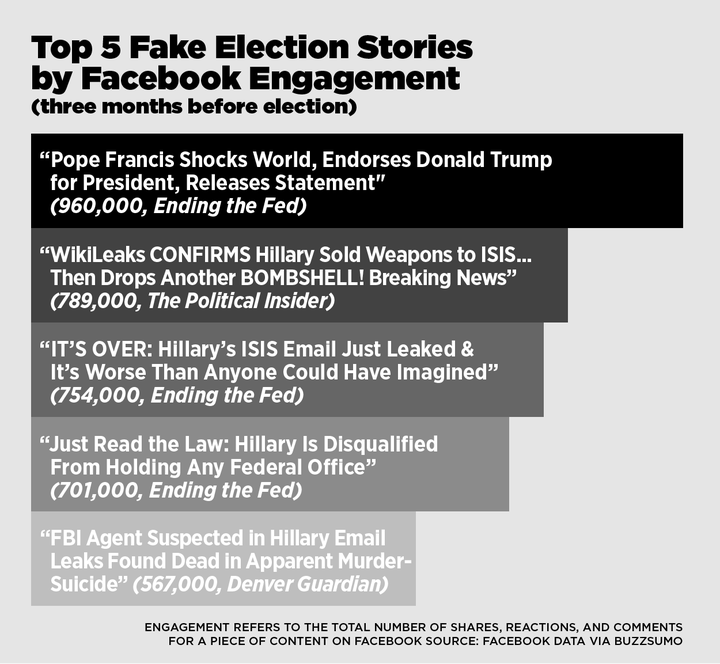
Of the 20 top-performing false election stories identified in the analysis, all but three were overtly pro-Donald Trump or anti-Hillary Clinton. Two of the biggest false hits were a story claiming Clinton sold weapons to ISIS and a hoax claiming the pope endorsed Trump. The only viral false stories during the final three months that were arguably against Trump&039;s interests were a false quote from Mike Pence about Michelle Obama, a false report that Ireland was accepting American “refugees” fleeing Trump, and a hoax claiming RuPaul said he was groped by Trump.

BuzzFeed News

BuzzFeed News

This new data illustrates the power of fake election news on Facebook, and comes as the social network deals with criticism that it allowed false content to run rampant during the 2016 presidential campaign. CEO Mark Zuckerberg said recently it was “a pretty crazy idea” to suggest that fake news on Facebook helped sway the election. He later published a post saying, “We have already launched work enabling our community to flag hoaxes and fake news, and there is more we can do here.”

This week BuzzFeed News reported that a group of Facebook employees have formed a task force to tackle the issue, with one saying that “fake news ran wild on our platform during the entire campaign season.” The Wall Street Journal also reported that Google would begin barring fake news websites from its AdSense advertising program. Facebook soon followed suit.

These developments follow a study by BuzzFeed News that revealed hyperpartisan Facebook pages and their websites were publishing false or misleading content at an alarming rate — and generating significant Facebook engagement in the process. The same was true for the more than 100 US politics websites BuzzFeed News found being run out of the Former Yugoslav Republic of Macedonia.

This new analysis of election content found two false election stories from a Macedonian sites that made the top-10 list in terms of Facebook engagement int he final three months. Conservative State published a story that falsely quoted Hillary Clinton as saying, “I would like to see people like Donald Trump run for office; they’re honest and can’t be bought.” The story generated over 481,000 engagements on Facebook. A second false story from a Macedonia site falsely claimed that Clinton was about to be indicted. It received 149,000 engagements on Facebook.

All the false news stories identified in BuzzFeed News&039; analysis came from either fake news websites that only publish hoaxes or from hyperpartisan websites that present themselves as publishing real news. The research turned up only one viral false election story from a hyperpartisan left-wing site. The story from Winning Democrats claimed Ireland was accepting anti-Trump “refugees” from the US. It received over 810,000 Facebook engagements, and was debunked by an Irish publication. (There was also one post from an LGBTQ site that used a false quote from Trump in its headline.)

The other false viral election stories from hyperpartisan sites came from right-wing publishers, according to the analysis.

Ending the Fed

One example is the remarkably successful, utterly untrustworthy site Ending the Fed. It was responsible for four of the top 10 false election stories identified in the analysis: Pope Francis endorsing Donald Trump, Hilary Clinton selling weapons to ISIS, Hillary Clinton being disqualified from holding federal office, and the FBI director receiving millions from the Clinton Foundation. These four stories racked up a total of roughly 2,953,000 Facebook engagements in the three months leading up to Election Day.

Ending the Fed gained notoriety in August when Facebook promoted its story about Megyn Kelly being fired by Fox News as a top trending item. The strong engagement the site has seen on Facebook may help explain how one of its stories was featured in the Trending box.

The site, which does not publicly list an owner or editor, did not respond to a request for comment from BuzzFeed News.

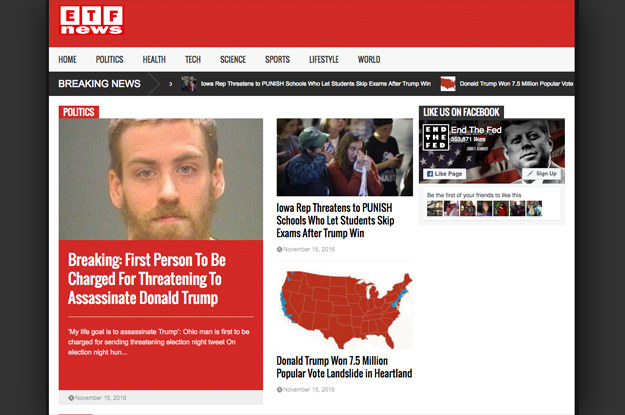
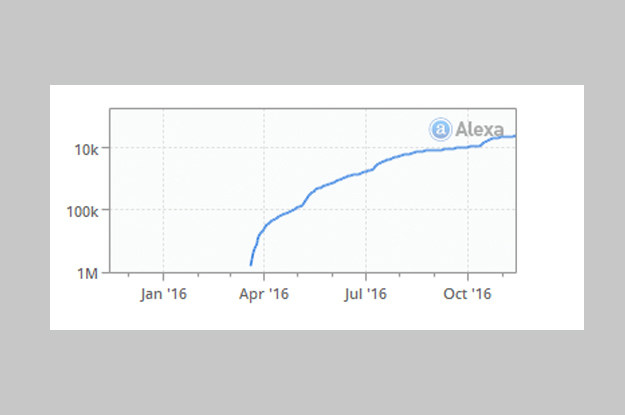
Like several other hyperpartisan right-wing sites that scored big Facebook hits this election season, Ending the Fed is a relatively new website. The domain endingthefed.com was only registered in in March. Yet according to BuzzFeed News&039; analysis, its top election content received more Facebook engagement than stories from the Washington Post and New York Times. For example, the top four election stories from the Post generated roughly 2,774,000 Facebook engagements — nearly 180,000 fewer than Ending the Fed&039;s top four false posts.

A look at Ending the Fed&039;s traffic chart from Alexa also gives an indication of the massive growth it experienced as the election drew close:

Alexa / Via alexa.com

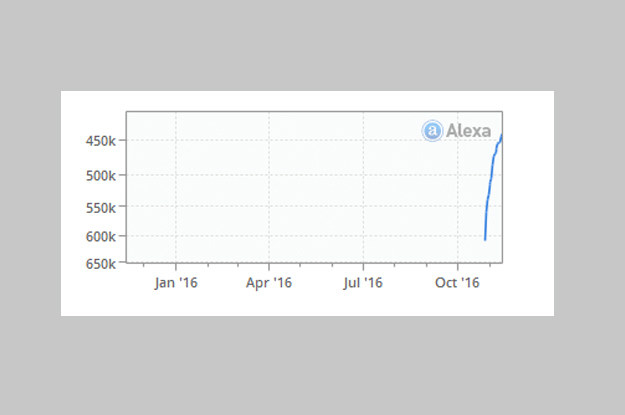
A similar spike occurred for Conservative State, a site that was only registered in September. It saw a remarkable traffic spike almost instantly:

Alexa / Via alexa.com

Alexa estimates that nearly 30% of Conservative State&039;s traffic comes from Facebook, with 10% coming from Google.

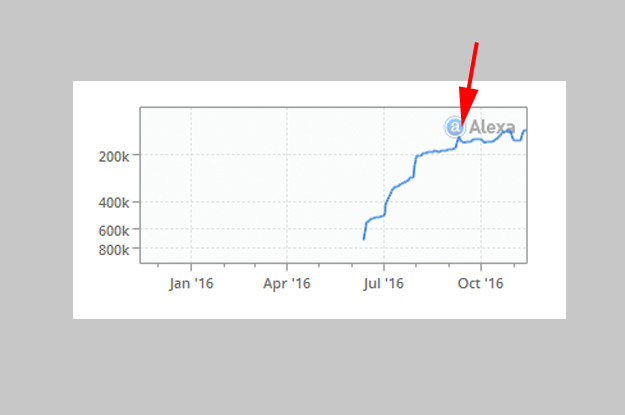
Along with unreliable hyperpartisan blogs, fake news sites also received a big election traffic bump in line with their Facebook success. The Burrard Street Journal scored nearly 380,000 Facebook engagements for a fake story about Obama saying he will not leave office if Trump is elected. It was published in September, right around the time Alexa notched a noticeable uptick in its traffic:

Alexa / Via alexa.com

That site was only registered in April of this year. Its publisher disputes the idea that its content is aimed at misleading readers. “The BS Journal is a satire news publication and makes absolutely no secret of that or any attempt to purposely mislead our readers,” he told BuzzFeed News.

Large news sites also generated strong Facebook engagement for links to their election stories. But to truly find the biggest election hits from these 19 major sites, it&039;s necessary to go back to early 2016.

The three biggest election hits for these outlets came back in February, led by a contributor post on the Huffington Post&039;s blog about Donald Trump that received 2,200,000 engagements on Facebook. The top-performing election news story on Facebook for the 19 outlets analyzed was also published that month by CBS News. It generated an impressive 1.7 million shares, engagements, and comments on Facebook. Overall, a significant number of the top-performing posts on Facebook from major outlets were opinion pieces, rather than news stories.

The biggest mainstream hit in the three months prior to the election came from the Washington Post and had 876,000 engagements. Yet somehow Ending the Fed — a site launched just months earlier with no history on Facebook and likely a very small group of people running it — managed to get more engagement for a false story during that same period.

“People know there are concerned employees who are seeing something here which they consider a big problem,” a Facebook manager told BuzzFeed News this week. “And it doesn’t feel like the people making decisions are taking the concerns seriously.”

How We Gathered the Data

BuzzFeed News used the content analysis tool BuzzSumo, which enables users to search for content by keyword, URL, time range, and social share counts. BuzzFeed News searched in BuzzSumo using keywords such as “Hillary Clinton” and “Donald Trump,” as well as combinations such as “Trump and election” or “Clinton and emails” to see the top stories about these topics according to Facebook engagement. We also searched for known viral lies such as “Soros and voting machine.”

In addition, created lists of the URLs of known fake news websites, of hyperpartisan sites on the right and on the left, and of the more than 100 pro-Trump sites run from Macedonia that were previously identified in BuzzFeed News reporting. We then looked for the top performing content on Facebook across all of these sites to find false stories about the election.

We conducted our searches in three-month segments beginning 9 months from election day. This broke down as February to April, May to July, and August to election day.

Even with the above approaches, it&039;s entirely possible that we missed other big hits from fake news websites and hyperpartisan blogs.

To examine the performance of election content from mainstream sites, we created a list that included the websites of the New York Times, Washington Post, NBC News, USA Today, Politico, CNN, Wall Street Journal, CBS News, ABC News, New York Daily News, New York Post, BuzzFeed, Los Angeles Times, NPR, The Guardian, Vox, Business Insider, Huffington Post, and Fox News. We then searched for their top-performing election content in the same three-month segments as above.

It&039;s important to note that Facebook engagement does not necessarily translate into traffic. This analysis was focused on how the best-performing fake news about the election compared with real news from major outlets on Facebook. It&039;s entirely possible — and likely — that the mainstream sites received more traffic to their top-performing Facebook content than the fake news sites did. As as the Facebook spokesman noted, large news sites overall see more engagement on Facebook than fake news sites.

Quelle: <a href="Viral Fake Election News Outperformed Real News On Facebook In Final Months Of The US Election“>BuzzFeed

Adult Swim Talent Want The Network To Cancel Its Alt-Right Comedy Show

Until this week, when president-elect Donald Trump named one of the alt-right&039;s new nabobs his chief strategist, perhaps the highest purchase gained by the ascendant movement was a six-episode, 15-minute sketch comedy show on Adult Swim called Million Dollar Extreme Presents World Peace.

Now, as America processes the news that Trump, the alt-right&;s hero and avatar, will become the most powerful person in the world, a group of Adult Swim talent — actors, directors, writers, and producers — is desperately trying to convince the network&039;s powerful boss, Mike Lazzo, not to renew the show for a second season.

“They&039;re gathering a long list of complaints from people,” said a source connected to the network. “All of these complaints will hopefully be able to keep a second season from happening.”

BuzzFeed News spoke with three sources who have regularly worked with Adult Swim, the late-night cable network owned by Time Warner that&039;s famous for its zany, cult-favorite comedies. All three sources spoke on the condition of anonymity for fear of harassment by the online community surrounding Million Dollar Extreme, the sketch comedy group behind World Peace, and by members of the group itself.

Indeed, the relationship between the MDE and its community is a major reason for the cancellation campaign. Sam Hyde, MDE&039;s most prominent member, is something of an icon on the alt-right websites where the show&039;s fans congregate. (He moderates a subreddit devoted to the group.) In these forums, thousands of fans gather to decode World Peace&039;s complex, if winking, symbology, which many devotees are convinced expresses an anti-progressive, pro-white ideology. It is because of this alleged dog-whistling — as well as what they claim are harassment campaigns from Hyde and his followers online — that the three sources say they and others want Lazzo to cancel the show.

According to one source with knowledge of the network&039;s operations, it&039;s likely that Lazzo is already aware of the show&039;s solicitations of the alt-right. The same source said that the Adult Swim standards department repeatedly found coded racist messages in the show, including swastikas, which were removed ahead of broadcast. None of this was enough, according to one of the sources, to convince Lazzo not to air the show.

“Lazzo makes every decision there. A lot of people at Adult Swim have been on him trying to get it not renewed,” said the source. “I know at least one person who is very high up there who was furious about it before it came out.”

Indeed, anger about the show, boiling over now, dates back at least to May, when Adult Swim announced during its annual presentation to advertisers that the show would be part of the network&039;s fall schedule. At a company party afterwards, unhappy conversations predominated.

“People with shows were aware of it and angry about it,” one of the sources told BuzzFeed News.

Now a few of them are going public.

On Monday, the actor and comedian Brett Gelman — who has appeared on several Adult Swim programs including “Brett Gelman&039;s Dinner in America” — announced over Twitter that he was severing ties with Adult Swim over World Peace and Lazzo&039;s defense on Reddit of the network&039;s lack of shows with female creators.

“The show is an instrument of hate,” Gelman told BuzzFeed News.

And in a since deleted tweet, actress Zandy Hartig of the network&039;s long-running Children&039;s Hospital implored Adult Swim to “please get rid of MDE and Sam Hyde. He&039;s an embarrassment for you and for me as someone who was very grateful to you.”

Hartig and Gelman have now joined Tim Heidecker, who rose to fame on the Adult Swim show Tim and Eric Awesome Show, Great Job&; as objects of scorn on the MDE internet. Heidecker, who has publicly ridiculed the alt-right, posted on Facebook yesterday that “I love and respect my friend Brett Gelman and I support his decision fully.”

Reached for comment, Adult Swim referred BuzzFeed News to a statement the network gave about World Peace in August:

Adult Swim’s reputation and success with its audience has always been based on strong and unique comedic voices. Million Dollar Extreme’s comedy is known for being provocative with commentary on societal tropes, and though not a show for everyone, the company serves a multitude of audiences and supports the mission that is specific to Adult Swim and its fans.

On Reddit, a poster who identified herself as Adult Swim senior director of programming Kim Manning described the show as “a source of HOT, HOT debate around the office…it has been for a long time…If you watch the show we produced, it&039;s not an alt-right speak piece…We argue about it a lot around the office. That&039;s all I can really say.”

Sam Hyde did not respond to a request for comment, but earlier today, in a series of tweets, he asked his fans not to harass Adult Swim employees:

Ultimately, whether the show comes back for another season is up to Lazzo, who sources say enjoys causing a stir. “I don’t think he&039;s down with the alt right,” said one source. “I think he&039;s a left-leaning guy. But when he sees someone pushing buttons — he’s very anti establishment — his instinct is that he’s doing something right.”

Quelle: <a href="Adult Swim Talent Want The Network To Cancel Its Alt-Right Comedy Show“>BuzzFeed

Twitter Finally Cracks Down, Banning Prominent Alt-Right Accounts

Ariel Davis / BuzzFeed News

Last night, Twitter suspended a number of prominent alt-right accounts, including alt-right leader, Richard Spencer (@RichardBSpencer), his think tank, called the National Policy Institute, and his magazine (@radixjournal). The suspensions come only hours after Twitter announced an new set of abuse tools, including an expanded mute future and a retraining of how its safety staff handles hateful abuse.

Other suspended accounts include Ricky Vaughn (who was previously banned after a BuzzFeed News story detailing his campaign to disenfranchise voters with false information), former Business Insider CTO Pax Dickenson, and John Rivers.

Though the abuse tools were received tepidly as a small first step that was in many ways cosmetic, the decision to begin to ban some of Twitter&;s more prominent alt-right and white nationalist voices is a signal that the company may be getting serious about reclaiming its platform from trolls.

It&039;s unclear whether Twitter will continue the wave or issue any mass bans quietly throughout the coming months but there is precedent for such a decision — in order to crack down on ISIS, Twitter banned 125,000 Isis-linked accounts between mid-2015 and February 2016.

Twitter bans of small, anonymous accounts are frequent when the company decides that the account is in violation of the company&039;s rules, which forbid hateful conduct (though Twitter&039;s reporting processes are notoriously opaque and often result in reports of violence and hate speech going unanswered and unenforced).

But Twitter rarely bans prominent and especially verified accounts — this Summer Twitter banned Breitbart writer and noted troll Milo Yiannopoulos after his role in inciting a targeted harassment campaign against actress Leslie Jones. The move was seen then as a sign that Twitter was poised to crack down on it&039;s racist, misogynistic, anti-semitic underbelly.

Until last night, the company had done little to stem the tide of harassment, especially during a heated election season in which alt-right accounts — many supporting the President-Elect — spread hate and misinformation.

Just Last month, the Anti-Defamation League released a report citing a “significant uptick” in anti-Semitic harassment toward journalists. The study showed roughly 2.6 million anti-Semitic tweets, creating more than 10 billion impressions across the web between August 2015 and July 2016. The words that were most frequently found in the bios of the users sending those tweets were, according to the report, “‘Trump,’ ‘nationalist,’ ‘conservative,’ ‘American,’ and ‘white.’”

The bans have riled some alt-right communities. “The Great Shuttening” he predicted has occurred,” one commenter in Reddit&039;s alt-right subreddit lamented. Another suggested that Twitter is a valuable lifeline for the movement arguing that, “the benefits of Twitter are interacting with normies, influencing discussion and getting alt-right memes trending.” In a YouTube video, Richard Spencer said he&039;s “alive physically, but digitally speaking, there has been execution squads across the alt-right.”

Twitter has not yet responded to a request for comment as to whether more bans are forthcoming — the company does not, as a policy, comment on individual accounts.

Quelle: <a href="Twitter Finally Cracks Down, Banning Prominent Alt-Right Accounts“>BuzzFeed

Tech Diversity Advocates: Self-Segregation Happens Offline, Too

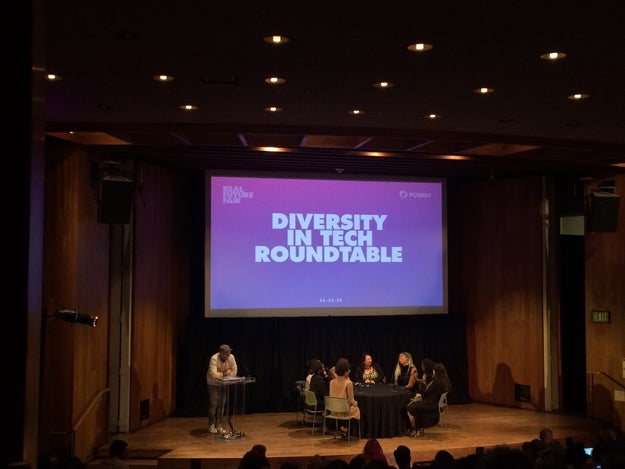
Since the election, much has been made of the way in which social media filter bubbles reinforce misinformation and ignorance between groups. Today at Fusion&;s Real Future Fair in Oakland, panelists discussed a different, but related phenomenon: self-segregation among the Silicon Valley tech workers who build and finance the platforms and products that shape our understanding of the world. According to the panelists, tech workers don’t typically socialize with diverse networks offline. But the panelists also acknowledged that diversity advocates can silo themselves off as well.

“A lot of the problem with social networks is that we still don’t have any diversity in coworkers [and] colleagues,” said panelist Candice Morgan, head of diversity at Pinterest. She recounted a recent experience picking up her speaker&039;s badge before getting on stage at another conference. The woman at the counter told her, “I&039;m sorry, she has to come pick up her badge herself,” assuming Morgan, who is black, was not the speaker.

Erica Joy Baker, an engineer at Slack, veteran of Google, and cofounder of the nonprofit Project Include, said that fear impedes a healthy dialogue at tech companies. “People get that frozen moment and they get really scared, of having conservations with people — especially with people of color or people who don’t look like them — in general about anything,” said Baker.

Baker said she wasn&039;t exactly sure how to get beyond that. “There’s going to be some level of really uncomfortable moments that need to be had” in order for people to “understand and look at us like human beings,” she explained. This emotional connection is “very important to building an inclusive workspace.”

Tiffany Price, a panelist from the Kapor Center for Social Impact, a tech-focused organization in Oakland, acknowledged that filter bubbles exist among diversity advocates as well. “We’re realizing that also in that space, we can also be siloed. How often are we opening up ourselves to the broader community of Oakland and the folks who don’t know about tech?”

Price referenced the fact that the panelists all knew one another. “We’re always in meetings together and that in and of itself is a silo.”

The panel included five women of color. Karla Monterroso of Code 2040, another member of the group, offered a couple of statistics to illustrate how these silos play out. According to Monterroso, 75% of all white people only know other white people, and 88% of jobs are gotten through friends and family. “Add the wealth gap and you’ve got the situation we&039;re in,” she said.

Code 2040 is a nonprofit that helps find opportunities for black and Latino engineers in tech. Earlier in the panel Monterroso talked about how tech companies that pride themselves on diversity react “when we walk in with 40 or 50 black and brown people.”

“You’d be amazed at the places we&039;ve gone — staring at the students at lunch, all sorts of security starts to come out to make sure that they go from the lunch area to the bathroom and no other place and just like the culture of that, the things that get said to them.”

The discussion about silos was kicked off by audience member Bianca St.Louis, a former safety specialist at Pinterest and intern at the venture capital firm Andreessen Horowitz. The panel was conducted as a round-table with two seats left open for anyone in the crowd who wanted to participate. “Most people in tech don’t really know [about the value of diversity] because I doubt they have very diverse networks on the weekend,” St. Louis said on stage. “Genuinely how many folks sit down, break bread with someone who doesn’t look like them?”

St.Louis asked the panel to talk about self-segregation in the tech industry in the light of the way social interaction impacts ideas. “We all know that knowledge networks are so important — who do you feel comfortable sharing your ideas with, who do you value as a voice.”

When St.Louis first joined them, Baker pointed out that everyone on stage already all knew her. “It’s because there are so few people of color in tech we all know each other and we all talk about everything. Everything,” said Baker.

Quelle: <a href="Tech Diversity Advocates: Self-Segregation Happens Offline, Too“>BuzzFeed

Google's New PhotoScan App Might Make Your #TBTs Better

Google's New PhotoScan App Might Make Your #TBTs Better

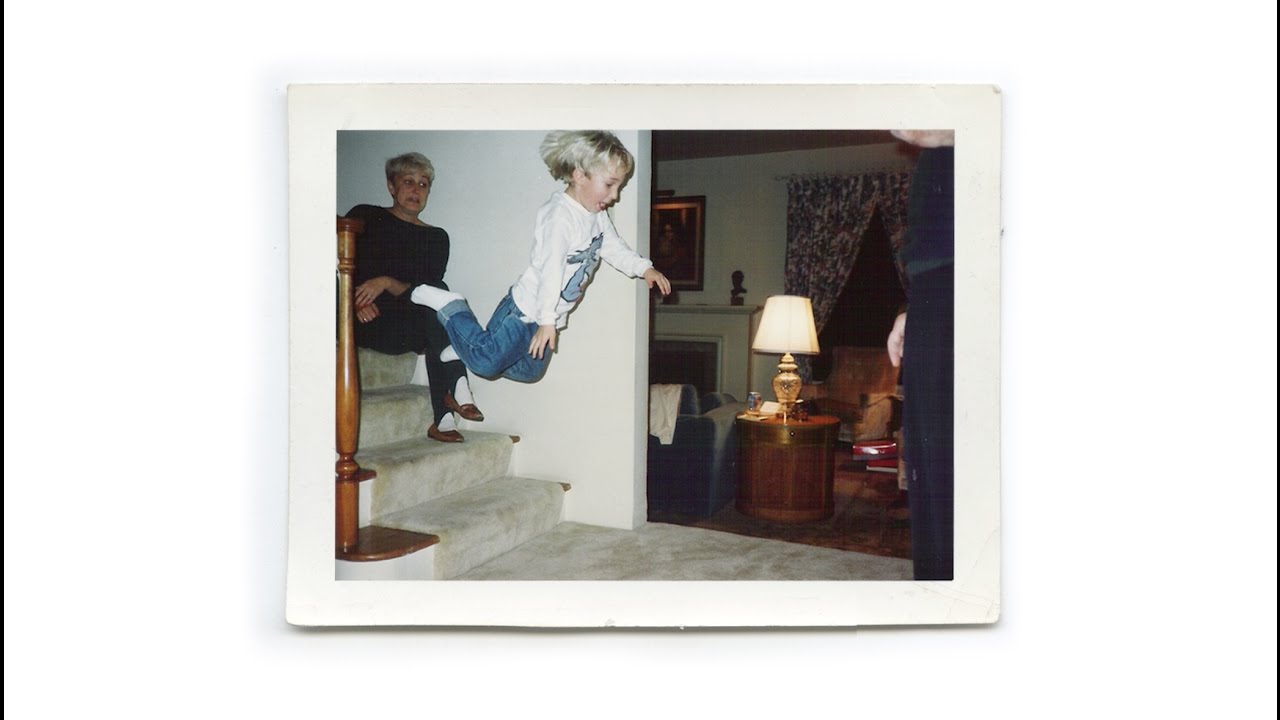
Today, Google is debuting a new app, PhotoScan, that aims to up your game.

youtube.com

The company is positioning the app as a lightweight way to preserve and digitally archive photos that doesn’t involve the frustration of a scanner. (Who owns a scanner anymore, anyway?) Now, when you try to capture a glossy, old-school photograph using your phone’s camera, PhotoScan will digitize it at a higher quality than what you’d normally get. You don’t have to have Google Photos, the company’s cloud storage app, to use PhotoScan, though PhotoScan does immediately integrate with Photos through instant saving and other features. The company hopes you’ll use the app to digitize those boxes of photos in your attic.

The app works by taking four snapshots of a printed photo and stitching them together to avoid glare and correct pixelation.

As David Lieb, product lead for Google Photos, told BuzzFeed News: “Humans get around glare by moving their heads. We realized our app should do the same thing.”

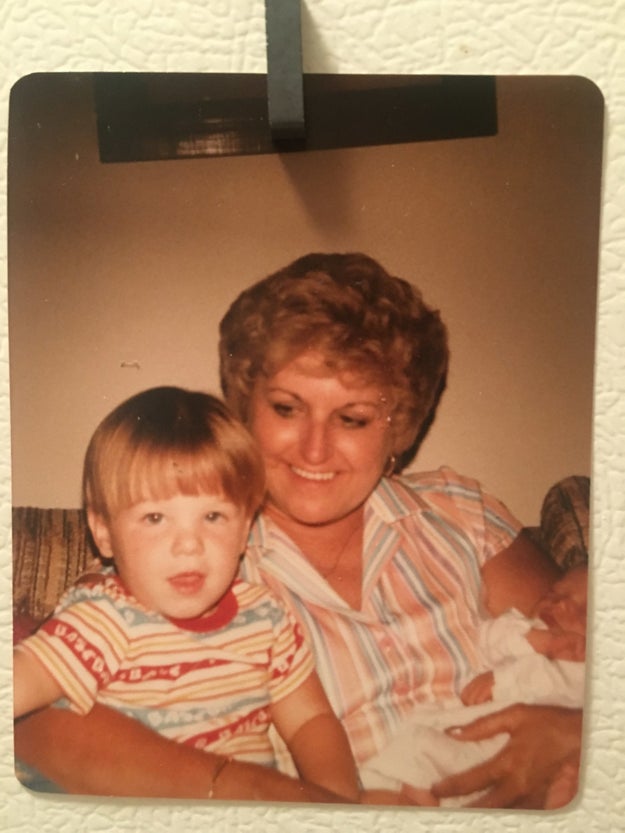
PhotoScan will even enhance decaying photos. Lieb said the team had tested the app on hundreds of photos of all different ages and types — including sun-damaged photos, daguerreotypes, and 1980s Polaroids — and PhotoScan could guess what colors and contrasts needed help. The app rolls out on the same day as a suite of 12 new editing tools for Google Photos.

Along with digitizing old photos, PhotoScan will organize the photos for you by face or by place, and Google claims that its facial-recognition software can even account for human aging. While demoing the app, PhotoScan product manager Julia Winn told BuzzFeed News that the app arranged all of the pictures she scanned of her father, from when he was a baby in a bathtub to his wedding, in the same folder.

We tried it out on a few old-school photos of our own. We had mixed results, tbh:

Here&;s a regular iPhone capture of a photograph from the 1980s:

Here&039;s how Google PhotoScan with flash made it look. That&039;s a lot of glare:

The Google PhotoScan without flash is better, but it doesn&039;t look that different from the iPhone one:

Here&039;s a photograph in a frame from late 2015.

First, a regular iPhone pic, which is the victim of glare:

The Google PhotoScan with flash looks nice, but it&039;s not much like the original photograph:

And without flash, Google PhotoScan made it look dark and blurry:

Here&039;s one more from the &039;80s.

A standard iPhone pic, captured indoors with daylight coming in through the window:

Google PhotoScan with flash made it a little brighter:

And here it is without flash. There&039;s not a whole lot of difference between flash and no-flash PhotoScan pictures in this case, but both seem a bit overexposed.

So it&039;s not perfect.

The app is new, after all, so maybe after some upgrades it will improve.

BuzzFeed News asked Google if it had any tips for getting the best-quality photo scans. It recommended turning the flash on (it&039;s on by default) and keeping the phone flat while aligning it with the four dots onscreen.

Quelle: <a href="Google&039;s New PhotoScan App Might Make Your TBTs Better“>BuzzFeed

Former Speechwriter For Schmidt, Zuckerberg And Musk Pledges To Fight Trumpism

As Silicon Valley grapples with its role in last week&;s election and how it plans to move forward, one of its most prominent communicators is working to temper the Nationalist movements that appear to be gathering momentum following Donald Trump&039;s presidential win.

Dex Torricke-Barton, who has served as a speechwriter for Alphabet executive chairman Eric Schmidt and Facebook CEO, Mark Zuckerberg, is leaving his current post working for Elon Musk at SpaceX to helm an effort intended to bridge what he sees as a disconnect between Silicon Valley and the rest of the country.

In the week since Trump&039;s election, Torricke-Barton has assembled a collection of employees at Silicon Valley companies charged with addressing what he describes as a “growing gulf in understanding, empathy and policy; between coastal elites and communities left behind by globalization, between those who seek greater diversity and those who are fearful of it, between the “winners” and “losers” in a changing world.” The grassroots project is yet-unnamed, but can be found at onwards.world.

“Tuesday&039;s election result is yet another huge setback.”

“Tuesday&039;s election result is yet another huge setback,” Torricke-Barton wrote in a blog post announcing his decision. “This has been an election marked by repeated attacks on immigrants, minorities, women, and many other communities. I have always believed in an America that is confident, outward-looking and works hard to drive the world to action on what matters most.”

Torricke-Barton&039;s move comes at an especially precarious time for Silicon Valley and some of its biggest companies. Facebook, Twitter, and Google all are struggling with perceptions of their roles in our current political and media ecosystems. Employees at Facebook and Twitter have publicly expressed concern about their platforms&039; responsibility to combat filter bubbles, fake news, harassment, and even their ability to generate large sums of money for candidates through fundraising ads. Meanwhile, its executives like Zuckerberg and Twitter CEO, Jack Dorsey have been reluctant to shoulder any blame. Torricke-Barton told BuzzFeed News he&039;s not interested in pointing fingers, but in finding results.

“Silicon Valley has always spoken about this vision of a world defined by openness, compassion and advancing the interests of humanity,” he said. “And right now all those things are at stake in the world. We have to decide whether we want to continue solving the same old problems in the same old way or whether we want to engage in more communities outside of our own.”

Torrick-Barton told BuzzFeed News he will soon travel to areas of the country like the rustbelt that depend on the technology built by Silicon Valley, but that are rarely thought of as core users. He plans to gather data through interviews and surveys to try and learn how everything from manufacturing automation to basic social media are shaping communities beyond the coastal bubbles.

“I think it&039;s easy to send your outrage over social media and wring your hands for a few days and then live life the way you did and hope others sort it out,” Torrick-Barton said. “I don&039;t condemn that at all. I know this is a luxury to go and try to make an impact. But if you think you can make the most impact by doing something big and taking a stand in a grassroots movement, then now is the moment.”

Quelle: <a href="Former Speechwriter For Schmidt, Zuckerberg And Musk Pledges To Fight Trumpism“>BuzzFeed

Twitter Rolls Out New And Long-Awaited Anti-Harassment Tools

Twitter

Today, after months of criticism from users, activist groups, and former employees, Twitter is rolling out new product and policy updates in an attempt to combat the harassment, hate speech, and trolling that has plagued the platform for a decade.

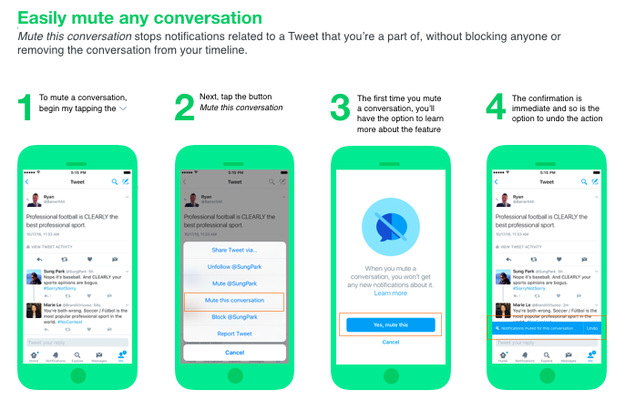
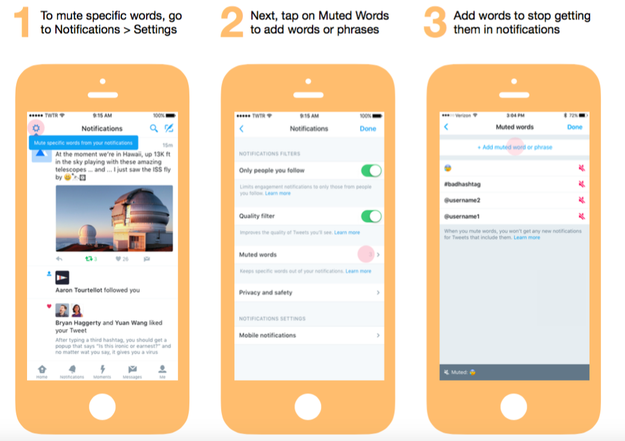
On the product end, Twitter has augmented its mute feature to allow users to filter specific phrases, keywords, and hashtags, similar to what&;s found on Instagram, which added a keyword filter this September. The feature was widely believed to be close to completion late last month after Twitter temporarily rolled out a test of the mute filter to select users.

But while the test resembled a standard keyword filter, Twitter’s new mute tool will go a step further, allowing users to mute entire conversation threads. This will allow users to stop receiving notifications from a specific Twitter thread without removing the thread from your timeline or blocking any users. And according to Twitter, you’ll only be able to mute conversations that relate to a tweet you’re included in (where your handle is mentioned).

Twitter

For now, the product update appears to be centered on the notification experience, which has been a minefield for victims of serial harassment on the platform. While a mute feature has long-been called for by those targeted by Twitter’s brutish underbelly, it&039;s also largely cosmetic — it hides abuse instead of fixing it. Although expanded mute tools will attempt to shield users from a deluge of unwanted interactions, the feature will do little to stop the underlying harassment itself.

As such, Twitter also announced it will add a new “hateful conduct” reporting option (when users report an “abusive or harmful” tweet they’ll now see an option for “directing hate against a race, religion, gender, or orientation”). Similarly, the company is adding new “extensive” internal training for its support teams that deal with hateful harassment. According to the company, its Safety team support staff will undergo “special sessions on cultural and historical contextualization of hateful conduct” as well as refresher programs that will track how hate speech and abuse evolve on the platform (a necessary step as many trolls have begun to create their own hateful code language with which to bypass traditional censors and filters) .

For victims of abuse, the new reporting flow will allow bystanders to report abuse on behalf of other users. More importantly, it will provide context — and perhaps urgency — to the safety personnel reviewing the abuse report.

For Twitter, these reporting changes come after a rash of criticism from many of its most devoted users who feel marginalized and by Twitter’s failure to respond to reports. Throughout its first decade, Twitter’s protocols for addressing abuse have been largely opaque and targets of harassment are frequently in the dark about whether their appeals for help were heard. In September a BuzzFeed News survey of over 2700 users found that 90% of respondents said that Twitter didn’t do anything when they reported abuse, despite allegedly violating Twitter’s rules, which prohibit tweets involving violent threats, harassment, and hateful conduct. As one victim of serial harassment told BuzzFeed News following the survey, “It only adds to the humiliation when you pour your heart out and you get an automated message saying, ‘We don’t consider this offensive enough.’”

BuzzFeed News

The company has also been criticized for being slow to respond to cases, unless they go viral or are flagged by celebrities, public figures, or journalists. In August the company told Kelly Ellis, a software engineer from California, that the 70 tweets calling her a “psychotic man hating ‘feminist.’” and wishing that she’d be raped did not violate company rules. They were were subsequently taken down shortly after a BuzzFeed News report.

And as recently as last week, the company was slow to block attempts by well known alt-right trolls to suppress minority voter turnout by photoshopping fake Clinton campaign ads that encouraged users to “vote from home.” In response, Twitter CEO, Jack Dorsey told BuzzFeed News that he was “not sure how this slipped past us, but now it’s fixed.” Four days later, BuzzFeed News found dozens of examples of similar Trump troll tweets across the site.

But the new tools for users to proactively shield themselves — coupled with a staff equipped to deal with the volume and complexity of indefatigable, constantly evolving trolls — may be a heartening sign that the company is at last serious about taking on the problems of abuse and harassment that have plagued its platform.

The new updates come at a critical time for Twitter; for months, the company has fought against stagnant growth, declining stock, and an exodus of leadership, including, just last week, COO Adam Bain. The company’s failure to curb abuse has turned the platform into a primary destination for trolls and hate groups — a reputation that reportedly drove away potential buyers, including Salesforce and Disney this summer. Throughout the 2016 presidential race, Twitter’s role as the social network of choice for the alt-right has left the platform increasingly toxic to women and minority groups. Last month the Anti-Defamation League released a report citing a “significant uptick” in anti-Semitic harassment toward journalists. The study showed roughly 2.6 million anti-Semitic tweets, creating more than 10 billion impressions across the web between August 2015 and July 2016; the words most frequently found in the bios of the users sending those tweets? “‘Trump,’ ‘nationalist,’ ‘conservative,’ ‘American,’ and ‘white.’”

Now, facing a deeply divisive presidency, Twitter’s safety team may face an unprecedented test and heavy scrutiny. Just days into Trump&039;s victory, alt-right trolls across the internet are gearing up for an ideological war, foughtwith false information and aggressive harassment on Twitter.

The question now is whether Twitter can still reverse the damage done by trolls to save the platform that was arguably the most significant and vital platform to news and of this recent election cycle. In a blog post on the new abuse changes, the company affirmed its “commit to rapidly improving Twitter based on everything we observe and learn,” a credo that, if it holds true, could begin to earn back trust. But perhaps just as illustrative is the caveat in the sentence before: “We don&039;t expect these announcements to suddenly remove abusive conduct from Twitter. No single action by us would do that.”

Quelle: <a href="Twitter Rolls Out New And Long-Awaited Anti-Harassment Tools“>BuzzFeed

These Tech Companies Cover Egg-Freezing And IVF

damircudic / Getty Images

When a doctor told an Apple employee and his wife that in vitro fertilization was their only shot at a second child, they worried whether the procedure would work. But they didn’t worry about paying for it out of pocket, as most people in the United States would.

Because of the husband’s health insurance, Apple covered their IVF costs. Their son was born last year. “It feels like the company cares about their people, that they realize this is something that can be financially hard and emotionally hard, and it offers you options,” said the 34-year-old woman, who requested to not be identified.

Two years ago, Apple and Facebook made headlines when they started to foot at least of part of the bill for services like IVF and egg-freezing in an effort to recruit and retain talented employees, particularly women. And overall, the tech industry pours more money into fertility benefits than any other industry, including finance, fashion, and pharmaceuticals, according to a poll released Tuesday by FertilityIQ, a startup that collects patient feedback about fertility clinics. Google, Intel, Spotify, Facebook, Microsoft, Amazon, and the e-commerce site Wayfair all also offer fertility benefits.

Based on a survey of about 1,000 users, FertilityIQ collected data about how much dozens of major companies are willing to spend on fertility benefits — information that most of the companies do not publicly advertise. Coverage varies: Google, for example, requires employees to go to certain clinics, while other companies lack such restrictions, according to FertilityIQ.

These services aren’t cheap. Egg-freezing costs about $10,000, storage is $500 to $1,000 a year, and one IVF round goes for around $15,000.

“We’ve heard for so long and for forever that it’s all out-of-pocket and that companies never pay for it,” Jake Anderson-Bialis, FertilityIQ’s cofounder, told BuzzFeed News in reference to fertility benefits. He added, “That’s what’s extraordinary about the tech companies, the extent to which they’ll totally cover you. It’s uncommon.”
Massonstock / Getty Images

Critics see egg-freezing subsidies as a ploy to chain female employees to their desks. “Rather than saying, ‘have your children in your own time and we’ll support you with well-paid parental leave and subsidised childcare, they’re saying, ‘work really hard through your most fertile years and then when you may not be able to have kids anymore, you can give it a shot with the eggs we froze for you as a perk,’” Harriet Minter wrote in The Guardian in October 2014, when news broke of Apple and Facebook’s subsidies.

But proponents say these benefits are a good thing. More women in the United States in general are having children later in life, partly because they’re busy with school or careers, or haven’t found their ideal partner.

“Anything that gives women, and ultimately women and their partners, more options and more choice is good,” said Valerie Baker, chief of the reproductive endocrinology and infertility division at Stanford University School of Medicine, where she’s seen an uptick in patients affiliated with tech companies like Apple, Google, Facebook, and Cisco. Many patients don’t put off starting families because they’re overworked, but more often because they aren’t in an ideal relationship. “Maybe they just separated from a relationship that was longer standing, maybe it’s that they just haven’t met a person that they want to be with long-term, or a relationship’s very new,” Baker said.

Paula Amato, an associate professor of obstetrics and gynecology at Oregon Health and Science University, said, “I don’t think providing this sort of coverage gives companies a pass so they don’t have to think about providing work-life balance for women. But I think the reality is, that doesn’t exist right now. Why deprive women of that option if it’s available?”

After a woman’s 20s, which are her best reproductive years, her fertility declines in her 30s. Most women are unable to have a successful pregnancy by their mid-40s. But egg-freezing does not guarantee a family later in life. While frozen eggs lead to live births after IVF nearly half the time, the odds of a live birth are higher for IVF using fresh eggs, according to a 2015 study.
Joe Raedle / Getty Images

And aside from working for companies that volunteer to pick up the tab, people who want fertility services have limited financial help. Although some insurers may cover egg-freezing for patients with diagnosed infertility, virtually none cover it for non-medical reasons. Wounded veterans can receive IVF coverage through the Department of Veterans Affairs, and 15 states mandate some form of infertility insurance coverage, but otherwise, few health plans cover IVF.

Nor does the Affordable Care Act mandate coverage for infertility treatment. That’s highly unlikely to change under President-elect Donald Trump, who has said he will repeal some or all of the law.

“I don’t think that coverage is going to come from the ACA,” said Judith Daar, interim dean of Whittier Law School and a clinical professor of medicine at UC Irvine. “Instead, we may be looking to this model this study talks about — the provision of care by private companies who view it as a way to compete in the marketplace for certain types of employees.”

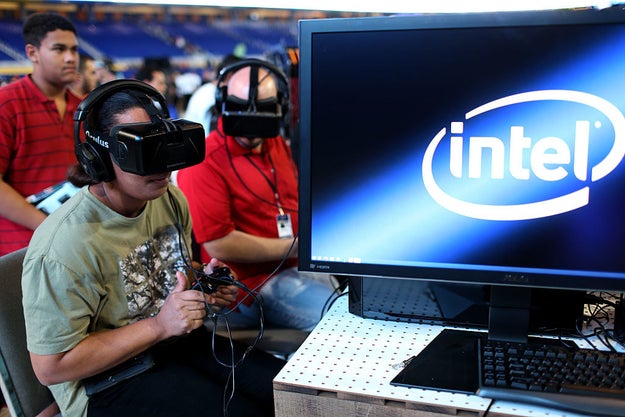
Intel, for example, started covering IVF, artificial insemination, and other treatments in 2007. In October 2015, it announced that it would increase coverage for fertility medical services (from $10,000 to $40,000) and medication expenses (from $5,000 to $20,000). The company also made coverage available to all employees, not just those with diagnosed infertility, and began covering the costs of freezing and storing eggs, embryos, sperm, and cord blood. On top of fertility benefits, Intel recently started reimbursing adoption costs (up to $15,000 per child) and offering eight weeks of paid “bonding” leave for new parents, both men and women, in addition to as many as 26 weeks of maternity leave.

“You also have to make sure you’re creating a really supportive work environment where everybody, especially working parents, can really thrive.”

“We talk about setting goals for retention and hiring and pay parity and promotion, and all those things are really important,” Danielle Brown, Intel’s chief diversity and inclusion officer and vice president of human resources, told BuzzFeed News. “But you also have to make sure you’re creating a really supportive work environment where everybody, especially working parents, can really thrive.”

In 2015 and so far in 2016, female employees stayed at Intel at higher rates than male employees, Brown noted. It is a reversal of a decade-long trend, she said, although it’s unclear whether the expanded fertility benefits were the direct cause.

FertilityIQ ranked Intel as one of the most generous tech companies, second only to Spotify, which offers unlimited dollars for fertility treatment. Apple covers $20,000 worth of fertility treatments. Wayfair covers up to $40,000, according to a spokesperson, who declined to comment further.

As far as restrictions go, Google limits the fertility clinics where employees can go, according to FertilityIQ. (Daar noted that this requirement may not be unusual if the companies also limit where employees can seek other kinds of medical care.) And while some companies open up their fertility benefits to all employees, others, like Bank of America, require that employees are diagnosed as infertile. That effectively cuts off coverage for women who want to become single mothers and same-sex couples, for example. A spokesperson confirmed the policy, and noted that the bank also reimburses employees up to $8,000 for adopting a child.

Of the tech companies named in this story and contacted by BuzzFeed News, Intel alone provided an executive to discuss its fertility benefits. Spotify, Facebook, and Amazon did not return requests for comment, and Google, Microsoft, and Wayfair declined to comment. Apple declined to comment beyond a statement from 2014 that said in part, “We continue to expand our benefits for women, with a new extended maternity leave policy, along with cryopreservation and egg storage as part of our extensive support for infertility treatments. … We want to empower women at Apple to do the best work of their lives as they care for loved ones and raise their families.”
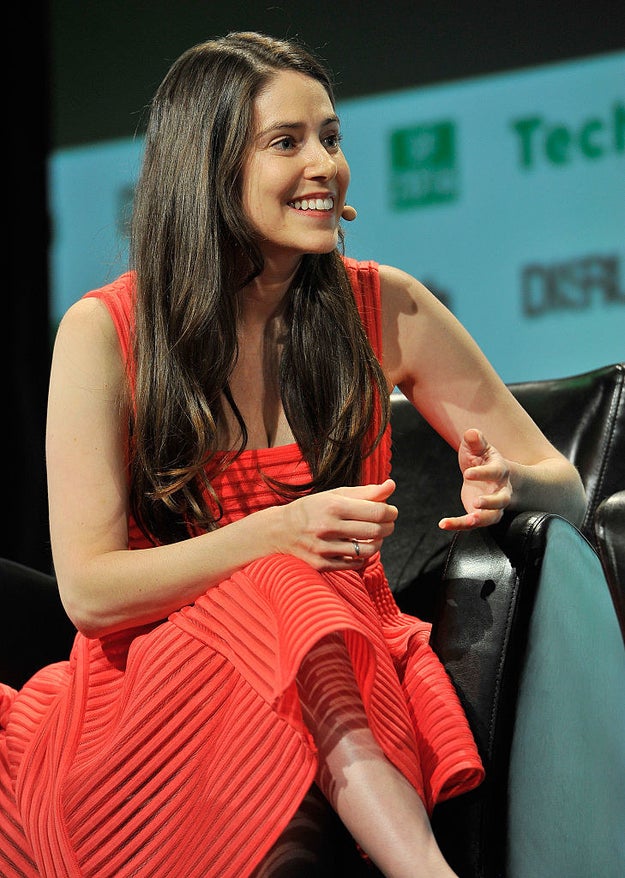
FertilityIQ cofounder Deborah Anderson-Bialis.

Steve Jennings / Getty Images for TechCrunch

Last year, Anderson-Bialis and his wife, Deborah, founded FertilityIQ after they struggled to navigate fertility doctors and clinics while conceiving their child. For this survey, FertilityIQ polled more than 5,000 users, then honed in on about 1,000, most of whom said their workplaces paid for their treatments in the previous 18 months. Then they asked those people, or their companies, to provide details about their coverage.

However, employers were not always willing to talk, so FertilityIQ was not able to confirm all coverage details with them. Sometimes, to figure out a company’s reimbursement policies, the team resorted to contacting the billing departments of clinics where employees sought care.

“You imagine anyone on this planet wants to be seen as female-friendly, family-embracing — all these things that companies bend over backwards to prove to themselves and others that they are,” said Anderson-Bialis, who says that workplace-covered fertility services saw an uptick beginning around 2013. “There’s probably no benefit that’s more emblematic of that kind of gesture, and yet so few are really comfortable talking about it to anyone outside their own employees.”

Privately, he said, they still have concerns such as: “‘If we widely advertise this to everybody, what does that invite? Does that invite people applying for jobs and getting jobs because they know this will be paid for?’ That can cost more than their salary. At a lot of places, it probably does.”

While it’s unclear what kinds of returns on investment companies are seeing, at least some women appreciate that their bosses are picking up the costs. In FertilityIQ’s survey, employees whose companies fully covered their fertility treatments said they were more grateful, more loyal, and inclined to stay longer at their workplaces than they would have been had they not had the option.

“Maybe you always thought you’d be married with kids by age 30 — but here you are, you’re 31 and single still and you love your job,” said the wife of the Apple employee who gave birth last year. “Now you have the option of, ‘maybe you can freeze your eggs and have a family in the future.’ What an awesome gift, in my opinion.”

Quelle: <a href="These Tech Companies Cover Egg-Freezing And IVF“>BuzzFeed
Lyft Kills The Pink Mustache And Launches National Ad Campaign Against Uber

Lyft

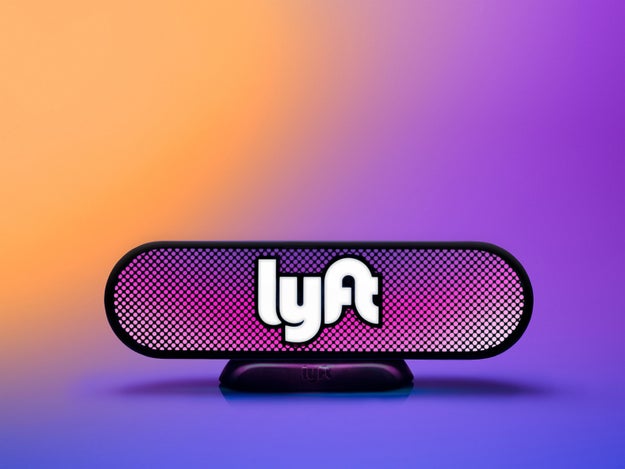
In its latest effort to gain more riders, Lyft, the number two ride-hail app behind Uber in the US, is replacing its signature hot-pink car mustache with a dashboard-mounted, cylinder-shaped device, called “Amp” that features colored LED lights to signal a car’s arrival. It will also begin running a national ad campaign against Uber.

Lyft, which once adorned the front bumpers of its vehicles with furry pink mustaches, abandoned them in favor of a illuminated LED “glowstache” last year. Now, in what executives call an effort to modernize the four year-old brand, Lyft will ship drivers a new device that it has spent more than a year developing. Lights on the Amp device will sync with its rider and driver apps. When a driver approaches the passenger, the passenger’s phone will light up in the same color as the driver’s LED light device, which will sit on the dashboard. The company would not say how much it cost to manufacture the devices, which it will provide free of charge to drivers.

Stephen Lam / Reuters

Lyft markets itself as a friendlier ridehail company and its signature pink mustaches were part of that branding. Lyft’s head of ride experience, Ethan Eyler, told BuzzFeed News that company executives began thinking about dumping the mustaches over a year ago. Eyler, who made mustaches for vehicles at his own company Carstache (which still exists) before joining Lyft, then began working on the glowing Amp device. The Amp also displays messages on its backside so passengers in the car can read a personalized “hello” greeting. Tali Rapaport, Lyft’s vice president of product, said Lyft could later program the device’s software with additional functionality, but would not say what those other functionalities might include, beyond other messages such as “Go Giants&;” if the San Francisco baseball team were scheduled to play a game, for example.

Since 2014, Lyft has made gains in 19 of the top 20 cities in which it competes with Uber, according to the research firm 7Park Data. Still, Lyft only has about 16% market share compared to Uber’s 84% as of August 2016, according to the firm, which also said “Uber’s US lead is simply too great to overcome and that Lyft has lost the US market.” Lyft was reportedly seeking a buyer this summer but didn’t receive any satisfying offers. John Zimmer, a Lyft cofounder, denied that the company was for sale at a Wall Street Journal conference in October.

Lyft’s investment into the new connected device is intended to make pickups just a few seconds faster, Rapaport said, if people can recognize their vehicles based on the color of the device that glows on the dashboard.

“Every second is a win. It’s a win for the driver because they’re able to make money faster. It’s a win for the passenger because it saves a second off their timing getting to their destination,” Rapaport said. “And we know that across the street at night, or in a crowded area, there’s a lot of, in the industry today, room for improvement in terms of passengers actually finding their cars.”

In the long-run, color-coding cars could help passengers figure out which self-driving Lyft car to enter after drivers are out of the picture – but that time is still years away.

Lyft is rolling out an ad campaign alongside its brand refresh. Airing nationally through the end of 2016, it targets 18-35-year-old demographic. Each ad depicts a group of men gathered around a conference table watching Lyft drivers and riders on a projector screen. The room is black, gray and white, and features a white logo that says “RIDE CORP” in font that recalls Uber’s brand. In the ad spots, the men plot ways to outdo Lyft. Lyft also pokes at the Uber-like company for not allowing riders to tip passengers in the app.

Oddly, though, the ads point out that Lyft conducts background checks of drivers via a third party, as if to draw a contrast with the other company in the ad. Uber, however, also conducts background checks using a third party company, and neither ride-hail company fingerprints its drivers.

Lyft said the ads will be aired nationally on television and shared online, and are intended to draw more riders into trying the app. What’s unclear, though, is whether people who aren’t already familiar with ridehail will understand the commercials at all, given that they compare Lyft to another ridehail company but don’t actually explain the concept of calling for a ride using an app on your phone. A Pew Research Center survey conducted in late 2015 found that only 15% of Americans have used ridehailing apps.

Quelle: <a href="Lyft Kills The Pink Mustache And Launches National Ad Campaign Against Uber“>BuzzFeed