Facebook Wants You To Keep In Touch By Playing Pac-Man

Facebook’s newest Messenger upgrade will let you challenge friends, family, and that crush from summer camp to matches of Pac-Man, Galaga, Words With Friends, and a bunch of other games.

When you download the latest update for Messenger, you&;ll see a game controller icon in the same area as the GIF and sticker selector.

Blake Montgomery

Tap that icon, and you&039;re presented with a list of games that includes classic 8-bit titles, recognizable mobile games, and unique exclusives for Messenger.

You play the games together but not at the same time. They aren&039;t turn-based, though. The competition is more about comparing scores than simultaneous play.

The message thread shows what game you&039;ve played, who else in the thread has played, and you and your opponents&039; scores. You can play in a message thread with more than one person.

After each round, you can also swipe right for an already-taken screenshot of your score, mark it up with a sliding color finger brush, and send it to the people in the message thread.

Facebook

You don&039;t have to open a separate app to play. The games are webpages that open within Messenger.

Facebook first got the idea for the feature when it debuted a single game during March Madness 2016 called “Basketball.”

You can still play it by sending a basketball emoji and double tapping it.

Blake Montgomery

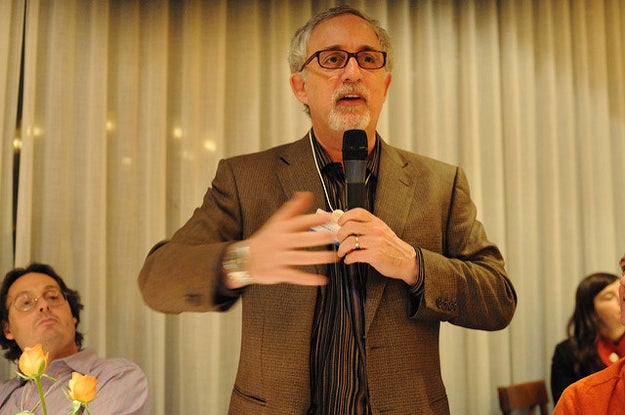
Andrea Vaccari, a Messenger product manager, said that at the time Basketball launched, his team wasn&039;t considering the idea of building more games in the app. They were more interested in engaging basketball fans.

Then, he said, people played the game a billion times.

“The success caught us by surprise,” he told BuzzFeed News, “Then we started to think about games as a way to keep in touch. With games, you may not have something to say, as with a photo or a message, but you can play together.”

Vaccari said he hopes the feature will make gaming less isolating: “Most consoles and other mobile games build games and sprinkle social on top. We built a game on top of social.”

The games are built with the mobile experience in mind, but they&039;re also available on the desktop version, messenger.com. They&039;ll open in a vertical window like they would on a phone.

Sound too familiar? Don&039;t worry. Your mom won&039;t be able to start a FarmVille game with you on Messenger.

The classic Facebook desktop game, which accrued millions of users and hundreds of millions of notifications to people who may not have wanted them, won&039;t be part of the Messenger gaming platform.

“We learned our lesson,” Vaccari said.

You can only challenge people within message threads, and Messenger only displays messages from friends — unless you accept strangers&039; requests. You can also abandon or mute message threads you want to avoid. That means no mass requests like when FarmVille was at the height of its popularity.

Quelle: <a href="Facebook Wants You To Keep In Touch By Playing Pac-Man“>BuzzFeed

Snapchat's Spectacles Are Overhyped – But Amazing

I waited for five hours to buy Snapchat&;s $129 camera glasses. I don&8217;t regret it.

If you’ve ever shared a self-destructing photo or video, you probably did so on Snapchat. Two months ago, the company re-branded itself as Snap Inc., “a camera company” (though the app is still called Snapchat).

But what’s a camera company without a camera? Enter Spectacles.

Snap&;s new camera/sunglasses hybrid is like a GoPro for hipsters, or maybe like a cuter and less conspicuous Google Glass. While wearing them, you can take photos that automatically upload to your phone, ready for you to add to your Snapchat story. They cost $129 and come in three colors (black, teal and coral), all in a rounded, slightly cat-eye shape.

And their hype is real, thanks in no small part to a genius rollout that&039;s led to artificially scarce supply, super-long lines, and a media story in and of itself. Unless you live in New York City or LA, Spectacles are only available via so-called Snapbots — a cyclops/vending machine hybrid that&039;s trackable on this map and that has been popping up in places like Big Sur, the Grand Canyon, and Tulsa, Oklahoma (but curiously enough, not bigger cities like Chicago or Philadelphia). Some pairs are already going for two or three times retail price on eBay, and Lumoid is charging $20 to rent a pair for a day.

Xavier Harding / BuzzFeed News


View Entire List ›

Quelle: <a href="Snapchat&039;s Spectacles Are Overhyped – But Amazing“>BuzzFeed

Facebook's Plan B To Bring Millions Of Indians Online Just Went Live

Getty Images

The last time Facebook tried to bring free internet access to millions of unconnected people in India, it didn’t go so well. Now, the world’s largest social network is back for round two. Its brand new program to bring internet access to rural India called Express WiFI is now live after months of testing in remote parts of the country, according to the program’s website.

“We are working with carriers, internet service providers, and local entrepreneurs to help expand connectivity to underserved locations around the world,” says the website.

Unlike its controversial Free Basics program where Facebook tied up with cellphone carriers and allowed people to access a limited selection of websites and services for free, Express WiFi lets users access the entire internet for a small fee — alleviating any potential net neutrality concerns. Users can buy affordable data packs in the form of digital vouchers to access internet on the Express WiFi network.

Facebook declined to say how much internet access under the program would cost, but notes on its website that its “working with local internet providers or mobile operators” who are able to use “software provided by Facebook to connect their communities.”

“We are currently working with ISP and operator partners to test Express WiFi with public deployments in multiple pilot sites,” said a Facebook spokesperson. “This solution empowers ISPs, operators, and local entrepreneur retailers to offer quality internet access to their village, town or region.”

According to previous reports, at least one of the ISPs that Facebook may have partnered with for the Express WiFi program is India’s state-owned RailTel, which provides internet access through fiber that runs alongside the country’s dense network of railway tracks. Earlier this year, Google partnered with RailTel to bring free WiFi to over 50 railway stations in India.

Facebook did not respond to BuzzFeed News&; questions about the program, including exactly which parts of the country is it available in and what the timeframe is for a nationwide rollout. However, Facebook does note on the program&039;s website that Express WiFi will be available in more countries soon.

With millions of people still unconnected to the internet and smartphone penetration in the low hundreds of the millions, internet companies like Facebook and Google see India as their next battleground for growth.

Google’s Project Loon, which uses giant solar-powered balloons floating in space to beam down internet to places where getting online is nearly impossible, has been stuck in with Indian regulators for months. The company recently announced Google Station, a new initiative to let cafes, malls, and small businesses set up public WiFi easily. Facebook’s Free Basics program was shut down by Indian regulators in February on the grounds that it violated net neutrality.

Quelle: <a href="Facebook&039;s Plan B To Bring Millions Of Indians Online Just Went Live“>BuzzFeed

Zenefits Agrees To $7 Million Settlement With California Regulators

Zenefits CEO David Sacks.

Steve Jennings / Getty Images

Zenefits has agreed to pay a $7 million fine in a settlement with California regulators, a major milestone that will let the human resources startup continue operating in its home state, according to a person briefed on the deal.

The $7 million penalty, relating to the insurance licensing scandal that rocked the company earlier this year, is among the largest such penalties ever assessed against a company by the California insurance department. It also dwarfs the size of the fines levied against Zenefits by other states — including Washington, Arizona, Minnesota, New Jersey, and Tennessee.

More importantly for the San Francisco-based Zenefits, which ousted its founding CEO in February and has shed hundreds of staff, the deal will give the startup a second chance to play by the rules as an insurance broker in its biggest market.

Capping a fall that stunned Silicon Valley, Zenefits acknowledged this year that its founding CEO, Parker Conrad, created and shared with his employees a piece of software to cheat on California insurance broker licensing requirements. Any employee who used this program to bypass the legally required 52 hours of online training would then be directed to certify under penalty of perjury that they had actually completed the work.

In addition, Zenefits apparently flouted insurance laws by allowing unlicensed brokers to sell health insurance in multiple states. That revelation, first reported by BuzzFeed News a year ago, touched off an internal inquiry at Zenefits that uncovered the cheating program created by Conrad.

The California settlement caps a months-long effort by the new CEO, David Sacks, to atone for past missteps. Of the $7 million penalty, $4 million is for subverting licensing education and study hour requirements, while $3 million is for transacting insurance without licenses, the person briefed on the deal said. Half of the total amount will be waived after two years if Zenefits passes a market conduct examination, this person added.

Zenefits will also pay a $160,000 fee to reimburse the California insurance department for the cost of the investigation, as well as the market conduct examination, the person said.

The company&;s violations in California — where many sales reps got their initial insurance broker licenses — had a ripple effect throughout other states where it did business.

While insurance brokers have to get licensed in each state where they sell insurance, they typically take a broker test only in their home state; with that credential in hand, getting additional licenses in other states is just a matter of filling out forms online. Cheating on the California test, then, means that any other state licenses acquired afterward are based on a rotten foundation.

Regulators in other states have been keeping a close eye on the inquiry in California. Its settlement will likely be seen as a vote of confidence by California regulators, which could help Zenefits resolve other inquiries around the country.

Zenefits did not immediately provide a comment.

Quelle: <a href="Zenefits Agrees To Million Settlement With California Regulators“>BuzzFeed

Stanford, The White House, And Tech Bigwigs Will Host A Summit On Poverty

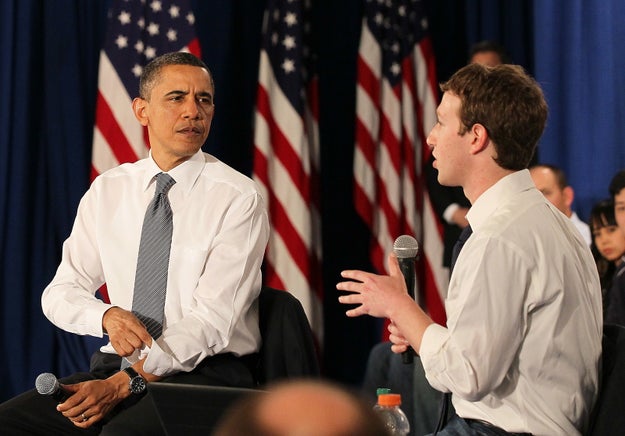
President Obama and Mark Zuckerberg in 2011

Justin Sullivan / Getty Images

Tomorrow, the White House will partner with Stanford University and the Chan Zuckerberg Initiative — a limited liability corporation launched by the CEO of Facebook and his wife — to co-host the Summit on Poverty and Opportunity, a two-day, invite-only event held on the school&;s campus. It will focus on using technology and innovation to address issues like poverty, inequality, and economic immobility. The event will include an interactive demo by Palantir, the secretive Peter Thiel-backed analytics company, on how a real-time data platform can reduce incarceration, hospital use, and homelessness, as well as a lunchtime conversation on universal basic income with Facebook cofounder Chris Hughes and Y Combinator&039;s Sam Altman, who first got involved with basic income earlier this year.

The event was organized by representatives from each of the hosts, including Jim Shelton, president of education at the Chan Zuckerberg Initiative (and former deputy secretary of education under President Obama) as well as Elizabeth Mason, founding director of the new Stanford Poverty & Technology Lab, part of Stanford&039;s Center for Poverty & Inequality.

Mason told BuzzFeed News that the summit was “sort of a coming-out party for the Lab.” The goal of the event was to “bring together 275 high-level players in technology, philanthropy, community service, government, and academia to discuss how we can use technology and Big Data” to address these issues, she said by email. The Lab will develop “a new field” of study “that applies the premises and tools of technology to the policies and processes of fighting poverty.” The Lab will also “incubate ventures with practical solutions on high-tech poverty fixes.”

Silicon Valley&039;s role in any potential fixes is nascent. In May, Altman announced plans for a pilot study on basic income in Oakland, however, in earlier interviews with BuzzFeed News, Altman stressed that it was just a “research project” and meant in that spirit. The summit will also host a session on using technology to facilitate financial access featuring the CEO of Kiva and the director of public policy for Lending Club, the troubled peer-to-peer financing company.

The list of attendees and speakers also includes ex-Microsoft CEO Steve Ballmer, White House CTO Megan Smith (formerly a top executive at Google), Martin Ford, author of two books on automation, including Rise of the Robots, Marian Edelman, founder of the Children&039;s Defense Fund, Nobel Prize–winning economist Ken Arrow, and Bryan Desloge, president of the National Association of Counties, who backed Donald Trump in the presidential election and has participated in a previous White House summit on poverty.

The summit will also feature a roundtable discussion with Stanford professor Raj Chetty, a popular economist and MacArthur fellow, who researches economic immobility and will discuss plans to build a new database infrastructure that could steer and organize national research on poverty. An additional workshop will be held by Alexandra Bernadotte, founder of Beyond 12, a nonprofit dedicated to increasing the number of first generation, low-income, and other underrepresented students who graduate from college.

This event comes at a time when tech moguls like Mark Zuckerberg, and Sean Parker have been subject to increased scrutiny for their free-market approach to doing good, which eschews nonprofit foundations for traditional investment vehicles labeled as philanthropy. This structure allows wealthy donors control over the causes and initiatives that get funding, but without the oversight or accountability required of a nonprofit. Taken in that context, this summit is one example of Silicon Valley’s growing influence on philanthropy and ability to influence which ideas get heard.

Quelle: <a href="Stanford, The White House, And Tech Bigwigs Will Host A Summit On Poverty“>BuzzFeed

Tech Moguls Found A Winner With Free Market Philanthropy

Tech Moguls Found A Winner With Free Market Philanthropy

Via oprah.com

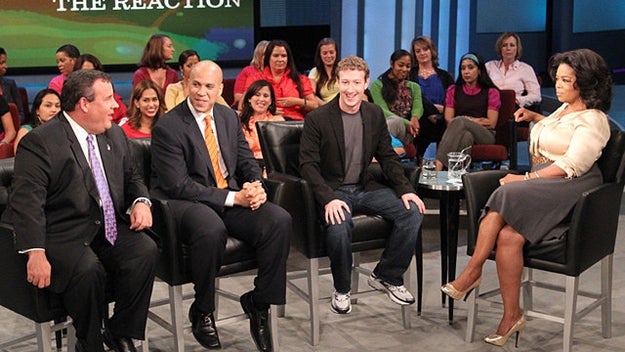
When Mark Zuckerberg appeared on Oprah next to Cory Booker to announce his first major philanthropic donation — a $100 million contribution to Newark public schools made in September, 2010 — he was the awkward 26-year-old CEO of a startup with a dubious valuation, whose TV appearance was being stage-managed by grown-ups back in Menlo Park. The Social Network wouldn’t hit theaters for another week. Getting spammed with Farmville requests was still a thing. And Facebook had just crossed the 500 million user mark. Zuckerberg hoped to transform Newark’s failing school system and then apply that model in other cities, but the local foundation set up by Booker couldn’t even get around laws tying a teacher&;s salary to seniority. Fast forward to 2016: In August, Facebook knocked off Exxon to become one of the five largest corporations in the world with 1.8 billion monthly active users. Internal decisions at Facebook can now sway presidential elections. In the intervening years, Zuckerberg’s private philanthropic efforts have also matured in size, scope, and sophistication.

This May, when Zuckerberg and his wife, pediatrician Priscilla Chan, announced a $3 billion pledge to improving public health, Chan said the goal was to “cure, prevent or manage all disease within our children’s lifetime.” The allocation was part of a promise the couple made after their daughter was born to give away 99 percent of their Facebook stock through the Chan Zuckerberg Initiative, a limited liability corporation that gives up the tax breaks of a nonprofit in favor of less oversight and more flexibility.

Zuckerberg isn’t the only Facebook co-founder to think about giving in such heady, but tightly controlled terms. Facebook cofounder Sean Parker donated $600 million to launch a cancer immunotherapy institute this May as part of The Parker Foundation, also an LLC. To prepare, Parker and his team studied large-scale historical efforts like Andrew Carnegie’s library legacy, the Howard Hughes Medical Institute, and the Manhattan Project, Michael Polansky, CEO of the Parker Group, the umbrella organization for Parker’s charitable and business initiatives, told BuzzFeed News.

“The library thing is fascinating, right?” said Polansky. “When one individual decides [something is] of national importance, how can they get that done to emerge at scale?”

Even as the mechanisms for giving look increasingly like any other investment vehicle, these nouveau Rockefellers want the public to trust that their motives are pure.
Carnegie, Hughes, et al had first dibs on applying business knowhow to philanthropy. This iteration of individualism, however, has a uniquely Silicon Valley twist. Moguls like Zuckerberg and Parker have been grabbing headlines for approaching giving with the problem-solving heuristics of a hacker, the cunning capitalism of a startup founder, the technological solutionism of a computer geek, and the checkbook of an iconoclast billionaire. But this approach has also ended up replicating other tech industry patterns as well, compounding disparity in access to funding, dictating which ideas get attention, consolidating power in the hands of a few billionaires, and hyping radical transparency while ensuring their own secrecy. Even as the mechanisms for giving look increasingly like any other investment vehicle, these nouveau Rockefellers want the public to trust that their motives are pure.

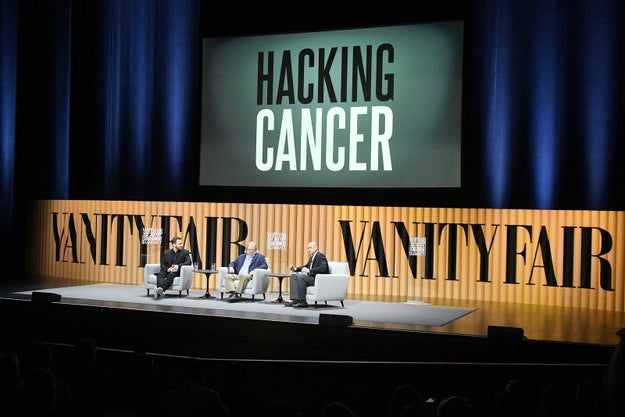
Sean Parker (left) and James Allison (middle), chair of the department of immunology at the University of Texas MD Anderson Cancer Center, speak onstage during &039;Hacking Cancer&039; at the Vanity Fair New Establishment Summit

Mike Windle / Getty Images

In a call to arms last year, Parker urged his fellow “hacker elite” to apply their unique skills to find “elegant technological and social solutions” to transform the world of giving. “It’s not like we came in and saved the day,” with cancer immunotherapy, said Polansky. Parker was, however, able to “organize things and accelerate it dramatically.” According to Polansky, intellectual property snares, organizational design, and other issues were preventing key scientists from working together. And in Polansky’s telling, eliminating roadblocks in immunotherapy is not that different from building a streaming music service, an idea Parker had been obsessed with before he co-founded Napster. “He learned a lot through that process about what it takes to really solve large scale problems,” Polansky said.

Another carry over from the startup world is a distrust of older institutions, which influenced the way Parker structured his initiatives. For example, LLCs have been criticized because donors don’t have to report information like grants or salaries. But Polansky said that charity watchdogs, who monitor those reports, have played a role in lowering nonprofit salaries, which deters talented people from working on important problems. LLCs have also come under fire because, unlike nonprofits, LLCs aren’t restricted from political advocacy work. But Polansky argued that startup CEOs have to think holistically. “It would be absurd to say, I’m not going to pay any attention to the government.”

Rob Reich, a political science professor and co-director of Stanford’s Center on Philanthropy and Civil Society, said the lack of rules means that LLCs can even engage in “outright electioneering.” Donors are denied a tax advantage with an LLC, but they’re free to choose different avenues for social change like investing in for profit startups.

If tech titans have faith in themselves over the old way of doing things, it makes sense that they&039;ve set up their philanthropic efforts like their corporations to give themselves more control.

Emmett Carson is the CEO of Silicon Valley Community Foundation, where Zuckerberg donated roughly $1 billion in Facebook stock from 2012 to 2013 through donor-advised funds (DAFs), the fastest-growing type of charitable vehicle because they allow donors to receive an immediate tax write-off, but allocate money whenever they want. Carson says this generation of tech donors acts more like an operator than a patron. They’ll say, “I’m going to send emails, I’m going to send text messages, I’m going to be reading literature. And if you’re nimble and flexible I’ll make some really big investments in you, if we can learn together.”

“It is hard for me to overstate how much of their own reading they will do,” Carson stressed. “These donors are just amazing at how much they’ve read and absorbed …They immerse themselves in it, it becomes a science project that they figure out and analyze creative solutions.”

Carson could have been cribbing from Parker’s “hacker philanthropist” credo, which works just as well as a guide to flattering this cohort as a plea for techies to take up the cause. Reich said there’s nothing new about playing to a philanthropist’s ego. “You’re the smartest, best looking, and wittiest person around. That’s been true for 100 years”

In Silicon Valley, catering to the tech set has had an effect on charitable giving overall. Last month, a new study from the consulting group Open Impact teased out the emerging “giving code” that motivates wealthy young tech donors, who seek a more high-impact, transactional mode of giving, insisting on deeper personal involvement, with a fixation on getting to the root cause of things, sometimes without talking to community organizations closest to the roots.

Their ranks are growing. The report says that between 2008 and 2013, individual giving in Silicon Valley jumped 150 percent to $4.8 billion. The number of private foundations here grew 47 percent between 2005 and 2015, more than double the national growth rate. Silicon Valley Community Foundation, where Zuckerberg donated roughly $1 billion through DAFs, is now a significant holder of DAFs in the region with $7.3 billion in assets under management.

The Giving Code also found a more troubling pattern. Despite the philanthropic renaissance, nonprofits in high demand were struggling to get funding. “[E]ven as Silicon Valley’s millionaires multiply, and its philanthropy rises, many of its 2.6 million residents are being plunged into financial distress,” the report noted.

Wealthy individuals often assume that philanthropic donations should be received in gratitude, Reich explained, because it’s better for the public than purchasing another house or another boat. “That’s just false to me,” he said. “It’s an exercise of power aimed at the public and in a democratic society, power deserves attention and scrutiny, not gratitude.” (Jeff Bezos also argued in favor of scrutiny after Donald Trump objected to critical coverage in The Washington Post.)

The public is subsidizing massive tax advantages, “so attending to what happens there is in the public interest,” Reich explained. “In the same sense that people talk about Bill Gates as the ‘unelected superintendent of schools,’ there’s no one to un-elect.”

Priscilla Chan announces the Chan Zuckerberg Initiative to “cure, prevent or manage all disease” by the end of the century during a news conference at UCSF Mission Bay in San Francisco

Beck Diefenbach / Reuters

The concern isn’t just the efficacy of their efforts, but influencing broader trends in philanthropy. Kentaro Toyama is the author of Geek Heresy: Rescuing Social Change from the Cult of Technology, which he wrote after launching some of Microsoft’s efforts to improve education and reduce poverty in India. Toyama’s worry is that their focus on shiny new solutions will distract from the more foundational work that needs to be done, which can be “mundane, unsexy, ho-hum, but in some ways those efforts are most impactful.”

It may even be subconscious, but there’s a competitive aspect to charity here, said one nonprofit founder who raised money from tech investors, but spoke anonymously so as not to jeopardize funding. “They want to have a cause that they’re pioneering that they can be really proud of because it translates from their work life — using technology and innovation to solve problems in a new way. So that when they’re talking to their friends at the dinner table, they can say, ‘Mine has 10x the impact yours has.’ It’s like baseball cards.”

“They are really interested in what is new and hot innovative that they can get behind and unfortunately a lot of the most serious problems in the world are not new problems.”

“Regardless of whether or not you’re literally curing cancer,” the nonprofit founder continued, “they are really interested in what is new and hot innovative that they can get behind and unfortunately a lot of the most serious problems in the world are not new problems. A lot of them have solutions that we know work.” The problem remain intractable because of process, ability to scale, or getting that service to the people that need it.

In the traditional model, philanthropists state their areas of interest and grantees apply for smaller funds. Not so with this new Silicon Valley crowd. “It’s as if the organization was a subcontractor for the vision of the foundation itself,” said Reich. “It’s a model which assumes the superior wisdom of the people in the foundation — the type of hubris and boosterism engendered in [their businesses] transfers easily. As is usually the case, humility is a virtue often forgotten in these parts of our world.”

“There’s no doubt that Silicon Valley is successful by some metric, and there’s nothing that’s more attractive than success. It draws politicians and people who are seriously interested in impacting the world. I don’t think there’s really much logic beyond that,” Toyama said. “If you’re an amazing a concert violinist, there’s no reason why that expertise should be applied to addressing world hunger.”

But that success rate can’t be discounted. Carson said that tech donors and their fixation on data has already spread the emphasis on better tracking mechanisms.“Those are all good questions that nonprofits should be increasingly prepared to answer,” Carson said.

Toyama cautioned, however, that even that bent towards data deserves a closer look. “Their natural curiosity is with the science and technology and not with the messy issue of these pesky human beings that seem to be getting in the way of what they want to accomplish. Lower case ‘p’ politics and social science is actually the far harder part,” he argued. “If they’re willing to learn about that that would cause a different kind of shift in philanthropy.”

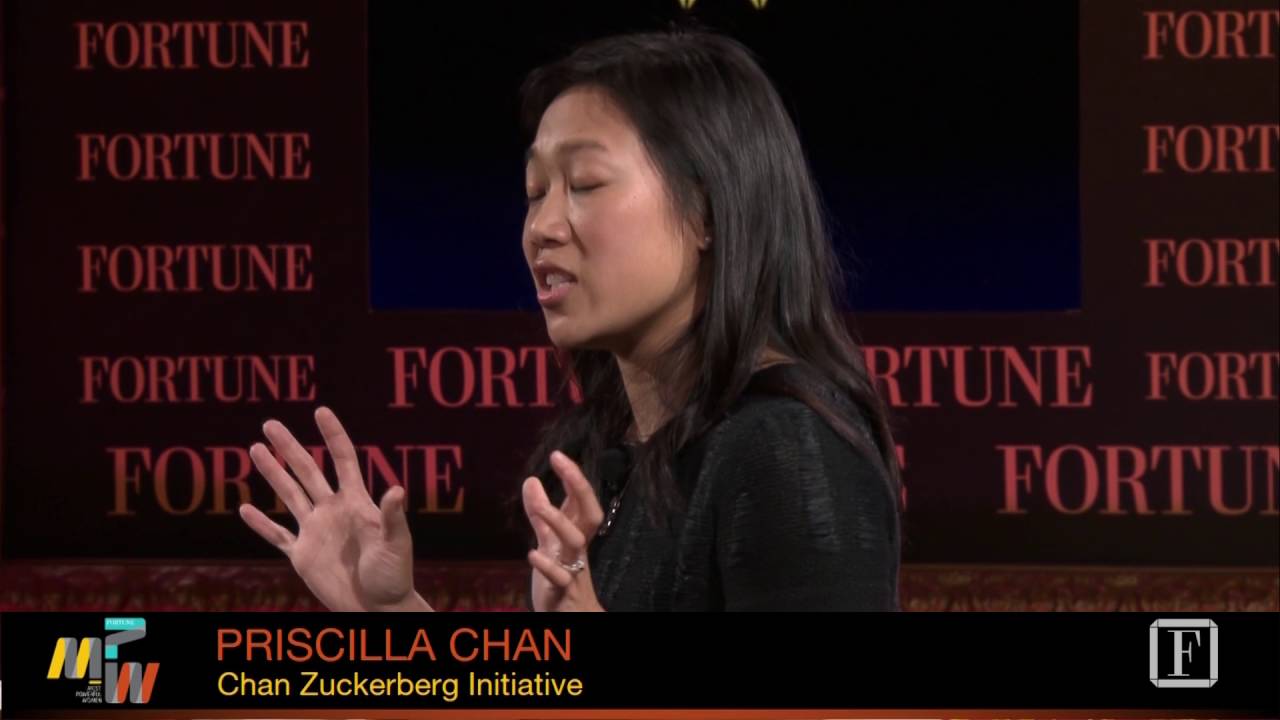
Last month, Priscilla Chan referred to that kind of shift during a Q&A with Sheryl Sandberg on stage at Fortune’s Most Powerful Women conference. Chan talked about how she and Zuckerberg worked together on The Primary School, their education initiative in East Palo Alto. Chan said that Zuckerberg helps keep her “laser-focused” on their mission. “And for me, I force him to learn more about what’s the context,” she said. “What are we trying to do? Who are the people involved? What the cultures that we’re trying to work with and how can we learn more from the people already doing the work?”

Quelle: <a href="Tech Moguls Found A Winner With Free Market Philanthropy“>BuzzFeed

This Startup Is Trying To Help Its Workers While Fighting Regulators

Josephine.com

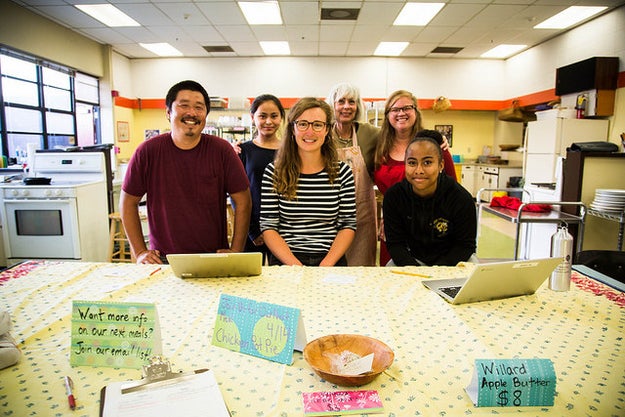
Every other week, dozens of Bay Area families sit down to dinner that is prepared, packaged and partially grown by seventh and eighth graders at Willard Middle School in Berkeley and ordered through the website Josephine.com. The younger students are in charge of the cooking, and the older students are in charge of the business end. The profits are reinvested in the school’s gardening and cooking program, which lost its federal funding in 2014. So far, they’ve raised over $100,000.

This is more than your average potluck fundraiser, though. Josephine is a venture-backed startup that has raised over $3 million from investors including Kapor Capital and SV Angel. It’s a member of the white-hot dinner-on-demand sector: The company wasn’t started to host middle school fundraisers, but to sell home-cooked meals to busy Bay Area families (it intends to expand to Portland and Seattle soon). But at the moment, home-economics-on-Silicon-Valley-steroids is one of the only ways Josephine can legally operate. Like so many on-demand startups, it’s facing regulations it must change or eliminate if it hopes to survive.

Members of Willard Middle Schools “Growing Leaders” program.

Eugene Chen / Flickr

Josephine was intended to be different from other gig economy companies, by partnering with individual, mostly home, cooks — not restaurants — and sharing the value of the company with its them equitably. But it’s hard enough to operate a successful startup if the regulators are against you; it’s even harder if you’re trying to be a nice guy in the process. Many who enjoy the convenience, flexibility and opportunity on-demand economy platforms offer wish those companies would operate in a more compassionate and equitable way. Whether or not that hope can be a reality could hang on the success or failure of Josephine.

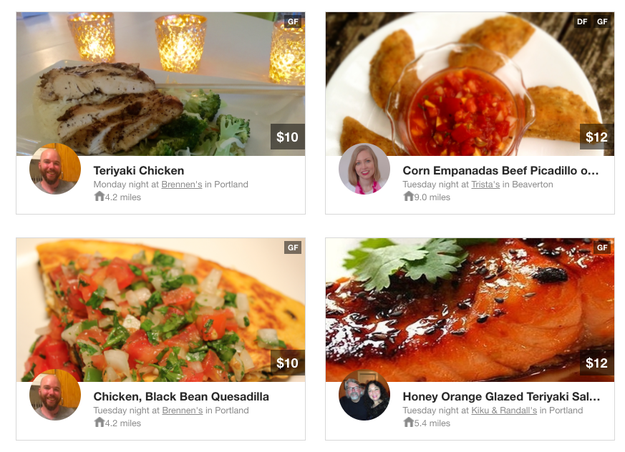
Josephine works a lot like a lot of other delivery startups: Rather than picking up takeout or going out, Josephine customers can order dishes like Hadell&;s Al Kabsa for $13, or Lisa&039;s “Favorite Dishes of The Americas” for $8. Hadell and Lisa are home cooks who use Josephine to make a little extra money on the side, with Josephine taking a 10% cut of the profits.

But last spring, Josephine’s cooks received cease and desist orders from local health regulators who said that selling prepared food made in a facility that hasn’t been inspected by health regulators is illegal, and that by advertising on the site, they were committing misdemeanors. In May, Josephine paused operations in Oakland as a result; the Willard kids, who operate out of a commercial kitchen, are among the only cooks allowed to operate on the platform now.

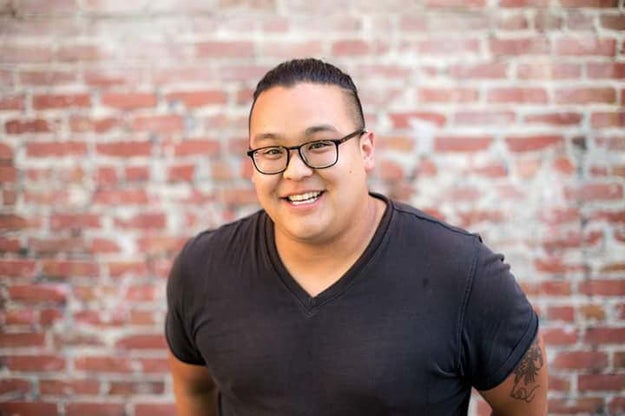
Josephine co-founder and CEO Charley Wang.

Dijon Bowden / Flickr

This regulatory debacle has turned Josephine co-founder Charley Wang from the CEO of a food startup into something of a local food policy wonk. He’s co-authored on a bill in California which, if it passes, could legitimize Josephine’s food operations by early 2018. Meanwhile, he’s been working to expand into Seattle and Portland. Selling meals cooked at home isn’t technically legal there either, but he’s hoping to work around that by taking meetings with local officials and forging partnerships with grassroots groups.

“We don’t want to go anywhere we have to actively spend money fighting the government. That’s a poor use of private money,” he said. “Think about how much money Airbnb and Uber have spent, but also how many civic tax dollars have been spent to battle those organizations.” Wang’s hope is that, by being proactive with regulators, Josephine can avoid the problems the company ran into in California in new markets.

Other gig-economy companies have placed increasing pressure on workers in the rush to scale despite regulation. But in an August blog post, his cofounder Matt Jorgensen announced that starting in January 2017, Josephine cooks will receive equity, with the entire network sharing in 20% of the company. “The long-term interests of our cooks are the long-term interests of Josephine,” Jorgensen wrote at the time. He also announced the introduction of a Cook Council — an advisory team made up of cooks, one of whom will have a seat on the board — and a transparent, open-source company guidebook.

Giving away one fifth of your business to independent contractors, all of whom have other sources of income, seems remarkably generous — but of course, if the business is worth nothing, so are the cooks’ stock options. “Equity,” said Wang, “is a long term symbolic metric.”

“Equity is a long term symbolic metric.”

This is something of an emerging trend in on-demand startups. Juno, an Uber and Lyft competitor in New York, is offering equity to its drivers. Honor, which employs caregivers who can be deployed on-demand, offers universal equity to its employees. Managed by Q, similarly, offers stock options to its on-demand office managers. None of those options are worth any money to those workers until the companies go public. But Managed by Q CEO Dan Teran said, while the options may not be worth anything, for the more than 100 hourly employees who qualify for the program, they still mean something.

“It’s not like this has impact on anyone’s life, but it has the potential to,” Teran said. “You hear people talking about it and, whether or not they fully grasp what it means, they do feel like owners, which allows us to ask people to act like owners in a way that&039;s sincere.”

While it’s atypical for hourly workers to receive any kind of equity, as Honor and Managed by Q are doing, there is a system in place for sharing stock options with employees. But what Josephine is trying to do — offer stock options to independent contractors, who by definition don’t work for the company — is more complicated. So far, Juno, the equitable ridehail startup, is the only company that’s tried to do it, and CEO Talmon Marco said designing the legal structure has been difficult. “If i look at our legal fees to date,” he said, “most of them went towards this.”

One particularly tough question Josephine will have to answer is how to divvy up the shares. As independent contractors, the cooks don’t work regular hours, so the company will have to find a different metric for measuring their individual contributions. “Our cooks live in different places, and come from different socioeconomic strata. Revenue isn’t the best impact indicator,” Wang said. “So we’re looking for other proxies for engagement, like how many customers they have or what their reviews are like.”

Robert Scoble / Flickr

Mitch Kapor is the man behind Kapor Capital, the social impact fund that invested in Josephine a few months before the regulatory crackdown last spring. In the 70s, Kapor said, Silicon Valley popularized the idea that all full-time employees should own a stake in the companies they worked for; before that, the idea of anyone besides executives receiving equity would have been weird. Kapor said companies like Josephine and Managed by Q, both of which he’s an investor in, are simply extending that trend to hourly and contract workers. “If you are creating value in the ecosystem — which I would argue everyone is in these marketplaces — you ought to have some share of what&039;s created,” he said. “It&039;s the same principle, somewhat differently applied.”

But just because it’s the right thing to do doesn’t mean it will be easy. For example, Kapor pointed out that contractors can stop working on a platform or leave a company whenever they want, which could make it hard to come up with workable vesting schedules. “With these marketplaces, I don’t think there’s going to be some simple, ‘Okay, here’s how to do it.’ It’s going to have to be figured out, and no doubt some people will try things and do it not in the best way, and there will be adverse consequences,” he said.

“I see this as a grand experiment that could either be totally unworkable, or maybe lead to a paradigm shift in how businesses are organized.”

Kapor said, as an early stage seed investor, he’s not particularly worried about the delays Josephine’s growth has experienced as a result of being an illegal operation. Of course, Josephine’s goal was never to achieve massive scale, but rather to help connect individuals with new revenue streams. In some ways, forging an alliance with local community groups and pushing a policy agenda is all in keeping with Josephine’s stated mission. In the meantime, Wang said Josephine has turned to foundations and individual investors as sources of capital, though he’s still open to meeting with venture funds.

Seth Bannon is the founder of a venture capital fund called Fifty Startups, which is dedicated to proving through strategic investment that social good is good for the bottom line. Bannon is not an investor in Josephine, but is intrigued by Wang’s belief that there’s “a better way to organize a tech company.”

“As an investor, I see this as a grand experiment that could either be totally unworkable, or maybe lead to a paradigm shift in how businesses are organized,” he said. “Often, as an investor, that’s exactly where you want to be. High risk, high reward.”

Quelle: <a href="This Startup Is Trying To Help Its Workers While Fighting Regulators“>BuzzFeed

How Techies In Washington Plan To Deal With Trump’s Presidency

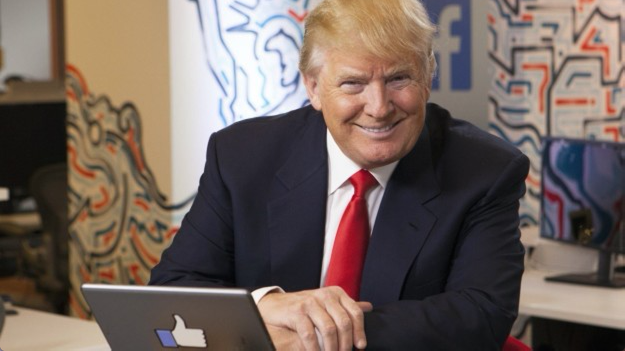
Facebook/ Donald Trump

WASHINGTON — As some of Obama’s signature achievements face termination or overhaul in Donald Trump’s new Washington, one part of the president&;s legacy, government officials say, will endure: the movement to bring government tech into the 21st century.

It’s no secret that much of Silicon Valley, a progressive stronghold, favored Hillary Clinton over Trump — reflected in campaign contributions and endorsements as well as broader agreement on social and economic policies. (Although, billionaire investor Peter Thiel very publicly backed Trump.) While the tech industry will have to reckon with the shifting politics of the Trump administration, Obama’s efforts to build a pipeline of talent from Silicon Valley to Washington will also be tested under a president whose campaign promises contradict many technologists’ values.

But Rob Cook, the new Commissioner of the government’s Technology Transformation Service, and former Pixar executive, is optimistic. Cook, who took charge in late October, oversees both 18F, the government’s in-house developer and digital consultancy, and the Presidential Innovation Fellows Program, which recruits elite engineers, designers, and data scientists for tours of duty within federal agencies.

So although Trump’s successful campaign was defined in part by his inflammatory and divisive rhetoric, Cook believes the goal of initiatives like 18F, and the motivations for technologists seeking government work, haven’t changed. “It’s not a partisan thing,” he told BuzzFeed News.

“Are the park rangers going to quit; are the postmen going to quit? You’re not serving a red public or a blue public. You&039;re serving everybody.”

“Are the park rangers going to quit; are the postmen going to quit?” Cook said. “You’re not serving a red public or a blue public. You&039;re serving everybody. And most people in this organization realize that. We’re here to — nuts and bolts — make a difference in the lives of the people in the country, and that doesn’t change.”

Speaking at a Politico event on government IT last week, Cook’s predecessor Phaedra Chrousos said, “I’m getting a lot of people coming to me and asking me, ‘Should I stick around?’” Chorusos suggested that technologists take roles where they’d have the most impact.

“People don’t join the Peace Corp because they are Republican or Democrat or because Trump’s in office or Obama’s in office. They join because they want to do some good, serve their time. I think we need to get to a point where this is not a Democratic movement — this is a good-for-government patriotic movement, regardless of party affiliation,” Chrousos said.

Since the election, California Republican Kevin McCarthy, the House Majority Leader, has praised 18F and the US Digital Service, another key tech initiative from the Obama administration. His support signals to technologists that overhauling federal IT is a mission embraced by Republicans and Democrats alike.

While Trump has spoken about beefing up cybersecurity on the campaign trail, he has not offered a plan on prioritizing government technology.

Commissioner Cook described brilliant engineers as being fixated on the technology for its own sake, of building things and solving problems. Some gifted engineers, he said, are also motivated by seeing what they do make a difference in people’s lives. “The odds-on bet is to hire people who get both kicks,” he said.

For Cook, working on projects for agencies like the Departments of Labor, Education, and Health and Human Services promise vast impact, and serve as an unmatched recruiting tool for tech talent. “If you fix something here, the number of lives you touch is huge. People are not in it for the stock options.”

US Chief Technology Officer Megan Smith offered similar remarks at the Politico event. “These people are excited about the work they&039;re doing; they’re committed to it.” She also noted that positions within USDS are not tied to Obama’s time in office. “These positions weren&039;t set up as political positions. They’re term positions,” she said, meaning their projects will extend into the Trump administration. Smith is the third person to serve as US CTO, a position created by Obama. Whether that role will exist under president Trump and who might fill it remains to be seen.

“I don’t think it’s a party issue,” said Tony Scott, the federal government’s Chief Information Officer, about recruiting technologists to work in Washington. Scott, who also spoke at the Politico conference, believes the bigger question is what the Trump administration’s priorities will be. “I know that a lot of people are watching and anxiously awaiting and…me too. But I think it’s too early to make any prediction about which way things go,” he said.

How the Trump White House handles digital privacy and surveillance, for instance, may affect how tech companies operate and whether tech workers choose to serve in the administration.

Scott added, “The digitization march is inevitable. Really, the only question is how fast is it going to go: Does this next administration accelerate, or not put an emphasis on it?”

Quelle: <a href="How Techies In Washington Plan To Deal With Trump’s Presidency“>BuzzFeed

Here's How Your Thanksgiving Is Genetically Altered

Kajakiki / Getty Images

As you stock up for an epic Thanksgiving feast, goodies with genetic alterations may not be at the top of your shopping list.

Instead, you may buy organic carrots, or a turkey certified by the Non-GMO Project, because you believe these items are inherently healthier or safer to eat.

All the same, pretty much everything on your plate has been genetically altered at some point, despite the labels.

“It’s up to us as parents or humans to seek out correct information,” Alison Van Eenennaam, a UC Davis professor who studies animal genomics and biotechnology, told BuzzFeed News. “And that’s why my kids are vaccinated, we drink pasteurized milk, and we happily eat GMOs.”

All kinds of techniques have been used over the centuries to tinker with the DNA of fruits, vegetables, and animals to make them prettier, tastier, easier to grow, and otherwise better in a cornucopia of ways. Some changes have been intentional, others accidental. Genetically modified organisms, or “GMOs,” foods likewise improved with genetic engineering, are just the latest chapter in this long history.

But no technique, including genetic engineering, makes a piece of food fundamentally unsafe and unhealthy (or safe and healthy), said Van Eenennaam. It depends on how it’s used.

“I’m having a big Thanksgiving meal and I’m having my best friends over and my kids and my husband and I’m feeding this food to them,” she said, adding that those risks are minimal at best. “I love them as much as you love yours. I would never expose my family to anything I thought was dangerous.”

Just as a reality check, here are some of the genetic backstories of your favorite Thanksgiving dishes.

Shironosov / Getty Images

1. Crossbreeding

Few of the plants or animals we eat today resemble their wild ancestors. That’s because over the centuries, farmers selectively bred certain plants or animals to produce offspring with traits, like thicker meat or sweeter flavors or brighter colors. Virtually everything at the grocery store has gone through this process, Van Eenennaam says.

• Americans’ bottomless craving for white meat has led to the factory-farmed turkey industry. Over the last three decades, production in the US has doubled to almost 300 million birds, all bred to grow very large, very quickly.

Turkeys were first domesticated more than 1,500 years ago in Mexico. Unlike their sleek, agile, wild ancestors, commercially raised turkeys have trouble flying and running, and can’t reproduce naturally. Bon appétit.

Nbiebach / Getty Images

Corn descended from a form of a grass called teosinte, which is native to Central America. Between 6,000 and 10,000 years ago, farmers there began domesticating what became maize by noticing that some plants were tastier and bigger than others. They saved those kernels, and replanted them in the next harvest. Our modern-day corn-on-the-cob is much bigger, as a result, and has many more rows of kernels.

• Selective breeding is also a big reason why the Red Delicious apples in your pie are so red, sweet, and mushy. The onions in the stuffing have likewise changed a lot since farmers started cultivating them more than 5,000 years ago. The list goes on and on.

Antonprado / Getty Images

2. Mutation breeding

Mutation breeding consists of exposing seeds to chemicals or radiation, which randomly scrambles the genes inside them and, hopefully, yields desirable traits. Developed after World War II, the technique is unpredictable — but it’s also widely used. More than 3,000 crop varieties have been created this way, according to an international database.

• Mutant wheat is used for bread and pasta. For example, durum wheat loaded with extra protein makes spaghetti strands stronger and more elastic.

• Some popular varieties of grapefruits — the Star Ruby and Rio Red — are mutants created in a lab by Texas scientists who wanted the reddest grapefruits possible.

Simonbradfield / Getty Images

3. Gene engineering

This is the technology behind GMOs. Broadly, genetic engineering involves precisely transferring certain genes from either the same species or other species altogether to get a desired trait.

• More than 90 percent of the corn grown in the United States is genetically modified, but most of it ends up in ethanol, animal feed, or processed food rather than sold as corn on the cob. In 2011, however, Monsanto began growing sweet corn engineered with a protein that helps the crop fight off pests. It’s meant to be eaten directly and sold in grocery stores.

• There are small amounts of squash engineered to fend off viruses, available in a handful of varieties: yellow crookneck, straightneck, and zucchini.

Tomassereda / Getty Images

• Your mashed potatoes may be engineered to resist bruising, and to produce less of a potentially cancer-causing chemical when baked, fried, or roasted. The Innate potatoes were invented by the J.R. Simplot Company, and the first generation started hitting shelves more than a year ago. A spokesperson told the Associated Press in October that 40 million pounds had been sold in 35 states.

• Sometimes genetic engineering is a work of nature, not man, as in the case of sweet potatoes. Scientists reported last year that in nearly 300 sweet potato varieties grown all over the world, they’d found bacteria genes that may have made the vegetable more palatable. The DNA appears to have made its way into plant cells at least 8,000 years ago in a feat of natural genetic engineering.

Innershadows / Getty Images

The FDA requires that food derived from genetically engineered plants meets the same food safety requirements as food from traditionally bred plants (which, as a reminder, can include crops produced through mutation breeding and crossbreeding).

The bottom line, according to Van Eenennaam: Don’t be afraid of cooking up a storm.

“What I would be more worried about is undercooking my turkey,” she said, “because then I could actually be exposed to salmonella — that actually could kill people.”

LINK: Seed Money

LINK: Say Hello To The Apple That Never Browns

LINK: Europe Is Rethinking The Meaning Of A GMO

Quelle: <a href="Here&039;s How Your Thanksgiving Is Genetically Altered“>BuzzFeed

How To Snapchat Your Thanksgiving Meal Without Destroying Your Family

Thanksgiving. Ugh. The one time a year you have to sit with family and pretend to care more about them than what’s on your phone. Here we go again, another three hours listening to ol’ uncle Seth drone on about the chick from pool yoga. Goddamit Uncle Seth, swallow your pride and get on Tinder already.

In a perfect world, we’d all be able to tune out our well-meaning relatives, engaging instead with the vibrant world of smartphone applications just an arm’s reach away. But alas, the minimal courtesy expected in today’s society still somehow includes keeping your device hidden in large family settings. In time, these backwards societal norms will change.

But for now, there&;s one tried-and-true method you can use your device’s most important app, Snapchat, while maintaining the peace with the only people in the world who love you. Read carefully, and you can keep hitting that social media dopamine spigot throughout the evening even though your phone should technically be in your pocket. If you follow these rules to the letter, you should be okay. But we make no promises.

Step 1: Grease the wheels by faceswapping grandma with a potato

giphy.com

Your grandma very likely grew up in the age of the flip phone, a time where rudimentary games like Snake were the most sophisticated form of digital distraction (this why it was called the “Great Depression”). Grandma will therefore likely be least favorable to your phone’s presence at the meal, and so it’s damn important to win her over from the very start. You can charm granny into Snapchat acceptance by demonstrating the great strides phones have made since her childhood. Wow her with Snapchat’s sophisticated features, especially the one that will superimpose your face on a vegetable, and superimpose a vegetable on your face. Creating a granny potato-face is sure to delight her and the crowd, as will a potato granny-face. These giggles, mind you, will plow the way for more Snapchat usage.

Step 2: Use the “What I’m Thankful For” line to ream Facebook, Snapchat’s feature-thief

giphy.com

As the meal goes on, you be presented with an opportunity to address the table, providing a few critical minutes to speak uninhibited about what makes you thankful. Some family members will use this opportunity to lie blatantly, proclaiming they’re thankful for each other or even a happy marriage. You, on the other hand, will tell the truth, explaining there&039;s little to be thankful for in a world Facebook can rip off Snapchat’s features with impunity. Here is your script:

“I, [insert your name], am thankful for our great technological warrior Evan Spiegel, whose bold camera-first social messaging format changed the world, making goofy selfies not only socially acceptable, but expected. I am thankful for Mr. Spiegel’s latest spark of genius, Spectacles, a revolutionary product that has assured the great battleship Snap Inc. a sea of earned media in the run up to its iconic initial public offering. But I must also express my deep disappointment in once-great social giants Mark Zuckerberg and Kevin Systrom, former role models who have dishonored social media by duplicating Snapchat’s features the same way cousin Allison copied her best friend Marge’s math homework every morning for one year before getting expelled. Geez Allison. My fellow family members, what makes humanity great is our ability to push past the barriers constructed by those seeking to divide us and find common ground in our love of documenting our lives ephemerally on social media — sometimes even with puppy filters, as is our god-given right. Thank you Snapchat for making it possible for us to come together as a people, I am grateful to share this planet with you.”

Step 3: Chat up the IPO

giphy.com

Cousin Nelson, who nobody really likes, is feeling pretty good thanks to a finance job that has him looking at spreadsheets 85 hours a week. Nelson, who recently learned to do his own laundry at the age of 31, will likely spend the evening asking you questions like “I have so much money but so little time to spend it, what should I do?” and “wow, how did you get fired from an unpaid internship?” Nelson will tell you he doesn’t “get” Snapchat, so blow his peanut brain by explaining the insane revenue multiple Snapchat is about to get on its upcoming IPO, where approximately $1 billion in annual revenue may net it a $25 billion valuation. As Nelson’s big dumb mouth hangs gaping wide after hearing this, snap a picture and post it as a Story.

Step 4: Crush dissent

giphy.com

By now, the family is starting to come around to the idea of Snapchat. But you can tell Uncle Seth isn’t buying it. His grimaces as you build support are harshing the buzz of the entire gathering, and it’s time to address the matter. When Uncle Seth tells you he simply “can’t get past the sexting part,” challenge him to take out his phone and prove that he’s pure enough to level this criticism. Uncle Seth hands over his phone, but it’s a huge mistake. You begin going through his camera roll only to find… Oh dear…. Oh no…. Please no…. How in the even&;

Step 5: Snap away

giphy.com

With your family now on board, you can document the rest of the feast worry-free. To get the most out of Snapchat, Mashable recommends turning your camera on night mode, adding extra text by copying and pasting from your notes app, and using emoji stickers to “add some oomph to your photos.”

Now, go forth. Don’t let your country down.

Happy Thanksgiving, America.

Quelle: <a href="How To Snapchat Your Thanksgiving Meal Without Destroying Your Family“>BuzzFeed