Snapchat's $24 Billion Valuation Sets A High Bar For Its Future

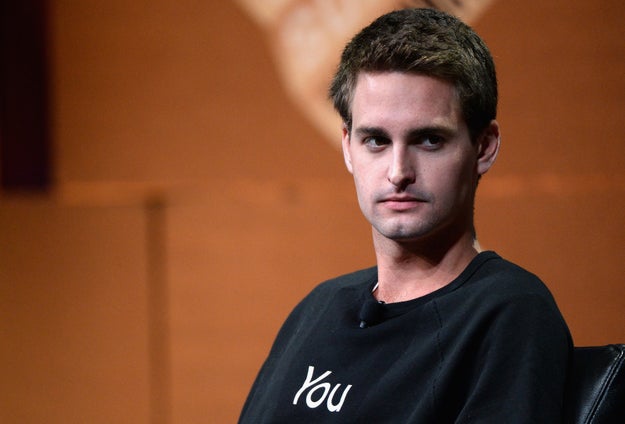
Snapchat CEO Evan Spiegel

Michael Kovac / Getty Images

Snapchat&;s parent company is expected to be valued at about $24 billion in its IPO, setting an high bar bar for a company that lost $515 million last year.

Investors will buy the company&039;s stock for an initial price of $17 a share, according to reports, creating expectations for dramatic growth in users and revenue at the company, which will spend the coming years trying to live up to those expectations.

Snap Inc, Snapchat&039;s parent company, brought in $405 million in revenue in 2016, while spending $925 million.

The $24 billion valuation is slightly above the range the company aimed for two weeks ago when its IPO plans were made public. It&039;s not uncommon for the price of shares in an IPO to rise slightly from the company&039;s initial estimate. About $3.4 billion worth of Snap shares will be sold, with existing investors taking home about $935 million from the sale and the company pocketing the rest. The sale will be the biggest tech IPO since the Chinese e-commerce giant Alibaba raised $22 billion in 2014.

At $24 billion, Snap is still considerably less valuable than the $104 billion Facebook was valued at when it went public in 2012, but more than twice Twitter&039;s current $11 billion valuation.

And speaking of Snapchat&039;s 140-character-cousin: Twitter has become a cautionary tale for what happens when a hot social media company goes public but can&039;t meaningfully grow its user base or live up to a sky-high valuation (Twitter&039;s market value hit almost $25 billion on its first day of trading). Some analysts and investors fear that the same fate could befall Snapchat, whose user growth has slowed down recently.

The company initially targeted a valuation in its IPO between $20 and $25 billion, the Wall Street Journal reported. At the end of 2016, the company calculated that the fair value of its shares was $16.33, according to its IPO filing.

Quelle: <a href="Snapchat&039;s Billion Valuation Sets A High Bar For Its Future“>BuzzFeed

This Startup Wants To Catch Cancer In Its Early Days

Haykirdi / Getty Images

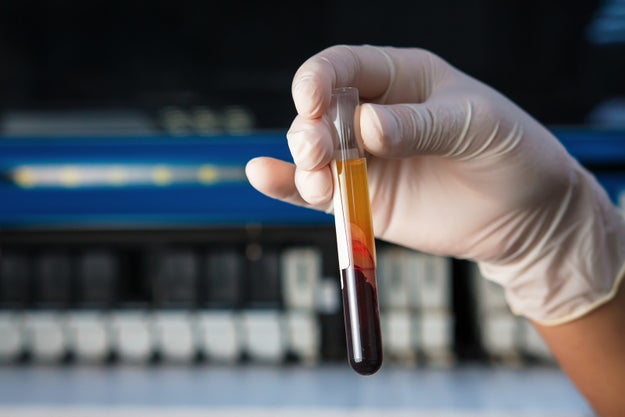
A race is on among Silicon Valley startups to catch cancers before they turn deadly. Victory will come for the winners in a drop of blood — a sample serving as a long-sought “liquid biopsy” for cancer.

One contestant is Freenome of South San Francisco, California, which announced on Wednesday that it has raised $65 million to test their experimental liquid biopsy and move it closer to commercialization.

CEO Gabriel Otte says Freenome is most interested in preventing cancer in the first place. “We see these screenings as a catch-all, first line of defense you might be able to take, as easy as doing a yearly physical,” he told BuzzFeed News.

Freenome declined to comment on its valuation, but a source familiar with the startup told BuzzFeed News that it is worth about $210 million after the round. Vaunted venture capital firm Andreessen Horowitz led the investment. Other backers included Peter Thiel’s Founders Fund, Asset Management Ventures, Polaris, Data Collective, Eric Schmidt’s Innovation Endeavors, Spectrum 28, Charles River Ventures and Google Ventures.

The last is a notable investor since Google’s venture capital arm has backed Grail, a Freenome competitor. Grail, a spin-out of the DNA-sequencing giant Illumina, said in January that it plans to raise more than $1 billion to fund large-scale clinical trials.

The liquid biopsy side of the biotech industry is heating up: While Grail and Freenome are developing liquid biopsy tests that can detect early-stage cancer, others, led by Guardant Health, are pursuing tests that do something different: they track the progress of a patient’s diagnosed tumor.

These claims might sound similar to those of Theranos, which once said that it could test tiny vials of blood for dozens of conditions and has since had two of its lab licenses revoked. In contrast, Freenome and its kind are restricting their focus to cancer. The 25-person startup has not published data about how its technology works, but says that it will, along with the results of its current clinical trials, when those tests conclude.
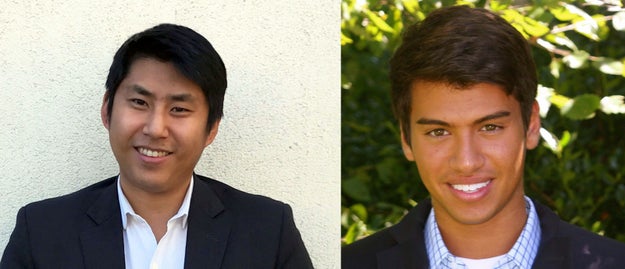
Freenome cofounders CEO Gabriel Otte and Chief Operating Officer Riley Ennis.

Courtesy / Freenome

Traditionally, doctors and scientists look for cancer DNA in a tissue sample from an actual tumor — but a “tissue biopsy,” as it’s called, can be relatively expensive and invasive. Depending on where the tumor is in the body, it can require surgery.

“I hope that ultimately, if companies like Freenome are successful in really confirming their diagnostic potential, we might move toward an era where we obliviate the need for CT scans, PET scans, MRIs and other radiographic tests, which are all very, very costly,” said Sumanta Pal, an associate professor and co-director of the Kidney Cancer Program at the City of Hope Comprehensive Cancer Center, and an expert with the American Society of Clinical Oncology.

In contrast to such scans, liquid biopsy companies are seeking to harness a discovery that’s been around for less than a decade, which is that tiny amounts of DNA from cancerous cells are traceable in blood. The challenge, Pal says, is that liquid biopsies involve very small amounts of blood, and tiny, hard to detect DNA fragments.

But thanks to advancements in DNA-sequencing, these microscopic gene fragments are getting easier to observe. And Freenome wants to detect cancer by way of analyzing DNA fragments spewed out by immune cells when they die, which happens as often as hourly. Those fragments can contain changes that indicate the cells were trying to attack a tumor, Otte said.

Otte and his cofounder, Riley Ennis, say that when it comes to four types of tumors — breast, lung, colorectal, and prostate — their technology is more accurate than the standard screening test for each (mammograms for breast cancer, for instance). It’s been tested, the founders say, on “thousands” of samples from patients who thought they were healthy at the time of the biopsy, and went on to develop cancer within a year or two.

“We’re not necessarily saying our blood test is going to directly replace invasive biopsies,” Otte said. Rather, a tissue biopsy “might be the next step you might take if a blood test came back positive for a certain kind of cancer of a certain kind of tissue.”

Otte declined to estimate when the test will be available at your doctor’s, but the primary challenge for Freenome — and all other companies in the field — will be proving that it’s accurate. A handful of studies have compared the sequencing results of tissue and liquid biopsies that are currently on the market, and found that the tests can vary in which mutations they identify and which drugs they recommend.

A related and also significant hurdle will be getting insurance reimbursement for these tests, so patients aren’t scared away by a high price tag. Otte says that the company is in “early” conversations with commercial insurance payers and the Centers for Medicaid Services.

For Otte, the race to develop a test is especially personal: his father has prostate cancer and his grandfather, metastasized cancer. Otte watched both of them endure long waits between getting tests done and waiting for the results.

For his father, “there was an extended period of time where he wasn’t sure if he had cancer or not,” he said. “That’s frightening for anybody, and gives you an indication of how insufficient the diagnosis process is right now.”

LINK: These Ex-Googlers Want To Test You (And Your Family) For Cancer

LINK: Pregnant Women Are Finding Out They Have Cancer From A Genetic Test Of Their Babies

Quelle: <a href="This Startup Wants To Catch Cancer In Its Early Days“>BuzzFeed
Twitter Will Start Using Algorithms To Crack Down On Abusive Accounts

Ariel Davis/BuzzFeed News / Via buzzfeed.com

Today, Twitter will start relying on algorithms to identify and restrict accounts for engaging in “abusive behavior,” which the company defines as either “repeatedly Tweeting without solicitation at non-followers” or violating the Twitter terms of service. The change goes beyond what some thought would be simple keyword policing (read: swear words) by also considering the relationships between users when determining abuse.

Penalties may include making an account&;s tweets only visible to its followers, being forced to verify a phone or email address associated with the account, or being suspended for 12 hours or more. In a statement about the changes, the company&039;s vice president of engineering Ed Ho wrote, “Our platform supports the freedom to share any viewpoint, but if an account continues to repeatedly violate the Twitter Rules, we will consider taking further action.”

Twitter seems to expect this approach will have hiccups, as Ho acknowledged: “Since these tools are new we will sometimes make mistakes, but know that we are actively working to improve and iterate on them every day.” There isn&039;t a process to appeal any of the the penalties yet, though Twitter&039;s plan to “iterate every day” indicates that may change.

Twitter will also allow you to filter out notifications from accounts that do not have a profile photo or that list an unverified email addresses or phone number, which are sometimes signs that an account was created specifically to abuse others anonymously. You&039;ll also be able to decide how long you want to mute accounts, conversations, and keywords. These features resemble the quality filter and notifications settings that verified users have had for some time now.

Aside from its new filter options and algorithmic abuse policing, Twitter will start sending notifications about the status of reported tweets and accounts to the people who flagged them. Specifically, the company will ping you when it has received your report and when it decides to take action. Twitter previously didn&039;t notify users when it received harassment reports or when it made a decision on how to handle them, which left many in the dark about whether they had even successfully communicated with the company.

The social network has shipped a number of product updates in the past month, many of which were tools intended to combat harassment: hiding tweets and conversations that mention you if you&039;ve been blocked by the writer, a setting to only see replies by people you follow, hiding sensitive content in search, and the ill-fated hiding of notifications when you&039;re added to a list.

Twitter has struggled with online abuse and harassment since its inception, especially with the question of how to define abuse on it platform — something that may have hindered its recent failed attempt to sell itself.

Quelle: <a href="Twitter Will Start Using Algorithms To Crack Down On Abusive Accounts“>BuzzFeed

Facebook’s AI Is Better Than Humans At Picking Out Suicidal Posts

Facebook

Facebook is bringing its artificial intelligence expertise to bear on suicide prevention, an issue that&;s been top of mind for its CEO Mark Zuckerberg following a series of suicides live-streamed via the company’s Facebook Live video service in recent months.

“It&039;s hard to be running this company and feel like, okay, well we didn&039;t do anything because no one reported it to us,” Zuckerberg told BuzzFeed News in an interview last month. “You want to go build the technology that enables the friends and people in the community to go reach out and help in examples like that.”

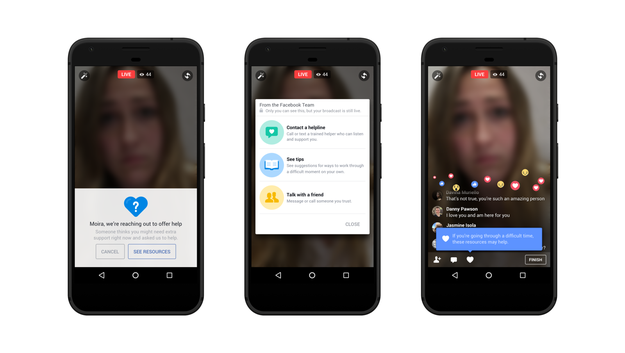
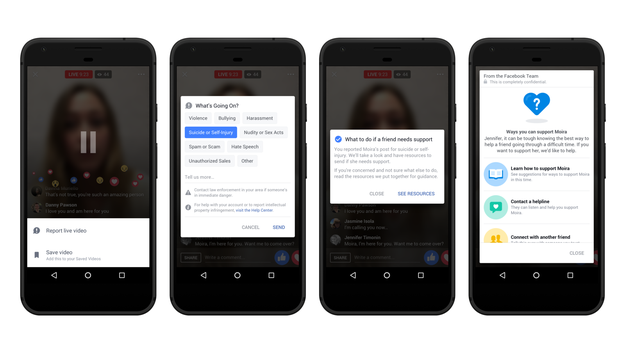
Today, Facebook is introducing an important piece of that technology — a suicide prevention feature that uses artificial intelligence to identify posts indicating suicidal or harmful thoughts. The AI scans the posts and their associated comments, compares them to others that merited intervention and, in some cases, passes them along to its community team for review. The company plans to proactively reach out to users it believes are at risk, showing them a screen with suicide-prevention resources including options to contact a helpline or reach out to a friend.

“The AI is actually more accurate than the reports that we get from people that are flagged as suicide and self injury,” Facebook product manager Vanessa Callison-Burchold told BuzzFeed News in an interview. “The people who have posted that content [that AI reports] are more likely to be sent resources of support versus people reporting to us.”

Facebook’s AI will directly alert members of the company’s community team only in situations that are “very likely to be urgent,” Callison-Burchold said. Facebook says a more typical scenario is one in which the AI works in the background making a self-harm reporting option more prominent to friends of a person in need.

While suicide prevention is a new and unproven application for artificial intelligence, Dr. John Draper, project director for the National Suicide Prevention Lifeline — a Facebook partner, says it&039;s promising. “If a person is in the process of hurting themselves and this is a way to get to them faster, all the better,” he told BuzzFeed News. “In suicide prevention, sometimes timing is everything.”

In addition to AI monitoring for indications of self-harm, Facebook is rolling out a few other suicide prevent features as well. It will make a number of suicide-prevention organizations available for chats via Messenger and it will present suicide-prevention resources to Facebook Live broadcasters who are determined to be at risk. With a tap, a broadcaster can access suicide-prevention resources, visible on on their screen.

Facebook&039;s decision to maintain the live broadcast of someone who&039;s been reported as at-risk for self harm is clearly fraught. But the company appears ready to risk broadcasting a suicide if doing so gives friends and family members a chance to intervene and help. “There is this opportunity here for people to reach out and provide support for that person they’re seeing, and for that person who is using live to receive this support from their family and friends who may be watching,” said Facebook researcher Jennifer Guadagno. “In this way, Live becomes a lifeline.”

The debut of Facebook&039;s new suicide prevention tools come amid growing concerns about the company&039;s influence, and could raise concerns about digital privacy. But for Facebook, which has been working hard to take a more direct role in stopping suicide, AI could be a big step forward in evaluating potentially suicidal content and and making it easier for people to help friends in need. As Zuckerberg wrote in his February 16 letter, “Looking ahead, one of our greatest opportunities to keep people safe is building artificial intelligence to understand more quickly and accurately what is happening across our community.”

Quelle: <a href="Facebook’s AI Is Better Than Humans At Picking Out Suicidal Posts“>BuzzFeed

Angry Neighbors Protest Outside Snap Offices Ahead Of Highly Anticipated IPO

Gavin Stenhouse

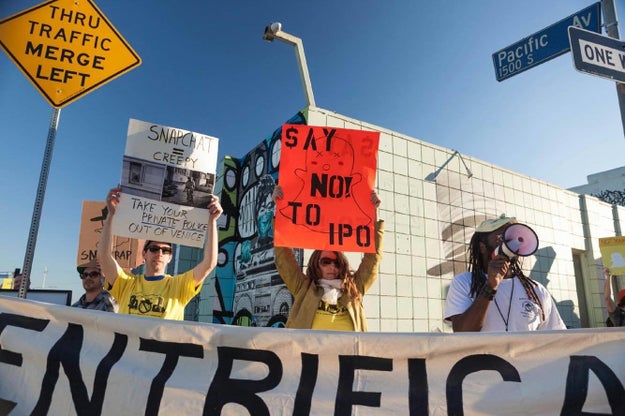
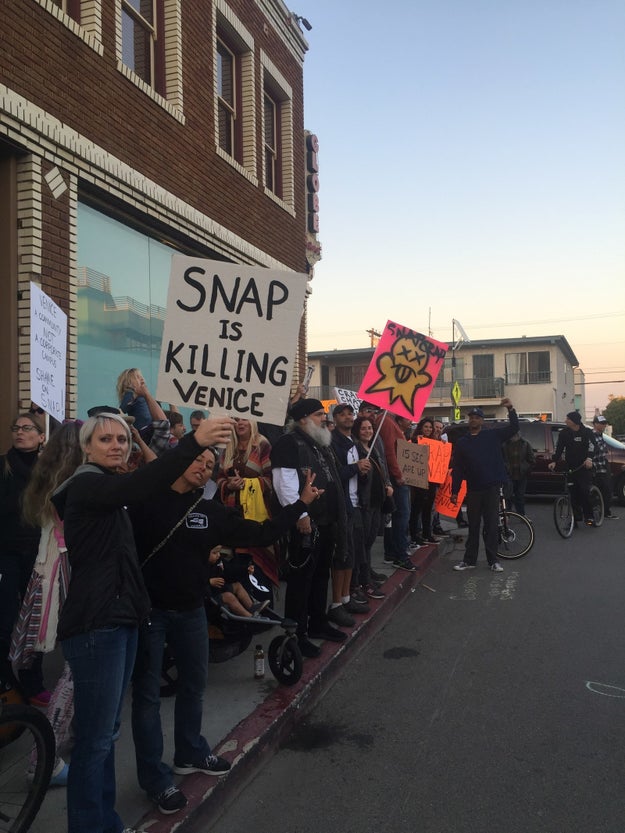
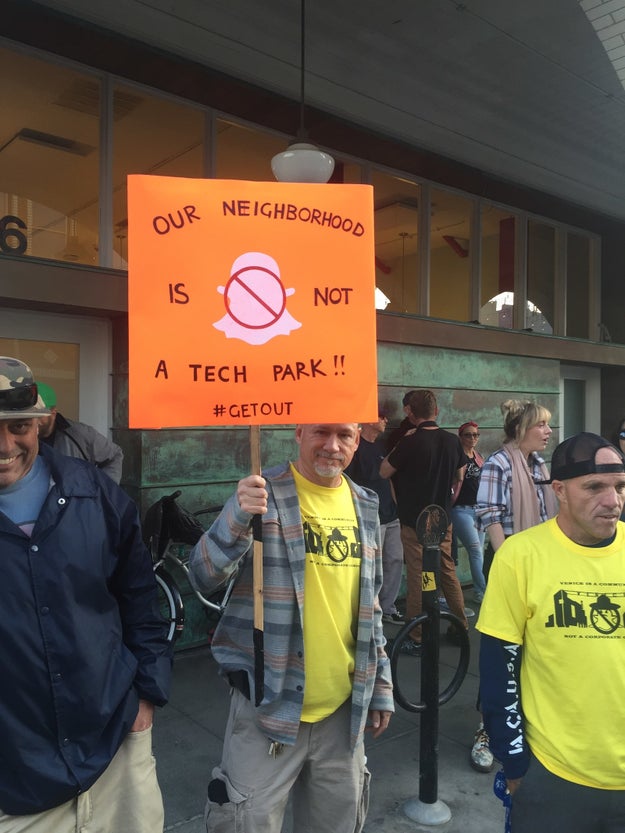
As Snap Inc. gears up for its forthcoming IPO, some of the company&;s Venice, California neighbors rallied outside its doors, aiming to send a message to the fast-growing social media phenom: Get out.

On Tuesday afternoon, dozens of Venice locals gathered outside of Snap&039;s offices to protest what they say is an unwelcome transformation of a vital piece of Los Angeles.

“This is a public street and the community will not sit by quietly while Snap attempts to annex it for a private corporate campus,” 11 year Venice resident Laura Booth told BuzzFeed News.

Snap&039;s headquarters is scattered throughout multiple buildings in the quirky beachside enclave that&039;s home to surfers, eccentrics and now herds of tech employees. The company&039;s Venice footprint has ballooned ahead of an initial public offering expected to hit the market this later week. And, as BuzzFeed News reported last week, that growth is causing serious tension with neighbors, some of whom say Snap is turning Venice into “a horrible business park.”

Instagram: @cjgronner

Reached for comment, Snap told BuzzFeed News that it is looking beyond Venice for future expansion.

“We’re very grateful to be a part of the Venice community and we are sorry for any strain that our growth has placed on those who live and work here,” a Snap Inc. spokesperson said.. “We&039;ve partnered closely with local schools and nonprofits to be a good neighbor and we&039;ve always tried to help our community feel safer in a neighborhood that is all too often the victim of violent crime. We recognize that we are no longer the small startup that we once were and we are necessarily concentrating our future growth outside of Venice.”

Laura Booth

Laura Booth

Laura Booth

Quelle: <a href="Angry Neighbors Protest Outside Snap Offices Ahead Of Highly Anticipated IPO“>BuzzFeed

Video Shows Uber CEO Travis Kalanick Arguing With Driver Over Fares

Video Shows Uber CEO Travis Kalanick Arguing With Driver Over Fares

Shu Zhang / Reuters

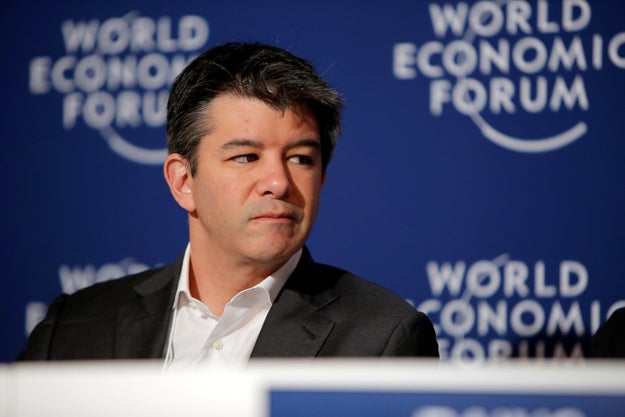
Uber’s public relations crisis continues apace with no apparent end in sight.

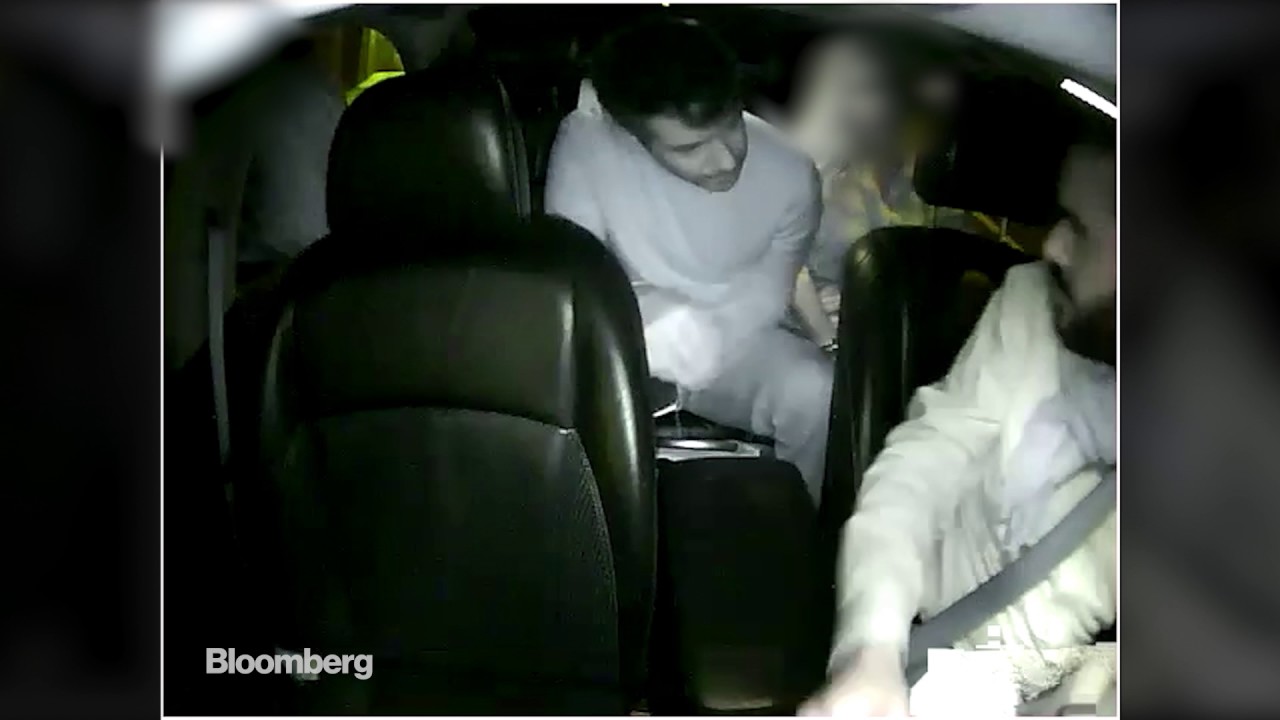
On Tuesday afternoon, Bloomberg published a video in which CEO Travis Kalanick aggressively argues with an Uber driver who claimed he is earning less money after Uber cut fares. “Some people don&;t like to take responsibility for their own shit,” Kalanick exclaims, after his driver says he lost $97,000 because of Uber. “They blame everything in their life on somebody else. Good luck&;”

youtube.com

The publication of the dash-cam shot video is the latest in a parade of PR disasters for Uber. In January, Kalanick’s decision to sit on President Trump’s economic advisory group inspired a viral campaign in which the company saw about 200,000 users delete their accounts, according to the New York Times. Kalanick subsequently resigned from the council.

Then, in early February, a former Uber engineer penned a viral account of her experience at the company with detailed allegations of systemic sexism. In response, Uber launched an internal investigation into the accusations, led by former attorney general Eric Holder and Arianna Huffington, who sits on Uber’s board. A visibly emotional Kalanick apologized to his staff at an all-hands meeting and promised to “do better.”

Two days later, during a meeting with more than 100 women engineers, Kalanick was grilled about issues of sexism at Uber, according to an audio recording obtained by BuzzFeed News. “I want to root out the injustice,” he told those in attendance. “I want to get at the people who are making this place a bad place. And you have my commitment.”

Uber’s tensions with its drivers are well-documented. The company continues to grapple with lawsuits over the classification of drivers as independent contractors. Just last month, Uber paid the Federal Trade Commission $20 million to settle allegations that it advertised inflated estimates of how much its drivers earn on its website and in Craigslist job postings.

Kalanick’s video interaction with his Uber driver is in many ways a snapshot of those tensions — and one that Uber clearly did not expect to become public. Uber declined to comment on the video.

Uber says on its website that drivers are permitted by the company to record riders “for purposes of safety,” but notes that “local regulations may require individuals using recording equipment in vehicles to fully disclose to riders that they are being recorded in or around a vehicle and obtain consent.”

In California, a state with a two-party consent rule for recording confidential conversations, could the driver be in legal trouble?

“It was a risky move to publicize this video,” Eric Goldman, a law professor at Santa Clara University, told BuzzFeed News. “It’s unclear if the conversation between the Uber driver and the CEO would qualify as a confidential communication.”

Goldman said whether the conversation would qualify as confidential would depend on several factors, such as whether the dashcam was prominently visible, and whether for-hire vehicles could count as public spaces. Regardless of those questions, he said, lawsuits of this variety are uncommon and the optics around Uber suing one of its own drivers lower the odds of a lawsuit.

Said Goldman, “Uber’s CEO has much bigger problems in his life right now.”

Quelle: <a href="Video Shows Uber CEO Travis Kalanick Arguing With Driver Over Fares“>BuzzFeed

Hootsuite CEO Directs Comment-Seeking Reporter To Phone Sex Line

The CEO of Hootsuite — a Canadian social media management startup — responded to a Bloomberg reporter’s request for comment on Tuesday by directing him to a paid sex phone hotline.

Here’s what we know: Earlier this morning, Bloomberg News reporter Gerrit De Vynck published a story making the case that Hootsuite is overvalued at $1 billion and is underserving of its so-called unicorn status.

Hootesuite CEO Ryan Holmes (who maintains that the company is, in fact, worth more than a billion dollars) took to Twitter, decrying Bloomberg’s headline (“Hootsuite: The Unicorn That Never Was”) as salacious, and complaining that that the De Vynck published his story without comment from Hootsuite.

The Bloomberg reporter tweeted back at Holmes with his phone number, asking the CEO to call him. Here’s what Holmes tweeted back:

The thing is, that’s not Holmes’ phone number — it’s the number for a paid sex hotline — 1-800-EAT-DICK. When you call it, a man’s voice offers you unpublishable favors, if you simply enter a valid Visa, Mastercard or American Express credit card number.

After BuzzFeed News reached out to Holmes and his PR team, he deleted the tweet, and his PR person pointed to a followup tweet sent by Holmes that says, “apologies. wrong number.”

The timing of Holmes’ tweet is particularly ill-timed, considering the tech industry writ large is under fire this week for reports of pernicious sexism in the workplace. Earlier this month, a former Uber employee published a harrowing account of her time at the company, which detailed numerous allegations of sexual harassment and discrimination. The post sparked a public dialogue about how and why inappropriate behavior gets brushed under the rug at startups.

The reporter involved in the exchange declined to comment, but in an email, a Bloomberg spokesperson told BuzzFeed News that “we stand by our reporting.”

Quelle: <a href="Hootsuite CEO Directs Comment-Seeking Reporter To Phone Sex Line“>BuzzFeed

YouTube’s New App Lets You Watch Live TV

YouTube / Via tv.youtube.com

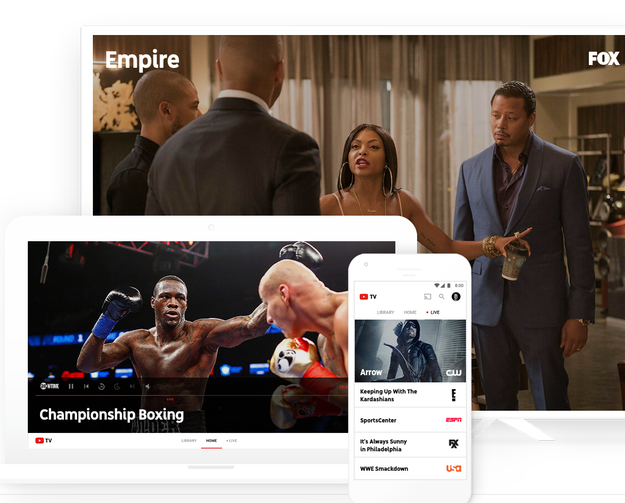
YouTube unveiled YouTube TV today, a standalone app that&;ll let you watch 40+ cable and broadcast channels via the internet for $35 per month. The service will launch in the spring at an unspecified date in “the largest US markets,” according to a YouTube statement. Key channels include ESPN, CBS, ABC, USA, FX, Fox News, E&;, the CW, and others. And just like a cable subscription, you can add premium channels like Showtime to your bundle for extra money per month.

The service resembles Dish’s Sling TV, Sony PlayStation Vue, and AT&T’s DirecTV Now, which allow people to watch live TV on traditional channels via the internet. Hulu is planning to release a similar service soon, according to the New York Post. Facebook has plans for a standalone TV app, and Apple, already a player with Apple TV, has announced plans for making original TV shows.

YouTube TV is separate from YouTube Red, the site’s premium content channel that requires a subscription, though subscribing to YouTube TV also gives you access to YouTube Red Originals. (Disclosure: YouTube Red has purchased web series from BuzzFeed). YouTube TV will be a standalone app downloaded to phones (both iOS and Android), tablets (same), or computers. In its announcement blog post, the company highlighted the ability to watch YouTube TV on traditional sets via the company’s Chromecast device.

You’ll be able to record live shows and save them to the app without storage limits, where you can keep them for up to nine months. Each subscription comes with the ability to create six personalized accounts and watch three concurrent streams at once. Recode reports that Google’s artificial intelligence software will power the service’s recommendation system. The company didn’t say how regular YouTube videos will interact with YouTube TV, but it is worth noting that TV will be a separate app from YouTube’s flagship downloadable service.

Justin Connolly, an executive vice president at Disney and ESPN, said in a statement that the service would allow networks to reach “young, mobile-first audiences.”

Quelle: <a href="YouTube’s New App Lets You Watch Live TV“>BuzzFeed

Elon Musk Says He Wants To Send Two People Around The Moon By 2018

Gregg Newton / AFP / Getty Images

Two people have paid Elon Musk&;s SpaceX rocket firm an undisclosed amount to shoot them around the moon on a Falcon Heavy space rocket flight late in 2018.

Announced at a Monday briefing, the proposal to circle two unidentified customers around the moon follows past audacious moves by Musk, ranging from now standard landings of rocket stages to sending an unmanned “Red Dragon” crew vehicle to Mars.

“They have already paid a significant deposit to do a moon mission,” according to a SpaceX statement. The Federal Aviation Administration created new rules allowing for US space tourism in 2016.

The trip would send the two people aboard a Dragon space capsule around the moon for a week. The capsule was developed with NASA to send astronauts to the International Space Station. The news comes as NASA contemplates a separate “EM-1″ crewed moon trip for its SLS rocket in 2018.

“By also flying privately crewed missions, which NASA has encouraged, long-term costs to the government decline and more flight reliability history is gained, benefiting both government and private missions,” SpaceX said.

“I&039;m skeptical,” space law expert Micheal Listner told BuzzFeed News, saying that SpaceX faced an uphill battle in getting a FAA license to pull off the lunar mission next year, even if it does develop its Falcon Heavy rocket and Dragon capsule on schedule.

Despite being a private mission, the launch would also need tracking support from NASA&039;s Deep Space Network (DNS). “So, with all the hype about this being a private mission, it will require public resources,” Listner said by email. “That NASA is considering the same thing with EM-1 is sure to create political pressure from Congress as well, who won’t take kindly to NASA being upstaged.”

Musk founded SpaceX in 2002, with the goal of making humanity “interplanetary,” and has spoken often of his hopes of colonizing Mars.

LINK: NASA Is Studying A Manned Trip Around The Moon On A $23 Billion Rocket

LINK: Ready To Die? Elon Musk Has A Plan To Send You To Mars

Quelle: <a href="Elon Musk Says He Wants To Send Two People Around The Moon By 2018“>BuzzFeed

The Iconic Nokia Brick Phone Is Back

If you were around in the early 2000s, you probably remember this:

If you were around in the early 2000s, you probably remember this:

A total 126 million 3310s were sold since the phone&;s launch in September 2000.

Nokia

Well, it’s back (kind of).

Well, it's back (kind of).

Paul Hanna / Reuters

On Sunday — 17 years after the phone was first introduced — Nokia announced it would be reintroducing the 3310.

The reimagined phone comes with the classic game Snake, and is said to have a standby battery life of a month. It also has a 2-megapixel camera, a microSD slot, and a color screen. It comes in four colors — red, yellow, blue, and gray — and is expected to cost around $52 when it becomes available sometime in the second quarter of the year.

“The love for the brand is immense. It gets a lot of affection from millions and millions of people,” said Nokia&039;s Chief Executive Rajeev Suri in a press conference on Sunday.

Quelle: <a href="The Iconic Nokia Brick Phone Is Back“>BuzzFeed