The Hidden Risks Of Watching Porn Online

It’s not just those scary pop-ups you need to worry about.

Nothin’ wrong with watching adults have consensual sex&; But porn sites, especially free “tube” sites, come with a lot of security risks. Here’s how to take some basic precautions.

While you may already be familiar with the perils of streaming online porn, a less experienced cyber citizen, someone who might be consuming adult content for the first time, could head to the wrong site when ~ curiosity strikes ~ and put their data or personal information at risk.

So, here are some things to know about what’s at stake when watching porn online.

Alice Mongkongllite / BuzzFeed / Via buzzfeed.com

With plain HTTP, anyone – like hackers, the government, or snooping neighbors – sitting between your browser and the webserver can see what’s moving back and forth.

“Live cam” sites, like Chaturbate, Livejasmin, and Bongacams, are more likely to have HTTPS protections than other types of pages – but free “tube” sites (the ones that don’t require payment to watch adult content) have been slow to adopt the secure protocol. Of the top 11 adult websites in the world, according the latest Google Transparency Report, only three offer HTTPS by default: Chaturbate, xHamster, and, most recently, RedTube.

That’s alarming. HTTPS is important because it encrypts the data on a webpage, making it difficult for an interested third party to see what you’re looking at. Larger sites like Amazon, Google, and Facebook use it to give their users an extra layer of security. You can tell whether the site you’re on has HTTPS by looking for a padlock (Safari) or “Secure” (Chrome) next to the URL in your browser.

Here&;s what an HTTPS site looks like in Chrome.

Here&039;s what an HTTPS site looks like in Safari.


View Entire List ›

Quelle: <a href="The Hidden Risks Of Watching Porn Online“>BuzzFeed

From Reddit To Trump's Twitter — In Less Than 24 Hours

20 hours. That&;s about how long it took for a picture to make its way from the depths of Reddit to the Twitter account of the president of the United States.

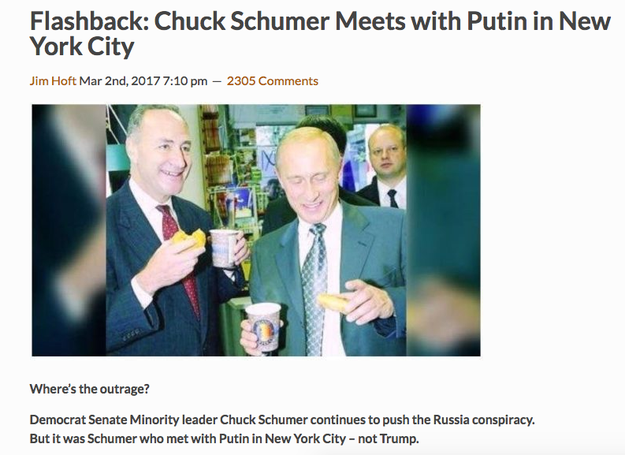
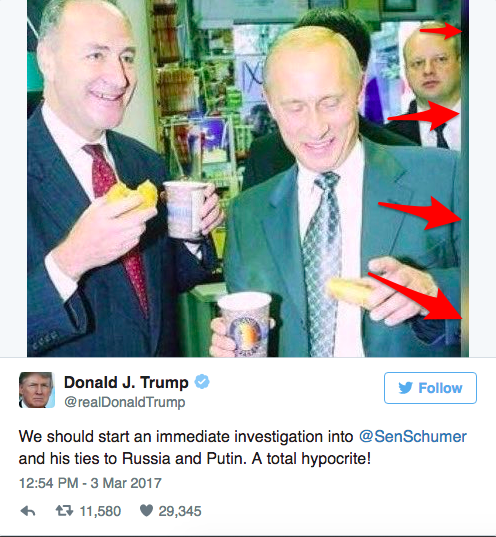
In response to reports that various members of Trump&039;s campaign and transition team met with Russian officials during last year&039;s election, the White House and areas of the pro-Trump internet are zeroing in on a photograph of Senator Chuck Schumer posing with Russian President Vladimir Putin. The photo, they argue, is proof of hypocrisy on the part of Democrats who are calling for further investigations into Trump&039;s Russia ties. This afternoon, the image was tweeted by President Trump with the caption: “We should start an immediate investigation into @SenSchumer and his ties to Russia and Putin. A total hypocrite&;”

The image is an AP photograph from September 2003, which appeared in newspapers after Putin visited the first New York gas station of the Russian company, Lukoil. However, before it was tweeted by Trump on Friday, the image gained popularity last night on Reddit and across the fringes of the conservative internet. And while it&039;s not unusual for Trump to tweet from unconventional sources and odd corners of the web, rarely has there been a more clear cut example of how a Trump tweet gets made.

Here&039;s a brief timeline:

Late Thursday afternoon, Redditor willdogs posted the image of New York Senator Chuck Schumer enjoying coffee and donuts with Russian President Vladimir Putin. The image was posted to r/The_Donald, the popular and active pro-Trump subreddit. Willdogs urged The_Donald to upvote the image to the top of Reddit.

Given Reddit&039;s popularity and The_Donald&039;s reputation among the pro-Trump corners of the internet, the image was quickly up-voted to the top of r/The_Donald and picked up among Trump supporters across the web.

The far-right blog, The Gateway Pundit, posted the image on its site just two hours later at 7:10 p.m. with the caption, “Where&039;s the outrage?”

One hour later, the image was picked up and tweeted by Infowars Editor-at-Large Paul Joseph Watson. The image was quickly retweeted over 6,500 times.

The image bounced around the internet, amassing RTs and comments on The_Donald. Other far-right, alt-right, and new-right websites picked it up. Here it is in the comments of an article yesterday on the conservative site, Free Republic:


Then, early Friday morning White House Social Media Director Dan Scavino posted the image to his personal Twitter account. The image was posted as a response to a tweet from Senator Schumer who pledged to “evaluate the scope of Russia&039;s interference in our election.”

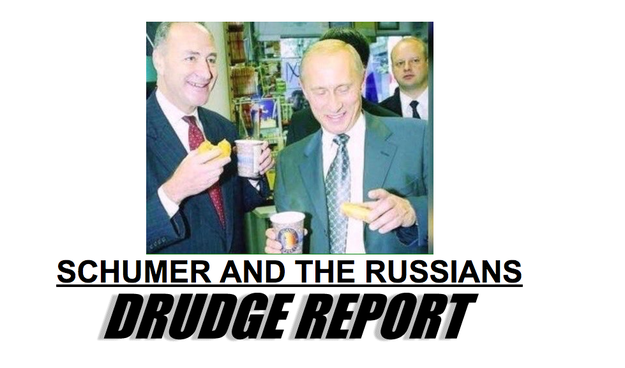
By noon on Friday, the photo was the lead image on The Drudge Report.

As the image hit peak saturation on the conservative internet, it received its final push. At 12:54 p.m. President Trump&039;s personal account posted the tweet.

You can also see the the blurred image outlay on the right side of the Scavino and Trump photos, which indicate that it came from the Reddit photo.

As a number of journalists and Trump Twitter watchers have pointed out, the tweet was sent from an iPhone, potentially signaling that it was tweeted by a staffer (potentially Scavino) rather than Trump himself, who is known to tweet from his Android phone.

Fin.

LINK: People Think Trump Is “So Presidential” After He Tried To Pivot Russia Allegations

Quelle: <a href="From Reddit To Trump&039;s Twitter — In Less Than 24 Hours“>BuzzFeed

The Computerized Lettuce Factory Of The Future

Bowery

Farming, even in its modern, hyper-industrialized form, still relies on some very old-school technology: the sun, dirt, seasons, tractors. It&;s all a bit messy and inefficient, at least by the standards of modern technologists, who are more accustomed to server farms that churn through data 24/7.

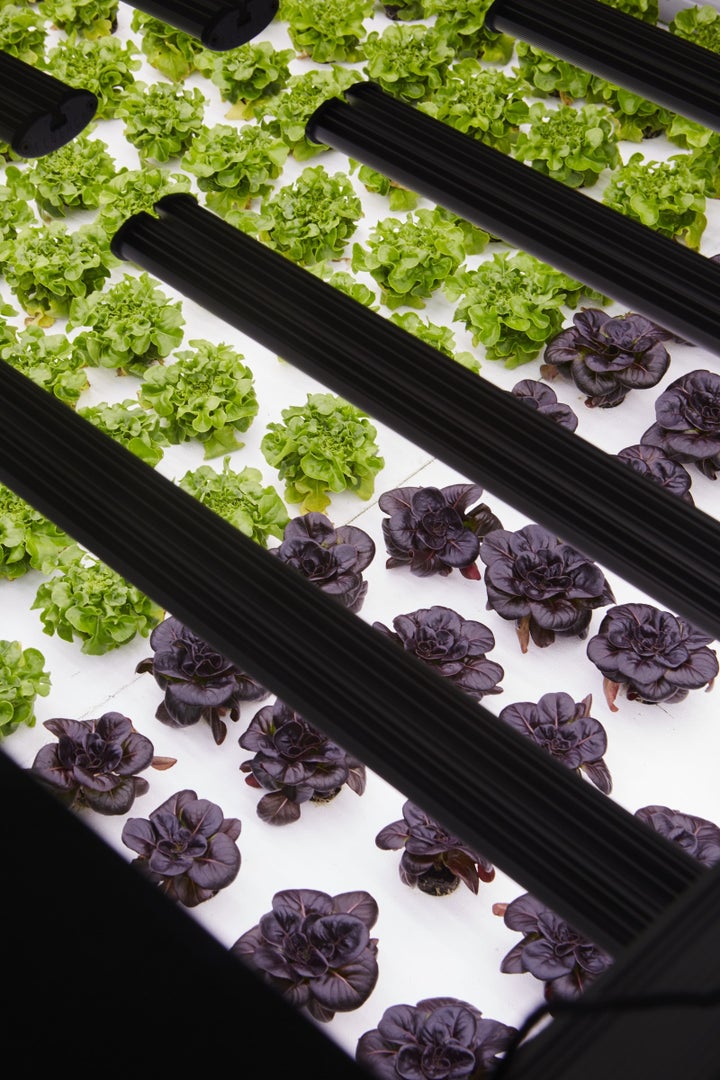
It&039;s not that surprising, then, that the self-declared farms of the future look more like an Amazon data center than an organic apple orchard. A wave of companies are rushing to figure out how to grow commercial volumes of food in giant urban warehouses, using LED lights instead of sun, and stacked shelves of nutrient solution instead of soil.

This particularly tech-centric model of urban farming us run by computer systems that monitor thousands of points of data and constantly adjust growing conditions. Marc Oshima, co-founder of AeroFarms, one of the world&039;s largest vertical farms, says the company uses “in-depth growing algorithms where we factor in all aspects from type and intensity of light to nutrients to environmental factors like temperature, humidity, CO2 levels, and we create the perfect recipe for each variety.”

While conventional agriculture companies engineer their crops to design plants suited to their environment — improving mildew resistance, for example — these companies are engineering the environment to match the plant.

None of this is cheap to set up. New Jersey&039;s AeroFarms has raised more than $50 million and says it can grow 2 million pounds of food each year in the “growing towers” in its 70,000 square foot facility in Newark. Gotham Green invested $8 million to build a rooftop farm in Chicago&039;s Pullman neighborhood. In February, New Jersey startup Bowery Farming, which attracted $7.5 million in a seed round, began selling locally grown leaf vegetables at Whole Foods and a few area restaurants, including Tom Colicchio&039;s Craft in Manhattan.

These high-tech farms — often led by entrepreneurs with backgrounds in finance and other non-farm businesses — are “definitely more expensive, but the expense is balanced out by more productivity,” said Irving Fain, CEO of Bowery and former Citigroup investment banker. Bowery estimates his facility is 100 times more productive per square foot than a typical farm.

Fain said Bowery&039;s operating system automatically monitors “hundreds of thousands of points of data on plant health, quality, growth, yield, taste and flavor.” Bowery is also designed to “take processes that are manually intensive and automate them” so that “the farm runs itself,” more or less. And because the environment is tightly controlled and there are no seasons, there are more harvest cycles — Areo has up to 30 harvests each year.
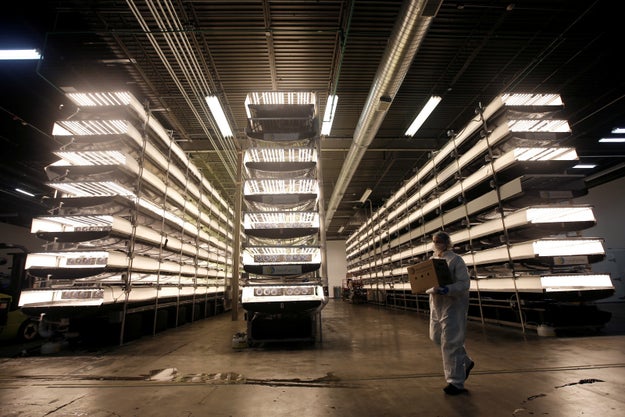
A worker carries a box of freshly harvested greens at AeroFarms.

Mike Segar / Reuters

So far, these capital-intensive indoor farms have focused on growing trendy greens that can be sold to the area&039;s salad-eating yuppies — baby kale, butterhead lettuce, arugula, and basil. A box of AeroFarms greens goes for $3.99, and Bowery Farming&039;s salad greens retail for $3.49, which is a lot more than a head of iceberg lettuce. And that&039;s the main challenge these startups face: there&039;s no shortage of cheap produce in supermarkets today.

It&039;s a pricey, niche product for now, but the companies have bigger plans. “As we scale, we plan to continue to drive down our costs and deliver the highest quality produce at a price that makes it even more accessible to all,” said Fain.

Oshima said AeroFarms is looking at other crops: berries, peppers, and cucumbers. “Our lens is on how we can transform agriculture around the world,” he said.

Realistically, these vertical farms “will never grow enough to feed cities,” said Danielle Nierenberg, cofounder of the nonprofit Food Tank. Grains like wheat, for instance, simply require more space than a warehouse can ever provide. But at the very least, she said, they bring some fresh food to urban communities, and may one day even create a new type of urban green space.

Bowery grows its greens hydroponically in a commercial warehouse in Kearny, New Jersey. The company says its farm requires 95% less water than a traditional farm and uses no pesticides or chemicals — and its location means its greens need to travel less than an hour to make it onto Manhattan restaurant plates.

These products can&039;t be called organic — that label generally refers to food grown in soil —so Bowery describes the model as “post organic.”

Bowery

“This is the next evolution in produce,” said Fain. “The USDA’s organic standards were written at a time when the technology that’s available today simply didn’t exist.

The high startup costs associated with these ventures — the lights, the software, the urban real estate — mean the risks are also high. “Unless you’re in a place with geothermal power, this can be very energy inefficient,” said Food Tank&039;s Nierenberg. “In the same way we romanticize rural agriculture, we can romanticize growing food in urban places.”

In January, the hydroponic farm FarmedHere closed its 90,000 square foot facility in Chicago and pulled the plug on plans to invest $23 million in a new farm in Louisville, Kentucky. The company&039;s high labor and energy costs meant it needed to sell huge volumes of produce to break even, CEO Nate Laurell told the Chicago Tribune. “The more I learned about the reality of farming, it led to a change of strategy”

Atlanta vertical farm PodPonics closed last year. Its co-CEO Matt Liotta recently spoke of the tough realities of the business at an industry conference. PodPonics achieved a cost per pound of $1.36 — less than the cost of shipping organic lettuce from California. The company had an offer from Kroger to order $25 million woth annually, if it could build the farm to support it.

“This was our wildest dream, we were ready to go, this was everything we wanted. And then we realized how much capital this was going to require, how many people we were going to have to hire,” said Liotta. “We were simply incapable of building everything they wanted.”

“This is really a manufacturing game,” Liotta said. “It is not an art. If you want to do art, get a garden.”

Bowery

Quelle: <a href="The Computerized Lettuce Factory Of The Future“>BuzzFeed

Indian Uber Drivers Aren’t Buying The Company’s Explanation About Why They’re Making Less Money

Indian taxi drivers take part in a protest against private carriers Uber and Ola in Mumbai in June 2016.

Punit Paranjpe / AFP / Getty Images

Uber has for the first time publicly addressed concerns surrounding earnings and incentives in India, which were raised by thousands of drivers in the country when they went on strike for several weeks last month.

Uber’s India President Amit Jain apologised to both riders and drivers in a company blog post published on Friday, and talked about falling driver earnings and reduced monetary incentives, which were both key issues for those striking.

Jain wrote that driving for Uber is “at heart an entrepreneurial activity,” unlike working as a private driver with set hours and fixed hourly wages. “Earnings are not one size fits all,” he said.

Uber drivers were joined on the strike action by those working for its Indian rival Ola.

Uber’s post said that 80% of drivers across India who are online for more than six hours a day make between Rs. 1,500 and Rs. 2,500 ($22 and $37) after Uber’s service fee, which — according to multiple drivers who spoke with BuzzFeed News — is approximately 25%.

Drivers, however, disputed Uber&;s figures and said that they were making just about Rs. 1,000 ($15) after driving for more than 12 hours a day — barely enough to pay for gas, let alone for other expenses.

“I don’t know why the Uber India head is writing this on their website,” said a driver who has been driving for the company in New Delhi for over two years, and wished to remain anonymous. “I sold my second car because I couldn’t afford to keep paying my monthly loan instalments each month. I’m definitely not earning enough.”

Jain also addressed monetary incentives that drivers received for hitting a certain number of trips each day. In the last few months, Uber has sharply reduced the amount it doles out to drivers who hit these targets — one of the main reasons why they went on strike last month.

“Incentives are dynamic, as is our business model,” wrote Jain. “[They] vary widely by individual drivers.” Jain explained that although Uber uses incentives to compensate drivers for their time in new cities where riders may not be familiar with Uber, the company rolls them back when it sees a “sustained high demand” from both riders and drivers. When this happens, Jain wrote, “we can shift from startup mode to a more sustainable business model… and invest more in drivers and our products for the long term.”

The last point is particularly relevant in the context of questions about the sustainability of Uber’s business model around the world. Although the company’s revenue has continued to grow, Uber lost over $2.2 billion in the first half of 2016, and more than $800 million in the third quarter according to Bloomberg.

Uber India saw a 60% year-on-year increase in driver sing-ups in January 2017, according to Jain’s post, but drivers told BuzzFeed News that this was, in fact, a problem.

“There are too many Uber cars on the streets and not enough demand,” said Rashid, an Uber driver based in New Delhi who signed with the service in November. “I don’t even get 10 rides a day. It’s just not sustainable for me to drive for Uber.”

Quelle: <a href="Indian Uber Drivers Aren’t Buying The Company’s Explanation About Why They’re Making Less Money“>BuzzFeed

Snap Will Remember Its IPO Day For The Cash It Made And The Expectations It Set

Drew Angerer / Getty Images

Snap Inc., the parent company of Snapchat, shot out of a cannon Thursday as it began trading on the open markets. Its stock, priced at $17 at its initial public offering Wednesday, immediately jumped to $24 as markets opened, and ended the day slightly above that price. When the dust settled, a company that brought in slightly over $400 million in revenue (while losing more than half a billion dollars) last year found itself valued at approximately $34 billion.

As the market’s optimistic judgment of Snap became clear, the Wall Street Journal published a post about the company with the headline “Submitted Without Comment…” In it, the Journal simply posted the stock charts of Twitter, GoPro, Groupon and Fitbit, each showing a price spike after IPO, and each showing a grueling downward zig zag as the companies fell back down to earth.

While the Journal didn’t “comment,” its implication was clear. Consumer-facing companies can generate an outsized amount of demand for their stock out of the gate. But when quarterly earnings reports come into play, investors will have no qualms dropping these companies like a rock if they don’t perform up to the market’s big expectations. Often, they must execute to near perfection, or they’ll be labeled a bust.

Snap certainly falls into this category. Its investors provided it with a decidedly steep hill to climb on its first day of trading, and now that it’s public, it will have to grow revenue significantly while keeping costs in check in order to justify its value.

Snap’s plan to grow revenue is a risky one. It’s in the hits business. In its S-1 document, the company essentially said its plan is to keep churning out new products (such as selfie filters and stories) to get people to spend more time on the app, and then selling more ads. “Our strategy is to invest in product innovation and take risks to improve our camera platform,” the company said. “We do this in an effort to drive user engagement, which we can then monetize through advertising.”

A few analysts have already begun question’s Snap’s ability to do so, warning investors to stay away. “We see Snap&;s revenue opportunity as constrained relative to expectations and, as such, we think shares are fairly valued at best at the IPO price.” Anthony DiClemente, an analyst at Instinet, wrote in a note to clients, slapping Snap’s stock with a “Sell” rating. And Brian Wieser, a senior analyst at Pivotal Research Group, went a step further. “It is significantly overvalued,” he wrote in a note of his own, setting a price target of $10, less than half the current trading price, while also advising investors to sell.

In a phone interview, Wieser recited a list of risks: There’s a chance that Facebook (which has already copied a number of Snap’s features) could crush it. Evan Spiegel’s intimate involvement in the minutia of products makes the operation difficult to scale, he said. Also concerning: Keeping secrets inside your own company, as Snap reportedly does.

“My view is what I call cautiously optimistic and I’m a sell,” he said. “$10 should be if everything goes right.”

Another analyst who couldn’t speak on record told BuzzFeed News that he’s not sold on Snap’s ability to grow revenue meaningfully, since its volume of users above 35 is so small — the majority of Snap’s users are 18-34, according to its S-1 — that entire buckets of ad dollars will be impossible to crack. “The enthusiasm can hang around for a while, but my guess is that it comes back to earth,” he said.

Jeremy Liew, Snap’s first investor, said companies competing against Facebook and Google for ad money have a real chance to make their businesses work. “On Madison Avenue, there’s someone asking their team, ‘What’s our Twitter strategy? What’s our Facebook strategy? What’s our Snapchat strategy? What’s our GIF strategy? In each instance, if you can become part of popular culture then you get to carve a piece of the [advertising] pie out for yourself,” he said.

Today, many people associated with Snap made a boatload of money. It was a big success if you consider the cash out alone. But the longer term picture for Snap looks decidedly more daunting. It’s day one, and the pressure is on.

Quelle: <a href="Snap Will Remember Its IPO Day For The Cash It Made And The Expectations It Set“>BuzzFeed

Uber Says It Is Not Investigating Former Female Engineer "Personally"

Justin Sullivan / Getty Images

Uber on Thursday rebutted claims that it is investigating Susan Fowler Rigetti, a former female engineer who penned a viral essay accusing it of systemic sexism.

“The law firm Perkins Coie is looking into the specific allegations raised by Susan,” Uber said in a statement to BuzzFeed News. “They will report into Eric Holder, who is responsible for the overall investigation into Uber&;s workplace practices. To be clear: they are investigating Susan&039;s claims, not Susan personally.”

Uber&039;s statement on what appears to be a new facet of the probe former attorney general Eric Holder is conducting on its behalf followed a Thursday morning tweet from Rigetti suggesting that the ride-hailing company has been investigating her. In the same tweet, Rigetti — whose essay has caused a sprawling public relations crisis for Uber — claimed the company has “blamed/named” her for Uber account deletions and said that she&039;s retained legal counsel.

Rigetti and the law firm she says she&039;s retained have not yet responded to a request for comment.

Since Rigetti’s blog published on Feb. 19, Uber has faced an unrelenting public relations disaster. During an all hands meeting held shortly after its publication, CEO Travis Kalanick promised employees the company would hold itself accountable and “do better.” But a few days later, The New York Times published a blistering story with additional details of Uber&039;s aggressive workplace culture. BuzzFeed News subsequently published leaked audio of an internal meeting in which a group of more than 100 of Uber’s female engineers, implored Kalanick to admit that the company had a systemic sexism problem. Then, earlier this week Bloomberg published dashcam-shot video of Kalanick berating an Uber driver who complained to him about falling fares. Kalanick later apologized for his outburst in a company-wide email. “I must fundamentally change as a leader and grow up,” he wrote, adding that he plans to seek “leadership help.”

This isn&039;t the first time Uber has been accused of investigating former employees. In March 2016, a former Uber employee told BuzzFeed News that an investigator claiming to work on behalf of the ride-hail giant entered her apartment without permission while investigating a BuzzFeed News article about leaked internal data regarding rape and sexual assault. At the time, an Uber spokesperson confirmed that the company was investigating the source of a leak, saying “we have an obligation to look into situations like this where sensitive confidential and personal information has been shared.”

Quelle: <a href="Uber Says It Is Not Investigating Former Female Engineer "Personally"“>BuzzFeed

This Shopping Experience Is For People Who Don't Like People

This Shopping Experience Is For People Who Don't Like People

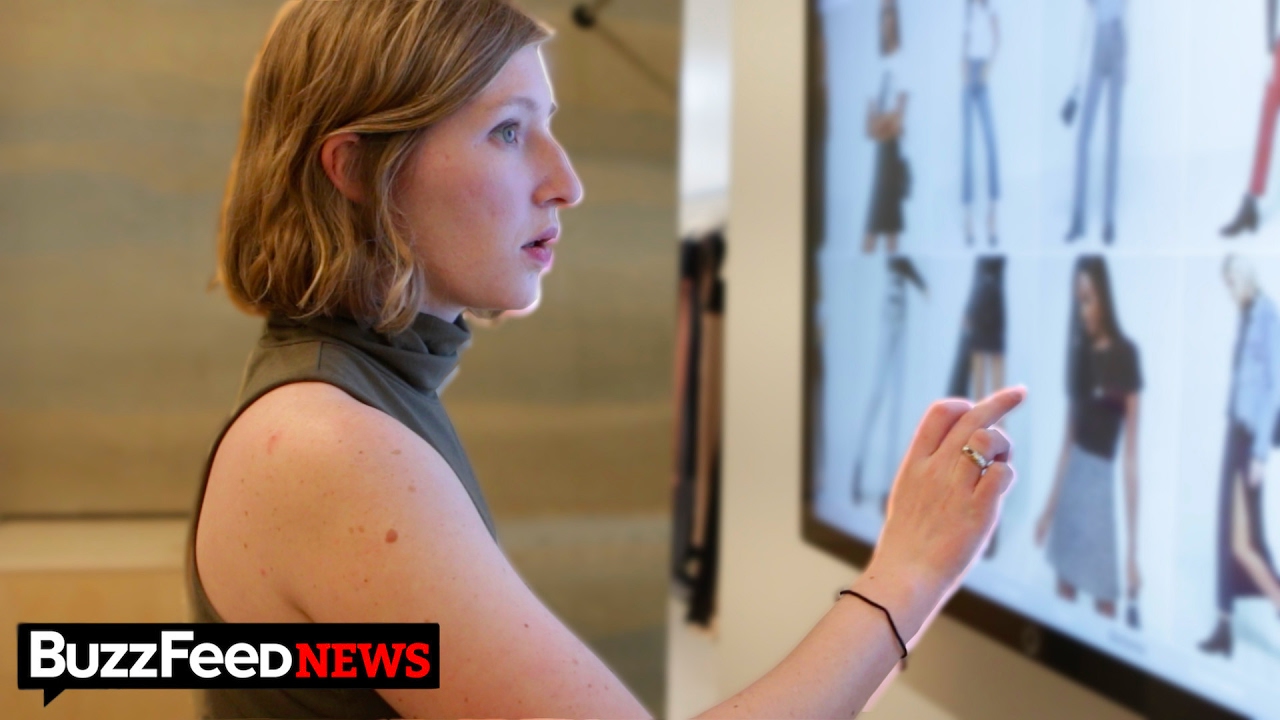
Women&;s fashion brand Reformation has a futuristic new store in San Francisco that uses touchscreens instead of salespeople. BuzzFeed News took a look around.

The women’s fashion brand Reformation has a futuristic new store located in San Francisco’s Mission district.

youtube.com

Allyson Laquian / BuzzFeed News / Google Maps

If you don’t like interacting with salespeople, this is the store for you.

If you don’t like interacting with salespeople, this is the store for you.

Allyson Laquian / BuzzFeed News

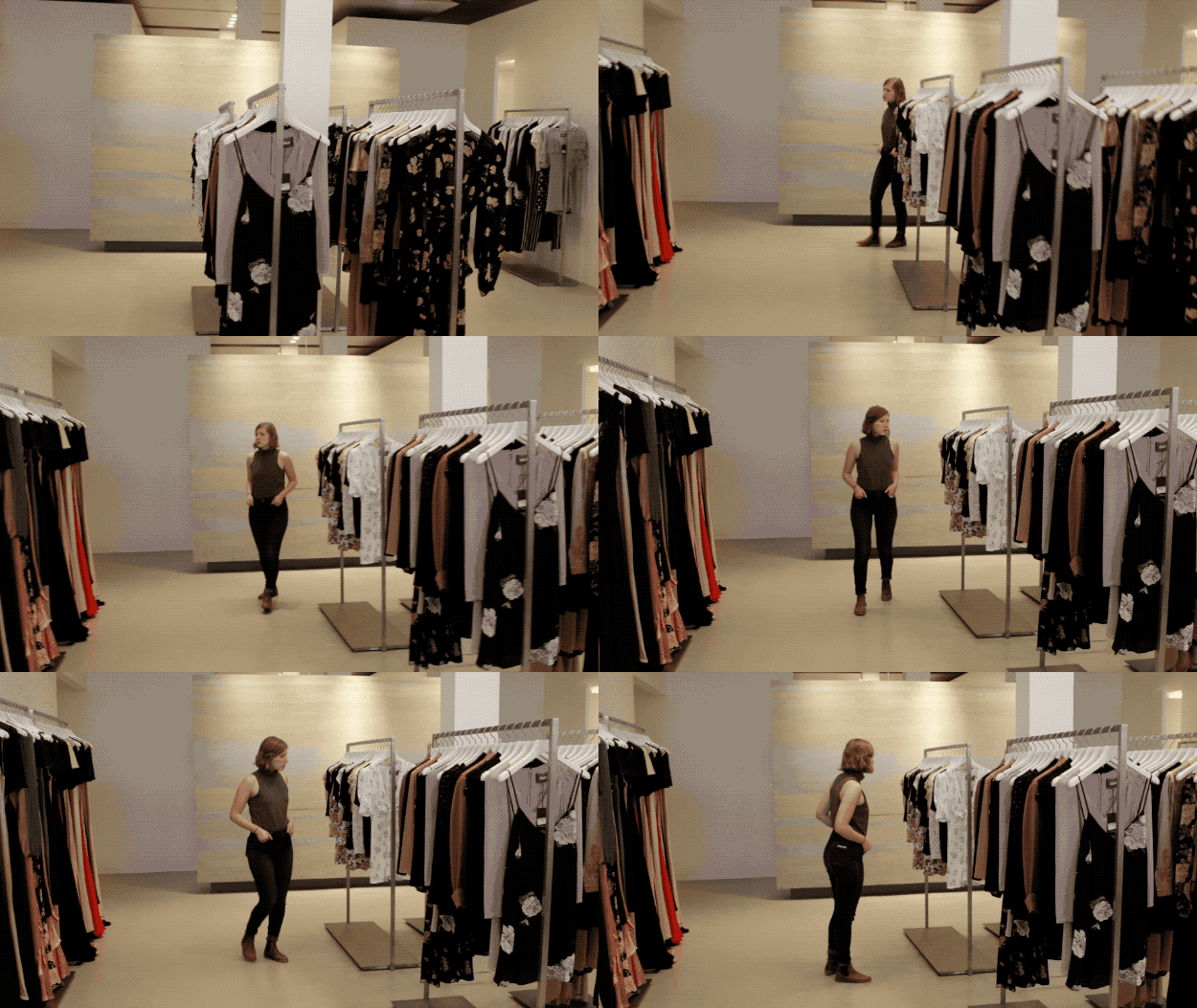
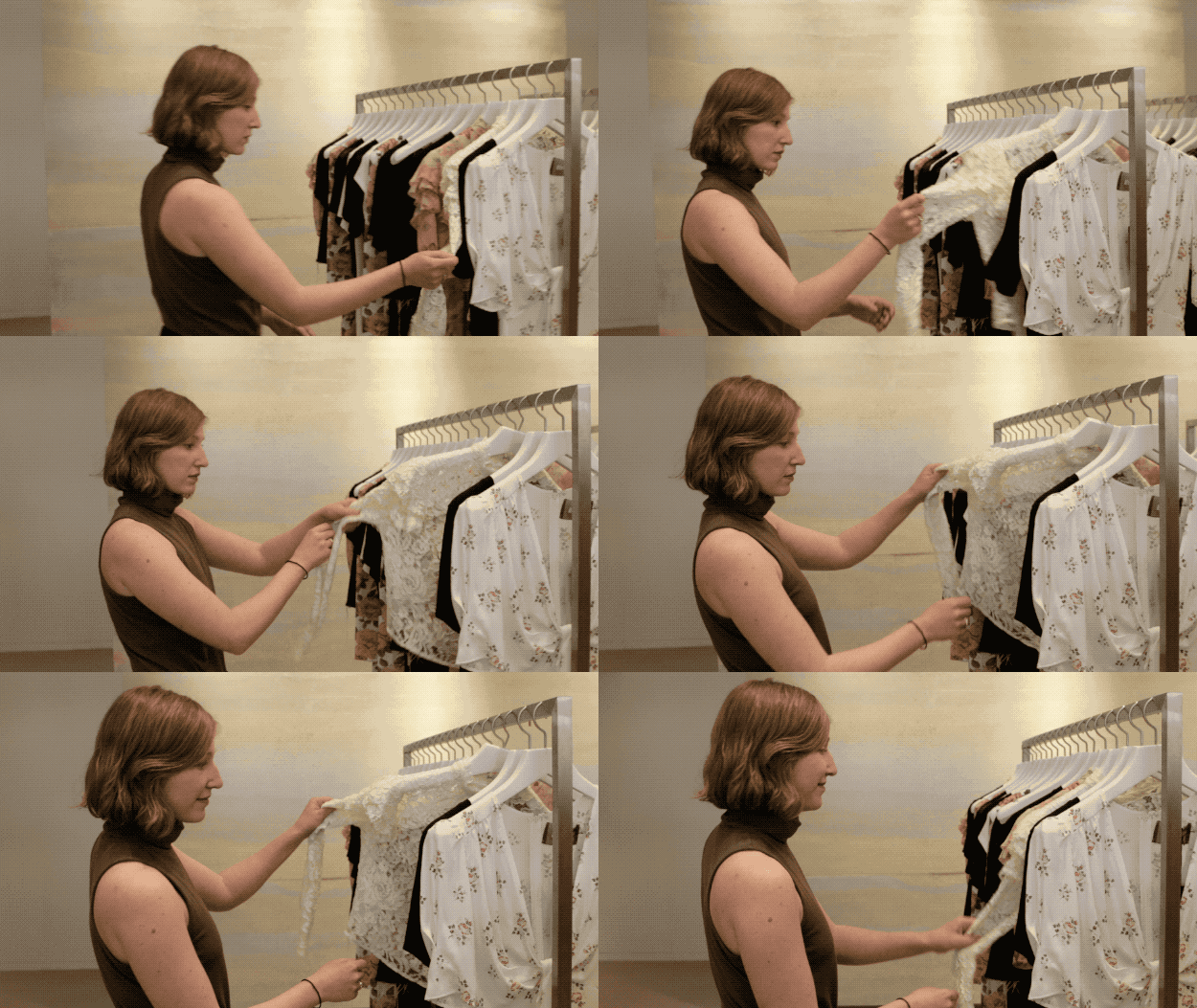
Once you walk in, you can browse clothing racks IRL in the showroom.

Once you walk in, you can browse clothing racks IRL in the showroom.

Allyson Laquian / BuzzFeed News


View Entire List ›

Quelle: <a href="This Shopping Experience Is For People Who Don&039;t Like People“>BuzzFeed

Miranda Kerr Snapchatted The Hell Out Of Snap's IPO, Because Of Course

@NYSE / Via Twitter: @NYSE

Evan Spiegel, Snap&;s co-founder and CEO, has helped make Snapchat a giant among The Kids. About 60% of American Snapchat users are under 24, according to some estimates.

But no one covered Snap’s IPO as hard as Miranda Kerr, Spiegel’s supermodel fiancée and avid Snapchat user.

But no one covered Snap's IPO as hard as Miranda Kerr, Spiegel's supermodel fiancée and avid Snapchat user.

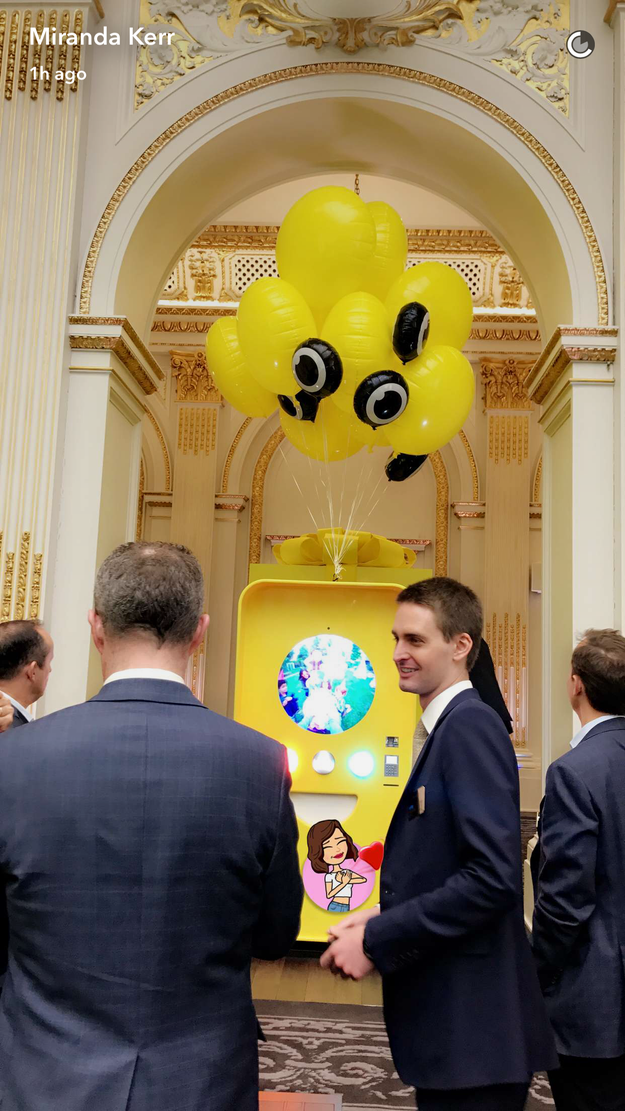
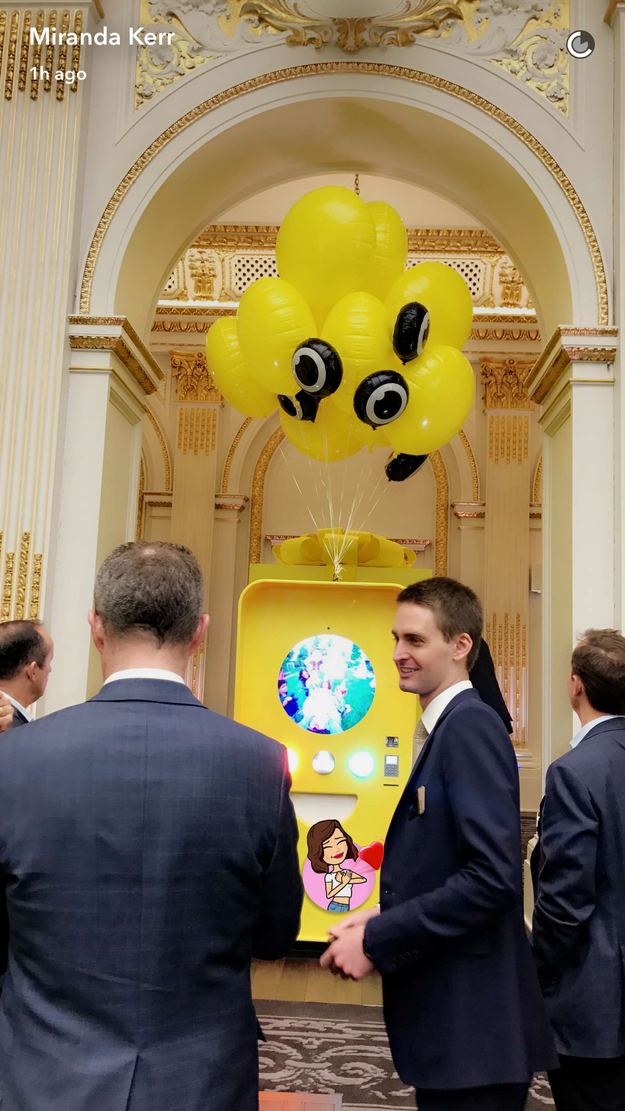
Evan Spiegel, minutes before his net wealth increased by more than a billion dollars.

Miranda Kerr

@alexeheath / Via Twitter: @alexeheath

@HarrisonWeber / Via Twitter: @HarrisonWeber

Kerr’s Snapchat story started out in a dressing room looking super dreamy with the butterfly filter.

View Video ›

Miranda Kerr

There’s her boo, Evan.

There's her boo, Evan.

Here she is snapping in front of a news story about Snap’s IPO adorned in the purple flower filter like the glowing fiancee of an internet billionaire.

Here she is snapping in front of a news story about Snap's IPO adorned in the purple flower filter like the glowing fiancee of an internet billionaire.

Miranda Kerr

It was a good morning for the Kerr-Spiegel team. Evan Spiegel got a whole lot richer as trading began, and his stake in Snap Inc rose in value by more than $1.5 billion. In total, Spiegel now owns more than $5 billion of stock in the company.

Frustrated Snap Social Influencers Leaving For Rival Platforms

Frustrated Snap Social Influencers Leaving For Rival Platforms

Sallia Goldstein

During a November 2014 trip to Los Angeles, Boston-based Snapchat creator Mike Platco stopped by Snap&;s Venice, CA offices to say hello. At the time Platco had amassed a sizable audience of followers — large enough that he was preparing to leave his day job to create content for Snapchat full-time. He figured a casual visit to Snap HQ, while perhaps unexpected, wasn&039;t untoward given his profile on the platform. But after trading messages with a few Snap employees, Platco was turned away at the door. There would be no visit.

“That was the very first in a long history of instances where Snapchat really solidified its position as giver of zero fucks,” Platco told BuzzFeed News. With approximately 500,000 Snapchat followers, he now works regularly with brands who pay him as much as $80,000 for a series of posts.

To paraphrase Patco, Snapchat hasn’t done much to foster a good relationship with creators — people who specialize in making the raw, goofy content that feels native to social media. These creators — particularly those who&039;ve emerged as social media personalities — can be quite powerful in aggregate. Many have passionate audiences willing to follow them from platform to platform. Now, after years of feeling neglected by Snapchat, some of these creators are fed up and taking their work and their fans elsewhere. That could be problematic for the newly-public company — just ask Vine, which last year suffered a catastrophic migration of top Viners to rival platforms like Instagram and, yes, Snapchat for similar reasons.

“Creators are starting to post less on Snapchat.”

“Creators are starting to post less on Snapchat,” said one manager of well-known social creators. “Where it used to be the primary platform they were making content for, now it’s like a secondary platform where they’ll make content for other platforms and repost it on Snapchat.”

Platco, who says he owes his fame to Snapchat, is now working to move his followers to Instagram. He feels it offers the type of support Snapchat hasn’t — listening to product feedback, providing post analytics and promotion. “I love Instagram,” Platco said. “Every single bad thing I could possibly say about Snapchat, I could say the opposite of how my relationship is going with Instagram.”

Platco spent the two weeks before Christmas pushing his Snapchat followers to his Instagram account with artistic posts and offers of “epic” Instagram-only giveaways. The campaign tripled Platco&039;s following on the photo-sharing service, though it’s still far smaller than the one he’s amassed on Snapchat. “I’m just going to keep grinding it out and come up with new and engaging ways to get my followers over to Instagram,” he said.

Instagram: @mplatco

Sallia Goldstein, another widely followed Snapchat creator, said she moved to Instagram two weeks ago — reluctantly. “It’s not because I necessarily want to move everything over to Instagram,” she told BuzzFeed News. “It’s because I have to.”

“It’s not because I want to move everything over to Instagram. It’s because I have to.”

Goldstein shifted her work to Instagram because Snapchat’s pokey performance on Android made the app effectively unusable for her. She was unable to work through those issues with Snap (messages to support went nowhere); So now Goldstein uses her Snapchat account to push her followers to Instagram. She’ll often start a story on Snapchat and tell her followers to head over to Instagram to watch the rest. “I would much rather make stories on Snapchat than Instagram. Snapchat has so many more creative tools than Instagram,” Goldstein said. But she&039;s had great success migrating followers from Snapchat to Instagram; Each promotion reliably sends between 500 and 1,000 followers across. Goldstein figures her Instagram following will match her Snapchat audience in a matter on months.

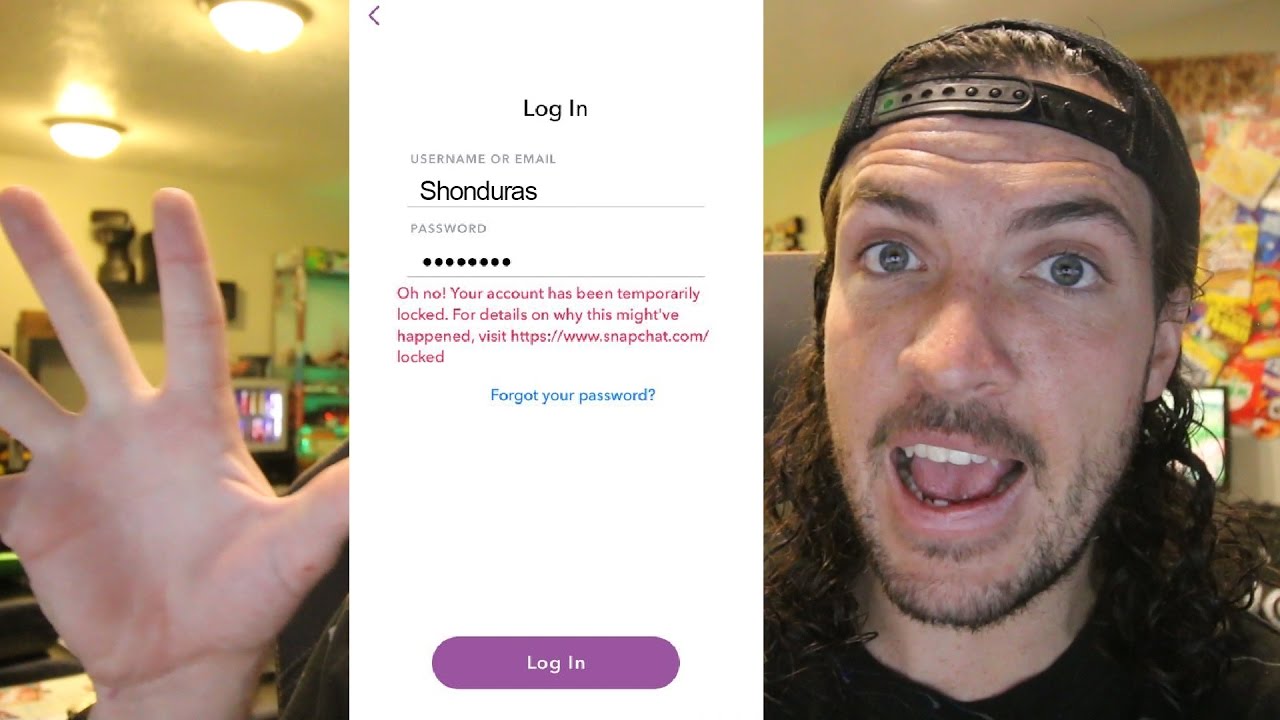
Like Goldstein, many of the creators BuzzFeed News spoke with are fond of Snapchat and the opportunity it’s provided them. “I think it’s a really great platform for being unique and creating content.” Shaun McBride, an outspoken Snapchat creator who goes by the name Shonduras, told BuzzFeed News. “I like Snapchat,” said Cyrene “CyreneQ” Quiamco, another creator. “I’m an artist and Snapchat is the paint.”

But these creators also dismayed by Snapchat’s seeming unwillingness to collaborate with them — specifically to refine its publishing tools to help them work more closely with the brands that pay them. For many creators who make their livings posting branded content to social media platforms, a toolset that helps them to measure and dissect the audiences they reach is crucial. According to the creators interviewed for this article, Snap doesn&039;t have that, nor is it particularly attentive to their requests that it develop one. “If Snapchat would just open up the lines of communication with creators and help us understand the platform better so we could work [more easily] with brands, we&039;d probably focus more on posting our best content on Snapchat,” said McBride.

youtube.com

So far that hasn&039;t happened. And creators are growing antsy; McBride has recently been focusing his attention on YouTube, where’s he’s built a following of nearly 1 million users. Meanwhile, Story views on Snapchat have declined precipitously, according to the social analytics company Delmondo. They slipped 40% from July 2016 to November 2016, a fall that began roughly with the introduction of Instagram Stories. “There is a very defined path to monetization for the aspiring online video star outside of Snapchat rather than on Snapchat,” Delmondo CEO Nick Cicero told BuzzFeed News.

Snapchat parent company Snap Inc. — which will begin trading publicly tomorrow at a heady initial share price of $17 — declined comment on record about creator claims of neglect. But longtime observers of the company say its lack of engagement with creators is strategic — a purposeful move to give Snapchat a friends and family feel that will differentiate it from rivals.

“This isn’t some mistake that Snapchat is not seeing,” Jason Stein, CEO of the advertising agency Laundry Service told BuzzFeed News. “They’re making a thoughtful decision to be something different than the other platforms.”

A Snapchat spokesperson confirmed that the company’s focus is on friends and family, not influencers. And that’s intentional.

Question is, can Snap continue to pursue that strategy and shoulder the associated risks with public market investors demanding that it live up to its sky-high valuation. You only need only look to Twitter for how a scenario like that can quickly turn ugly.

“While there are certainly cons to what they’re doing, there are also many pros,” Stein explained. “That’s what’s made them successful to this point. The question is how does that scale as a public company.”

Quelle: <a href="Frustrated Snap Social Influencers Leaving For Rival Platforms“>BuzzFeed

Oculus Just Slashed Its Prices, But VR Is Still Expensive

Oculus just cut the price of its Rift virtual reality headset from $599 to $499 and its controllers from $199 each to $99.

You can also buy a Rift and two controllers for a $598 bundle. The company, owned by Facebook, makes the Oculus Rift headset and the software that powers the Samsung Gear.

Oculus / Via oculus.com

The price cuts are meant to make the Rift more accessible to people turned off by its high cost. But $600 is still a big chunk of change. And to use an Oculus, you still need a computer with enough processing power and memory to download and run the games, and as mentioned on Oculus&; website, these kinds of computers often cost upwards of $1,000.

This doesn&039;t mean Oculus is failing.

Oculus won&039;t disclose how many Rifts it&039;s sold so far, but the New York Times reports that this kind of price cut isn&039;t indicative of struggling sales at Oculus. It&039;s more likely that, as the company smooths out its manufacturing and logistics, there are fewer recurring errors that bring up the average cost of a unit. The company wants to expand beyond its core audience of tech and gaming enthusiasts, so Oculus hopes the cuts will lure more people to virtual reality, according to the Times.

But its price isn&039;t helping.

Oculus has competition in the VR space. Sony recently announced it sold almost a million Playstation VR headsets just four months after the device&039;s debut in October 2016. Oculus has been on the market since March 2016. The Playstation VR, priced at $399, runs on the Playstation 4 console, also priced at $399.

Sony, which has sold 53 million Playstation 4 consoles, has an established lineage of dedicated partner studios and blockbuster titles. Oculus, much newer to the gaming industry, faces wariness about the return on investment for VR games. Oculus doesn&039;t have a game as big as Mario or Halo yet, though Oculus does plan to release one game per month from its internal studios in 2017.

In a blog post, Oculus executive Jason Rubin acknowledged that price seems be a determining factor in how well VR rigs sell. He notes that Playstation&039;s console headset is beating the Rift because of its competitive price, but that “even less expensive Mobile VR headsets, like our Gear VR device, are outselling Console VR.”

It&039;s true&; VR devices are mad expensive&033;

Giphy

The other powerful VR rig, the HTC Vive, will cost you $800 for a headset, two controllers, and two motion-sensing towers. And that price doesn&039;t even take into account the powerful PC you need tether it to. Vive said in a statement that it won&039;t match the Rift&039;s price.

Even Google Cardboard, just $15, relies on a smartphone with a data plan. Google also recently released the Google Daydream VR headset ($80), which currently only works with Google&039;s Pixel smartphone ($649).

So for some people, Oculus&039; price cuts still aren&039;t enough.

Quelle: <a href="Oculus Just Slashed Its Prices, But VR Is Still Expensive“>BuzzFeed