Google Sometimes Highlights Misinformation In Search Results

Google keeps highlighting false and conspiratorial information in its search results.

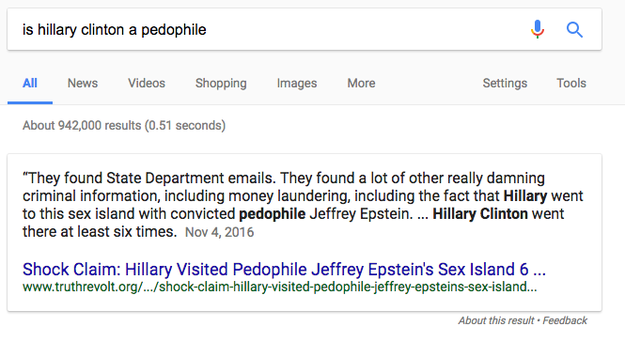
Truthrevolt.org, shown here as the source in a featured snippet on Google, publishes a mix of factual news with hyper-conservative spin and news not supported by facts.

First pointed out by Danny Sullivan, editor-in-chief of the blog SearchEngineLand, the issue concerns featured snippets — which is the text from top search results that Google&;s algorithm sometimes displays when you look something up. Sometimes, Google&039;s featured snippets show conspiratorial and outright false results from hyperpartisan news sources. MozCast, which monitors Google&039;s search algorithm, says that 20% of searches may return a featured snippet.

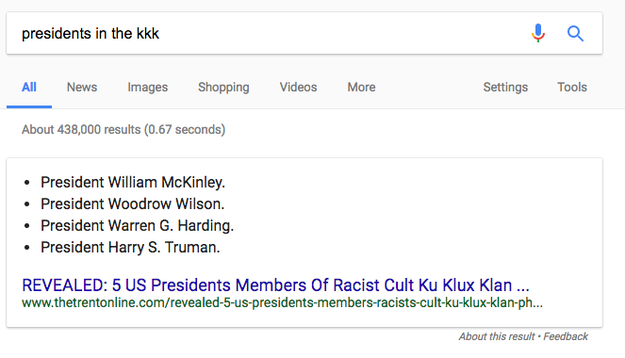
If you search for “presidents in the KKK,” Google shows a featured snippet listing the names of five presidents, none of whom were actually in the KKK. Google is pulling the result from thetrentonline.com, a digital publication that bills itself as “Nigeria&039;s premier online newspaper.” No presidents were confirmed members of the KKK, though Harding and Truman faced allegations of membership. As of March 7, 2017, Google is still showing this as the top result for the search query.

And the problem bridges political ideologies:

It&039;s not the first time this has happened, Sullivan points out. In 2015, Google highlighted a religious answer explaining what happened to dinosaurs, and in 2014 the first result for “king of the united states” was “Barack Obama.”

Google does not present the snippets as facts or news, instead describing them by saying, “When we recognize that a query asks a question, we programmatically detect pages that answer the user&039;s question, and display a top result as a featured snippet in the search results. Like all search results, featured snippets reflect the views or opinion of the site from which we extract the snippet, not that of Google.” But because Google highlights and promotes these results, it can give users a cursory impression that Google may be promoting the material because it directly and correctly answers the searcher&039;s question.

After fake news on Facebook played a starring role in the 2016 election, Google has taken a hard stance against fake news sites in its online ad networks, banning hundred of publishers in Q4 2016. Facebook and Twitter, by contrast, have taken a more hands-off approach as they struggle to remain committed to the idea of unfettered free speech while also facing criticism for being a platform on which misinformation spreads. Making things worse is the fact that most Americans believe fake news when they see it.

If you&039;re getting bad search results in the featured snippets box, you can opt out of having them displayed, though you&039;ll need to understand HTML webpage code to do it.

Google said in a statement, “Featured Snippets in Search provide an automatic and algorithmic match to a given search query, and the content comes from third-party sites. Unfortunately, there are instances when we feature a site with inappropriate or misleading content. When we are alerted to a Featured Snippet that violates our policies, we work quickly to remove them, which we have done in this instance. We apologize for any offense this may have caused.”

Quelle: <a href="Google Sometimes Highlights Misinformation In Search Results“>BuzzFeed

LinkedIn Blocked In Russia Over Refusal To Store Data On Russian-Based Servers

Dado Ruvic / Reuters

Access to LinkedIn remains blocked in Russia as negotiations between Russian communication regulators and the networking company dissolved Tuesday following disagreements over data storage rules.

Businesses that store information tied to Russian citizens are required to hold that data on servers located in Russia, but LinkedIn failed to comply, Russian telecom regulator Roskomnadzor said.

According to Reuters, regulators claimed that the Microsoft-owned company had refused to move its Russian user data to sites on Russian soil, “confirming its lack of interest in working on the Russian market.” Russia first blocked LinkedIn last year, following a court decision in which LinkedIn was found to have violated the law mandating the local storage of Russian data.

The local data storage rules came into effect in 2015, amid broader efforts by Russian authorities to exercise greater control over the internet.

A spokesperson for LinkedIn told BuzzFeed News in a statement that the company is disappointed in the decision, but hopes to restore service in the future. LinkedIn also maintains that it has followed the rules in the Russian Federation.

“We are disappointed with Roskomnadzor&;s action to block LinkedIn as it denies access to our services for our members and customers in Russia,” LinkedIn said. “While we believe we comply with all applicable laws, and despite conversations with Roskomnadzor, including meeting with them in Moscow in December 2016, we have been unable to reach an understanding that would see them lift the block on LinkedIn in the Russian Federation.”

Quelle: <a href="LinkedIn Blocked In Russia Over Refusal To Store Data On Russian-Based Servers“>BuzzFeed

No, WikiLeaks Didn't Just Reveal That The Government Has Access To Your Secure Messaging Apps

Reuters File Photo / Reuters

SAN FRANCISCO — A misreading of new WikiLeaks documents published Tuesday morning led to mass panic over whether the CIA and allied intelligence organizations could hack into secure messaging apps trusted by millions of people across the world.

The claims were made off a cache of almost 9,000 documents and files that WikiLeaks said came from the CIA&;s Center for Cyber Intelligence and allegedly detail how the CIA hacks into phones, laptops, and other connected devices. A number of news outlets reported that the documents revealed that Signal, WhatsApp, and other messaging apps that use high-level encryption to ensure that messages are sent and received safely had been compromised.

Cybersecurity experts, however, were quick to point out that the documents simply stated that if a phone was compromised — which is to say if the CIA hacked into the phone itself — any apps on that phone would no longer be secure. This is the equivalent of saying that if your house is broken into and bugged, whispering softly on your phone in your bedroom is not going to make that conversation secure.

The leak is the latest to become public by WikiLeaks, which has come under fire for failing to adequately redact certain documents and also for its role in the US election. Last year the group released thousands of emails detailing the communications of top Democratic Party leaders — which were widely believed to originate from a Russian government–sponsored hack. US intelligence agencies accused Russia of trying to meddle in the US elections and said WikiLeaks had assisted in that cause.

Quelle: <a href="No, WikiLeaks Didn&039;t Just Reveal That The Government Has Access To Your Secure Messaging Apps“>BuzzFeed

Google Staffs Up As It Tries To Find A Way Into Trump Administration Circles

Eric Piermont / AFP / Getty Images

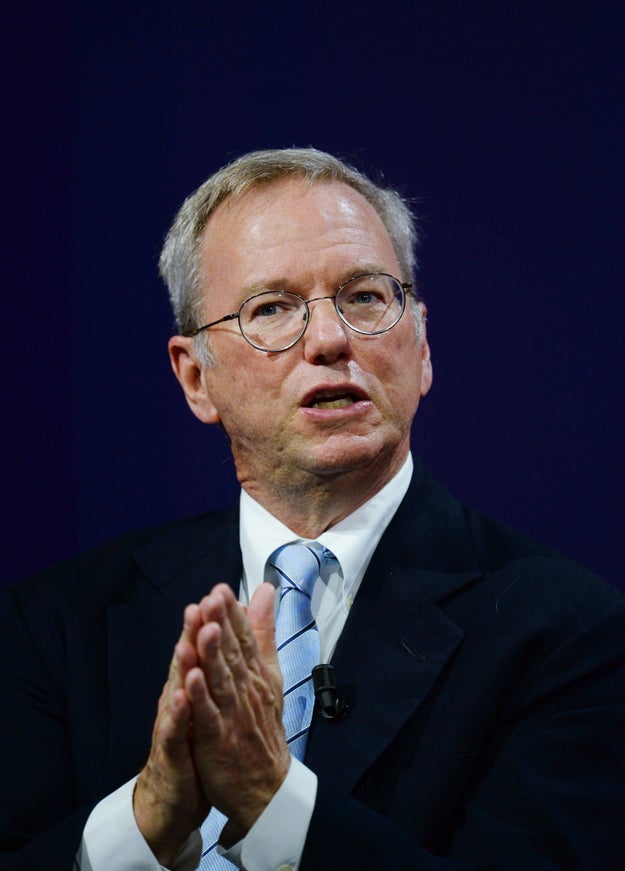
After vocally opposing President Trump, Alphabet, Google&;s parent company, has been making quiet inroads in Republican circles with a series of new hires and administration outreach.

Alphabet was one of several tech companies that led the charge in opposition to President Trump&039;s initial travel ban — it helped mount a legal challenge, hosted rallies on its campuses, and one of its co-founders took part in an airport protest. Its executive chairman, Eric Schmidt, who supported Hillary Clinton&039;s presidential campaign and had close ties to Obama, even told employees that the administration is going to do “evil things.” Yet simultaneously to that vocal opposition, the search giant has been working to secure its footing in the new GOP-dominated landscape.

Google recently hired two people to help bolster the company&039;s outreach to conservative groups and the Trump administration. Lee Carosi Dunn, who was previously head of elections sales and a Republican lobbyist for Google, is now the head of White House strategy and outreach. And Max Pappas, formerly a top advisor to Republican Senator Ted Cruz, will now serve as Google&039;s manager of outreach and public policy partnerships, working as Google&039;s point-person to conservative advocacy groups.

The company is also looking for an account team leader to helm Republican political advertising. Posted late last week, the position calls for candidates with “a wealth of experience with Republican campaigns,” and “strong relationships with GOP campaign managers, pollsters and general consultants.” In addition to an advanced degree and five years of management experience, the preferred qualifications include “deep relationships in Republican politics.”

Luntz Global, the corporate and political consulting firm founded by Republican pollster Frank Luntz, has also been tapped by the company to help with messaging and outreach to the administration, according to a person familiar with the partnership. Google has worked with Luntz Global in the past. The company is listed as one of their corporate clients among Uber, HBO, Walt Disney and several others. Neither Google/Alphabet nor Luntz Global responded to a request for comment.

Vincent Harris, CEO of Harris Media, who led digital strategy for Rand Paul’s presidential run and managed digital operations for Ted Cruz, told BuzzFeed News that the company has vastly improved its relationships among Republican operatives since he began working with it eight years ago.

“Google always has to be concerned about looking too liberal as a company from the perspective of the Republicans,” he said.

“Their management&039;s politics are often out of sync with the Republican party but from my personal perspective, the company has bent over backwards to try and work with Republican agencies and campaigns.” He added, “They often go out of their way to avoid any appearance of favoritism for Democrats.

Matt Stoller, a fellow at the Open Markets program at New America, whose research focuses on competition policy, described Google/Alphabet&039;s influence during the Obama years as “Wall Street West.”

“They weren&039;t going to repeat the mistakes of Microsoft,” Stoller told BuzzFeed News, referring to that company&039;s antitrust issues during the Clinton administration. “Microsoft showed disdain for Washington and thats why they got hit with the antitrust suit. That&039;s why Google curried so much political favor.”

But courting Republicans in Trump&039;s Washington may come as a challenge. And under the new administration, Stoller thinks the company is in a bind. “There are multiple factions in the Trump world that do not like Google — both corporate competitors who are up against a monopoly, but also some of the nationalists don&039;t trust Silicon Valley.”

Another point of tension exists between the company&039;s valuable engineering workforce, which generally opposes President Trump&039;s policies, and Alphabet&039;s corporate leadership, which has to curry favor with the White House.

Still, Alphabet remains a Washington powerhouse. Last year the company spent over $15.4 million lobbying Congress and federal agencies, and hired nearly two dozen outside firms to help push its priorities. It continues to outspend every other technology company in the nation&039;s capital.

Who President Trump appoints to fill top antitrust posts in the federal government may also serve as a sign of Alphabet&039;s influence in the post-Obama era. Trump has yet to nominate a permanent chair of the Federal Trade Commission or the chief antitrust lawyer at the Department of Justice. How these officials might grapple with Alphabet&039;s sprawling businesses and those of other tech titans like Amazon and Facebook will be closely watched. While regulators in Europe have brought several anti-competitive charges against Alphabet, the FTC closed its probe of the company&039;s search practices in 2013, a contentious move that critics point to as a troubling aspect of Obama&039;s tech legacy.

Three people with knowledge of Trump&039;s staffing decisions have told BuzzFeed News that Utah Attorney General Sean Reyes, who has called for the FTC to re-open that antitrust case, is a leading contender for the FTC chair.

Quelle: <a href="Google Staffs Up As It Tries To Find A Way Into Trump Administration Circles“>BuzzFeed

This Trojan Horse App Sneaks Vital Info To Women In Iran

Atta Kenare / AFP / Getty Images

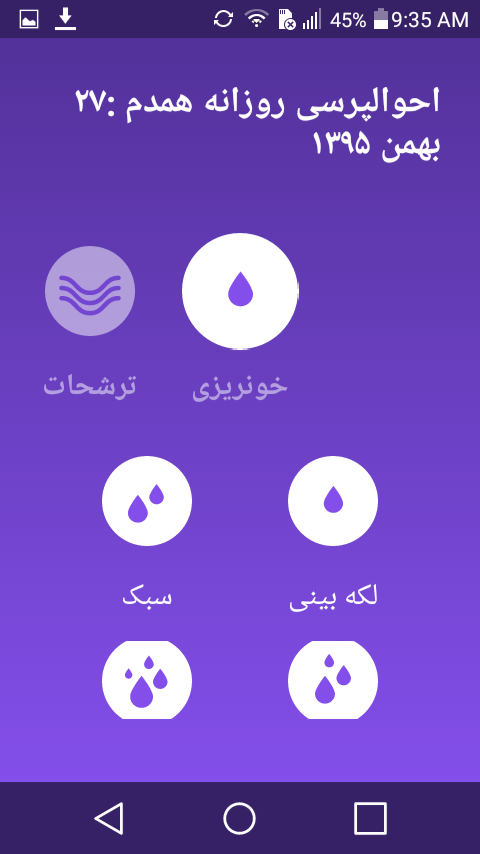
When Silicon Valley started building smartphone apps for women’s health a few years ago, venture capitalists and startup founders gravitated toward period-tracking. Hamdam, an app aimed at Iranian women, offers the same service. Except that Hamdam, which launched this weekend, uses period-tracking as a Trojan horse to give women in Iran access to information about contraception, STDs, rape, sexual harassment, and domestic violence. Hamdam also provides legal language that women can use to strengthen their rights in a marriage contract, which are standard in Iran and typically favor the husband. Text inside the app covers rights around child custody and the ability to work, to continue education, or to seek a divorce.

Hamdam is the second app to be spun out of IranCubator, an app development program launched last year by United for Iran, a Berkeley-based nonprofit formed after the 2009 uprising in Iran. IranCubator was conceived as a way to leverage the Bay Area’s software expertise to promote civil rights — and take advantage of the explosion of smartphones in Iran — by running a global contest to build Android apps for social good. (Its first offering was RadiTo, a podcasting app that launched in February to help Iranians access banned foreign stations like the BBC and eventually create podcasts of their own.)

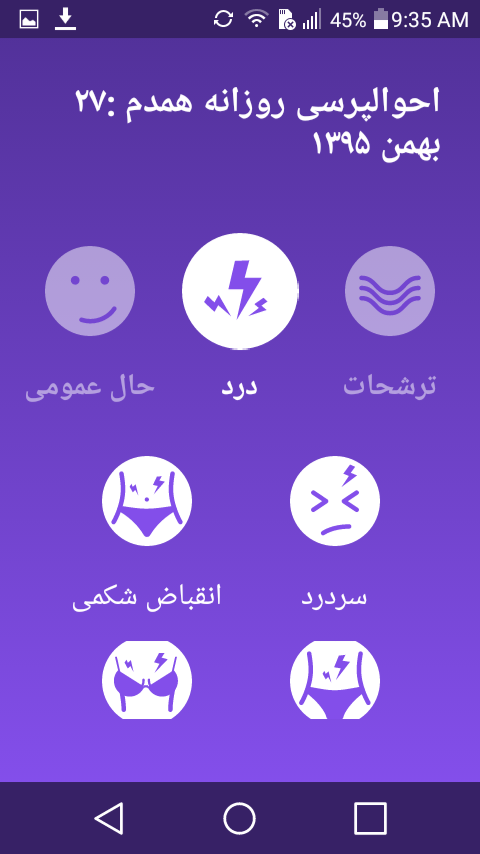
A screenshot from Hamdam asking the user whether she is experiencing any pain associated with her period.

Soudeh Rad, the French-Iranian gender equality activist who submitted the idea for Hamdam, told BuzzFeed News that she felt compelled to focus on sexual health because the topic can be so hard to broach. “We come out of Iran and we take all the taboos with us,” she explained, adding that the scant information available to women in Iran tends to be “biased, heteronormative, and male pleasure–centered.”

That restrictiveness led Rad to the idea of creating Hamdam as a Trojan horse: The app labels itself as a period tracker, and contains plenty of information about menstruation, but also covers topics to empower Iranian women and help them exercise their rights.

Hamdam’s creators say that every aspect of the app is tailored to the needs of Iranian users, from content to distribution to privacy. The app is launching on Android, the most widely used operating system Iran. But users don’t have to rely on Google&;s Play app store to find it. They can also download Hamdam on popular channels of Telegram, a messaging app that has roughly 20 million users inside Iran.

In an effort to circumvent potential censorship issues and low bandwidth connections that could slow Hamdam’s momentum, the app&039;s developers plan to release an Android application package (APK) so that the app can be downloaded by email, Reza Ghazinouri, a co-director of United for Iran, told BuzzFeed News.

A screenshot from Hamdam asking the user how light or heavy her period is.

Personal information fed into the app will only be stored on the user’s phone, with no communication between the client and server, Ghazinouri said. For all its apps, IranCubator also uses an independent firm in Berlin to run a full penetration test, which looks for vulnerabilities a hacker could exploit and then implements all the firm&039;s security recommendations. In Hamdam’s case, that included disabling screenshots. Rad just finished some beta testing with users in Iran last week. “As soon as they understood it was an app, in their mobile [devices], and not connected to a server, they kind of became super excited about it,” she said.

When developing the app&039;s content, the goal was to make Hamdam as accessible as possible. According to Rad, it&039;s the first period-tracking app in Iran that lets people use the Persian calendar. She also tried to avoid anything that might label the app sensitive content for users under 18. The information about self breast exams, for instance, includes detailed descriptions, but no pictures. That philosophy extended to the text as well: “The wording and language used in the app is not designed for only Tehrani upper- and middle-class women — it’s designed for everyone,” Ghazinouri told BuzzFeed News.

A screenshot from Hamdam asking the user how her general mood is.

Quelle: <a href="This Trojan Horse App Sneaks Vital Info To Women In Iran“>BuzzFeed

Twitter Suspends, Then Re-Instates White Supremacist David Duke

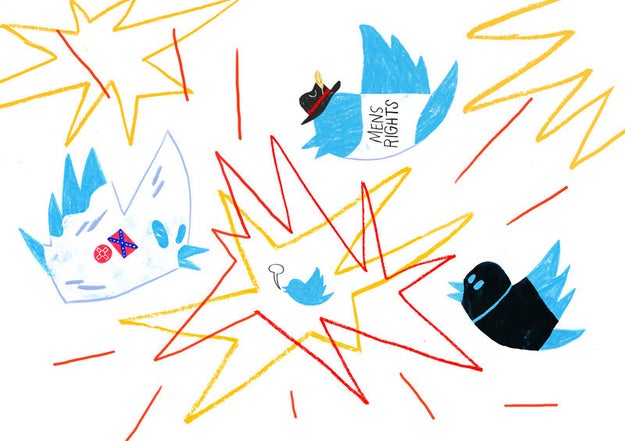
Today Twitter suspended and then re-instated the account of former Imperial Wizard of the Ku Klux Klan and senate candidate David Duke. For a period on Monday morning, Duke&;s account is inaccessible, displaying a message that the account has been taken offline. By 2:00 P.M. EST on Monday afternoon, the account was reinstated. Duke tweeted that he wasn&039;t sure why the account was taken down.

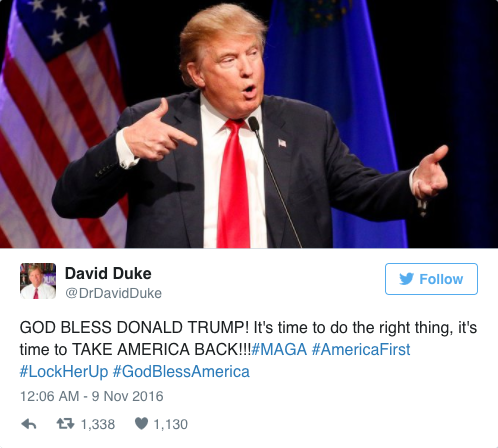
While its currently not clear which specific tweets brought about the suspension, Duke is well known on Twitter for his White Nationalist and political rhetoric. In the run up to and after the 2016 election, Duke has been a vocal proponent of Donald Trump and a number of his domestic policies.

Duke also mixes it up, picking fights with politicians, liberals, and celebrities. Last month, Duke got in a prolonged Twitter fight with actor Chris Evans, who plays Captain America. “Why does Chris Evans, who plays the Jewish inspired super hero, Captain America, hate the women of his people so much? WhiteGenocide,” Duke tweeted at the actor.

Most recently, Duke was tweeting about this weekend&039;s dueling Trump and anti-Trump protests in places like Berkeley, California, causing some to wonder on Twitter if Duke was inciting pro-Trump supporters toward violence.

Duke&039;s brief suspension comes at a time when Twitter is making a concerted, public effort to crack down on its abuse problem. Since January, the company has rolled out better spam filters and algorithmic tools to de-prioritize egg accounts and comments from trolls. The company also started relying on algorithms last week to police accounts for violating rules. It&039;s unclear whether the suspension was the result of any new algorithmic abuse prevention practices. Twitter has yet to respond to a request for comment.

White nationalist, Richard Spencer, (who was banned from Twitter recently on a technicality and later reinstated) tweeted and suggested that those angered by Duke&039;s suspension should join a crowdsourced lawsuit to sue Twitter for discrimination.

For Duke&039;s part, he appears hopeful that the (potentially mistaken) suspension and re-instatement will help him get a verified Twitter account.

Quelle: <a href="Twitter Suspends, Then Re-Instates White Supremacist David Duke“>BuzzFeed

Google Allo Is Losing Steam In The World’s Largest Smartphone Market

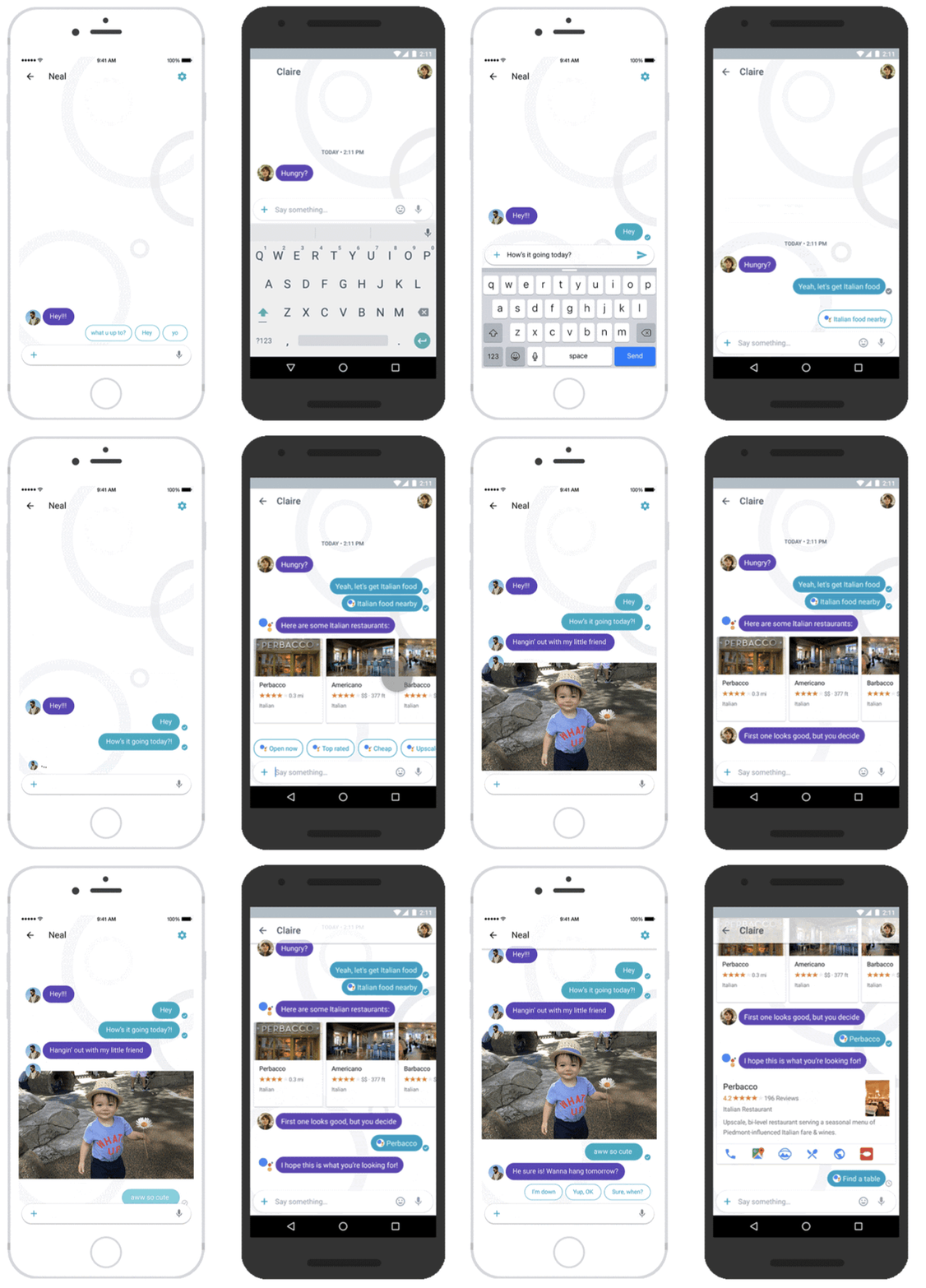
Remember Allo? It’s Google’s instant messenger that uses artificial intelligence to do things like suggesting smart replies when you’re chatting with friends, and serving up restaurant suggestions if it sees you making dinner plans.

In September, Google launched Allo in India before it released it in any other country. This isn’t particularly surprising. Google’s been giving the country a lot of attention lately: Last year, it hooked up over 100 Indian railway stations to high-speed Wi-Fi and created a special app called YouTube Go especially for India.

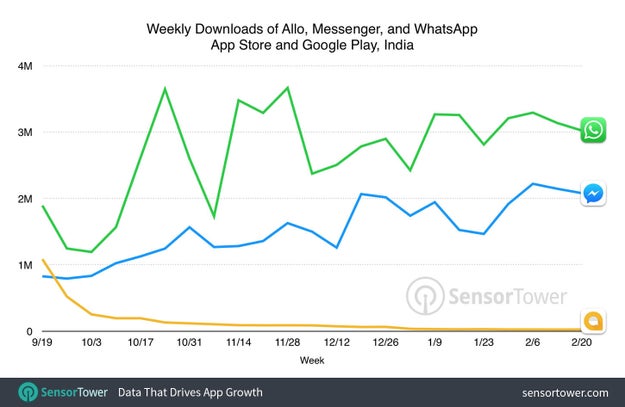
With Allo, Google hoped to introduce Indians to a better messaging experience than the simplistic WhatsApp, the Facebook-owned app that remains the country’s most popular instant messenger. But five months in, it doesn’t seem to be working out too well.

Twitter: @juberti

According to data from app analytics firm Sensor Tower provided to BuzzFeed News, Google Allo has been downloaded 3.1 million times on the Google Play Store, and 264,000 times on the Apple App Store in India since it was launched in September 2016.

Sensor Tower

In comparison, Facebook Messenger was downloaded over 33 million times on the Play Store and 1.7 million times on iOS since Allo’s launch. WhatsApp? 58.6 million downloads on the Play Store and 3.2 million on iOS. Both Facebook Messenger and WhatsApp have been downloaded around the world over 1.6 billion times each since Messenger was launched in 2014, according to Sensor Tower’s data.

Twitter: @madmanweb

Allo was Google’s reimagining of what a messaging app should be like. The company tried to make it specifically appealing to Indians by adding the Hindi language to the built-in Google Assistant, and including sticker packs designed by Indian artists in the app. But in a world saturated with instant messengers, breaking in is hard.

“It’s not entirely unexpected, and it’s not something that we lose hope or sleep over,” Amit Fulay, Group Product Manager for Google Allo, told BuzzFeed News. “You’ll see a pattern even with the most successful products: There’s a huge bump in the beginning, and then there’s a slump; and then you see the real, retentive users sticking there and getting and friends and families on board, and you see the graph going back up.”

WhatsApp dominates India with over 200 million active users, but Fulay said that despite the strong incumbent, Google still saw a lot of potential in the market. “Smartphones are often the only way most Indians access the internet and instant messaging is the primary thing most of them use these devices for,” he said. “We also thought that instant messaging is an area that’s ripe for innovation.”

Still, the combined network effects of WhatsApp and Facebook Messenger are tough to fight. “I don’t think we have any expectations of users in India thronging to us en masse,” said Fulay. “But this is a long game for us in some ways. We think we already have a better product [than the competition]. The next step is figuring out how to make inroads.”

To make those inroads, Google has been marketing Allo aggressively in India. In November, it worked with All India Bakchod, a popular stand up comedy group in India with over two million YouTube subscribers, to produce a YouTube comedy sketch that subtly advertised Allo features. Product placement isn’t really an uncommon concept in Indian advertising, but it’s a first for Google in India, which, thus far, has largely relied on organic growth through word of mouth and its stronghold on the country’s smartphone market through Android.

Google has also started advertising Allo in Cafe Coffee Day, a popular coffee chain around the country — actions like downloading the app, creating group chats within Allo, and asking Google Assistant for “coffee jokes” gets you a free cappuccino.

Twitter: @rajeshbhusal

Fulay says Google has concentrated its Allo marketing around India’s young demographic. “Young Indians like college students and early professionals have a greater propensity to try new apps, and they’re looking for more premium experiences,” he said. “They have a tendency to discuss new things they discover with their peers. These are the people we are focusing on [with our marketing].”

The key thing right now, he said, is to just get people to try the Allo experience. “The belief is that if people try, they will like Allo.”

Quelle: <a href="Google Allo Is Losing Steam In The World’s Largest Smartphone Market“>BuzzFeed

Fitbit’s Thinnest Tracker Will Now Track Your Heart Rate, Too

Fitbit

Fitbit is still the household name in wearables, but there are signs its lead is waning. Despite releasing four new and relatively popular fitness trackers in 2016, lower-than-expected holiday sales meant Fitbit’s global market share decreased in the last quarter of the year.

Now Fitbit is trying to pick up the pace with two new products that go slightly further into health-tracking: a more fitness-focused reboot of its slimmest, most fashionable wristband, the Alta, in addition to new sleep-tracking app features for several of its devices.

The new Alta HR, which customers can preorder today and will start shipping in March, comes with heart rate–tracking technology, as its name suggests. That technology was previously only available on three of the company’s devices: the Charge 2, the Surge, and the Blaze, its smartwatch.

To add heart-tracking to the the ultra-slim Alta, the company shrunk the sensor parts, and in the process made room for a bigger battery that extends the Alta’s life on one charge from five days to seven.

Fitbit

Released in early 2016, the original Alta was one of Fitbit’s best-selling devices for much of the year. Adding heart rate–tracking to the bracelet, which Time praised as “the most beautiful Fitbit ever,” makes it as useful — theoretically — during a morning at the gym as during a night on the town. Now, it can track your heart during calorie-burning workouts, or just your heart rate at ease. The $150 Alta HR is also cheaper than the $250 Surge and $200 Blaze, and comes in black, blue gray, fuschia, and coral, as well as the “special-edition” colors gunmetal and rose gold.

“We’re in a unique position to make wearables not just a nice-to-have but a must-have for anyone looking to maintain their health and fitness,” Melanie Chase, Fitbit’s director of product marketing, told BuzzFeed News.

Whether or not these updates are intriguing enough to hold existing customers’ interest, and attract new ones, is yet to be seen. Some studies suggest wearable devices don’t necessarily help people lose weight, and some people have complained that Fitbit’s heart rate–tracking is inaccurate (a claim Fitbit refutes).

At the same time, the company is trying to extend its reach into an area of life where people aren’t active at all: sleep. “We knew that one of the biggest drivers for purchase in the category is sleep-tracking,” Chase said. “People want more and more insights around sleep.”

Fitbit has plenty of competition: There are all means of apps and gadgets seeking to help snoozers quantify, track, and improve their ZZZs.

So the Fitbit app has a new set of sleep-tracking features. These are different from the features introduced last year, which let all customers set sleep goals, look back on their sleep history, get recommended sleep schedules, and set alarms and bedtime reminders.

Fitbit

For Alta HR, Blaze, and Charge 2 (though not Surge) owners, there’s a new feature that uses heart rate variability and accelerometer data to break down your snoozing into light sleep, deep sleep, REM, and being awake. (Rival Jawbone previously marketed its advanced trackers as having this feature too.) If you own one of these Fitbits, you can also now get bedtime reminders directly on your wrist instead of your phone.

And if you use your Fitbit to track your sleep, the app can now crunch all the data it’s gathered, including your workouts, and tell you that you shouldn’t sleep in so much on weekends, or that you appear to be more active on the days you sleep more.

If Fitbit can make this information truly useful, people could learn a lot about their bodies during the many hours when they’re deep in slumber. That is, if they don’t rip them off in the middle of the night.

LINK: We Tried Fitbit’s New Smartphone-Friendly Fitness Trackers

Quelle: <a href="Fitbit’s Thinnest Tracker Will Now Track Your Heart Rate, Too“>BuzzFeed

An Anti-Immigration Website Posted A Video Of Indian Families Hanging Out In A Park

Via saveamericanitjobs.org

In the aftermath of the deadly Kansas shooting of Indian-born engineer Srinivas Kuchibhotla, an immigration reform advocacy website that features photos and a video of Indian families relaxing in suburban Columbus, Ohio has Indian immigrant communities across the country worried, with some unwilling to travel outside the towns where they live.

The site, SaveAmericanITJobs.org, argues that immigrants in the US on work visas are a threat to US tech jobs. Created and maintained by a 66-year old computer programmer from Virginia named Steve Pushor, it has been circulating on Whatsapp, Twitter, Facebook and email all week.

“What we&;re trying to point out is people in Ohio, IT workers and other professional people, have lost their jobs to foreign guest workers. That&039;s what our point is,” Pushor told BuzzFeed News. Pushor, who said saw a spike in web traffic after Kuchibhotla’s shooting, says he doesn’t want Indians currently living in the United States to leave the country, and doesn’t advocate violence.

Bhavin Bavalia, an American-born IT professional and the son of Indian immigrants, said he first came across the site when a friend shared it on Facebook “It’s very scary for me knowing that I have a lot of family in these small Indian communities,” he said. “To think that there could be some weirdo filming my cousin’s kids as they’re playing at the park, and possibly fomenting resentment towards them, is just disturbing.”

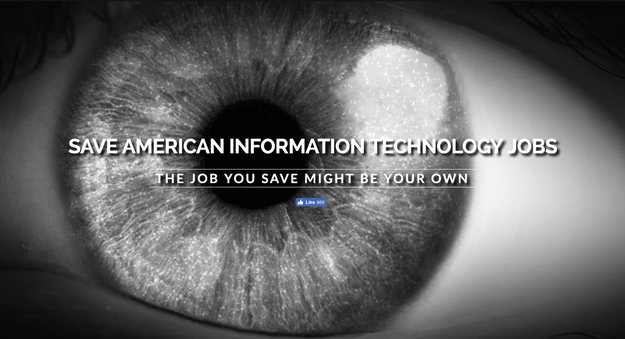
The content on SaveAmericanIt.org ranges from a post on the “real life story of a highly skilled IT professional and his ordeal of job loss at Pacific Gas and Electric Company by an H-1B from India” to criticism of “Indian companies” and an “Indian IT mafia” that “have ignored or shoved aside American IT professionals for years.” But it’s a PDF entitled “Ohio – A Journey To Indian Park” and an accompanying video that the Indian tech workers with whom BuzzFeed News spoke found most troubling.

In the video, Pushor’s camera pans over people playing volleyball and children riding bikes, he narrates what he sees: “The number of people from foreign countries blows my mind out here. You see this whole area is all Indian, amazing. It&039;s an amazing number of jobs have been taken away from Americans. The Indian crowd has ravished the Midwest. It&039;s crazy.”

“This is spooking people.”

Pushor initially posted this video and the accompanying document — which decries India as a “hell hole” and mourns the loss of “Normal Rockwell white people” in the US — in August, when it generated some early discussion on Facebook, Reddit and Youtube. It’s surfaced again in recent days, shared in private networks and on social media among Indian immigrants and their families. Kaplesh Kapadia, the Indian-born CEO of a California startup called SelfScore, said Pushor’s website was the subject of discussion this week in at least five different Whatsapp groups.

“This is spooking people, combined with the Kansas murder,” he told BuzzFeed News.

Pramod Buravalli, the India-born CEO of a Houston IT firm, hosts a weekly podcast on Indian-American issues; he says his listeners have been asking whether their families are safe in the US, or whether they should go back to India. “They think maybe going to local bars is a no-no,” Buravalli said.

Many people, including New York-based Indian-American startup founder Anil Dash, said watching Pushor’s video in light of the Kansas shooting made them worried for safety of their children. “He’s like following people who are just at a playground in their neighborhood, and their kids are there. I’m a dad. I have a kid. We play in public playgrounds,” Dash said. “This idea that someone&039;s going to surveil you and creepily videotape your family is kind of terrifying.”

An Indian-born engineer who lives in Texas, and asked to remain anonymous out of concern that he or his family would be targeted, sounded a similar note of concern. “I have a 5 month old, and I definitely would not go around new places with him,” he said. “We were talking among friends that we shouldn&039;t probably travel outside Austin unless we really need to.”

Pushor described the tone of his posts about Ohio as “satire” and pointed to other documents on the site, including an interview with an anonymous Indian tech worker living in California . “To say our video and our document… is going to make such an impact on their lives is a big stretch.”

“This idea that someone&039;s going to creepily videotape your family is kind of terrifying.”

On his website, Pushor lists three organizations — The IEEE-USA, NumbersUSA and Protecting US Workers — as “other advocates” in the immigration space. Reached for comment by BuzzFeed News, all three of those organizations said they were unfamiliar with Pushor, and declined to endorse his site.

Russell Harrison is a spokesperson for the IEEE, an engineering tech trade group that he described as “pro-immigrant,” but in favor of reforming the work visa program. “They’re going further than they should probably go,” Harrison said of Pushor’s site.. “We don’t believe the individuals trapped on the H-1B are doing anything wrong.”

Harrison said he saw a spike in public concern about work visa fraud following allegations that Disney had fired American workers and replaced them with lower-paid immigrants. It was around the same time that Donald Trump, then a presidential candidate, called the skilled visa program “very, very bad for workers” and said we “shouldn’t have it.”

Tech companies, many of which rely heavily on the labor of high-skilled immigrants, came out definitively in opposition to President Trump&039;s early attempts to restrict immigration.

Indian immigrants in tech were therefore understandably anxious about Trump. The president has since backtracked on work visas; he’s yet to sign an executive order aimed at throttling the skilled visa program, and he met with Indian business leaders in DC earlier this week. But his failure to immediately speak out against Kuchibhotla’s killing raised the ire of the Indian immigrant community.

While Trump condemned Kuchibhotla’s murder in his Tuesday speech to congress, his five day delay in addressing it frustrated some in the US Indian community. “It felt like too little, far too late,” remarked Dash, who said he&039;s concerned by the Trump administration&039;s failure to address hate crimes head on. Of particular concern to him, White House Chief Strategist Steve Bannon’s 2015 comments that seemed to suggest a proliferation of Asian tech CEOs in Silicon Valley is in opposition to a “civic society.”

“I am 100 percent convinced we’ll see more incidents,” Dash said, referring to the Kansas shooting. “The thing I’m hearing from folks across the country is, it’s a much more hostile environment than even after 9/11.”

Kapadia, who has lived in the US for past 18 years, echoed that sentiment, saying xenophobia wasn&039;t much of a concern for him until recently. He&039;s unsettled by some of the aggressive rhetoric around immigration. He hopes Trump will take a consistent and firm stand against the kind of hate that claimed Kuchibhotla&039;s life and fears that if he doesn&039;t more incidents could follow.

“As the leader of the country, you say things, and people take it to the extreme,” Kapadia said. “… People feel that they have the freedom to discriminate.”

Quelle: <a href="An Anti-Immigration Website Posted A Video Of Indian Families Hanging Out In A Park“>BuzzFeed
Uber's 'Greyball' Technology Helped It Sidestep Law Enforcement Around The World

Uber's 'Greyball' Technology Helped It Sidestep Law Enforcement Around The World

For years, Uber&;s been using a proprietary technology around the world to “identify and circumvent” law enforcement officials who were tracking the ride-hail giant, according to a New York Times story published Friday. When asked for comment on the technology, dubbed “Greyball,” Uber said, “This program denies ride requests to users who are violating our terms of service — whether that’s people aiming to physically harm drivers, competitors looking to disrupt our operations, or opponents who collude with officials on secret ‘stings’ meant to entrap drivers.”

If Uber&039;s research indicated an app user was a city official, the Times reports, the backend of the app would tag that user “greyball.” Greyballed users would see a fake version of the app with animated cars that did not correspond to the real locations of drivers, and rides requested by those users were usually cancelled. The company&039;s legal team approved the program as part of its terms of service, according to the Times.

This may or may not mire the company in legal trouble, the Times reports. Greyball could be a violation of the federal Computer Fraud and Abuse Act or intentional obstruction of justice, depending on how the program interacted with local law enforcement.

According to the Times, Uber deployed Greyball in Boston, Paris, and Las Vegas, among other cities, and across Australia, China, Italy, and South Korea, most often when it first introduced its service to cities. Often when Uber first came to new markets, there were little or no regulations for the ride-hail service. The company does not require drivers to be commercially licensed. So as local officials tried to gather details on Uber or collude with taxi drivers on stings, the company would greyball them, the Times reports.

The company said it rarely used Greyball to evade law enforcement. The technology&039;s primary use, according to a spokesperson, was to circumvent competitors and to keep Uber drivers safe in places where they had faced intimidation and physical violence.

On the same day as the Times story broke, Uber&039;s vice president of product and growth Ed Baker resigned, telling employees he wanted to focus on the public sector. According to Recode, his departure may have ties to a complaint that Baker had a sexual relationship with another Uber employee. He&039;s the second senior executive to leave the company in a week after CEO Travis Kalanick asked Amit Singhal, vice president of engineering, to resign after it came to light that he had been investigated for sexual harassment at his previous employer, Google, according to Recode.

Times published yet another story on Friday detailing more internal Uber drama: The company is considering revamping its stock options program after complaints by employees. Uber is a privately held company that partially compensates employees via stock that they can purchase at discounted rates; however, it only allows 30 days for employees who quit to buy said stock before they forfeit the right. Many other tech companies give months or even years, according to the Times. By contrast, Uber employees who have bought the private stock have been saddled with high fees as the company&039;s valuation has risen to $70 billion, forcing them to choose between staying at the company to preserve those options or leave and abandon a potential windfall.

Uber has had a rough time the past few weeks:

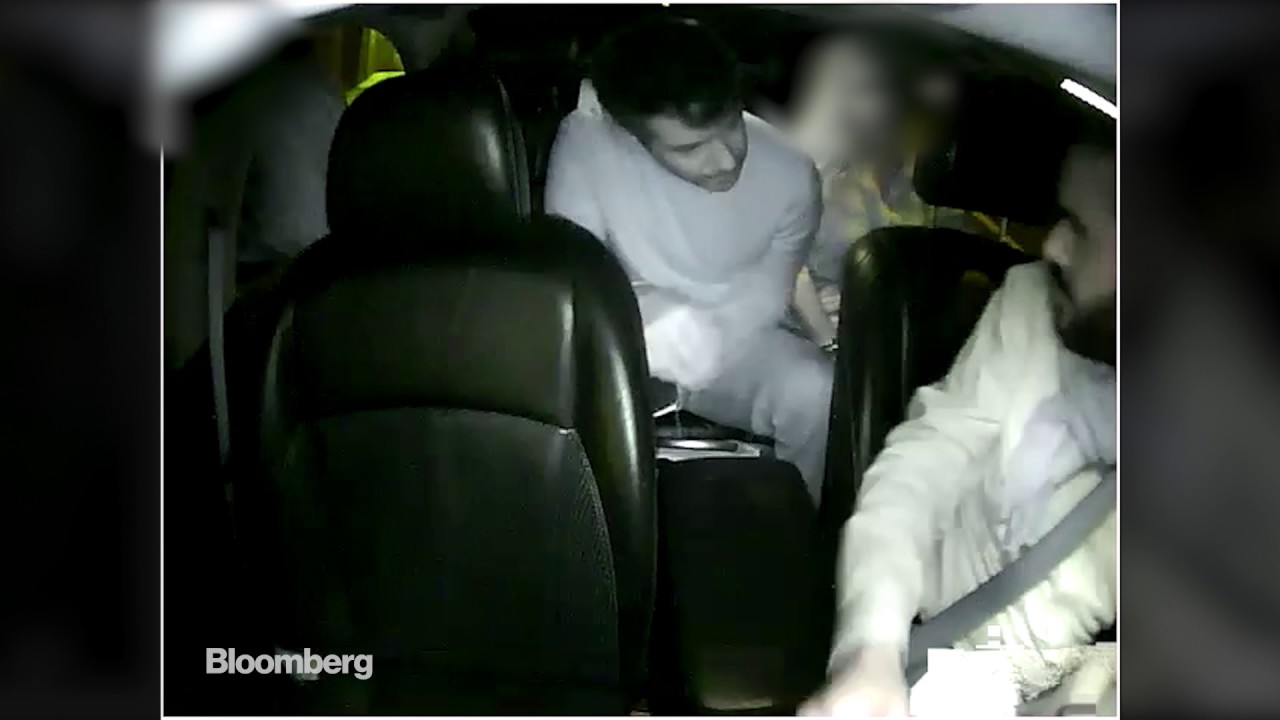
In response to a blog post on February 19 by former Uber employee Susan Fowler that detailed blistering accusations of sexism at the company, women working at Uber met with Travis Kalanick and told him that the problem was company-wide. Following the revelations of sexism came an embarrassing video, published Tuesday by Bloomberg, of CEO Travis Kalanick arguing with a driver over pay. Kalanick said he&039;d seek “leadership help.

In addition to the internal shuffle, Alphabet&039;s self-driving car company Waymo filed suit against Uber last week, alleging that Uber&039;s Anthony Lewandoski, an engineer who once worked at Google, stole Waymo&039;s technology and shared it with Uber.

In January, began trending in response to the perception that the company was strikebreaking in New York City, leading roughly 200,000 people to erase the app from their phones. The campaign preceded and seemed to play a role in Kalanick quitting his much-contested spot on President Trump&039;s advisory council.

In response to a request for comment, Uber said it used Greyball in places where its service was not explicitly banned and it believed it had a right to operate.

youtube.com

Quelle: <a href="Uber&039;s &039;Greyball&039; Technology Helped It Sidestep Law Enforcement Around The World“>BuzzFeed