Zephyr Pro: Razers Atemmaske wird praktischer und gruseliger
Die Atemmaske Zephyr von Razer hat einen Nachteil: Gesprochenes ist schwer zu verstehen. Eine Lautsprecheranlage soll das ändern. (CES 2022, Razer)
Quelle: Golem

Die Atemmaske Zephyr von Razer hat einen Nachteil: Gesprochenes ist schwer zu verstehen. Eine Lautsprecheranlage soll das ändern. (CES 2022, Razer)
Quelle: Golem

Razers Project Sophia soll Arbeitsplatz und Gaming-Rig zusammen sein: Dank verschiedener Module können Nutzer den Schreibtisch anpassen. (CES 2022, OLED)
Quelle: Golem
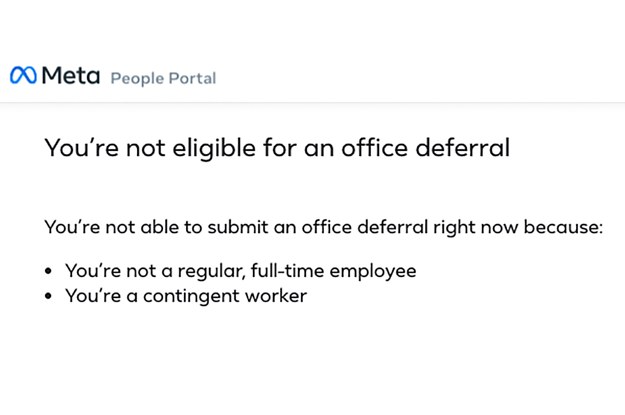
Quelle: <a href="Facebook Moderators Who Were Ordered Back To The Office Can Now Work From Home“>BuzzFeed
Quelle: Mirantis
The increasing complexity of the software supply chain — and the interdependence of countless technologies for almost any solution — have made it clear that security is paramount at every stage of the software development lifecycle. Whether the security threat is a long-game attack planting malware on public registries or a severe vulnerability uncovered in … Continued
Quelle: Mirantis

Welcome to 2022! Even in normal times, the New Year is a time for looking back and looking forward. And even more after the last couple of years, we know that a lot of people are reassessing their lives and their priorities, and considering moving jobs. If that’s you, we wanted to let you know that Docker is growing fast, and invite you to look at our careers page where we have lots of open positions.
All our positions are remote. Before the pandemic, we had a mixture of office-based and remote employees, but when we were all forced to work from home we found it worked well for us, and we’re sticking with it. (Our VP of Engineering, Jean-Laurent de Morlhon, described more about our remote working journey in a previous blog post).
Where we’re hiring. Even though we’re fully remote, there are only certain countries we can hire in at the moment, based on compatible timezones with our existing teams, and where we’re familiar with local employment law. We plan to expand the list in future, but right now we’re only looking for people in these fifteen countries: Argentina, Brazil, Bulgaria, Canada, France, Germany, Mexico, Netherlands, Poland, Portugal, Romania, Spain, Sweden, UK and USA.
What positions we’re hiring for. As I said, we’re growing fast, and all of our departments are looking for people. Right now we’re looking for
Software developers. We cover a wide software stack in Docker, with everything from the OS, through backend applications, to full stack and UI; we write CLI apps, desktop apps & webs; and use Linux, Windows & Mac.Product managers and product designers. We believe in building the tools our users want, and making them easy to use. To make that happen, every Scrum team contains its own Product Manager and Product Designer.Support engineers and sustaining engineersData engineersSales and Marketing. We have a variety of sales positions from Business Development Reps to Director of Sales Development and a Technical Product Marketing Manager.HR and Finance. These teams support the growth of Docker and there are a variety of roles from HR Coordinator to Sr. Revenue Accountant and more.… with more on the way soon.
What we offer. We want Docker to be a great place to work, and one where people will want to stay for many years. Apart from a competitive salary, here are some of the benefits we offer. (The benefits are broadly the same in each of our countries, but do differ slightly because of local laws).
Freedom & flexibility: fit your work round your life. Now that we’ve fully embraced remote working, it’s important to us that employees get the benefits of that in terms of being able to devise schedules that fit round other parts of their life such as childcare commitments, social clubs, or exercise routines.Stock options. We’re a growing startup, and we want all employees to have a share in the success of the company.Virtual and (when possible!) in-person social events to build connections and have fun. We believe that it’s important to have opportunities to get to know your co-workers on a personal as well as a professional level, even more so in a fully remote company. If you know your colleagues, you will do better work, and have more fun doing it. To that end, we organize virtual and in-person events for teams, for cities or countries, and for the whole company.Home office setup: we want you to be comfortable while you work. If you don’t already have a proper desk, office chair, headset, or similar items, we will supply them.Work From Home allowance equivalent to US$100 after tax per month, to cover the cost of your home internet connection. If you’re using your internet connection for work, we believe we should pay for it.Vacation plan that encourages you to take time off. We don’t believe in burning people out: we want employees to be able to take time off to do the things they enjoy and come back refreshed.Whaleness days: a company-wide day off each month. To improve our work-life balance even further, as a company we shut down for one day each month. This is in addition to your normal vacation allowance. The best thing: unlike normal holidays, you don’t have a huge backlog of email and Slack messages the next day, because everyone else took the day off too!Generous maternity and parental leaveHealth insurance
Where to find out more. If you’re interested in working in an employee-friendly company that’s building the next generation of tools to make developers’ lives easier, then please visit our careers page at docker.com/careers. You can find the current list of vacancies there and apply. Or if you have any questions, you can email us at careers@docker.com. We look forward to hearing from you, and maybe even working with you soon!
DockerCon 2022
Join us for DockerCon 2022 on Tuesday, May 10. DockerCon is a free, one day virtual event that is a unique experience for developers and development teams who are building the next generation of modern applications. If you want to learn about how to go from code to cloud fast and how to solve your development challenges, DockerCon 2022. offers engaging live content to help you build, share and run your applications. Register today at https://www.docker.com/dockercon/
The post Docker is Hiring! appeared first on Docker Blog.
Quelle: https://blog.docker.com/feed/

RWE hat zusammen mit Audi eine Lösung entwickelt, die den Strom aus erneuerbaren Energien in alten E-Auto-Akkus speichert. (Audi, Technologie)
Quelle: Golem

John Deere hat einen vollautonomen Traktor vorgestellt, der noch in diesem Jahr verfügbar sein soll und ohne Fahrer pflügen kann. (Autonomes Fahren, Technologie)
Quelle: Golem

Der Roborock S7 MaxV Ultra ist ein Saugroboter, der auch Böden wischen kann. Fester und flüssiger Dreck werden aus ihm herausgesaugt. (Saugroboter, Technologie)
Quelle: Golem






