How One Pro-Trump Site Feeds Its Own Conspiracy Theories

The top story on pro-Trump media last week was a conspiracy about a murdered DNC staffer and his alleged connection to Wikileaks.

The top story on pro-Trump media last week was a conspiracy about a murdered DNC staffer and his alleged connection to Wikileaks.

A typical Gateway Pundit headline.

In July, a few days before the Wikileaks release of thousands of DNC emails, Rich, was killed in what police says was an attempted robbery. Far-right conspiracy theorists have claimed Rich was the leaker, and his killing was ordered by the Clintons in retaliation.

Since last Monday, the story has dominated far-right media — even as it's dismissed, debunked, and ignored by the mainstream, and despite a series of bombshells regarding the potential ties between Donald Trump and Russia. To better understand how the pro-Trump media keeps a conspiracy theory alive in the face of overwhelming evidence against it, it's instructive to look at one of its most popular blogs, The Gateway Pundit.

The Gateway Pundit is a pro-Trump site run out of St. Louis, Missouri by long-time blogger Jim Hoft. The site reaches a wide audience — Hoft claimed that during the 2016 campaign, it was pulling down over one million unique views a day. The site has a reporter who regularly attends White House press briefings. Outside of its readership, Gateway Pundit is maybe best known for reporting on and pushing sensationalized claims and rumors that get picked up on bigger sites like the Drudge Report. Some of its greatest hits: that Hillary Clinton was having seizures during the campaign, that Obama's birth certificate was a forgery, and that illegal voting cost Trump the popular vote.

Hoft and Gateway Pundit have been instrumental in championing the Seth Rich/Wikileaks conspiracy. On Hoft's Twitter feed alone, which has over 73,000 followers, Hoft has kept up a steady clip of Seth Rich tweets since a D.C. local Fox station broke the story.

Here's a sampling of Hoft's tweets from May 16th — the day after the Fox 5 Seth Rich story broke:
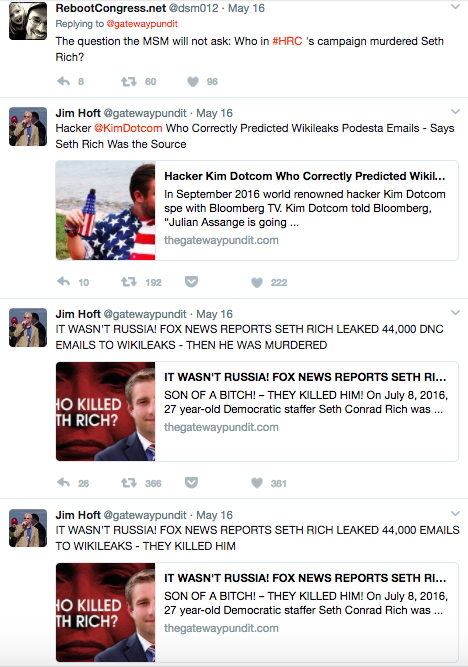
Hoft and Gateway Pundit are far from the only pro-Trump outlets to push the Rich story, but Gateway Pundit stands out as a prime example of how the pro-Trump media can not only champion a conspiracy but also continue to feed itself and whip up more outrage and intrigue. Here's how it works:

1) Repetition, Repetition, Repetition

In the last week, Gateway Pundit published 15 stories about the Rich murder and Wikileaks conspiracy — some of which are almost exact copies of each other.

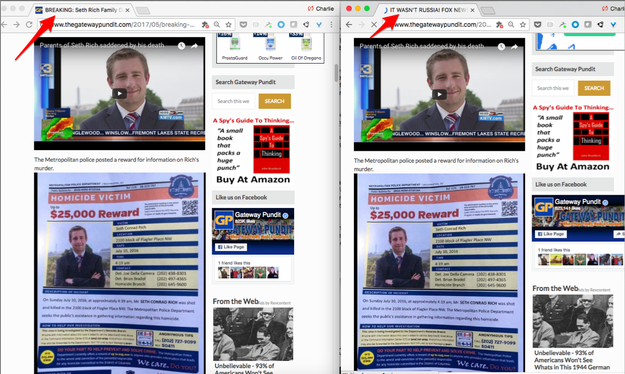
For example, here are two Gateway Pundit stories from last Monday and Tuesday.

They have two different headlines:

“BREAKING: Seth Rich Family Detective Tells FOX 5 DC THERE IS EVIDENCE Seth was “Emailing” Wikileaks …UPDATED WITH REPORT”

And:

“IT WASN’T RUSSIA! FOX NEWS REPORTS SETH RICH LEAKED 44,000 DNC EMAILS TO WIKILEAKS – THEN HE WAS MURDERED”

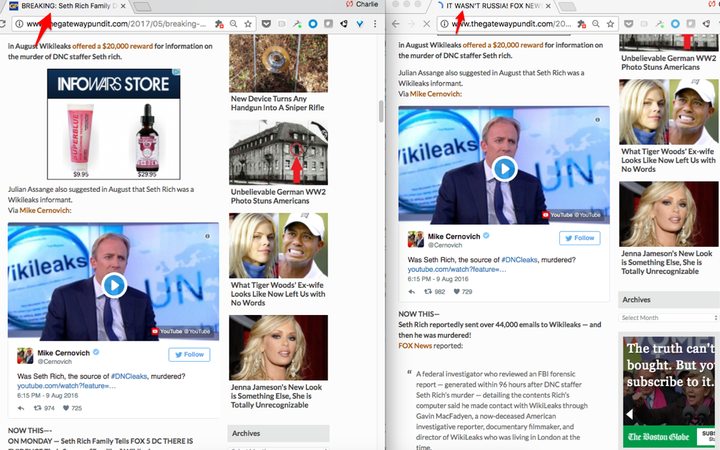
But the body of the two posts are completely identical until the last few paragraphs:

The repetition serves two purposes. First, it makes it so that Hoft and Gateway Pundit can quickly churn out new posts without having to spend the time to re-write new copy. And second, it cements the narrative with its audience. There is maybe only a tweet's worth of new information in the two posts, but each post is framed as a huge new revelation, ensuring that the audience feels the story is constantly moving and developing, despite the fact that little has changed since the now-discredited Fox 5 report. The reader, trying to get to the new information, has to read to the bottom. And in doing so, re-absorbs the Rich narrative again and again.

2) Incendiary Headlines

Gateway Pundit uses headlines to increase the stakes of each story. Often, they describe how the reader is supposed to feel about the story (example: “ABSOLUTELY SICKENING!”) or what they should take away from the piece (example: “IT WASN'T RUSSIA!”).

They draw the reader in, and undoubtedly play well on social media, but, much like the constant repetition, they also add to the sense that the Rich conspiracy is rapidly moving forward and that the minor updates are actually shocking revelations. Basically: they add false gravity to a story that's largely stagnant.

3) A Closed-Loop Reporting Structure

Here’s a story Gateway Pundit ran on Sunday:
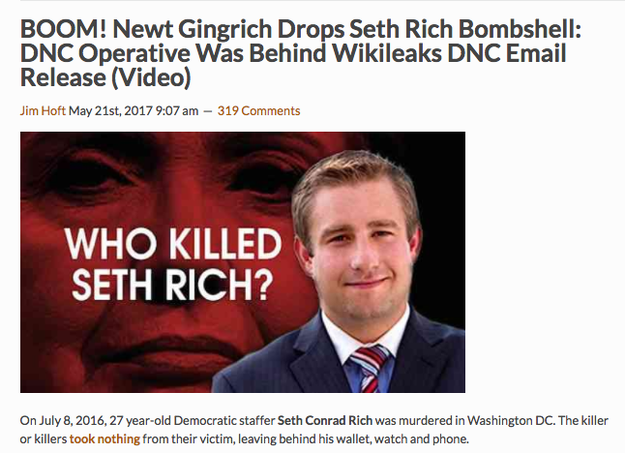
Here's a story Gateway Pundit ran on Sunday:

There was no “bombshell”: The post was a write-up of an appearance Gingrich made on Fox and Friends on Sunday morning. Though the headline suggests Gingrich put forth proof that the “DNC operative was behind Wikileaks DNC email release,” Gingrich did no such thing. He merely acknowledged that the Rich story was “very strange” and repeated rumors pushed by Gateway Pundit.

As with the above examples, the body copy of the Gingrich story was nearly identical to the other Gateway Pundit stories about Rich. In this case, the only difference is the inclusion of the Gingrich video at the end, alongside a short transcription of his interview.

Though the transcript clearly shows there's no bombshell from Gingrich, the information is included so far down in the post that Gingrich's quote is almost beside the point. The incendiary headline, which reinforces the rumor Gateway Pundit has been pushing for a week, cements the narrative and Gingrich's name attaches extra credibility to the conspiracy theory.

To recap: First, Gateway Pundit promotes rumors. Then, a politician repeats those rumors. Finally, Gateway Pundit uses politician's sound bite as proof rumors are true.

4) Flimsy Evidence

Perhaps the best example of Gateway Pundit's manufactured controversy came on Sunday night, when the site reported “'Complete Panic' at Highest Levels of DNC.”

The post hinges on an anonymous 4chan thread from an individual claiming to “work in D.C.” The post claims that “the Seth Rich case has scared the shit out of certain high ranking current and former Democratic Party officials,” and goes on to say the DNC “is near open panic.” The post's headline doesn't take into account that the 4chan user in question is completely unverifiable or that 4chan is a notorious breeding ground for trolls and misinformation.

Later that evening, Sean Hannity tweeted about the Rich conspiracy using almost the exact same language as the 4chan post:

While it's hard to know how Hannity came upon the 4chan post, it's possible he stumbled upon this tweet (which Gateway Pundit notes was the first public tweet of the 4chan post):

In other words: Hannity, drawing on information likely gleaned from an anonymous 4chan post, claimed that “complete panic” had set in at the DNC. And Gateway Pundit — with no verification — reported this as fact.

In isolation, each one of these examples may seem extreme. But taken together, they present a formidable misinformation campaign that's highly effective at pushing and cementing a narrative among devoted readers. Gateway Pundit may not have started the Rich conspiracy, but thanks to its constant promotion, it's helping to keep it in the news.

Quelle: <a href="How One Pro-Trump Site Feeds Its Own Conspiracy Theories“>BuzzFeed

This Is The Waterproof, Bass-Bumping Bluetooth Speaker You Want

The softball-sized UE Wonderboom produces clear, robust sound with surprisingly full bass.

No outdoor summer scene is complete without a portable Bluetooth speaker, the quintessential good-weather gadget. Their popularity is due largely to the fact that they’re affordable, and, like most technology these days, mobile-friendly. But with over 25k results for “portable Bluetooth speaker” on Amazon alone, the number of speaker options to choose from can be overwhelming for someone who’s looking for something that’s cheap and good.

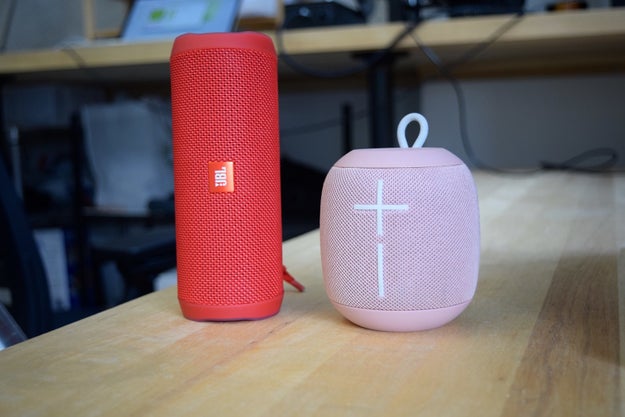
The thing is, most of those speakers on Amazon are bad (I know, because I’ve tried dozens of them). But the Wonderboom, Ultimate Ears’ new $100 entry-level speaker unveiled in March, doesn’t suck. It’s actually pretty great. I’ve been reviewing the speaker for a month and a half, alongside its closest competitor, the JBL Flip 4, which is also $100.

The two models have everything you’d want from party-friendly, portable speakers. Both are waterproof, rugged, come in a variety of colors, and have day-long battery lives. But in my testing, the Wonderboom was better than the Flip 4 where it really counts: playing music.

BuzzFeed News; Ultimate Ears

The Wonderboom was made for head bangers.

The Wonderboom was made for head bangers.

The Wonderboom is is designed to make up for the lack of bass in its predecessor, last year’s UE Roll. The speaker handled songs like Chance the Rapper’s No Problem impressively well, with full-sounding bass and crisp high frequencies.

In a blind music test, BuzzFeed video producer Allyson Laquian decisively chose the Wonderboom as the better speaker as soon as LCD Soundsystem’s “Dance Yrself Clean” came on. The Wonderboom accentuated the song’s *thump* very clearly, while the Flip 4 sounded stilted in comparison.

My boyfriend Will also prefered the Wonderboom, but for a different reason. The treble on the JBL Flip 4 is so high, he said, that it’s “like having a snake in your ear.”

I agree. The JBL Flip 4 tends to over-accentuate treble at its highest volumes (close to 90 decibels, its maximum output). And while I found that the Wonderboom is better at producing bass than the JBL speaker, it too starts to break down at high volume levels (close to 86 decibels, its volume max).

The Wonderboom sounds better than the JBL Flip 4 not only because of the quality of its speakers, but also how those speakers are placed in the actual device.

The JBL speaker is shaped like a cylinder, and has two “bass radiators” on its ends that vibrate to the beat. It’s designed to play music while upright or on its side but, during my testing, sounded distorted while upright (because it mutes the bass). Additionally, there’s a “front” and “back” to the speaker. You can tell when you’re behind the speaker, because the music gets quiet.

Nicole Nguyen / BuzzFeed News

The Wonderboom, which is shaped like a small but portly grapefruit, only has one orientation: upright. It also doesn’t have a “front” and “back” thanks to what Ultimate Ears calls “360-degree sound,” created by two active and two passive drivers positioned around the speaker. Music comes out in all directions on the Wonderboom. So whether you’re in front of, behind, or to the side of the Wonderboom, it’ll sound the same, no matter where you are.

Nicole Nguyen / BuzzFeed News

The Wonderboom will save itself in bodies of water.

The Wonderboom will save itself in bodies of water.

Pictured here is my beloved UE Roll which is, sadly, now at the bottom of Lake Berryessa in California. The UE Roll is waterproof and comes with a floating life preserver, designed specifically for the speaker, but because I naively thought the stretchy bungee cord that comes with the speaker was strong enough to hang onto the side of the boat, I didn’t bring the preserver along. The Roll did not survive a choppy ride back to the marina.

BuzzFeed News / Nicole Nguyen


View Entire List ›

Quelle: <a href="This Is The Waterproof, Bass-Bumping Bluetooth Speaker You Want“>BuzzFeed

Activists Say Trump Doesn't Really Care About Human Rights

Mandel Ngan / AFP / Getty Images

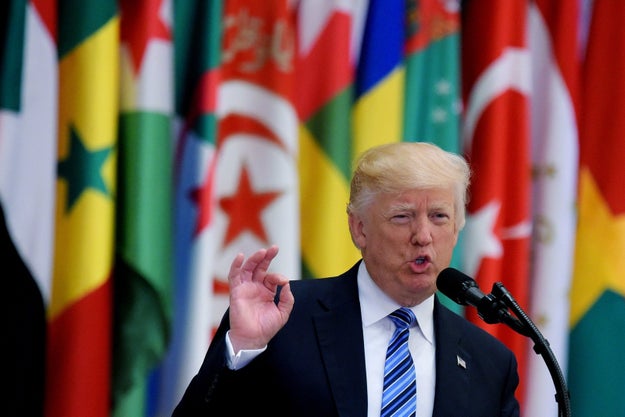
Moroccan historian and human rights advocate Maati Monjib is currently being prosecuted for vague but grave crimes against national security by the country’s shadowy security forces. On Wednesday, the 55-year-old faces yet another court hearing. So it was with disappointment that he watched US President Donald Trump deliver a lengthy speech to the Muslim world without once mentioning the words “human rights,” “democracy” or “freedom.”

“At least he’s saying bluntly that the US is not interested in human rights and democracy of the world,” he said in a telephone interview from Rabat, the Moroccan capital. “It is only interested in the promotion of the economy and American business, and the huge amount of money in the contracts with the Saudis, signify the the single-minded orientation of the Trump administration: business and only business.”

Trump’s election terrified democracy activists across the world, perhaps especially in Middle East allies like Saudi Arabia, Morocco and Egypt, which keep a close eye on messages coming from the White House.

Many saw Trump’s choice of Saudi Arabia for his first trip abroad as a signal that human rights, democracy, and civil liberties have a low priority on the US agenda. Saudi Arabia is a leader in the bloody fight against rebel forces in Yemen, and has also put pressure on Morocco to tamp down activism in that country.

In his 30-minute speech at the Arabic Islamic American Summit in Riyadh on Sunday, Trump spoke about the region’s potential for moneymaking while delivering strident denunciations of terrorism, Islamic and Islamist extremism and Iran’s role in the region.

He talked sympathetically about the suffering of the Syrian people under the Iranian-backed regime of Bashar al-Assad, but said nothing about his saudi hosts’ involvement in the war in Yemen. He also did not bring up the Saudi kingdom’s history of beheadings, or its jailing of dissidents like Raif Baddawi.

Instead, he spoke about the region’s tourism and business opportunities.

“Our vision is one of peace, security, and prosperity — in this region, and in the world,” Trump said. “Our goal is a coalition of nations who share the aim of stamping out extremism and providing our children a hopeful future that does honor to God.”

Rights advocates say Trump’s formula will fail.

“In all the talk in Riyadh about security, there seems to be zero understanding that there is no peace without justice and no long-term stability without respect for human rights,” Andrew Stroehlein, spokesman for Human Rights Watch, told BuzzFeed News.

As Amnesty International’s Tirana Hassan watched the gathering of Trump and Muslim leaders in Riyadh, she dreaded the consequences for Yemen, where civilians have been crushed in Saudi air raids, and starved by sieges imposed by Saudi allies and Iranian-backed Houthi rebels.

“I was very concerned about what the arms deals would mean for Yemen, and the civilians in Yemen,” she said in a phone interview from Geneva.

“We know that these weapons have been used without apparent regard for civilians,” she said. “It was very disappointing that the US had an opportunity to exert its leadership and influence but instead put human rights on the back burner. The simple fact that the human rights dialogue is absent will have consequences for people living in these countries.”

In the wake of the Arab Spring uprisings, Morocco’s monarchy sought to implement reforms and open up its political system, moves encouraged by Rabat’s European allies and the former administration of Barack Obama. But critics say it has backslid badly, in part because of Saudi pressure; Riyadh didn’t want to see an example of a democratically inclined monarchy rising in the Arab world. Those like Monjib fear Trump’s agenda will hasten the erosion of freedoms in the region.

“At least the Obama administration was trying to reconcile American interests with a minimum of respect for human rights and a democratic perspective,” said Monjib. “Now the Saudis can continue their campaign against human rights and democratization in the Arab world. This will have very bad consequences on the situation for human rights and democracy across the Arab world.”

Quelle: <a href="Activists Say Trump Doesn't Really Care About Human Rights“>BuzzFeed

Twitter Has Been Guessing Your Gender And People Are Pissed

On Wednesday, Twitter debuted new tools that make it easier to see the kinds of information the company is collecting about you and using to tailor your advertisements. As part of the update, you can now download a list of all the accounts that are serving you ads (and if you're inclined, someone made instructions for how to automatically block all those advertiser accounts, lol).

Want to find out what Twitter knows about you? Go to “Settings and privacy,” and then close to the bottom of the lefthand side, go to “Twitter data”:

Here’s the basic profile info that Twitter has about you:

Here's the basic profile info that Twitter has about you:

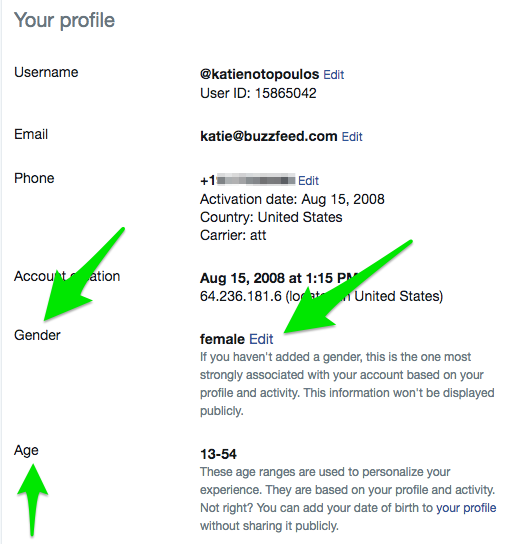
It turns out that Twitter has been inferring your gender. Some people were pissed about this.

It feels pretty creepy to find out that Twitter has been using people's data to assign them gender identities. But this isn't unusual. It's entirely common for websites to infer their visitors' and users' genders for advertising purposes. Google does this for you too (and you can check what assumptions Google's made about you here).

The fact that Twitter allows you to edit your assumed gender or write in how you identify is actually a step up from what some other tech companies offer users. Google only allows you to indicate that you are male, female, or “rather not say.” Facebook has allowed you to write in your own gender field since 2015 (though gender has always been part of your Facebook profile, unlike Twitter, who has never asked you to specify). And overall, transparency about how these platforms use our data is good! Yay transparency!

We all know that companies like Twitter and Facebook are using our data to allow advertisers to find and target specific people – that's social media companies' business model. In additional to the gender and age that they infer, there's a whole list of things they think you're interested in that advertisers can use. Twitter thinks I'm interested in “investing” and “men's pants” even though I'm not, but that's low stakes and more funny than anything else.

But for trans and gender-nonconforming people, seeing that a platform for free expression like Twitter has been making gender assumptions for them – whether it's right or wrong – can be jarring and upsetting.

Quelle: <a href="Twitter Has Been Guessing Your Gender And People Are Pissed“>BuzzFeed

Uber Threatens To Fire Engineer At Center Of Self-Driving Lawsuit By Google's Waymo

Priya Anand / BuzzFeed News

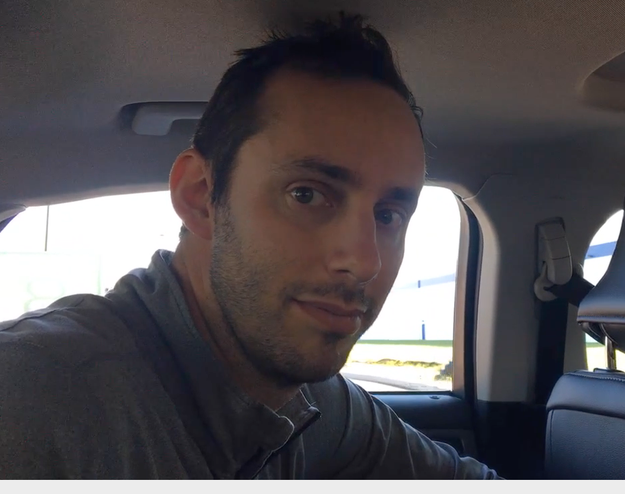
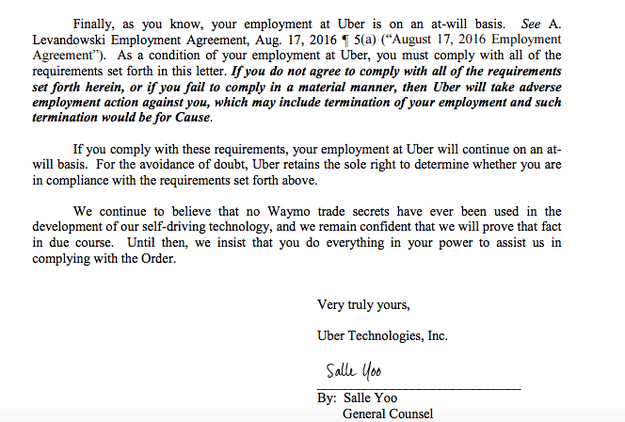
Uber has threatened to fire Anthony Levandowski, one of its top self-driving engineers, if he does not cooperate with an investigation into allegations that he stole trade secrets from Alphabet's Waymo, his former employer, before joining Uber, a court filing has claimed.

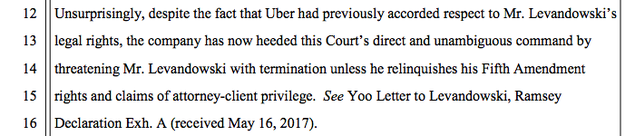
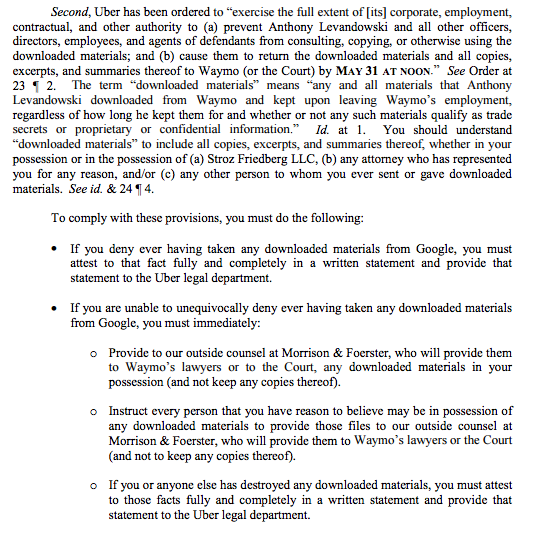
The ultimatum became public in a legal filing from Levandowski's lawyers late Thursday evening. In the filing, they request that US District Judge William Alsup modify an order given last week, which said Uber has no excuse to “pull any punches” to force Levandowski to comply with a legal investigation into Waymo's claims that he stole its trade secrets, benefitting Uber's self-driving program. Within the same order, the court also gave Uber a deadline of May 31 at noon to return materials Levandowski allegedly downloaded to the Alphabet car company.

“Uber takes it obligations under the Order very seriously, intends to comply fully, and expects you to do the same,” Uber's general counsel Salle Yoo told Levandowski in a letter on Monday, according to court documents made public Thursday evening.

Uber declined to comment beyond the court filing by Levandowski's lawyers.

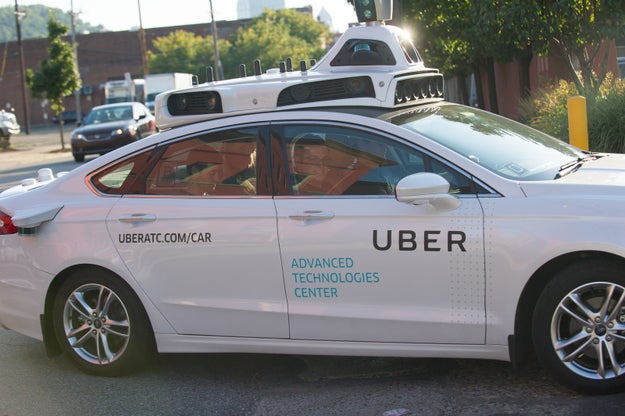
Waymo filed a lawsuit against Uber in February, alleging that Levandowski – who left Google in January 2016 and started his own self-driving truck company, which Uber later acquired – downloaded more than 14,000 files before leaving. Waymo alleges Uber has benefitted from those trade secrets. At issue is a technology called LiDAR, which refers to “light detection and ranging” systems that help self-driving cars see and navigate the world.

Levandowski – who is not named as a party in the lawsuit – has pleaded the Fifth Amendment throughout the case to avoid self-incrimination should the case become a criminal matter. In the court filing on Thursday, his lawyers asked the judge to temper the order that called for Uber to do all in its power to compel Levandowski to cooperate.

“When a court orders an employer to do everything in its power to force an employee to speak, cooperate, and discard his Fifth Amendment rights, the threat of termination is not the mere discretionary choice of a private employer,” Levandowski's lawyers wrote in the court filing.

“It is an act by the judicial branch of our federal government compelling an individual to choose between preserving his livelihood and preserving his constitutional rights.”

On April 27, Uber demoted Levandowski and said he would no longer oversee any efforts related to the technology at hand in the lawsuit.

Quelle: <a href="Uber Threatens To Fire Engineer At Center Of Self-Driving Lawsuit By Google's Waymo“>BuzzFeed

Uber Is Fighting To Push Waymo's Self-Driving Lawsuit Out Of The Public Eye

Jeff Swensen / Getty Images

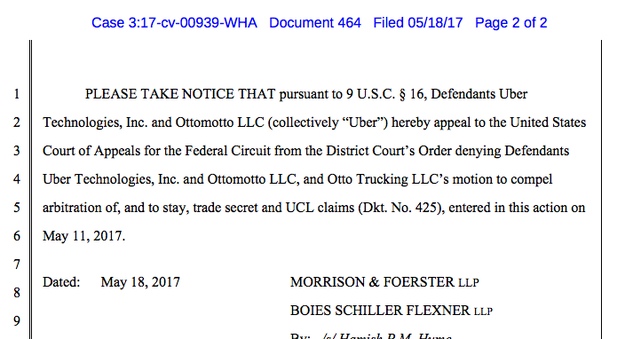
Uber is attempting to push the self-driving lawsuit from its rival Waymo out of court, by appealing a federal judge's order that rejected its initial attempt to send the case into arbitration.

US District Judge William Alsup denied Uber's attempt to force the case into arbitration last week, and asked federal prosecutors to investigate Uber and one of its top self-driving vehicle leaders for potential theft of trade secrets from Waymo, the Alphabet-owned autonomous car company. Uber's court filing on Thursday indicates that it will appeal the denial, and again seek to force the case into private arbitration.

“Defendants seek to steer this case into arbitration even though they have no agreement with anyone to arbitrate the case,” Alsup wrote in his rejection of Uber's request. “[Waymo's] decision to bring separate claims against defendants in court was not only reasonable but also the only course available, since Waymo had no arbitration agreement with defendants.”

Waymo already pursued arbitration with its former employee, Anthony Levandowski, the engineer at the center of the case, who allegedly downloaded 14,000 files before leaving Waymo and joining the ride-hail giant.

Uber declined to comment beyond the court filing.

“In full view of the court, Waymo has presented strong evidence that Uber has stolen our trade secrets and used our confidential information,” a Waymo spokesperson said in a statement. “Uber’s appeal is a blatant attempt to hide their misconduct from the public.”

Quelle: <a href="Uber Is Fighting To Push Waymo's Self-Driving Lawsuit Out Of The Public Eye“>BuzzFeed

Now You Can Livestream Major League Baseball Games On Facebook For Free

Hannah Foslien / Getty Images

Facebook and Major League Baseball (MLB) have announced a deal to broadcast 20 Friday night MLB games live during 2017 season from the MLB's Facebook page. Anyone on Facebook in the US can watch the games for free. The first one will stream tomorrow night at 7:10 pm ET when the Colorado Rockies play the Cincinnati Reds at the latter's home stadium, and MLB and Facebook said they would announce other teams at a later date.

Local networks will film the games on site, and those feeds will appear on Facebook. The social network began broadcasting sports in the US in April 2016 with soccer and hockey, both of which drew audiences in the hundreds of thousands. It now broadcasts soccer, table tennis, esports, basketball, and other sports in deals with networks as large as Univision. Notably, the National Football League has cut deals with Twitter and Amazon, but not Facebook.

The MLB also broadcasts games from its MLB.com At Bat app, which charges a subscription fee. The league already uses Facebook Live for several different kinds of broadcasts, like daily talk shows, players' interviews and workouts, award ceremonies, and even opening baseball card packs.

As subscriptions to traditional cable TV decline, broadcasters are teaming up with tech companies to find ways to retain subscribers and attract new viewers. Sports represent a keystone of TV programming because of the way people watch sports — live, as a game is happening — as opposed to scripted television, which streaming services like Netflix lean on for content. YouTube TV, for example, places a heavy emphasis on channels that broadcast live sports. Facebook, for its part, is looking to diversify beyond the News Feed, its most visited product, to attract more advertising dollars. Facebook CEO Mark Zuckerberg said last year that the company sees a future with “video at the heart of all of our apps and services.”

Dan Reed, Facebook's head of sports partnerships, said in a statement that he hopes broadcasts on Facebook Live would reimagine the community experience of being in stadium stands. MLB Commissioner Dan Reed called the deal “really important for us in terms of experimenting with a new partner” in a news conference.

Quelle: <a href="Now You Can Livestream Major League Baseball Games On Facebook For Free“>BuzzFeed

Racial Profiling Is Still A Problem On Nextdoor

Racial Profiling Is Still A Problem On Nextdoor

Thousands of people in more than 100,000 US communities use Nextdoor, the app that allows neighbors to chat about everything from yard sales to bike theft, but which has also struggled with a reputation that it’s become a hub for racial profiling.

Last August, Nextdoor proudly announced a solution to this problem: an algorithmic form that prevents people from racially profiling, or making posts about crime and safety that focus on an individual’s race and nothing else. But almost nine months later, Nextdoor still hasn’t patched holes in its anti-racial-profiling system. In fact, until earlier this month, the company hadn’t even started rolling out the feature on mobile. As a result, racial profiling — which has the potential to put real neighbors in danger — continues to be a problem on Nextdoor.

Laurie Bertram Roberts, who lives with her seven kids in a majority-white neighborhood in Jackson, Mississippi, noticed two months ago that one of her neighbors had posted on Nextdoor under the heading “Beware.” The message warned that two black men were going door to door in the neighborhood asking if they could cut grass for money. “May be harmless,” the message poster said. “Just be wary of letting them inside!” An hour after the post went up on Nextdoor, another neighbor who saw the men walking up someone’s driveway called the police.

Nextdoor's racial profiling prevention tools only rolled out in the app on Android phones earlier this month, and they still aren’t in use on iOS.

The incident incensed Roberts, who is black, and she replied to the post. “You just painted every pair of black males in [the neighborhood] as suspects, including my son and his friends who may be on their way to the store minding their business,” she wrote, according to screenshots reviewed by BuzzFeed News. “We have a right to walk around without being deemed suspects because 2 dudes scared you.”

A member of the Jackson Police Department wasn’t able to locate any additional information about this incident, but said going door to door looking for work isn’t a criminal activity.

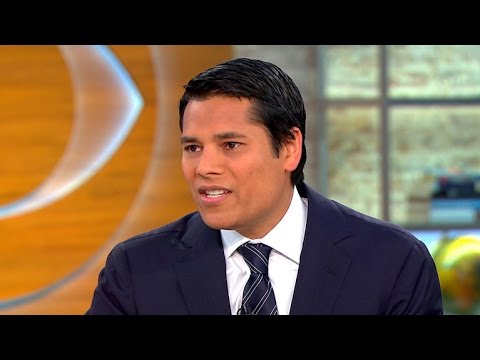
Nextdoor has been lauded by local officials in Oakland for its efforts to stop racial profiling. It even won an award from the Bay Area chapter of 100 Black Men, a national civic organization for professional black men. “We created the company because we believe in bringing people together,” said CEO Nirav Tolia in a CBS This Morning interview last year. “In terms of racism, it’s one of the most divisive things in our community today. We want to be part of that solution.”

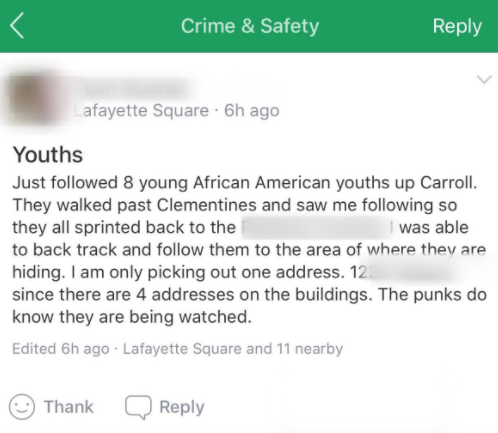
But a BuzzFeed News review of various local Nextdoor groups suggests there’s still a lot of racial profiling on Nextdoor.

For example, here’s a post that a user near St. Louis saw in January.

For example, here’s a post that a user near St. Louis saw in January.

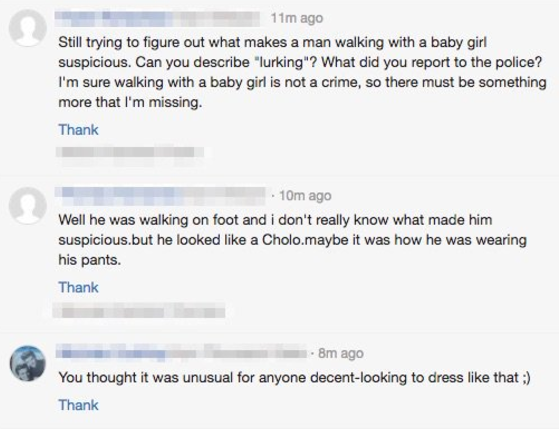
Here’s another one, in the Bay Area in December:

Here’s another one, in the Bay Area in December:

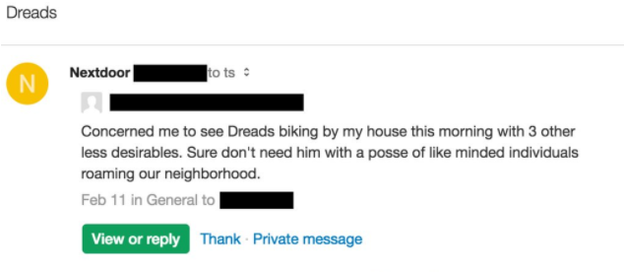
And here’s a third example from Florida, shared on Twitter in February. Nextdoor’s CEO responded to this post, saying in a tweet that the “work in this area will never be done.”

And here’s a third example from Florida, shared on Twitter in February. Nextdoor’s CEO responded to this post, saying in a tweet that the “work in this area will never be done.”

Part of the reason the problem persists is that racism is pervasive and pernicious, and no piece of software is going to stop it. But while Nextdoor’s algorithmic solution certainly forces users to stop and think about the role race plays in their analysis of a suspicious situation, it was deployed with significant weak points that have made it less effective than it originally seemed.

The features Nextdoor built to prevent racial profiling only rolled out in the app on Android phones earlier this month, and they still aren’t in use on iOS. (The company said it plans to roll out the algorithm on iOS on May 24.) And people can still post whatever they want in comments and Urgent Alerts, which are short, time-sensitive messages distributed immediately by text message or email to the whole neighborhood.

In an email statement to BuzzFeed News, a Nextdoor spokesperson said all the instances of racial profiling cited here either were “not alerted” to Nextdoor or were flagged by a neighbor and “handled appropriately by our support team,” which may or may not involve removing a post. The spokesperson said the company does not comment on individual members or posts.

One user said her Oakland neighborhood Nextdoor group still sees at least one instance of racial profiling a month.

Nextdoor said the “vast majority of the instances of racial profiling have been eliminated due to the actions we have taken.” A company spokesperson declined to explain the rationale for or methodology behind that conclusion. Nextdoor also declined to share what percentage of content posted to its site comes through mobile apps.

Nextdoor acknowledged back in November that racial profiling was still possible in Crime & Safety posts on mobile apps, and in urgent alerts and replies, but more than six months later, the company is still searching for a way to prevent it. “With the support of our partners, community groups, and experts in the field, we will continue to address this issue and specific instances as they come up,” Nextdoor’s statement pledges.

Individual users aren’t the only ones who have noticed that racial profiling persists on Nextdoor. Shikira Porter is a representative for Neighbors for Racial Justice, one of two community groups that’s been working with the company to address racism on its platform. (Nextdoor also brought on Debo Adegbile, formerly of the NAACP Legal Defense Fund, and Grande Lum of the Divided Community Project as national advisers.)

Porter said she presented Nextdoor with a 15-page document of ongoing problems and possible solutions during a conference call in November, but the company took until January to make any changes. “They tweaked one thing out of all the things we listed were problematic,” she said. The result is that Nextdoor’s system still has “all of these major holes.”

Porter said her Oakland neighborhood Nextdoor group still sees at least one instance of racial profiling a month.

But even when Nextdoor fully deploys its racism-fighting algorithm in its app, there will always be some racial profiling the system won’t catch. To make a judgment call in those instances, Nextdoor relies on local neighborhood leads — frequent users who are nominated by their neighbors to be group moderators. Porter said Neighbors for Racial Justice stressed to Nextdoor the importance of “mandatory and comprehensive Leads training” on the definition and risks of racial profiling.

In August, during a meeting at Nextdoor’s headquarters, a spokesperson said the company was thinking about ways to scale up the racial profiling and unconscious bias trainings it had done internally to all of its national neighborhood leads. Asked for details on the program, Nextdoor’s spokesperson said some neighborhood leads in Oakland had received bias training, a program the company is working to put online “to provide to our Leads across the country.”

One of the problems with putting volunteers in charge of policing racial profiling on Nextdoor, says Jackson resident Tom Head, is that not all neighbors agree with Nextdoor’s stance on racial profiling. For example, when one of Head’s neighbors recently posted an urgent alert saying a black man was sitting in a parked car in a driveway, the neighborhood lead responded to the post by clicking “Thank,” which is the Nextdoor equivalent of Facebook’s “like.”

“I stay on [Nextdoor] because I really do fear the day someone sends an alert and it's my kids they're describing as suspicious.”

“I haven't actually seen a lead post a message where they said, 'I will not enforce the racial profiling guidelines,' but I have certainly seen leads participate in threads where [the guidelines] were being ridiculed,” said Head. “In majority-white communities in Mississippi, the idea of opposing racial profiling as a matter of policy is not necessarily a popular one.”

Head added that even if a lead is personally against racial profiling, “enforcing these policies against their neighbors, coworkers, employers, and clients” can have unwanted social and financial consequences. “If you look at the people who signed up early and did the most invites and ended up as leads, it incentivizes, for example, realtors,” he said. “If you're a realtor, and you're selling houses in a neighborhood, you have to maintain relationships with some of the people who might be posting these objectionable posts. It can become financially risky to offend these people by taking socially unpopular positions.”

A solution to this problem, Head suggested, would be to have Nextdoor employees intervene when a lead declines to take action when another neighbor reports a post for racial profiling. The good thing about leads being local community members, Head said, is that “they’re usually willing to do it for free.” But, he continued, it also “creates a problem in that, if you have a national policy that a local neighborhood doesn’t like, it’s very hard for the lead to enforce it.”

In August, Nextdoor said all posts flagged for racial profiling would be directly reported to a team of two dozen trained customer support staffers. But Head said that when he reported the urgent alert about the man sitting in a car to Nextdoor’s support team, “nothing came of it.”

“It’s the people who are using the platform that I’m most frustrated about,” said Rebekah Goode-Peoples, a former Nextdoor user in Atlanta. “My greatest disappointment was realizing how bigoted many of my neighbors were.” Goode-Peoples deleted her Nextdoor account in September of last year, after reporting an incident in which a black female delivery worker was blamed for her own mugging because she willingly delivered food to a black neighborhood and didn’t bring a gun. Goode-Peoples never heard back from Nextdoor about her complaint.

“We remain completely committed to eliminating racial profiling on Nextdoor,” a company spokesperson told BuzzFeed News.

Laurie Bertram Roberts — the mom in Jackson — said the Nextdoor post about two black men going door to door looking for work was eventually taken down, after a few people shared a screenshot on Facebook. (However, sharing Nextdoor content on other social media is against Nextdoor’s rules, because the posts are linked to people’s real names and locations.)

“I only became active on Nextdoor again after the new rules because I thought it would be better,” she said over Twitter DM. “I stay on because I really do fear the day someone sends an alert and it's my kids they're describing as suspicious.”

Quelle: <a href="Racial Profiling Is Still A Problem On Nextdoor“>BuzzFeed

FCC Votes To Move Forward With Net Neutrality Rollback Proposal

Chip Somodevilla / Getty Images

The Federal Communications Commission voted today to move ahead with a plan to undo net neutrality protections.

The vote, 2-1 along party lines with the Republican commissioners prevailing, sets the stage for a major fight between Democrats, tech companies and internet activists who support utility-like regulation of internet service providers, and Republican and cable companies, who say the Obama-era rules reach too far and have hurt investment in broadband.

Today's decision marks the beginning of a stage of public input before the proposal can advance. The original net neutrality debate at the FCC engendered nearly 4 million public comments.

At stake is whether the FCC will roll back rules that prevent internet service providers from treating different internet traffic differently. Without such rules, ISPs could charge certain sites — think Netflix and Amazon — more money for their sites to load and stream at fast speeds. Opponents of such a move say it would further consolidate power in the hands of giant media conglomerates and the web companies that already dominate the internet.

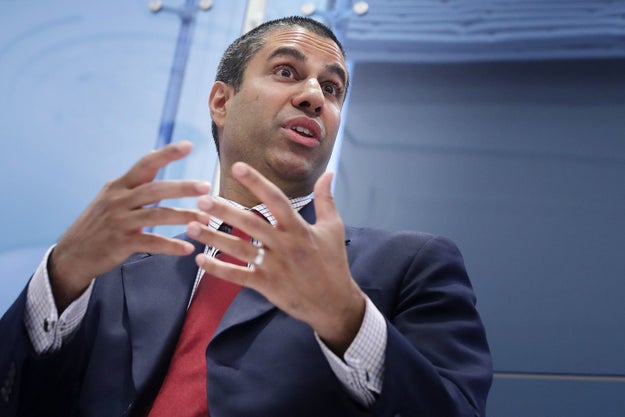
A fight over repealing net neutrality rules has been expected since Donald Trump appointed Ajit Pai to be the new FCC chairman in January. Pai, a former Verizon lawyer, voted against the 2015 net neutrality order, and has long been seen as an opponent of FCC regulation of internet traffic.

Quelle: <a href="FCC Votes To Move Forward With Net Neutrality Rollback Proposal“>BuzzFeed

Here's Google's New Push To Make Virtual Reality Better And More Accessible

At Google IO on Thursday, the company announced a series of efforts aimed at making the immersive digital worlds of virtual reality (VR) and augmented reality (AR) more practical and universally accessible.

Standalone Daydream (Google's VR brand) headsets are coming, with a reference design for that headset that other companies could follow. The first partners are HTC and Lenovo. Previously, Google’s efforts have required a Daydream-ready phone that is inserted into a viewer. Currently, there are only 8 such phones on the market, although a few more, including Samsung's Galaxy S8, are on the way.

The standalone headset experience is more like what you currently get in an Oculus or HTC Vive headset in that it responds not just to turning your head, but to physical movement as well. You can not only look all around, you can get up and walk — at least short distances. You can peer around corners and see parallax movement of spatial objects as you explore VR worlds.

Google

But the major difference is that Google’s solution doesn’t require additional devices to be set up — you don’t need to connect it to a computer, or to set up towers that track and sense motion. Instead, it tracks motion with the device itself. This relies on something called WorldSense (which builds on the company’s Tango indoor mapping and spatial awareness technology) to achieve this via the device all on its own.

The company also showed off Seurat, named for the painter, a new developer tool that’s meant to help create vivid, high resolution graphics, and video that runs in real time. The idea is that this will allow developers to create ever more-realistic worlds, even on a mobile unit that doesn’t have the power of a connected desktop machine.

There were other developer-oriented announcements as well, designed to make it easier and more attractive to develop for Google’s platform, as well as things designed to make VR a less solitary experience, like new sharing tools, ways to project what you see in a device onto a TV, or ways to watch VR video in YouTube with other people.

Google

Yet the announcements themselves were almost less interesting than the weight Google is putting behind its push. For the second year in a row, the company devoted much of the time and resources of its annual developer’s conference to pushing VR and AR (or as Clay Bavor, who heads the company’s efforts, calls the combination of the two and the spectrum they lie upon, immersive computing).

There is still a long way to go before these immersive computing experiences are mainstream. But, especially when taken alongside Facebook’s similar push, we are clearly entering an era of new interfaces and inputs — away from the keyboard and touchscreen and into an era that’s more guided by what we see around us, the things we hear and say, and the way we physically move through the world.

The current devices meant to achieve almost all of this are, well, clunky. But a picture is starting to emerge of where this all is going, and it’s a place where the devices themselves fade away, and we begin to interact with them in more natural, human ways. We will see and hear, talk and gesture. And sometimes even type.

Quelle: <a href="Here's Google's New Push To Make Virtual Reality Better And More Accessible“>BuzzFeed