This Gadget Helps You Find Your Wallet When It's Lost

The Tile Slim is an ultra-thin tracker that can fit anywhere a credit card can.

Jenny Chang / BuzzFeed

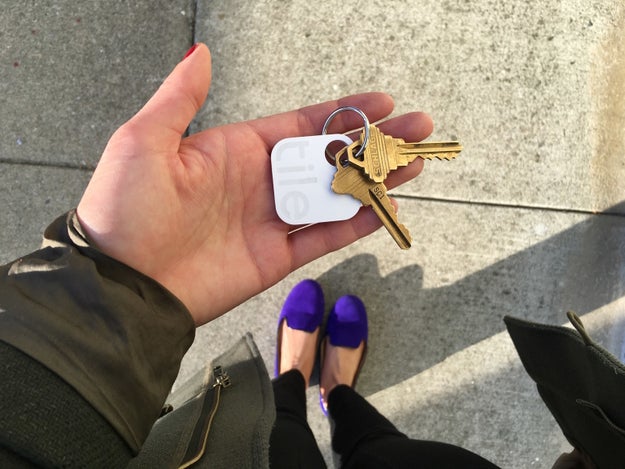
I was an hour late to a dentist appointment, when I realized I had spent too many damn lifetime minutes looking for my keys.

I was an hour late to a dentist appointment, when I realized I had spent too many damn lifetime minutes looking for my keys.

Which jacket was I wearing yesterday? Are they in that one purse? How about the backpack? Did I leave them in my pants that are now IN THE DRYER? Noooo.
– Me, every morning.

There are a lot of useless gadgets on the market – Dash buttons for binders, $700 juicers, internet-connected laser pointers for cats, and the like – but Tile isn&;t one of them. It can find your stuff when memory fails you.

Bluetooth trackers, like Tile, are a pretty elegant tech solution for an everyday problem. They&039;re small, typically no larger than a tin of lip balm. Almost every tracker has the same features (including Trackr, Chipolo, and, of course, Tile): the ability to ring the item from your phone, display the item&039;s last known or current location on an app, reverse find a phone by pressing on the tracker itself, and tap into a network of the device&039;s users to crowdsource your search when the tracker goes out of Bluetooth range.

I bought my Tile more than a year ago. Of the three trackers I considered, Tile had the most Facebook likes and therefore, perhaps, the most users (“millions,” according to the company)?? Yeah. Idk. Those users, I figured, could come in handy when I lose them for good. ¯_(&;)_/¯

But even on my own, Tile has come in handy more times than I&039;d prefer to admit. My boyfriend has been driven INSANE by the 90-decibel Tile chirp I activate every morning to find my door key.

Nicole Nguyen / BuzzFeed

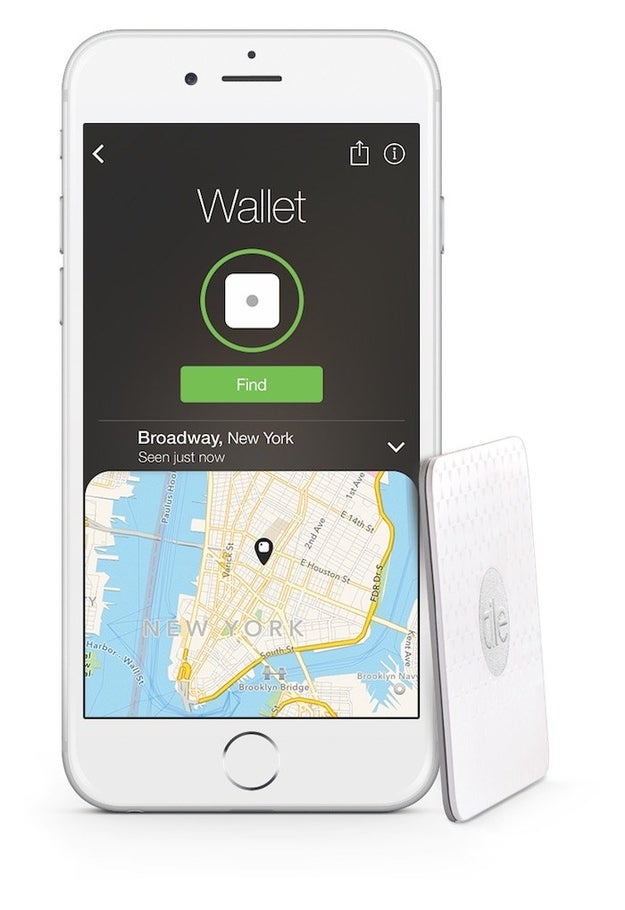
Tile Slim, a thin, wallet-friendly tracker, is the company’s newest product.

Tile Slim, a thin, wallet-friendly tracker, is the company's newest product.

The company sent a review unit over, on loan, and I&039;ve been playing with it, and trying to lose my stuff ever since.

It&039;s fundamentally the same product as the original Tile, but much slimmer and minus a key ring. There&039;s an integrated button you can double tap to locate your phone, and it will also appear in the app with a map of its current or last known location. It has the same IP5 splash-proof rating and 100-foot Bluetooth LE range.

Tile

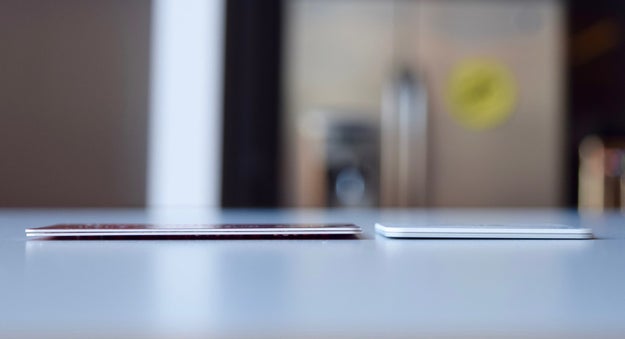
It’s lighter (9.3 g), thinner (2.4 mm, or about two credit cards stacked), but has a larger surface area (about 1.5 times larger than the original Tile, diagonally).

It's lighter (9.3 g), thinner (2.4 mm, or about two credit cards stacked), but has a larger surface area (about 1.5 times larger than the original Tile, diagonally).

Nicole Nguyen / BuzzFeed


View Entire List ›

Quelle: <a href="This Gadget Helps You Find Your Wallet When It&039;s Lost“>BuzzFeed

Twitter Says Wishing Rape On A Woman Doesn't Count As Harassment

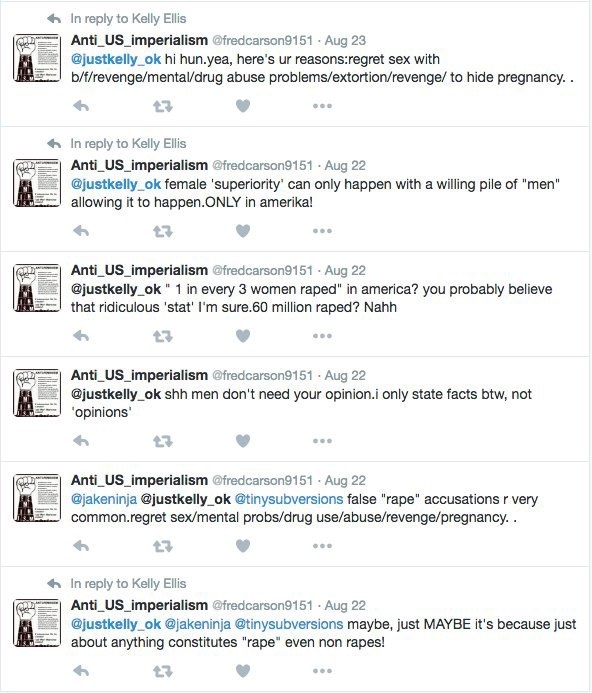
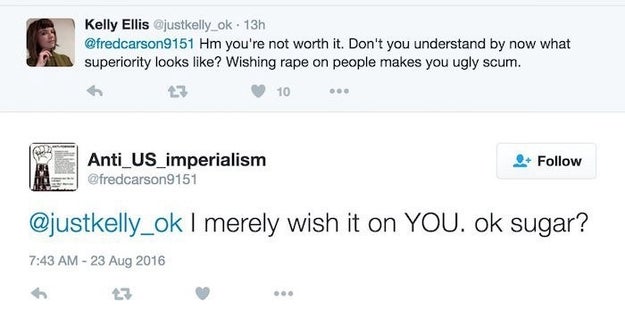
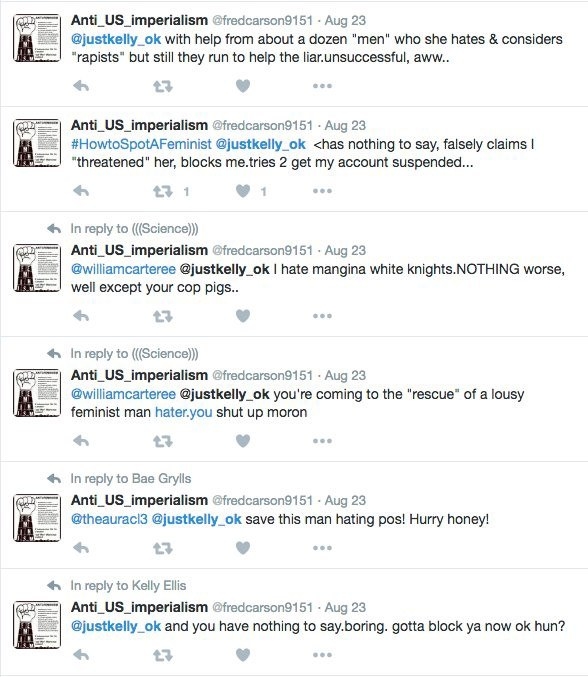
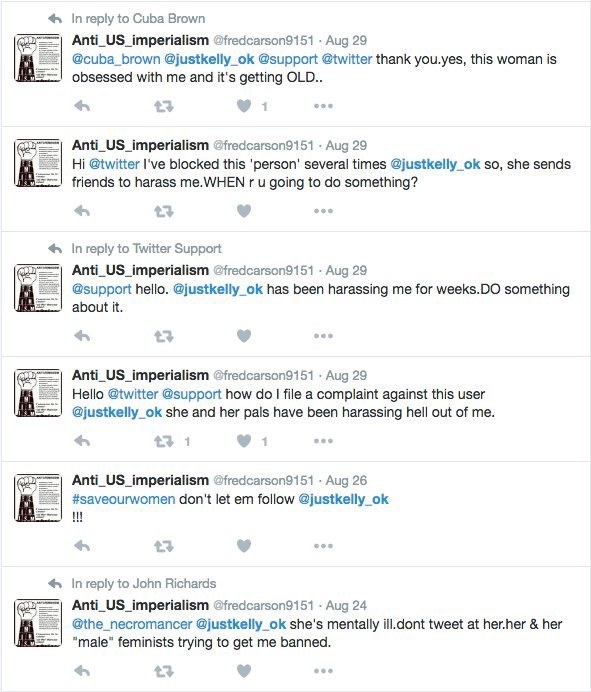
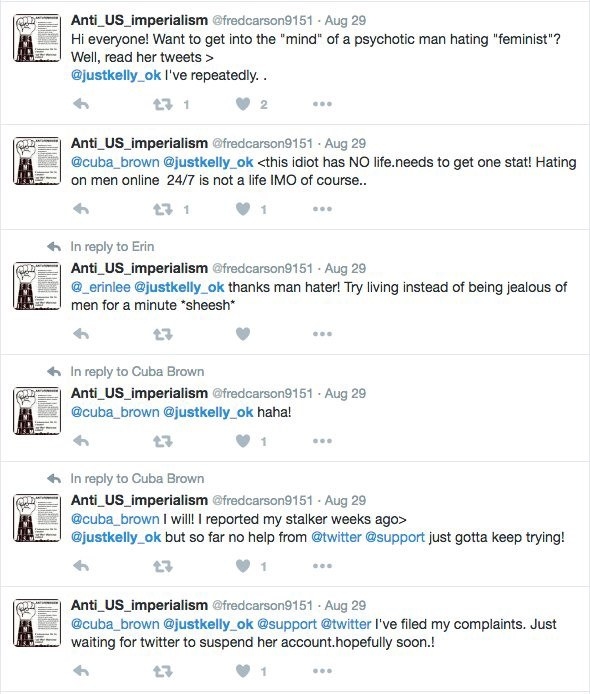
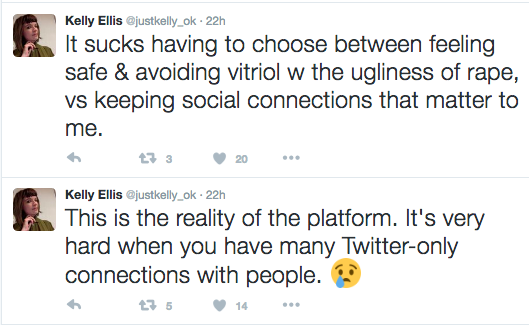
Kelly Ellis is an software engineer at Medium. She&;s verified on Twitter and has roughly 11,000 followers. And for the past week or so, Ellis has been the subject of relentless targeted abusive tweets from @fredcarson915. Among the barrage of 70 tweets (all of which were posted to Medium by Ellis), @fredcarson9151 tells Ellis he wishes she would be raped and calls her a “psychotic man hating &039;feminist&039;.”

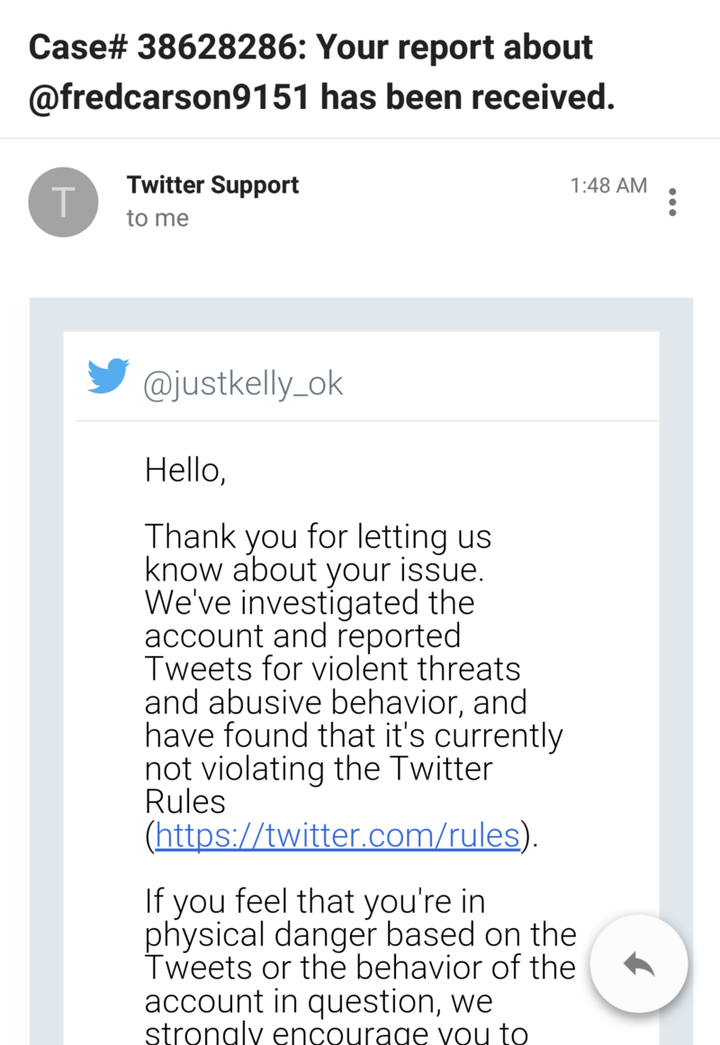
When Ellis reported the abuse, Twitter replied that its investigation found the alleged violent and abusive tweets did not violate Twitter&039;s rules, which prohibit tweets involving violent threats, harassment, and hateful conduct. Twitter&039;s rules explicitly state that one may not “threaten other people on the basis of race, ethnicity, national origin, sexual orientation, gender, gender identity, religious affiliation, age, disability, or disease.”

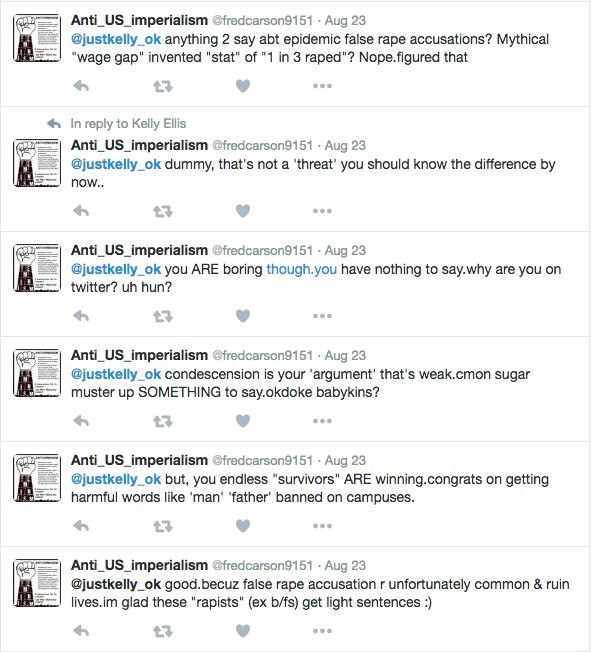
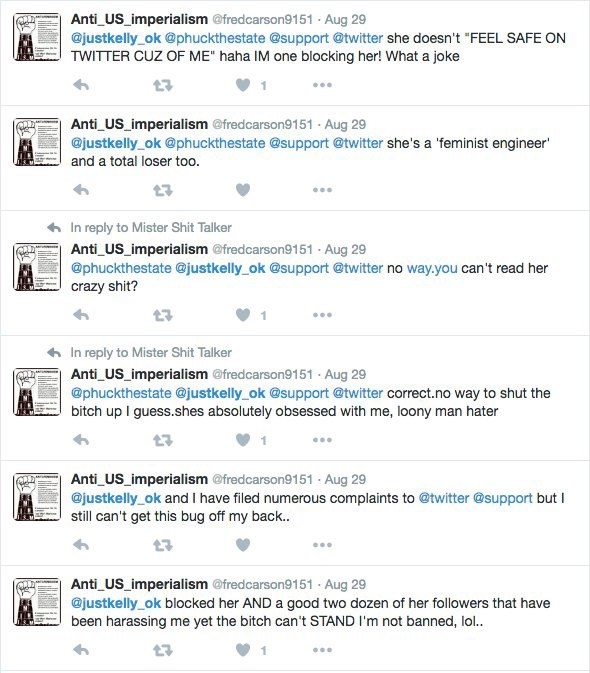
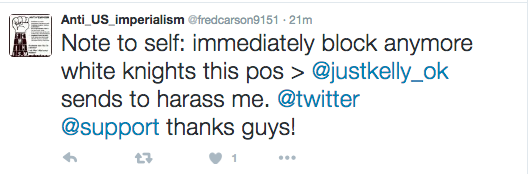
Anyhow, here are some tweets that Twitter does not believe rise to the level of violent, abusive, or hateful:

When Ellis responded to her harasser&039;s tweets, @fredcarson9151 blocked her, but continued to respond to her tweets, rendering Ellis unable to report new instances of harassment.

In response to Twitter&039;s inaction (she alleges in her tweets she has been in contact with some Twitter employees), Ellis said she&039;ll be leaving the network.

As of this writing, @fredcarson9151 is still tweeting.

As of this writing, @fredcarson9151 is still tweeting.

Twitter did not immediately respond to a request for comment.

Quelle: <a href="Twitter Says Wishing Rape On A Woman Doesn&039;t Count As Harassment“>BuzzFeed

9 Alternatives To The Sunrise Calendar App That Don't Suck

Get your life under control.

Zoe Burnett / BuzzFeed

Sunrise, the best calendar app ever made, is sunsetting on August 31.

Sunrise, the best calendar app ever made, is sunsetting on August 31.

:cryingforever:

The app is being killed as a part of an acqui-hire by Microsoft, and folded into Outlook for mobile, which sounds like a deathbed but is actually my favorite email client for iOS. Here are some alternatives that aren&;t as good, but will be just fine until the next Sunrise comes along.

CBS / Via cbs.com

If you’re a Sunrise purist, just download Outlook (free, iOS and Android).

If you're a Sunrise purist, just download Outlook (free, iOS and Android).

The Good &; – Outlook is an email, calendar, and cloud storage app in one. You can easily manage multiple accounts, which makes it great for merging your personal and work lives.

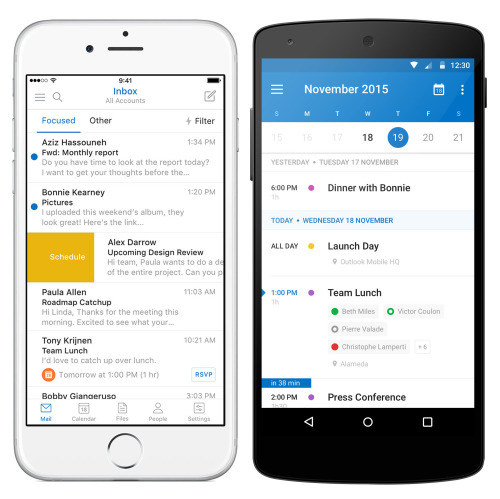
Best of all, Outlook’s calendar already incorporates a lot of Sunrise features. The daily agenda and 3-day view look nearly identical. Email in the app is surprisingly good, too. Outlook sorts messages into two inboxes: Focused (for important stuff) and Other (for everything else).

The Bad &; – Because Outlook’s email and calendar views are side-by-side, you might get caught in an email vortex when all you want to do is look up where you’re supposed to be right now.

Also, activities on Outlook for mobile can’t be synced with the Outlook web app, so you’re shackled to your phone. Currently, there are no plans to revamp the web app or integrate the Sunrise experience. However, you *can* open the Outlook app and go to Settings > Help & Feedback > Suggest A Feature to give the team a lil’ nudge in the right direction.

Outlook


View Entire List ›

Quelle: <a href="9 Alternatives To The Sunrise Calendar App That Don&039;t Suck“>BuzzFeed

You Should Probably Change Your Dropbox Password Right Now

Over 60 million account details were stolen in 2012, and the list has been leaked.

Hackers obtained around 68 million email accounts at that time – and it was recently revealed that passwords were also at risk. The database was sent to Motherboard by the breach notification service Leakbase.

In a blog post, Dropbox wrote, “If you signed up for Dropbox prior to mid-2012 and haven’t changed your password since, you’ll be prompted to update it the next time you sign in.”

The forced reset is a “purely preventative measure,” according to the company.

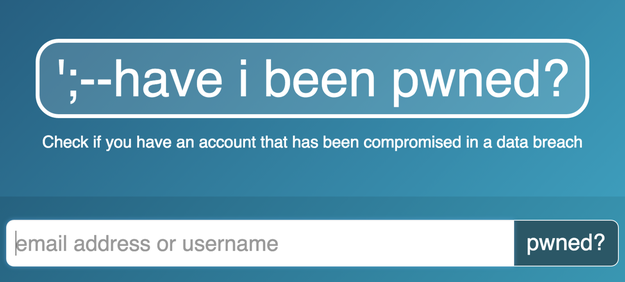
You can check if your email address has been a part of a breach at haveibeenpwned.com.

You can check if your email address has been a part of a breach at haveibeenpwned.com.

haveibeenpwned.com

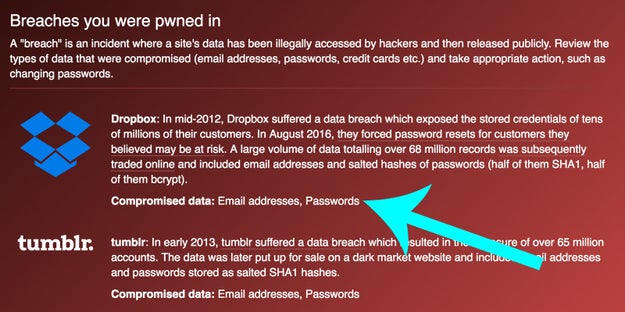
The site reveals which data associated with your email has been compromised.

The site reveals which data associated with your email has been compromised.

haveibeenpwned.com

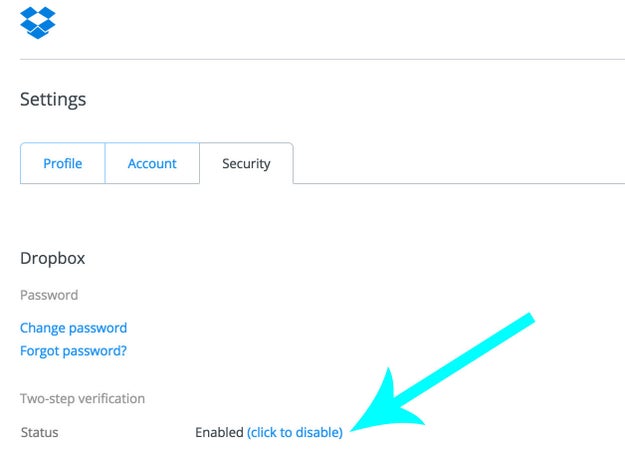
Change your Dropbox password here – and turn on two-step verification.

Change your Dropbox password here – and turn on two-step verification.

Dropbox


View Entire List ›

Quelle: <a href="You Should Probably Change Your Dropbox Password Right Now“>BuzzFeed

Instagram's Snapchat Clone Hasn't Hurt Snapchat's User Numbers

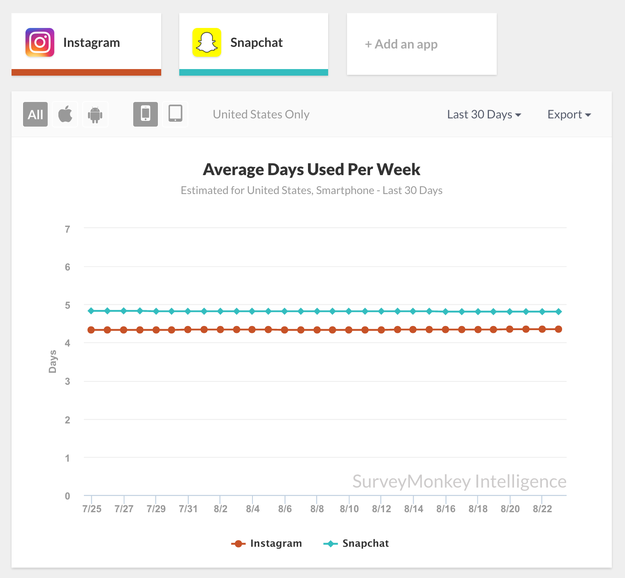
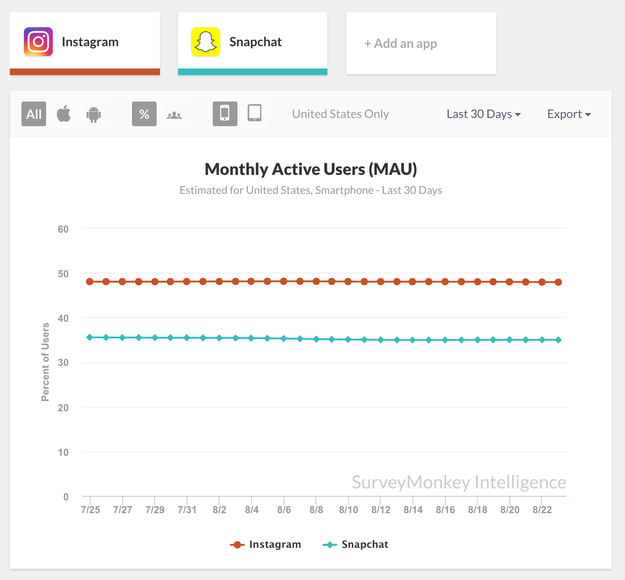
A month after Instagram released its clone of Snapchat Stories, Snapchat&;s user numbers are holding steady, according to four third-party data providers.

The data providers — App Annie, Apptopia, Sensor Tower, and SurveyMonkey — did not find any meaningful decline in Snapchat&039;s numbers in the weeks after the introduction of Instagram Stories. So for those who were quick to deem Instagram Stories a Snapchat killer, the early results suggest it may be wise to reconsider that label. It doesn&039;t look like Instagram&039;s number of users changed after it released Stories, either.

“About a month into the launch of Instagram&039;s Stories feature, we are still not seeing a significant increase of time spent in the app versus Snapchat,” Danielle Levitas, SVP of research at App Annie, told BuzzFeed News. “While there are several factors that may be contributing to this, the early stage of adoption by its user base is still ongoing.”

Wes McCabe, at Sensor Tower, said the trend lines remain the same as before Instagram&039;s introduction of Stories. Data from Apptopia showed no ill effects on Snapchat at all. And Snapchat usage among SurveyMonkey&039;s panel of over 1 million US iOS and Android users also didn&039;t flinch.

“Our data shows that Instagram Stories hasn&039;t made any discernible impact on Snapchat. The core usage metrics haven’t budged for either app throughout August,” a SurveyMonkey spokesperson told BuzzFeed News.

It&039;s still early in the battle between the two prominent social apps, but the data reveals that Instagram won&039;t be able to swiftly poach Snapchat&039;s users by simply adding the same features. It&039;s now clear that Snapchat&039;s users are loyal. And if Instagram wants to convince its rival&039;s 150 million daily users to port their activity over, it will need to be patient.

Snapchat declined to comment. An Instagram spokesman indicated Facebook will soon introduce even more features to the app: “We&039;re thrilled to see how quickly Instagram Stories has caught on with the community,” he said. “We’re working on some exciting new features for the coming weeks.”

Quelle: <a href="Instagram&039;s Snapchat Clone Hasn&039;t Hurt Snapchat&039;s User Numbers“>BuzzFeed

Sonos To Add Amazon Alexa Voice Control In 2017

Sonos To Add Amazon Alexa Voice Control In 2017

Sebastian Reuter / Getty Images

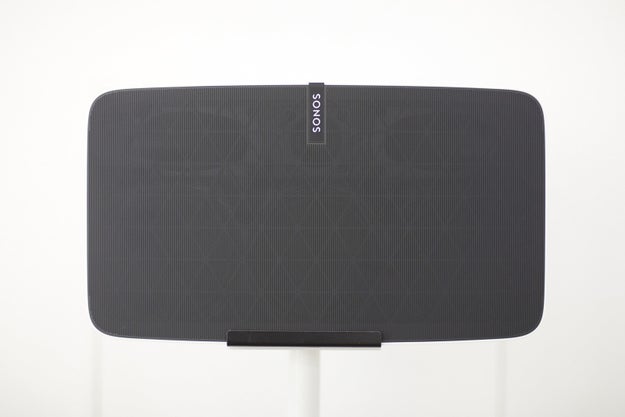
Sonos, the wireless home speaker company, is partnering with Amazon to add voice control to its devices, the company announced at an event in New York today.

Starting in 2017, users will be able to issue voice controls to any of their Amazon Alexa devices to play music from Sonos speakers. Voice requests such as playing specific songs in certain locations will be recognized by Amazon&;s smart assistant and passed over to Sonos software.

Voice control has been rumored for Sonos for months — and directly acknowledged by CEO John MacFarlane in March — but it wasn&039;t clear whether it would be integrated directly into the devices themselves or through a partner like Amazon. According to Sonos vice president of software Antoine Leblond, the new functionality has been in the works since March.

youtube.com

Though Sonos voice control is limited to Amazon Echo devices for the time being, the company said that the partnership is not exclusive, and would not rule out partnerships with other voice control platforms, like Siri, or even native voice control made by Sonos itself.

“We want to integrate with any voice provider that can provide a great voice driven experience for songs,” Leblond told BuzzFeed News. “And Amazon is clearly first out of the gate.”

In March, Sonos chief product officer Marc Whitten, who launched the company&039;s Play5 speaker, left the company to work for Amazon.

Sonos is also working to enhance the streaming music experiences it offers through its wireless systems. In October, the company will roll out a new feature that will enable its speakers to be controlled via Spotify&039;s desktop and mobile apps. It plans to do the same for Pandora.

Quelle: <a href="Sonos To Add Amazon Alexa Voice Control In 2017“>BuzzFeed

Transportation Secretary Foxx Says We’ll Ride In Self-Driving Cars In 5 Years

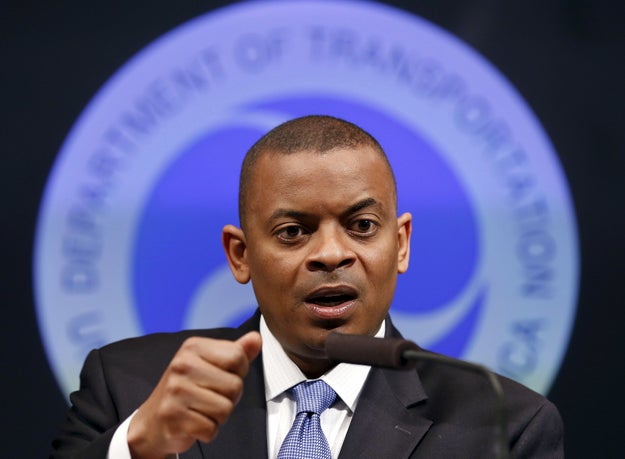
US Transportation Secretary Anthony Foxx delivers an announcement in Washington, DC, in 2014.

Larry Downing / Reuters

Automakers and ride-hail companies are racing to put self-driving cars on the road. In a few weeks, Uber passengers in Pittsburgh will be able to hail self-driving Volvos. Last month, Tesla announced its hopes to build an autonomous ride-hailing fleet. And this month, Ford said it plans to mass-produce autonomous vehicles by 2021. These timelines might seem ambitious, considering how self-driving vehicles still have backup humans behind the wheel. But US Department of Transportation Secretary Anthony Foxx, who has done several Silicon Valley tours and ridden in Google’s self-driving cars, thinks the transition could be even sooner.

“For the last couple of years, folks have asked me, ‘When do you think people will be able to get into an autonomous car?’” Foxx told BuzzFeed News in an interview. “I’ve said, ‘You know, it could be five years, it could be less.’”

As Silicon Valley and Detroit have been reimagining transportation, the US government has been contemplating how to develop standards for this unproven technology. In a few weeks, the Department of Transportation is planning to release guidelines for autonomous vehicles. BuzzFeed News sat down with Foxx to talk about the future of transportation.

Making sure autonomous vehicles are safe is the biggest concern

Humans are responsible for more than 90% of car crashes, but of course nobody wants that blame to simply shift to machines. “Where we spend most of our time is figuring out how safe a technology is,” Foxx told BuzzFeed News. The Department of Transportation is still working on its guidelines, but Foxx hinted — as he has in the past — that the agency wants to conduct its own testing and examination of self-driving technologies before they are released to the public. “It’s going to be far better for everybody if we have a chance to be part of the construction, if you will, of a new system,” Foxx added.

“Where we spend most of our time is figuring out how safe a technology is.”

He said that he doesn’t know what questions the department will pose to automakers, but that companies should be “working with us on the front end as they’re developing the technology, so we understand it and we’re not having to pore through 15 treatises to figure out how the technology works.”

The guidelines are coming after the fatal crash of a Tesla while the car’s semiautonomous feature, called Autopilot, was activated. The accident is under federal investigation to determine whether Autopilot was at fault. Although the feature is named Autopilot, Tesla advises drivers to still keep their hands on the wheel.

Foxx couldn’t elaborate on the details of an ongoing investigation. But he said the incident underscored how critical it is to consider how humans will interact with new vehicle technology.

“There are YouTubes of people riding around in Autopilot cars in the backseat, filming themselves,” he said. “At some point, as this technology evolves, there has to be a massive public relations campaign to convince people that they can’t use the technology in ways that aren’t intended.”

Foxx’s department is forming a federal advisory committee on autonomous vehicles and artificial intelligence, which will consider the relationship between humans and driverless cars. How do you teach a person what they can and can’t do in an autonomous vehicle? What if the car has some technology that takes over for the human, but the driver is still expected to remain vigilant and ready to take over at any time, as in the case of Tesla’s Autopilot? The committee will attempt to answer those questions.

Ride-hailing is becoming public transportation

When the Department of Transportation released a 30-year traffic report last year, Foxx told BuzzFeed he thought public transportation would start “behaving more like Uber.”

A year and a half later, public transit agencies across the country are not just behaving like Uber — they’re subsidizing it outright for their residents. Altamonte Springs, Florida, 10 miles north of Orlando, subsidizes 20% of the cost of every Uber ride within its borders, and bumps that discount up to 25% if the rider is going to or from the local light rail. Centennial, Colorado, a suburb of Denver, began offering residents free Lyft rides to the light rail station this summer. Foxx told BuzzFeed it wouldn’t be surprising if more agencies followed the trend — and eventually, the majority of public transportation could become a string of private services.

“As a former mayor, I can say it with confidence: It’s all part of trying to figure out how to do more with less,” Foxx said. “A transit agency is going to say, ‘Look, the cost of acquiring 50 new buses to connect that last mile is going to be more expensive for us than plugging in our operating budget some additional money to connect to a ride-sharing service.’”

Some critics have raised concerns that turning over public transportation to private companies could leave out the people who need public transportation most: lower-income people who might not have smartphones, or who live in areas that are less lucrative for drivers, given that Uber and Lyft employees are private contractors and earn their wages based on each drive. But Foxx said cities could mitigate some of these criticisms; for example, some cities have suggested placing kiosks on the streets to allow people to call for rides.

In the more distant future, even the Hyperloop seems possible

Some of Silicon Valley’s emerging transportation technologies are still beyond Foxx and his department. “We’re going to almost have to have a part of our department that’s like ‘The Office of Stuff No One’s Thought Of,’” Foxx said.

Ideas like the Hyperloop — the tube dreamed up by Elon Musk that would zip through a pipe and transport people from San Francisco to Los Angeles in 30 minutes — bring up the same questions as driverless technology, Foxx says.

Via giphy.com

“The fundamental question for us is going to be … how do we evaluate that through the prism of safety?” he says.

Foxx said the department hasn’t formed any agreements or offered funding to help move the Hyperloop project forward. (Hyperloop One, a company with $92 million in funding, has an agreement with Russia to build a Hyperloop in Moscow.)

But could the Hyperloop actually become a real thing that people commute on? Foxx and his department are preparing for it.

“We’re certainly watching,” Foxx said. “We’re paying attention to it.”

Quelle: <a href="Transportation Secretary Foxx Says We’ll Ride In Self-Driving Cars In 5 Years“>BuzzFeed

A Site That Facebook Made A Top Trending Topic Is A Sketchy Reprint Factory

EndingTheFed.com is filled with dubious articles taken from other right-wing websites.

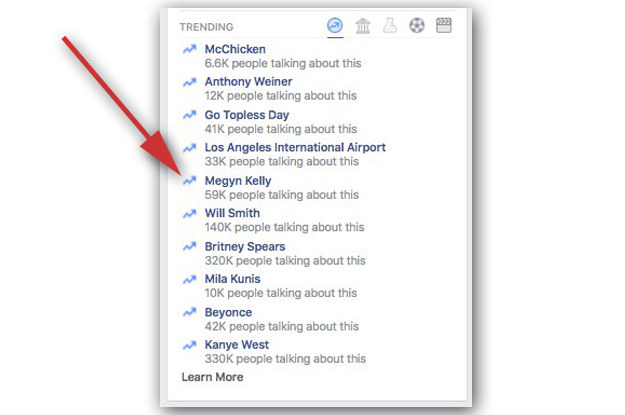
For much of Sunday and into Monday, Fox News host Megyn Kelly was one of the top Trending Topics on Facebook. Her name appeared in the sidebar seen by Facebook users in the United States:

For much of Sunday and into Monday, Fox News host Megyn Kelly was one of the top Trending Topics on Facebook. Her name appeared in the sidebar seen by Facebook users in the United States:

Facebook

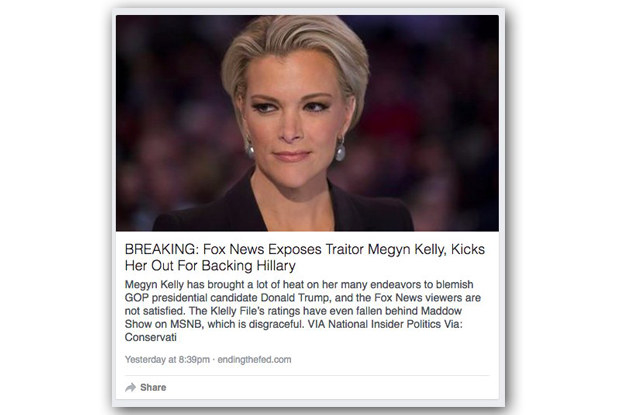
If you hovered your mouse over her name, up popped a story claiming that Kelly had been “kicked out” of Fox News “for backing Hillary.” The story was from a site called EndingTheFed.com — and it’s false.

If you hovered your mouse over her name, up popped a story claiming that Kelly had been "kicked out" of Fox News "for backing Hillary." The story was from a site called EndingTheFed.com — and it's false.

EndingTheFed.com was anonymously registered by its current owner in March of this year. The site has grown quickly thanks to a strategy of publishing aggressively pro-Trump, right wing stories. Even more notable is that the majority of its recent stories are simply taken word-for-word from other right-wing sites.

That means Facebook, the largest social network on the planet, actively promoted a fake story from a website that basically exists to republish other, often dubious, posts from fringe sites on the conservative web.

It&;s unclear whether Ending The Fed has permission to republish content from other sites, or if it&039;s committing mass plagiarism. BuzzFeed News contacted the site but has not heard back. Facebook declined to comment on the record about how the story made it to the Trending Topics list.

Facebook

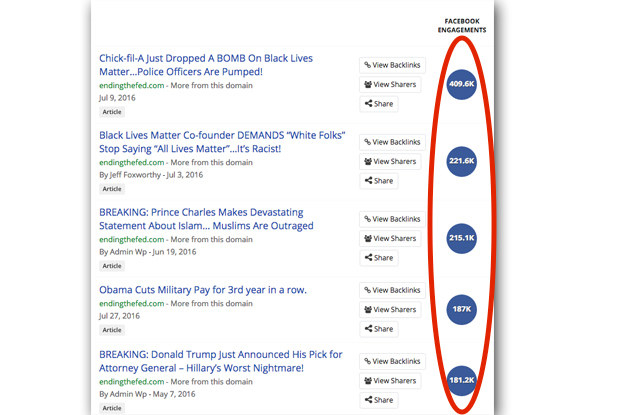
Even before Facebook gave it a boost, Ending The Fed was getting big hits on the social network. The site’s top five stories have together racked up over 1.2 million likes, shares, and comments since May:

Even before Facebook gave it a boost, Ending The Fed was getting big hits on the social network. The site's top five stories have together racked up over 1.2 million likes, shares, and comments since May:

The top story is a word-for-word reprint of this story, while the (partially false, partially true) claim about Obama cutting military pay is taken from here.

It&039;s unclear whether Ending The Fed&039;s success on Facebook in recent months caused it to be selected as the top story for the Megyn Kelly Trending Topic. On Friday, Facebook announced it was no longer using humans to write the summaries that accompany Trending Topics, though human engineers would be reviewing the topics selected by the algorithm.

Facebook previously announced measures to try and reduce the spread of fake news on its platform, but a BuzzFeed News report found that false stories continue to receive strong engagement.

BuzzSummo

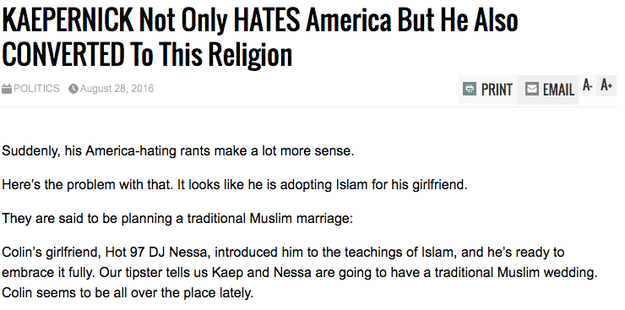
Ending The Fed often republishes false stories. The same day it ran the Kelly story it also incorrectly reported that NFL quarterback Colin Kaepernick had converted to Islam:

Ending The Fed often republishes false stories. The same day it ran the Kelly story it also incorrectly reported that NFL quarterback Colin Kaepernick had converted to Islam:

Ending The Fed&039;s story was a word-for-word repost of this from Clash Daily, which claimed Kaepernick had converted. That post was based on a claim from a sports gossip website, which cited anonymous “people close to the player” who said Kepernick is going to become Muslim.

Kaepernick recently attracted criticism after he refused to stand for the national anthem before a football game; he has said nothing about converting to Islam.

Ending The Fed / Via endingthefed.com


View Entire List ›

Quelle: <a href="A Site That Facebook Made A Top Trending Topic Is A Sketchy Reprint Factory“>BuzzFeed

Apple To Unveil New iPhone On September 7

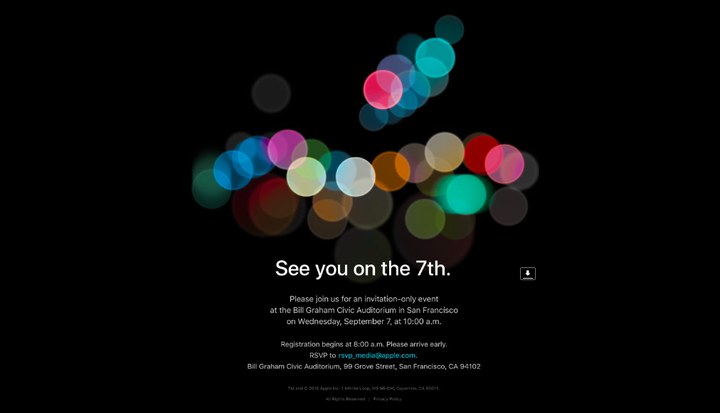
This afternoon, Apple sent out an invitation for its fall event, which will be held Wednesday, Sept. 7 at 10 a.m. PST at the Bill Graham Civic Auditorium in San Francisco. In keeping with its yearly product cycle, the company is expected to unveil its newest iPhone models.

Reports suggest that the new models will be similar in design but with better cameras and a new, pressure-sensitive haptic home screen button. Multiple reports also suggest that Apple will eliminate the headphone jack on the new phones — a controversial decision.

Also rumored (but unconfirmed): an upgraded Apple Watch with built-in GPS and improved battery life.

Quelle: <a href="Apple To Unveil New iPhone On September 7“>BuzzFeed

Fitbit's Newest Activity-Trackers Are Here

Nicole Nguyen / BuzzFeed News

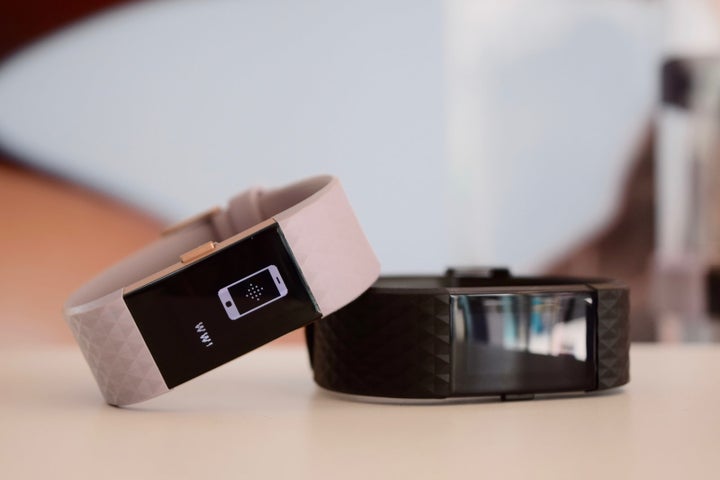
Of Fitbit’s many wearables, the most popular have been the heart rate-tracking Charge HR and its first wristband, the Flex. Now, the company is unveiling new versions of both with hardware and software features meant to address some of Fitbit users’ longest-standing desires: Water-proofness, and tools that give people a more comprehensive and personalized view of their fitness levels.

The Charge 2 and Flex 2, both of which are available for preorder starting today, also come in sleek new designs and with fashionable accessories designed to make their products look more like jewelry and less like typical fitness-trackers.

The Charge 2, which will ship in September, and the Flex 2, available in October, mark the first time that Fitbit has reimagined any of its existing devices. As it prepares to phase out their predecessors, it’s hoping that the second generation will be exciting enough to draw in first-time customers — and inspire current ones to upgrade. They come after the company had hits earlier this year with a pair of new devices. The Blaze, Fitbit’s first smartwatch, and the bracelet-like Alta were together so popular they brought in more than half of the company’s revenue in the second quarter.

The Charge 2 now gives fitness fanatics more ways to manage and understand their workouts.
Nicole Nguyen / BuzzFeed News

The Charge 2 still has continuous, automatic heart-rate tracking, but now boasts a display that’s four times bigger, which makes text previews, caller ID, and calendar alerts — all new features — easier to read.

The biggest changes, though, lie in the fitness-tracking software. One of customers’ biggest complaints is that the motivation to wear a Fitbit fades quickly, since the 10,000-step challenge is a non-personalized goal and represents just one facet of overall health.

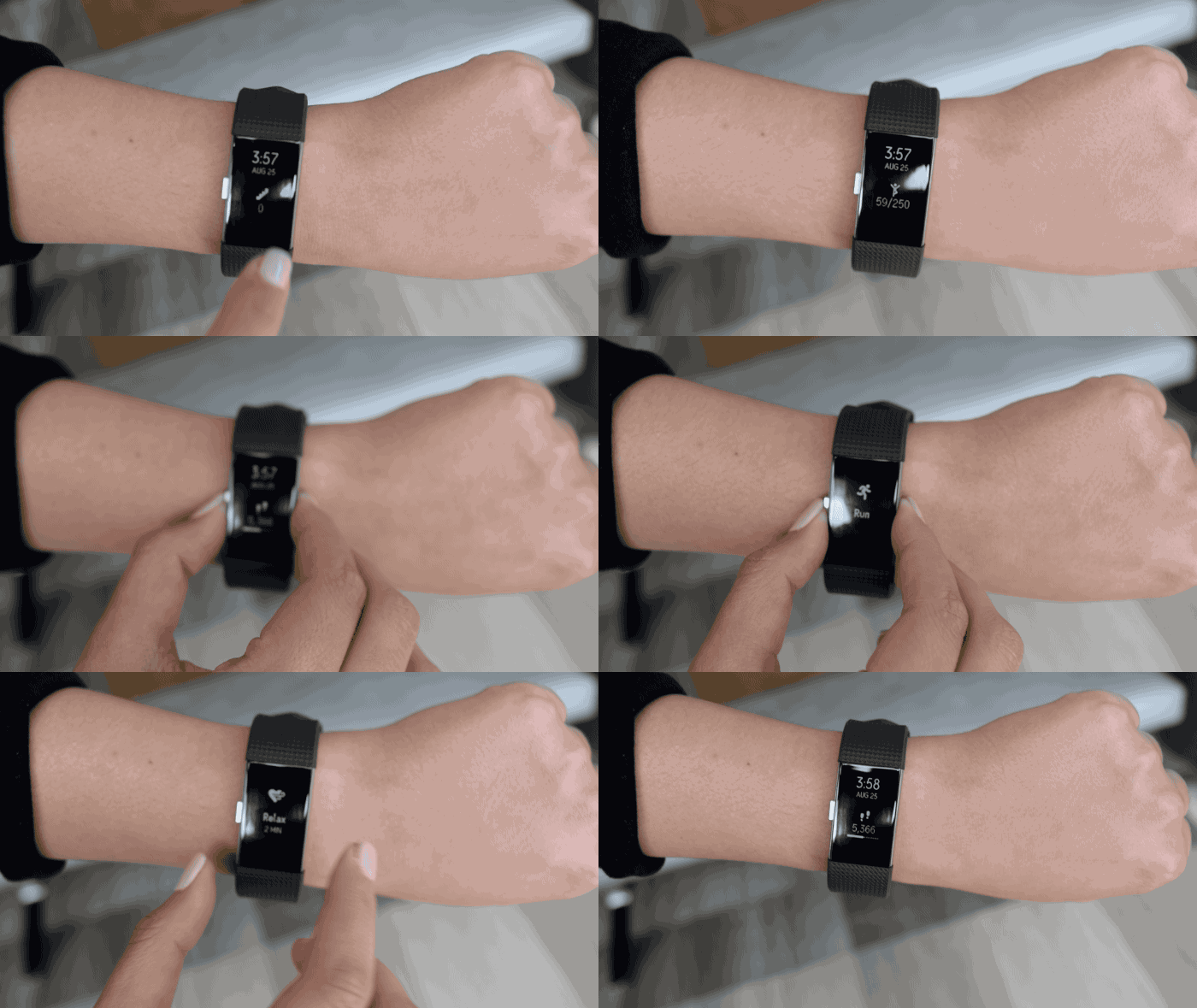
This Charge tries to address that by offering a deeper and more personalized array of health information on the wrist. It can now spit out a score meant to approximate your cardio fitness level, based on your user profile, heart rate, and exercise data, and offer customized tips to improve your score by losing weight or changing up your workouts. The device can also show off real-time exercise statistics, shift into different tracking modes for runs, bike rides, weights, and yoga, guide you through high-intensity workouts, and link with your smartphone GPS to track things like the pace and distance of your runs.
Stephanie M. Lee / BuzzFeed News

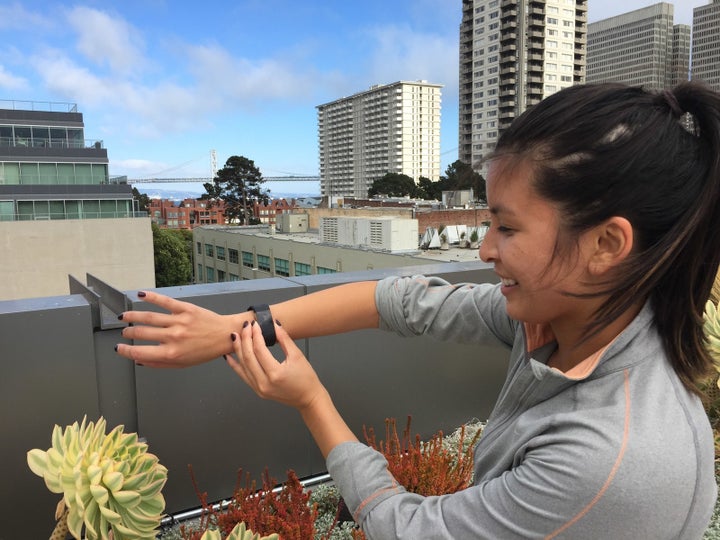
The review device Fitbit provided is still in beta, so the software may change when it ships. During our first workout with it, the large display made it easier to see stats like heart rate and duration while exercising. One gripe we had with the Charge 2 was that initiating a workout was buried under a series of taps. The app doesn’t have the option to prioritize which types of workouts to display. So, for example, if you’re a cyclist, you’d need to click the side button twice and tap the screen five times before every ride.

The Charge 2 also steps into mental wellness, which is new territory for Fitbit. It offers deep-breathing sessions, two to five minutes long, that track your heart rate variability and guide you along with visualizations, animations, and vibrations. Guided breathing is an increasingly popular feature on apps and wearables — including the Apple Watch, which unveiled its own version this summer.

The Charge 2 costs $150 and lasts up to five days per charge (the same as its predecessor). It comes with both elastomer accessory bands and leather ones.

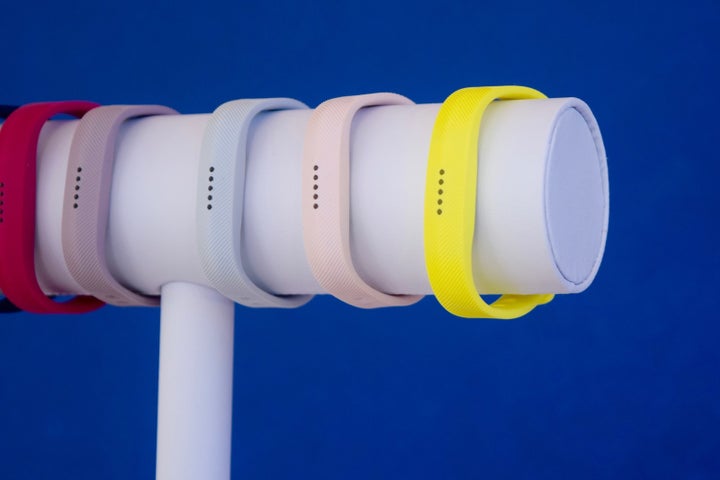
Fitbit’s new Flex 2 is 30% slimmer than the original and *finally* swim-proof.
Nicole Nguyen / BuzzFeed News

The entry-level wristband has been completely redesigned, with a sleeker (or, dare we say, more Jawbone-like) band — making it the thinnest Fitbit out there — and a smaller removable tracker. At $100, the Flex 2 is also the most affordable wristband in Fitbit’s lineup. It has all-day activity-tracking without the heart rate capabilities of the Charge HR, Blaze, or Surge bands.
Nicole Nguyen / BuzzFeed News

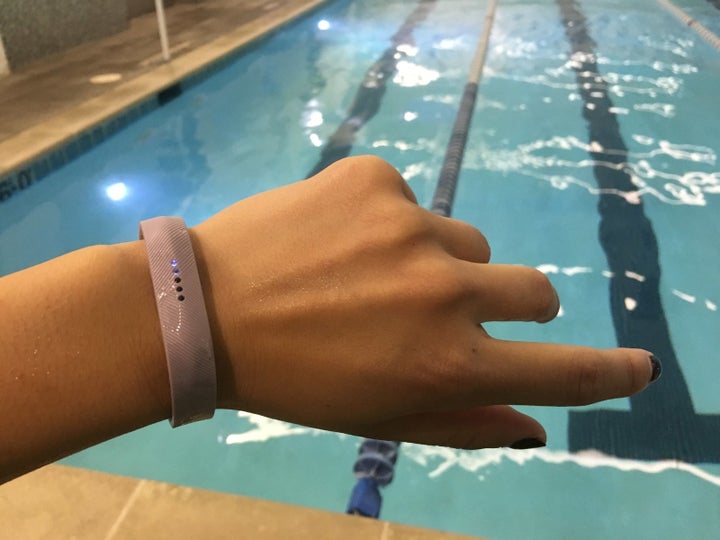
The Flex 2’s most noteworthy feature is its swim-proofness, rated to 50 meters or about 160 feet deep, and new lap-, pace-, and distance-counting capabilities. The band is Fitbit’s first truly waterproof device. The company’s other offerings are merely water resistant and even showering is not recommended.

Fitbit has been slow to bring a swimmer-friendly tracker to market. According to product marketing manager Jamie Kelly, Fitbit began developing the Flex 2 in earnest 18 to 24 months ago. Waterproof activity trackers with swimming features, like the Moov Now $79, Garmin Vivoactive ($245), and Misfit Shine $120, have been available for a year or more.
Nicole Nguyen / BuzzFeed News

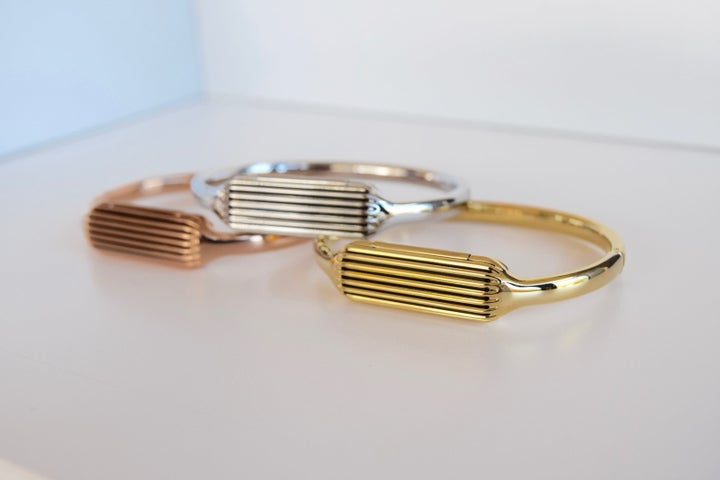
The Flex 2 does, however, have two key benefits over its competitors: an auto-tracking feature (both Moov and Misfit users must initiate a session before they swim) and an insane selection of accessories. Fitbit is offering elegant, Flex 2-compatible metal bangles ($90-$100) and lariat-style necklaces ($80-$100), in addition to classic bands in seven different colors and designer collaborations with Tory Burch, Simply Vera by Vera Wang, and Public School.

The band now has “smart” features, too. Like the original Flex, the tracker has an LED display that shows goal progress – but unlike it, those lights can indicate whether you’re getting a call or text. Fitbit has also integrated the SmartTrack automatic exercise tracking feature in the Flex 2, so it can detect whether you’re spinning, biking outdoors, on the elliptical, or, of course, on a swim.

In our test, the Flex 2, a “very beta” unit on loan from Fitbit, failed to log a 40-minute, 1,200-yard swim, which may be why its specific release date isn’t certain. It appeared as “light steps” in the app.
Nicole Nguyen / BuzzFeed News

You can pre-order the Flex 2 and Charge 2 starting today at Fitbit.com and tomorrow at retailers like Amazon, Best Buy, Brookstone, Dick’s Sporting Goods, Nordstrom, Target, REI and Verizon. Stay tuned for our full review.

In addition to the new trackers, Fitbit is introducing a slew of fancy new bands for the Alta and Blaze — including 22-karat-gold-plated bangles — from luxury designers like Public School, Vera Wang, and Tory Burch. (They’re not cheap, ranging from $100 to $150.)

And it’s unveiling a new motivational tool called Fitbit Adventures, a series of non-competitive challenges inspired by scenic destinations. Users can take steps that add up to the distances of real trails from Yosemite National Park, the first featured location, as motivation.

Quelle: <a href="Fitbit&039;s Newest Activity-Trackers Are Here“>BuzzFeed