Azure SQL Database Threat Detection, your built-in security expert

Azure SQL Database Threat Detection has been in preview for a few months now. We’ve onboarded many customers and received some great feedback. We would like to share a few customer experiences that demonstrate how Azure SQL Database Threat Detection helped address their concerns about potential threats to their database.

What is Azure SQL Database Threat Detection?

Azure SQL Database Threat Detection is a new security intelligence feature built into the Azure SQL Database service. Working around the clock to learn, profile and detect anomalous database activities, Azure SQL Database Threat Detection identifies potential threats to the database.

Security officers or other designated administrators can get an immediate notification about suspicious database activities as they occur. Each notification provides details of the suspicious activity and recommends how to further investigate and mitigate the threat.

Currently, Azure SQL Database Threat Detection detects potential vulnerabilities and SQL injection attacks, as well as anomalous database access patterns. The following customer feedback attests to how Azure SQL Database Threat Detection warned them about these threats as they occurred and helped them improve their database security.

Case : Attempted database access by former employee

Borja Gómez, architect and development lead at YesEnglish

“Azure SQL Database Threat Detection is a useful feature that allows us to detect and respond to anomalous database activities, which were not visible to us beforehand. As part of my role designing and building Azure-based solutions for global companies in the Information and Communication Technology field, we always turn on Auditing and Threat Detection, which are built-in and operate independently of our code. A few months later, we received an email alert that "Anomalous database activities from unfamiliar IP (location) was detected." The threat came from a former employee trying to access one of our customer’s databases, which contained sensitive data, using old credentials. The alert allowed us to detect this threat as it occurred, we were able to remediate the threat immediately by locking down the firewall rules and changing credentials, thereby preventing any damage. Such is the simplicity and power of Azure.”

Case : Preventing SQL Injection attacks

Richard Priest, architectural software engineer at Feilden Clegg Bradley Studios and head of the collective at Missing Widget

“Thanks to Azure SQL Database Threat Detection, we were able to detect and fix code vulnerabilities to SQL injection attacks and prevent potential threats to our database. I was extremely impressed how simple it was to enable the threat detection policy using the Azure portal, which required no modifications to our SQL client applications. A while after enabling Azure SQL Database Threat Detection, we received an email notification about ‘An application error that may indicate a vulnerability to SQL injection attacks.’  The notification provided details of the suspicious activity and recommended concrete actions to further investigate and remediate the threat. The alert helped me to track down the source my error and pointed me to the Microsoft documentation that thoroughly explained how to fix my code. As the head of IT, I now guide my team to turn on Azure SQL Database Auditing and Threat Detection on all our projects, because it gives us another layer of protection and is like having a free security expert on our team.”

Case : Anomalous access from home to production database

Manrique Logan, architect and technical lead at ASEBA

“Azure SQL Database Threat Detection is an incredible feature, super simple to use, empowering our small engineering team to protect our company data without the need to be security experts. Our non-profit company provides user-friendly tools for mental health professionals, storing health and sales data in the cloud. As such we need to be HIPAA and PCI compliant, and Azure SQL Database Auditing and Threat Detection help us achieve this. These features are available out of the box, and simple to enable too, taking only a few minutes to configure. We saw the real value from these not long after enabling Azure SQL Database Threat Detection, when we received an email notification that ‘Access from an unfamiliar IP address (location) was detected.&;  The alert was triggered as a result of my unusual access to our production database from home. Knowing that Microsoft is using its vast security expertise to protect my data gives me incredible peace of mind and allows us to focus our security budget on other issues. Furthermore, knowing the fact that every database activity is being monitored has increased security awareness among our engineers. Azure SQL Database Threat Detection is now an important part of our incident response plan. I love that Azure SQL Database offers such powerful and easy-to-use security features.

Turning on Azure SQL Database Threat Detection

Azure SQL Database Threat Detection is incredibly easy to enable. You simply navigate to the Auditing and Threat Detection configuration blade for your database in the Azure management portal. There you switch on Auditing and Threat Detection, and configure at least one email address for receiving alerts.

Click the following links to:

Learn more about Azure SQL Database Threat Detection.
Learn more about Azure SQL Database.

We&039;ll be glad to get feedback on how this feature is serving your security requirements. Please feel free to share your comments below.
Quelle: Azure

Portal support for Azure Search blob and table indexers now in preview

When building a search enabled application, data can come from many places and take many forms, so making it easy to ingest a variety of data sources is extremely important. Bringing amazing search to your data just got a little easier. Today we&;re excited to announce preview support for Azure blob and Azure table data sources in the Portal. Make your Microsoft Office, HTML, PDF, and other documents searchable with just a few clicks in the Import Data wizard.

We’ve provided simple user interfaces to pick accounts and containers from within your subscription. Perhaps you want to index blobs containing an Outlook email archive, or create a resume search application to streamline your hiring process.

After selecting your data, we’ll detect your metadata fields and suggest an index. The blob indexer has the ability to crack open your documents and extract all text into the content field as well.

We hope that these new data sources will enable some truly awesome experiences! For more information about indexers, see our articles on indexing table and blob storage through the API. To get started with Azure Search in the Portal check out this article. If you have questions, please feel free to reach out in the comments below, or leave your feedback on UserVoice.
Quelle: Azure

How This Decades-Old Technology Ushered In Predictive Text

How This Decades-Old Technology Ushered In Predictive Text

Caroline O’Donovan / BuzzFeed News

What do you call a typewriter with no keys? Though it sounds like a riddle, Stanford historian Tom Mullaney told BuzzFeed News, it’s not. A Chinese typewriter has 2,500 characters but zero keys, and Mullaney owns more of them than anyone else in the world.

The Chinese language has over 75,000 characters — way too many to fit on a keyboard with a single key per character. The inventor of the original Chinese typewriter slimmed that number down to just the 2,500 most used characters, but even still, that’s too many to type out as you would on an English-alphabet typewriter.

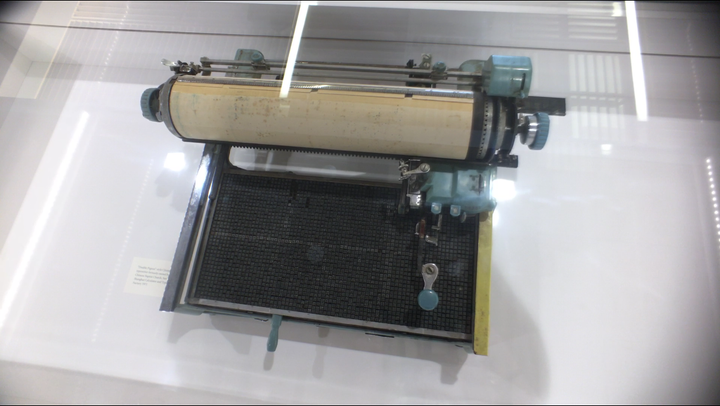
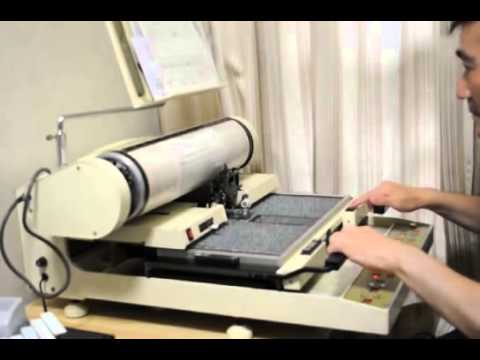
On a Chinese typewriter, those 2,500 characters correspond to 2,500 tiny metal squares, which lie side by side in a tray bed. Instead of pressing individual keys with individual fingers, the typist uses a knob in each hand to move a scroll of paper up and down, left and right over the keys. When the machine is on top of the character you want, you press down on a lever. Then, Mullaney explained, the metal piece gets pushed (or sucked up) into the type chamber, inked, and struck the surface of the paper, before being ejected and spit back out into the spot in the grid where it was.

Here’s what that process looks like:

youtube.com

That’s a lot of steps for just one character. Each stroke of the lever takes just a second, but the thing that slows Chinese typists down, and for years made them much slower than western typists, is the distance between characters — especially because the typewriter&;s characters were organized according to what Mullaney called “dictionary order.”

“The problem is, just like a dictionary, words don’t necessarily go together,” he said. “Aardvark and apple don’t show up in sentences together, despite being in the same part of the dictionary.”

So in the 50s, typists started dumping out all of the characters, and building their own custom tray beds from scratch, using tweezers to array characters based on how commonly they were used together.

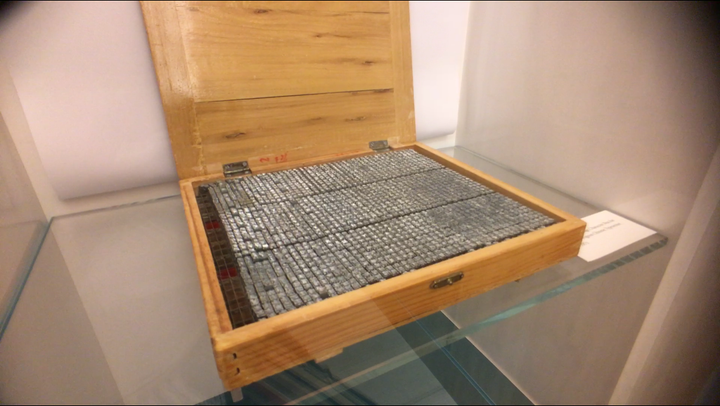
A tray of metal characters that came with a Chinese keyboard in so-called “dictionary order.”

Caroline O’Donovan / BuzzFeed News

The thinking was, “If I have to write the name Mao Zedong, which is three characters, over and over, why would I move across the tray bed?” Mullaney said. “Let’s put them right next to each other.” The result was “completely personalized, completely individualized, completely idiosyncratic” tray beds.

This innovation made typing much faster, according to Mullaney. “If the top speeds in the 1930s and 40s was 20 characters per minute, and that was for a very fast typist, after the 1950s …. you had top speeds of 55, 60 characters per minute,” he said. “That’s a three time increase in the speed of the machine just by rearranging the characters in the tray bed.”

But he also sees it as an early, hand-crafted, analog version of the kind of predictive text we now find in Google autocompletes and advanced smartphone keyboards. “Predictive text of that sort was already baked into Chinese typewriters in the mechanical realm, and then gets brought into the realm of Chinese computing in the 60s and 70s.” Nowadays, he said, in China, pretty much every interaction a person has with a computer interface — from word processors to search bars — has predictive text built in.

Caroline O’Donovan / BuzzFeed news

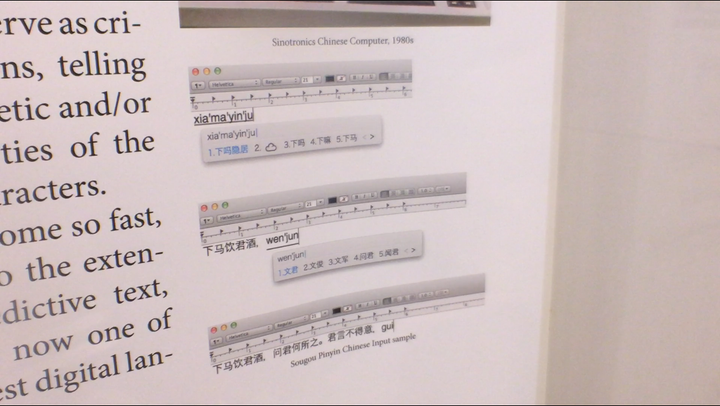
These days, the QWERTY keyboard is standard in China — but instead of each key corresponding to a single letter in the alphabet, each key corresponds to a sound, and predictive text suggests a character that goes with those sounds. As a result, he said, after decades of relying on slower technologies, “the fastest Chinese computer inputter using a QWERTY keyboard input … is faster than the fastest alphabetic typist.”

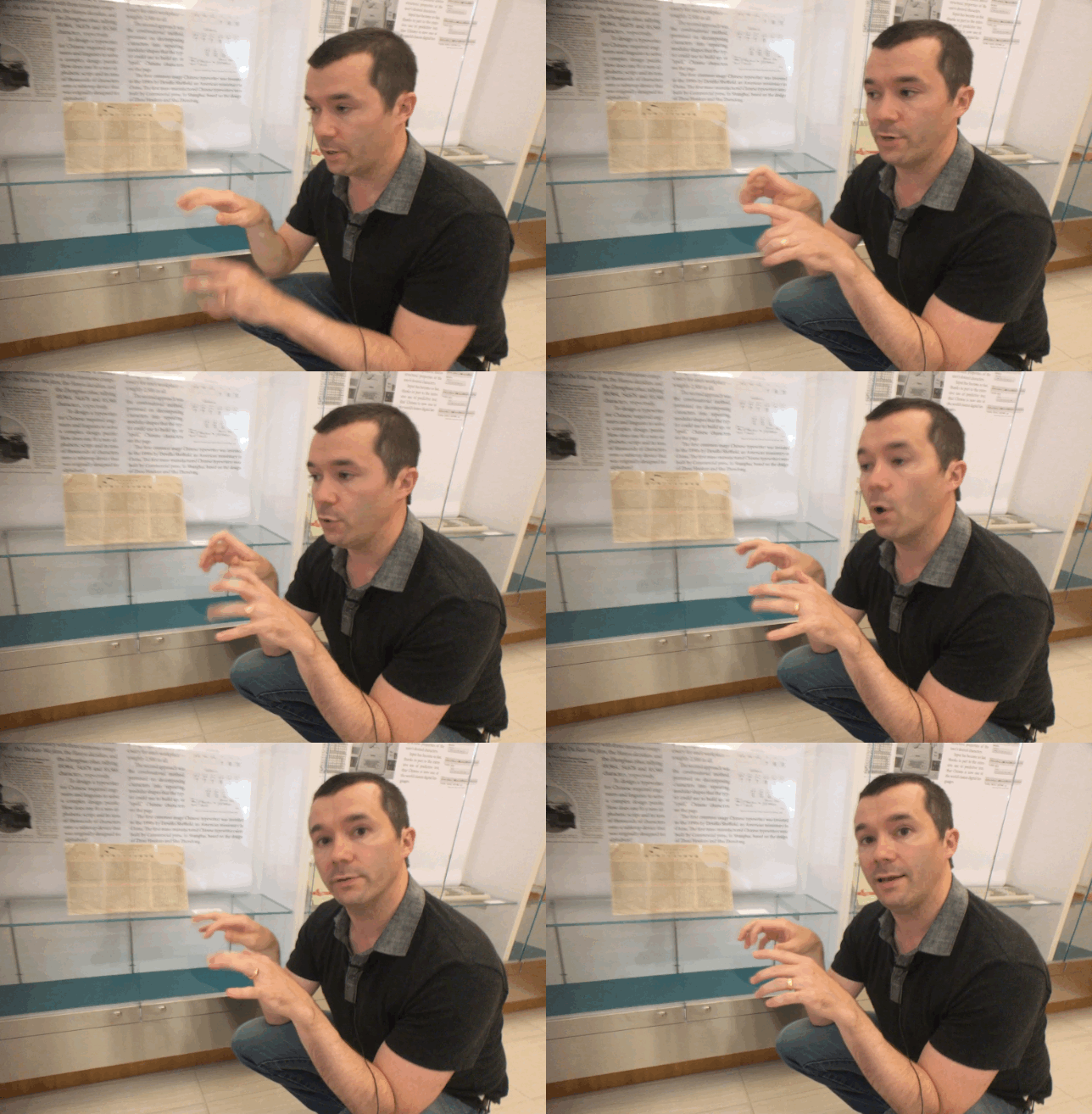
Stanford historian Tom Mullaney explains how *not* to use a Chinese typewriter.

Caroline O’Donovan / BuzzFeed News

Both alphabetic and Chinese typewriters had an indelible impact on the way we communicate today, but only the Chinese typewriter has been almost entirely forgotten. Only a few institutions in the United States, including the Huntington Library and the Museum of Chinese in America, have Chinese typewriters, and three Chinese speakers I spoke with about this article weren’t aware they had ever existed.

So Mullaney, who amassed one of the largest collections in the world more or less by accident, is trying to “Save The Chinese Typewriter” starting with a (successful) Kickstarter campaign. His first Chinese typewriter, which is seafoam green and was the leading model in China throughout the 1970s, was given to him by a man who worked at a church in San Francisco. The typewriter had been used to print Chinese-language bulletins, but its services were no longer needed, and the man didn’t know what to do with it.

“If these were Western typewriters, you’d have the pick of the litter in terms of where to donate a machine like this or sell it on the antique market,” Mullaney told BuzzFeed News on a hot afternoon outside on Stanford’s campus, where he is a history professor. “There’s no such thing for East Asian information technology and Chinese typewriters.”

In the end, Mullaney&039;s Kickstarter campaign raised more than $13,491, and his traveling exhibition will — “outside of maybe the National LIbrary of China and the National Diet Library in Japan” — feature more Chinese typewriters than any other collection in the world. The tour kicks off with an exhibition in the San Francisco Airport in 2017.

View Video ›

Facebook: video.php

Quelle: <a href="How This Decades-Old Technology Ushered In Predictive Text“>BuzzFeed

I Dropped Samsung's New Phone In A Lake And It's Totally Fine

A review of the Galaxy Note 7, the ultimate phone for anyone who&;s still obsessed with their stylus.

Ellie Sunakawa / BuzzFeed

There’s a big new Android phone on campus: Samsung’s Galaxy Note 7.

There's a big new Android phone on campus: Samsung's Galaxy Note 7.

This month, Samsung will unveil the sixth iteration of its Note series but is calling it, confusingly, the Galaxy Note 7 (because its current flagship phone is the Galaxy S7, but whatever).

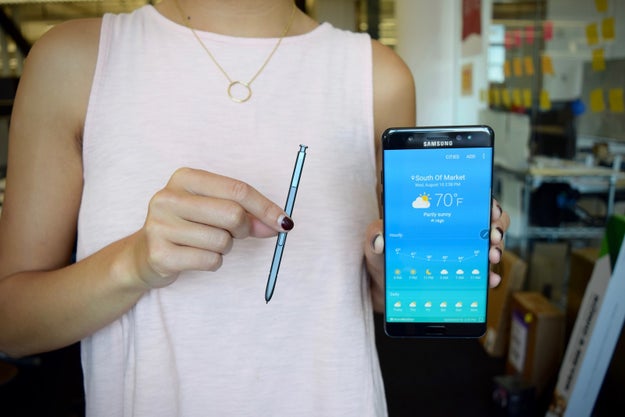
The new 5.7-inch Note is one of the best Android phablets you can buy right now – and, if you don&;t mind Samsung&039;s continually-improving-but-still-annoying TouchWiz interface, it is the best. I know, because Samsung lent me a Note 7 review unit ahead of its August 19 release date and I&039;ve been fumbling with its tiny little stylus ever since. And yes, phablet is the second worst name for a tech thing (next to ~dongle~).

I have always preferred “pure” Android devices like the Nexus 6P. In other words, phones developed in partnership with Google that run the latest version of the Android operating system. These phones, which you buy directly from Google&039;s online store, typically get the latest and greatest software updates first.

Galaxy phones are anything BUT “pure” Android devices (Samsung usually pre-loads a bunch of their own extra, Samsung-y stuff on them). And yet, it was impossible to deny just how good the Note is. The phone has a gorgeous new display with curved edges and is jam-packed with new features. Most of all, the Note 7 exceeds expectations where it matters most – battery life, speed, photo quality, and general lifeproof-ness.

Intrigued? More words ahead.

Nicole Nguyen / BuzzFeed

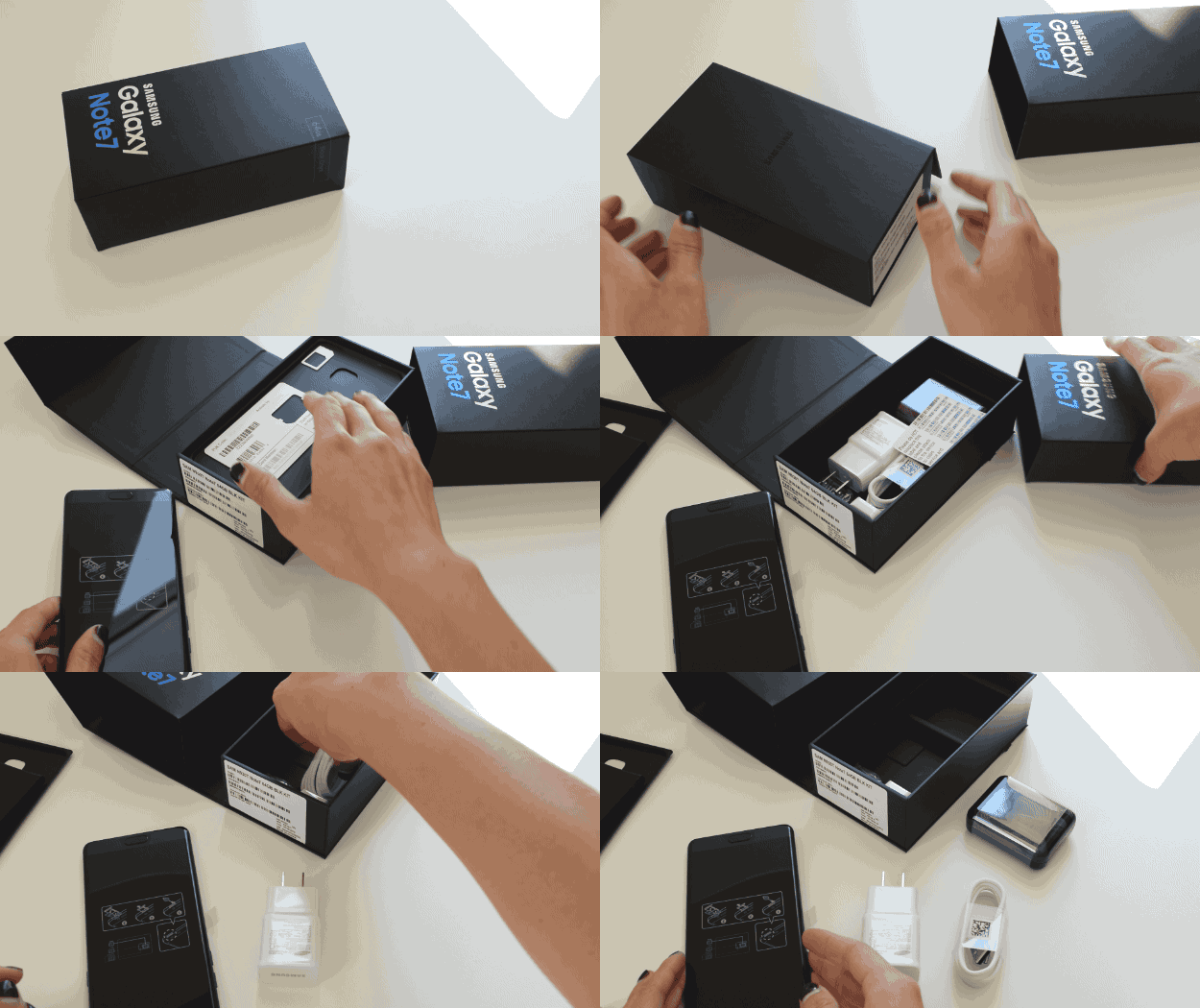
We’ll start with my favorite part: the unboxing.

We'll start with my favorite part: the unboxing.

The Note 7 comes with a pair of earbuds and a charging plug, per usual. There&039;s a schmancy new quick-charging USB C cable and a USB C-to-micro USB adapter, which can be used to connect your phone to pre-existing accessories.

Nicole Nguyen / BuzzFeed

Now with me, slowly: yessssssssssssss.

Now with me, slowly: yessssssssssssss.

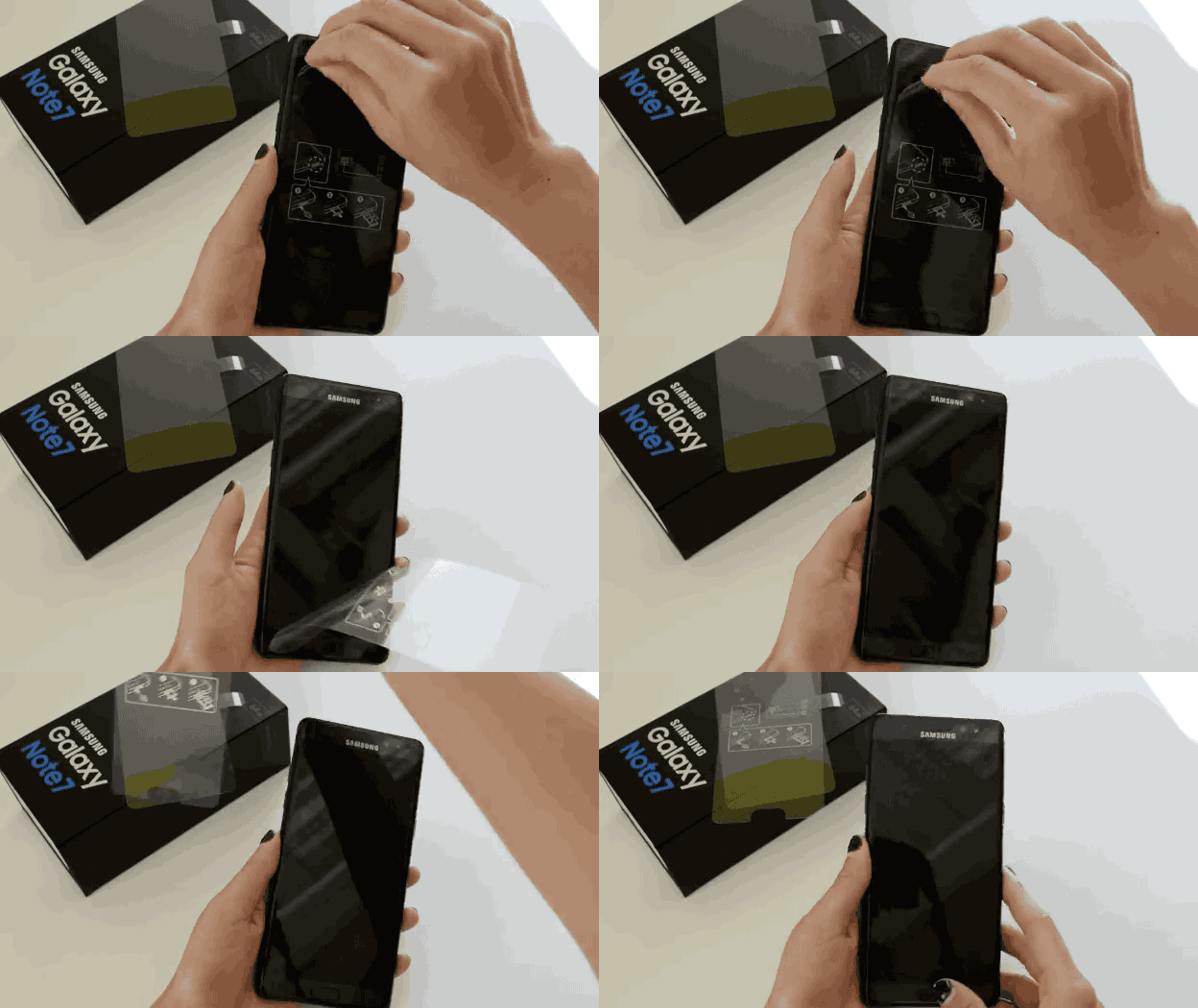
job perk = peeling off new screen protectors.

Nicole Nguyen / BuzzFeed


View Entire List ›

Quelle: <a href="I Dropped Samsung&039;s New Phone In A Lake And It&039;s Totally Fine“>BuzzFeed

Now That Snapchat Has Been Cloned By Instagram, Its Missteps Matter More

After watching Snapchat wade into racially insensitive territory once again last week, Katie Zhu decided she’d had enough. The San Francisco–based Medium engineer picked up her phone, deleted the app, and penned a Medium post encouraging others to leave as well. The post’s title: “I’m Deleting Snapchat, and You Should Too.

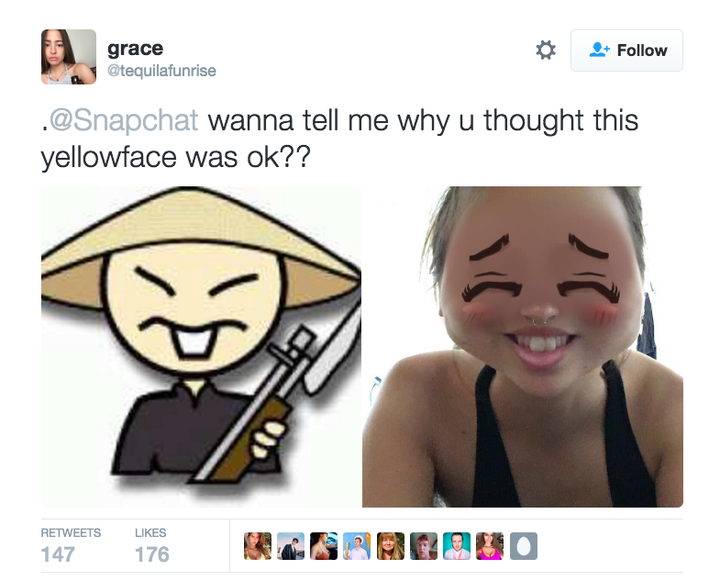
The screw-up that inspired Zhu to abandon Snapchat — a face-morphing filter resembling yellowface, an offensive Asian caricature — would until recently exist largely as a public relations problem. Social companies anger their users all the time, but the ire rarely translates into defection, since it’s hard to find the exact same features and network elsewhere (see: Facebook). But this time, it was different.

“Instagram now has a Snapchat Stories clone,” Zhu wrote. “So I’ll still be able to take mundane pictures of my day to day life.”

Zhu isn’t the only one noting the platforms’ interchangeability, and making a choice between them.

We’re just about two weeks into Instagram’s admitted cloning of Snapchat Stories, but tweets from folks jumping ship could be early signs of trouble, particularly if they gain momentum. In the past, Snapchat might have been able to skate away from slip-ups thanks to its product strength, but now users have a choice.

While Zhu&;s departure from Snapchat and those of the others whose tweets are listed above are hardly evidence of a brewing mass exodus, they suggest that Snapchat&039;s continuing filter foibles and Instagram&039;s offering of a Snapchat Stories alternative could become a recipe for attrition.

“They are not immune from people leaving the way Facebook was for so many years because they don&039;t own your social network.”

Karen North, director of USC Annenberg’s Digital Social Media program, told BuzzFeed News that Snapchat is not unsusceptible to such an event. “It&039;s easier and easier, frankly, to be able to leave a place where you don&039;t like the people, or the attitude, and find the same experience somewhere else,” she said. Snapchat, she explained, is “not immune from people leaving the way Facebook was for so many years because they don&039;t own your social network.”

Victor Anthony, managing director and senior analyst at Axiom Capital Management, agreed.

“Now that Instagram has essentially come out with an identical feature set, I do think it puts competitive pressure on Snapchat,” he told BuzzFeed News.

It&039;s worth noting that this isn&039;t the first time a poorly conceived Snapachat filter has elicited cries of outrage. In April, Snapchat released a Bob Marley filter some referred to as “digital blackface.”

The company defended itself following outcry over the yellowface resembling filter, telling The Verge that it was inspired by anime. But that explanation didn’t cut it for Zhu and others. Zhu’s response: “Buuuullshit. Anime characters are known for their angled faces, spiky and colorful hair, large eyes, and vivid facial expressions.”

“People in every walk of life accidentally stumble upon things that are insensitive because they&039;re thinking of one thing and they don&039;t realize it has implications for something else,” North said of the yellowface incident. “But when you&039;re a platform that has such broad distribution, meaning anything digital, there&039;s a responsibility to vet things much more carefully than people did in the brick and mortar days.”

For Snapchat, which rose to popularity on a pretty distinct feature set, there was a time when a high-profile misstep like yellowface might have been diffused with little in the way of user revolt. But with a powerful and well-established rival like Instagram positioning itself as a Snapchat alternative by cloning some of the service&039;s key features, user attrition could become more of a risk. Indeed, it seems at least a few folks are already heading for the door.

Snapchat has not yet responded to a request for comment.

Quelle: <a href="Now That Snapchat Has Been Cloned By Instagram, Its Missteps Matter More“>BuzzFeed

Peter Thiel Tries To Pivot His Personal Brand To Privacy Hero

Jim Watson / AFP / Getty Images

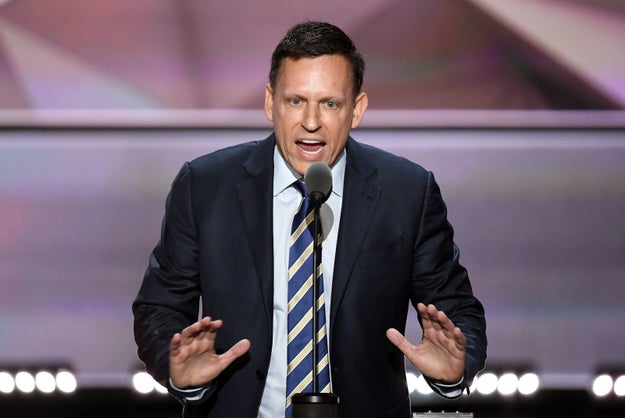
Billionaire Peter Thiel published a passionate op-ed in the New York Times today, mere hours before the deadline for bids to purchase Gawker, the media company that Thiel helped to bankrupt in response to a blog post that publicly exposed his sexual orientation. In the editorial, Thiel positions himself as a defender of online privacy against the media&;s “lurid interest in gay life” and a champion of “[p]rotecting individual dignity.”

“All people deserve respect, and nobody’s sexuality should be made a public fixation,” Thiel writes.

Thiel recently baffled some of his Silicon Valley compatriots by speaking at the Republican National Convention in support of Donald Trump&039;s presidential bid. During his RNC speech, Thiel made a historic milestone by saying he was “proud to be gay” from the event dais. (Thiel followed that up by dismissing as a “distraction” calls from transgender activists for bathrooms that match gender identity.) Today&039;s op-ed is similarly savvy. It&039;s perfectly calibrated to infuriate all the people Thiel wants to infuriate, i.e., defenders of free speech and the press, while causing the vast majority of the public to nod their heads in agreement.

However, in his defense of online privacy, Thiel understates his role in spending $10 million to support an invasion of privacy lawsuit filed against Gawker by Hulk Hogan. He also radically downplays his influence in matters of online privacy as a billionaire board member of two companies with vast data-mining operations: Facebook and CIA-backed Palantir.

Thiel&039;s framing of his newfound crusade is canny. He mentions a widely reviled article in the Daily Beast last week:

Unfortunately, lurid interest in gay life isn’t a thing of the past. Last week, The Daily Beast published an article that effectively outed gay Olympic athletes, treating their sexuality as a curiosity for the sake of internet clicks. The article endangered the lives of gay men from less tolerant countries, and a public outcry led to its swift retraction. While the article never should have been published, the editors’ prompt response shows how journalistic norms can improve, if the public demands it.

He also attempts to draw a link between Hogan&039;s lawsuit against Gawker and ongoing efforts to combat revenge porn. Thiel does this by claiming that a bipartisan proposal called the Intimate Privacy Protection Act is nicknamed “the Gawker bill,” although the phrase is not commonly used. “It&039;s the Intimate Privacy Protection Act or IPPA,” a spokesperson for Rep. Jackie Speier, one of the bill&039;s sponsors, told BuzzFeed News. “I have no idea where &039;the Gawker Bill&039; name comes from, but it&039;s incorrect.”

Hogan won a $140 million legal judgment against Gawker. Both the media company and its founder, Nick Denton, filed for bankruptcy as a result. In the op-ed, timed hours before the final bids to buy the once-independent media company, Thiel expressed pride in bankrolling Hogan&039;s battle:

For my part, I am proud to have contributed financial support to [Hogan&039;s] case. I will support him until his final victory — Gawker said it intends to appeal — and I would gladly support someone else in the same position.

This is an about-face for Thiel. Hogan initially sued Gawker back in 2012. Despite rumors, Thiel did not admit to financing the lawsuit until May 2016 hours after Forbes broke the news that the billionaire was financing a secretive campaign to bring down Gawker.

What&039;s more, Thiel still has not disclosed which other lawsuits against Gawker he&039;s financially backing. Charles Harder, the lawyer representing Hogan, also represents other plaintiffs suing Gawker or current and former employees. Those clandestine actions are not exactly the behavior of a crusader for people&039;s rights.

Thiel also omitted the fact that he is paying for lawsuits against individual journalists, not just Gawker. Former Gawker editor A.J. Daulerio is a defendant in the Hogan case. In a signed affidavit last week, Daulerio included a screenshot of a bank statement that showed only $1,500 in his checking account. “I have been having trouble finding my own lawyer to advise me because I do not have enough money to pay for one,” he wrote.

Despite the fact that Thiel&039;s actions were personally motivated and his revenge privately orchestrated, he invokes “public outcry” and “public demands” against the invasion of online privacy throughout. The billionaire even goes as far as saying, “It&039;s not for me to draw the line”:

A free press is vital for public debate. Since sensitive information can sometimes be publicly relevant, exercising judgment is always part of the journalist’s profession. It’s not for me to draw the line, but journalists should condemn those who willfully cross it. The press is too important to let its role be undermined by those who would search for clicks at the cost of the profession’s reputation.

In a memo to his staff after filing for personal bankruptcy, Denton wrote: “Peter Thiel’s legal campaign has targeted individual writers like Sam Biddle, editors such as John Cook, and me as publisher. It is a personal vendetta. And yes, it’s a disturbing to live in a world in which a billionaire can bully journalists because he didn’t like the coverage.”

Thanks to Thiel&039;s masterful spin, however, the more lasting memory will probably be champion of privacy, just as he hoped.

Ziff Davis filed the opening bid in the Gawker auction in June for $90 million. Final bids are due today.

Hamza Shaban contributed reporting to this post.

Disclosure: The author of this post was formerly employed by Gawker Media.

Quelle: <a href="Peter Thiel Tries To Pivot His Personal Brand To Privacy Hero“>BuzzFeed

Announcing HTTP/2 support for all customers with Azure CDN from Akamai

We are pleased to announce HTTP/2 is now available for all customers with Azure CDN from Akamai. This feature is on by default, all existing and new Akamai standard profiles (enabling from Azure portal) can benefit from it with no additional cost.

HTTP/2 is designed to improve webpage loading speed and optimize user experience. All major web browsers already support HTTP/2 today. Though this protocol is designed to work with HTTP and HTTPS, most of the browsers only support HTTP/2 over TLS.

Key HTTP/2 benefits include:

Multiplexing and concurrency: Allow multiple requests sent on the same TCP connection
Header compression: Reduce header size for faster transfer time
Stream prioritization and dependencies: Prioritize resources to transfer important data first 
Server push (not supported currently): Allow server to "push" responses proactively into client caches

Next steps

We&;ll work on HTTP2 support for Azure CDN from Verizon in the next few months.

Read also

Azure CDN HTTP/2 doc
HTTP/2 spec
HTTP/2 FAQ

Is there a feature you&039;d like to see in Azure CDN? Give us feedback.
Quelle: Azure

Werner Herzog on Harambe And Why He Loves Cat Videos

Werner Herzog on Harambe And Why He Loves Cat Videos

Werner Herzog

Courtesy of Magnolia Pictures

“When you are really down, you better switch on your laptop or smartphone and watch 60 seconds of crazy cat videos.”

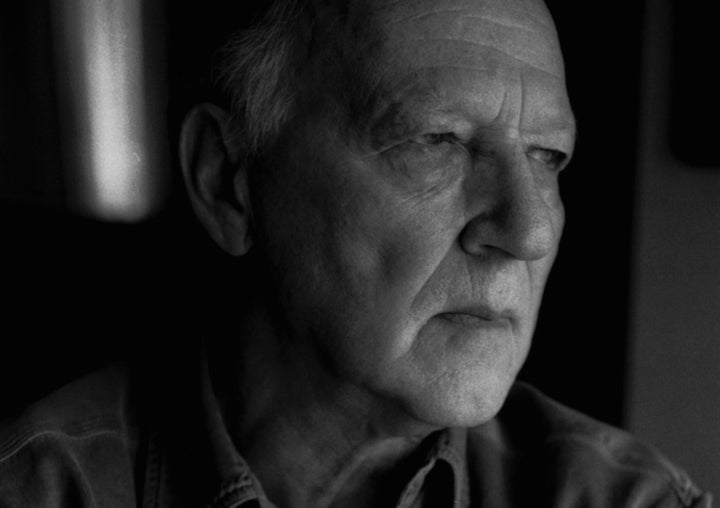
Legendary director Werner Herzog loves cat videos. “It&;s purely something that goes viral on the internet, and there&039;s nothing wrong about it,” he told BuzzFeed’s Internet Explorer podcast in an interview. “When you are really down, you better switch on your laptop or smartphone and watch 60 seconds of crazy cat videos. It just lifts your spirits. Nothing wrong about it.”

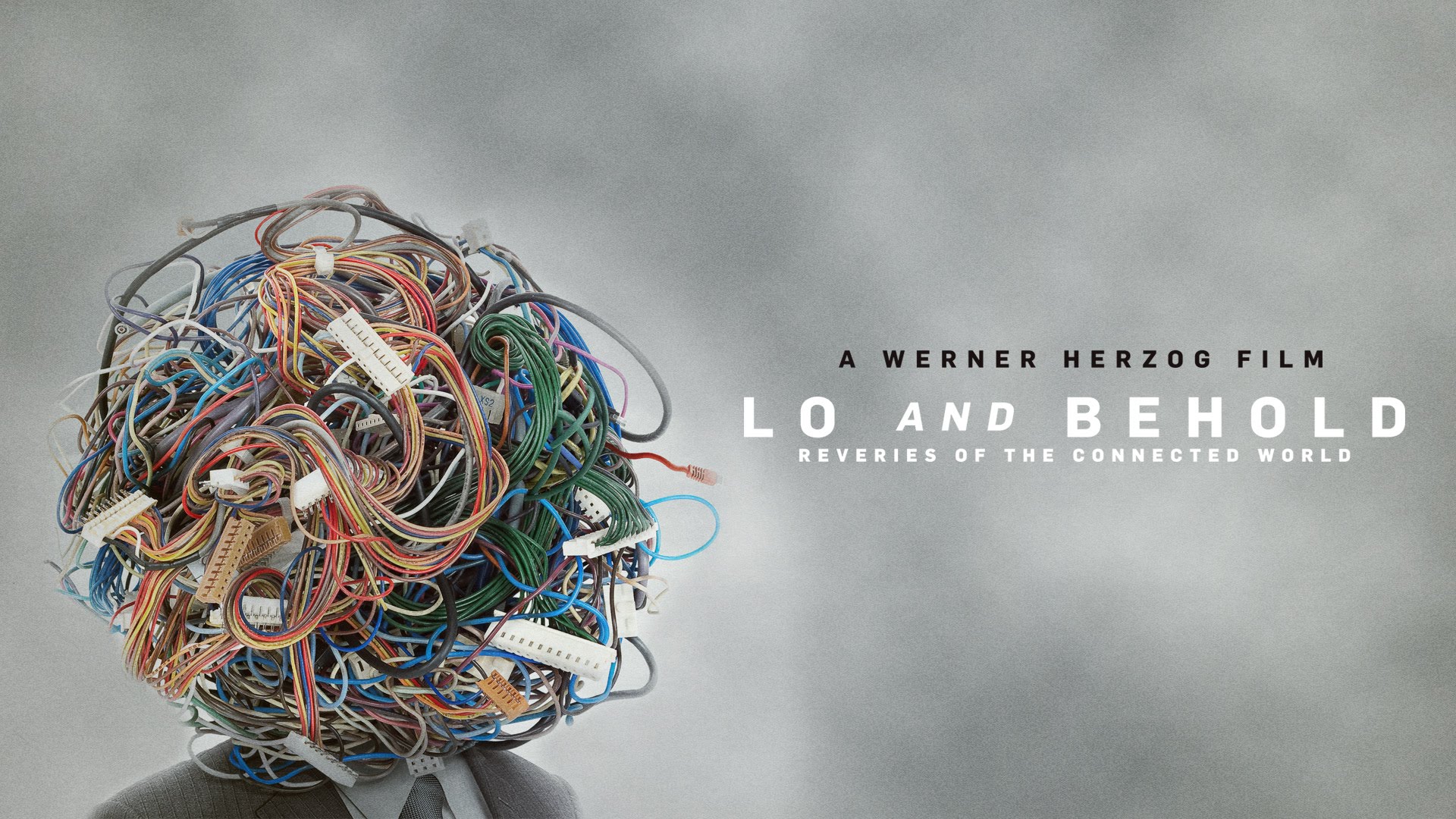
It&039;s something Herzog — director of classic films like Aguirre, the Wrath of God, and documentaries like Grizzly Man — has been thinking about, thanks to his new documentary about the internet and technology called Lo and Behold: Reveries of the Connected World, which will be released on Aug. 19. The film is a series of interviews with pioneers of the early internet, theorists, scientists, weirdos, hackers, robotics engineers, and space dreamers like Elon Musk.

It’s a perspective on “the internet,” both the term and technology, that&039;s different from the one that I, and I imagine most BuzzFeed readers, generally share. To digital natives like us, “the internet” is shorthand for people. When we say “the internet turned Michael Phelps’s game face into a meme” for example, we mean people did it; not a series of tubes and wires and code. It&039;s the same way political insiders mean the president and his cabinet when they refer to “the White House,” not a literal historic white building. To examine the internet as a piece technology that was created in universities in the ‘70s and is related to robots is to look at it through an architectural viewpoint, not anthropological.

“Nobody has become much happier by being on Facebook.”

But Herzog&039;s viewpoint makes sense considering he doesn’t use a cell phone (he does own one in case of emergencies) and admittedly doesn’t use the internet much. Well, he does, “but in a very limited way,” he said. “I use it to correspond with my brother who is in Vienna in Europe and we are nine hours apart. Or I send a longer text to a friend of mine and I would ask, &039;Can you send it back with corrections and ideas, write some notes about it?&039; I would use Skype for family. It doesn&039;t replace a real meeting but if some family member is in say, Berlin, it&039;s still better than no contact at all.”

And he doesn’t have much FOMO about not using social media. “Everything important has always reached me,” he said. Although, he is amused by the accounts that parody him, which he thinks are good satire. “I think nobody has become much happier by being on Facebook,” Herzog said. “I do not believe it. I think when we look at the depth of Facebook and this kind of shallow virtual friendships and collections, many of us will understand that just sitting together with friends and cooking a meal, leaving your cellphones behind and laughing and enjoying an evening has its own unparalleled value.”

“I think the internet is starting to develop its own humor.”

Herzog’s past films have a reoccurring theme of man versus nature, where the latter is a murderous and unfeeling thing, and those who naively think it’s good or try to tame it, like Fitzcarraldo or Grizzly Man’s Timothy Treadwell, end up with grave consequences. So, it seemed natural, seeing as it&039;s an intersection of his past and recent work, to ask Herzog about Harambe, the gorilla who was shot when a child fell into his cage and who has become an ironic internet meme. Is the internet so callous that we are laughing about a dead animal? Or is this our way of dealing with our tenuous relationship with our mastery over nature? “I haven&039;t seen any of this, but I do believe there are new forms of parody out there – new forms of irony, new forms of vile, anonymous interference of individuals into the internet,” Herzog said. “So there&039;s quite a few new phenomena out there, and I haven&039;t quite started all of it. I&039;m just curious what you are saying of course. I think the internet is starting to develop its own humor.”

Lo and Behold: Reveries of a Connected World trailer. The movie is released August 19th.

youtube.com

Read our review of Lo and Behold: Reveries of the Connected World

Quelle: <a href="Werner Herzog on Harambe And Why He Loves Cat Videos“>BuzzFeed

Is This An Ad? Amber Rose And The $700 Juicer

Welcome to our weekly column, “Is This An Ad?“, in which we aim to figure out what the heck is going on in the confusing world of celebrity social media endorsements. Because sometimes when celebrities are being paid to post about something, it&;s very obvious, and sometimes it&039;s not.

The Case: Juicero and Amber Rose


Last spring, when the New York Times wrote about Juicero, a $700 Keurig-for-juice-style startup, a lot people scoffed at the machine and company as a totem of Silicon Valley excess and a tech bubble ready to burst.

But Amber Rose — talk show host, Kardashian frenemy, Slut Walk organizer, model, and designer — just saw a convenient way to get delicious, healthy fresh juice…. or did she?

On Snapchat, Rose posted videos of her friends (possibly paid assistants or her stylists/makeup artists; I admit my knowledge of the greater Amber Rose entourage is lacking) trying the juice. Unfortunately, I do not have saved evidence of the Juicero on her Snapchat story, due to the nature of Snapchat, you know, disappearing. You&039;ll just have to take my word for it that this did indeed happen.

On Twitter, she posted about how she was going to buy one:

Diet tea products

The evidence:

Rose is no stranger to a paid endorsement on social media. In the last few months, she&039;s hit the Holy Trifecta of Instagram ads with a diet tea, waist trainer, and teeth whitener.

So what do we think about the Juicero? On one hand, she does say right in that tweet that she&039;s buying it herself, based on a friend&039;s recommendation. “A recommendation from a trusted friend” is probably the best way someone is going to end up buying a $700 juicer, right? (assuming the musician A-trak and Amber Rose are friends. But really, when you&039;re a celeb, what is a “friend” anyway?)

On the other hand, is Amber Rose really just chatting about juice with her pals and then tweeting about it…. for free? Come on. Muva doesn&039;t do anything for free, right?

A final theory (brought up by one of the people in her replies to the tweet): she&039;s tweeting about a juicer the day after Kanye West&039;s video for “Famous” debuted on Tidal – the video which featured a wax figure of her nude. Perhaps she&039;s just trying to change the subject.

Waist trainer

The Verdict:

Not an ad&;

We reached out to the nice people at Juicero to ask them what the deal was. They told us that indeed, Amber decided to buy one herself based on DJ A-Trak&039;s recommendation. She was not paid to talk about the machine nor did she get it for free.

She just genuinely loves really, really expensive juicers.

Quelle: <a href="Is This An Ad? Amber Rose And The 0 Juicer“>BuzzFeed