Microsoft: Ältere PCs installieren Windows 11 mit Einschränkungen
Auch wenn die CPU zu alt ist: Windows 11 kann installiert werden. Dann garantiert Microsoft aber keine Updates und warnt vor Garantieverfall. (Windows 11, Microsoft)
Quelle: Golem

Auch wenn die CPU zu alt ist: Windows 11 kann installiert werden. Dann garantiert Microsoft aber keine Updates und warnt vor Garantieverfall. (Windows 11, Microsoft)
Quelle: Golem

Ein Sicherheitsforscher hat Daten von Stalkerware ungeschützt im Netz gefunden. Das ist nicht das erste Mal. (Stalker, Virus)
Quelle: Golem

Der Odin erinnert stark an die Nintendo Switch. Das Gerät ist mit vielen Controllern kompatibel, etwa den Nintendo-64- und Gamecube-Pads. (Nintendo Switch, Games)
Quelle: Golem

Das Bug-Bounty-Programm von Apple ist vielfach kritisiert worden. Ein Forscher veröffentlicht seine Lücken deshalb nun ohne Patch. (iOS, Apple)
Quelle: Golem

Unbekannte haben das Statistische Bundesamt angegriffen. Der Bundeswahlleiter gibt für die bevorstehende Wahl Entwarnung. (BTW 2021, Server)
Quelle: Golem
Public and private clouds can breathe life into existing applications―but lift-and-shift migrations come with tradeoffs. Should your application be migrated?
Quelle: CloudForms
In this issue of Red Hat Shares, learn how to adopt DevSecOps, its stages of maturity, why your DevSecOps initiative may be falling short, and more.
Quelle: CloudForms
We are pleased to announce that Red Hat Satellite 6.9.6 is generally available as of September 22, 2021.
Quelle: CloudForms
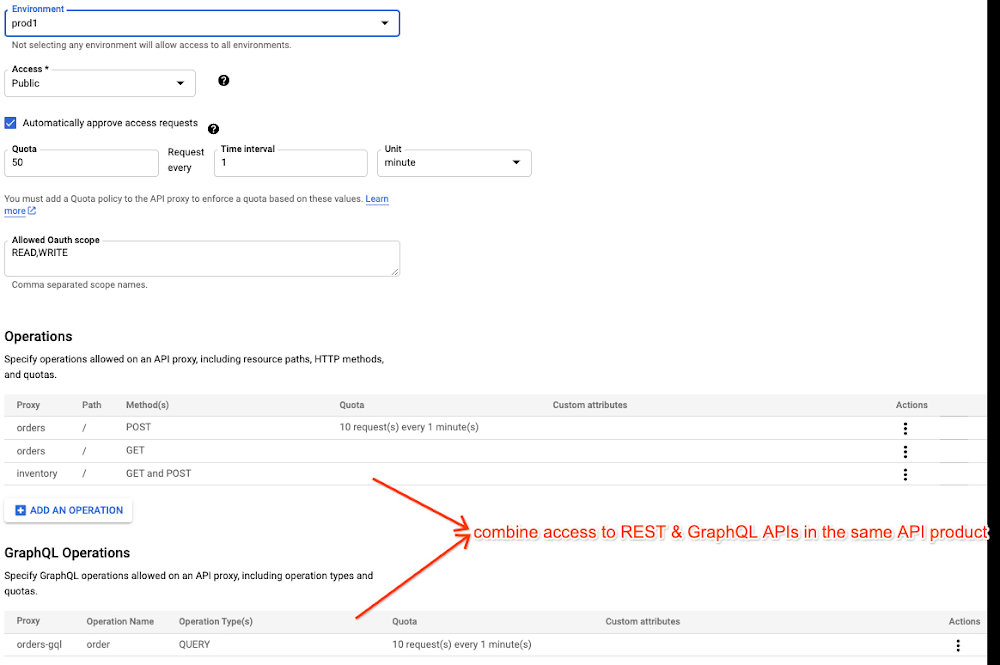
Application Programming Interfaces (APIs) are the de facto standard for building and connecting technology solutions. They facilitate software-to-software interactions that allow developers to leverage data and functionality at scale. APIs come in various styles such as REST, gRPC, GraphQL, and AsyncAPI, and each style has its own features. Picking the right API style completely depends on your use case and what you are solving for. While REST is widely used, of late, formats like GraphQL are gaining popularity among developers.GraphQL is a query language for APIs and a runtime for fulfilling those queries with your existing data. Developers are increasingly adopting GraphQL for its flexibility and ease of use. It provides a single endpoint for all data exchange, prevents over- or under-fetching of data, and lets developers make one API call that seamlessly aggregates data from multiple apps and services.Today, we are excited to announce that Google Cloud’s Apigee API management platform natively supports GraphQL APIs, allowing developers to productize and manage their lifecycle in Apigee. Before we learn more about these capabilities, let’s take a closer look at GraphQL.REST and GraphQL API styles differ across many dimensionsREST and GraphQL API styles differ across many dimensions:Endpoints- REST provides multiple endpoints and a URL taxonomy that’s used as a logical resource manager. In GraphQL, there’s one endpoint that captures all fields for a given operation.Interactions – REST commonly uses HTTP verbs and JSON/XML to exchange data. GraphQL mostly uses the HTTP POST verb, and uses a custom query language called Schema Definition Language for request with standard JSON returned in response.Documentation- While REST uses OpenAPI specs and portals, GraphQL most frequently employs schema-generated documentation. Developers frequently use browser-based development environments such as GraphQL playground in order to interact with schema-based endpoints.Discovery- To discover and interact with REST APIs, developers usually use the portal provided by the management vendor, whereas GraphQL APIs tend to be offered with a built-in portal that enables users to explore new queries on the fly.Therefore, instead of picking one style over another, consider using them together in your API program, to solve for the use cases they’re best suited for. Why GraphQL APIs need to be managed Regardless of their design styles, APIs provide access to your enterprise’s most valuable data and functionality. They’re how developers leverage your data for new partnerships and digital services. This means enterprises must control and understand how and by whom APIs are used. Moreover, beyond access management, enterprises need to design and deploy APIs that give developers a first-class experience and help them to be productive. Consequently, APIs should not be viewed as snippets of code but rather as digital products that need full lifecycle management.Packaging GraphQL APIs as products allows you to overcome some limitations of this style such as:Limited authorization capabilities especially for schema browsingNo standard for throttling or quotasNo unified analytics for consumptionLack of version controlAs you scale the adoption of GraphQL APIs for solving business critical problems, it becomes extremely important to manage those APIs as products. This is where there’s a huge opportunity to extend the proven best practices of REST API management to GraphQL.Using Apigee for GraphQL APIsApigee is a market-leading full lifecycle API management platform trusted by thousands of enterprises across the globe. With the new native support, Apigee now allows you to productize and manage full lifecycle of GraphQL APIs for consumption, just like REST.Developers can use the GraphQL policy to:Impose restrictions on the payload by setting a maximum on the number of fragments allowed.Associate GraphQL with API products.Leverage the OAuth2, VerifyAPIKey, and Quota policy features, just as in REST.Validate and authenticate requests at the schema level.Getting StartedVisit the documentation and get step-by-step instructions on how to get started. If you are not familiar with Apigee, click here to sign up for a free trial. Related ArticleDesigning and managing APIs: Best practices & common pitfallsThe job of an API is to make the application developer as successful as possible. When crafting APIs, the primary design principle should…Read Article
Quelle: Google Cloud Platform