Whole Foods Is A Luddite Among Retailers. Can Amazon Fix It?

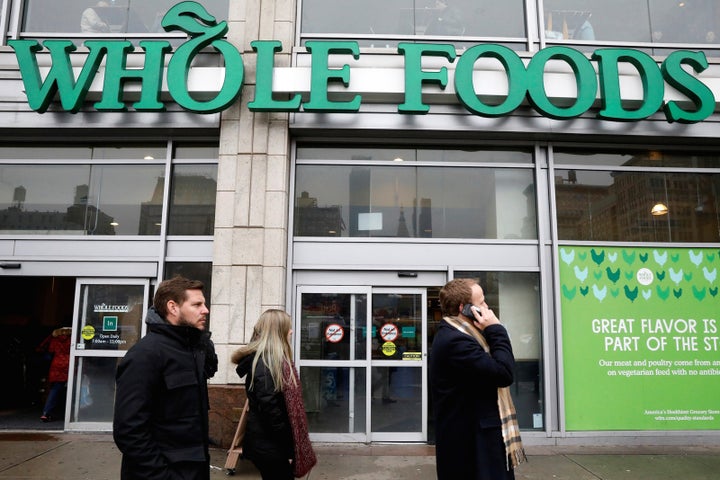
Spencer Platt / Getty Images

Being a “buyer” for Whole Foods — the people who traverse the country finding products to sell on its store shelves — can earn you a certain kind of celebrity status in the food industry.

Getting your product on the shelves at Whole Foods can be a ticket to riches, and when people hawking their all-natural snacks find out a Whole Foods buyer is in the room, the result can look like Kim Kardashian being swarmed by the grocery paparazzi. “You're just a human being, and you need to be able to breathe,” recalls Tim Sperry, a 15-year veteran of Whole Foods who now is a natural food consultant.

But while buyers like Sperry curated Whole Foods' dazzling selection of natural, organic and gourmet foods, the company's technology infrastructure was been far less impressive — a flaw rooted in its history as a highly decentralized business. Whole Foods had 12 different IT systems running across its stores in 2015, when it finally began consolidating them into one, reported pymnts.com. It only unified its point-of-sale system in 2016.

The decentralized management was designed to help stores focus on offering locally grown and made products, a popular selling point for customers. But it reduced the company's ability to crunch the numbers on its overall supply chain, inventory, pricing and sales — all major opportunities for grocery companies trying to master the big data game.

The regional focus also limited its ability to launch a rewards program, a robust mobile app, and other online services that were taking off in other segments of retail.

“IT at Whole Foods has always been weak,” Sperry said. “In the early days, we loved the decentralization…. But when you’re a $15 billion company, you really need to be operating on one platform.”

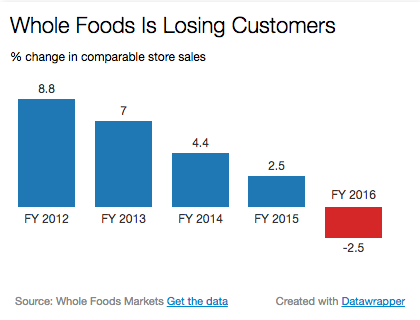
Those struggles, Sperry says, contributed to the overall troubles at Whole Foods in recent years, with the chain losing customers and its stock price slumping. But now, Amazon's $13.7 billion takeover could quickly turn things around.

“This deal puts them lightyears ahead,” said Errol Schweizer, a former Whole Foods executive and industry advisor. “Amazon picks up Whole Foods' experience in perishables, and Whole Foods gets Amazon's data, platform and pricing tools.”

While details are not yet clear, merging with Amazon potentially opens up a vast online customer base for Whole Foods, helping it leapfrog grocery competitors that have also been looking at online sales. Amazon has 80 million US subscribers to its Prime delivery program, and an estimated 42% of all US consumers bought something from Amazon last year according to the NPD Group,

In addition to e-commerce, Amazon is also testing new ways to make brick-and-mortar shopping faster and easier. It runs a checkout-free, grab-and-go store in Seattle, using technology that could eventually be rolled out at Whole Foods stores, which often have long lines.

Justin Sullivan / Getty Images

Whole Foods was trying other ways to keep up with the times — it was one of the first retailers to launch Apple Pay and it partnered with grocery delivery service Instacart in 2014 — but its fragmented tech infrastructure meant it remained fundamentally splintered as competitors from Wal-Mart and Costco to Kroger were rapidly expanding their own natural food offerings.

It also showed a complacency about the threat posed by its biggest competitors. In 2015, as Amazon and Walmart were moving aggressively toward online grocery delivery, its CEO told Bloomberg that he was not worried about the competition, and that online grocery delivery would be “Amazon's Waterloo.”

By 2016, sales at existing Whole Foods stores turned negative. The company declined to comment for this story.

BuzzFeed News

Food manufacturers that now sell to Whole Foods see the deal as an opportunity to reach new consumers, and hopefully shake off the grocer's “whole paycheck” reputation. “Amazon has a brand of offering the best prices to consumers,” said Nona Lim, who makes a line of soups and bone broths that retail for about $5. “Whole Foods is priced competitively, but consumers may not know that because of the impression they have about their pricing. Maybe this can change their perception.”

“Fresh foods are the final frontier for Amazon. And figuring out how to get it to your front door is the ultimate in convenience for consumers. In order for Amazon to get the volume growth they are looking for, fresh foods has to be part of the equation,” David Portalatin, NPD Group's vice president of industry analysis, Food, in an emailed statement. “This deal gives them credibility with consumers and a major foothold in that space.”

Amazon Is Buying Whole Foods, And The Grocery Industry Is In Big Trouble

Amazon's And Whole Foods' Competitors Are Tanking

Quelle: <a href="Whole Foods Is A Luddite Among Retailers. Can Amazon Fix It?“>BuzzFeed

Violence On Facebook Live Is Worse Than You Thought

Zachary Ares / BuzzFeed News

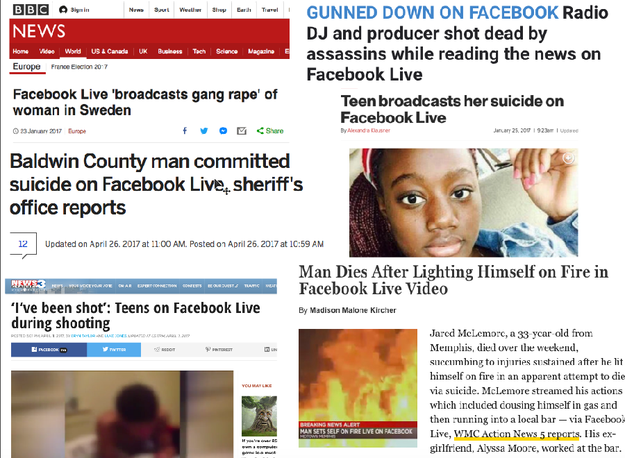
Facebook Live has a violence problem, one far more troubling than national headlines make clear. At least 45 instances of violence — shootings, rapes, murders, child abuse, torture, suicides, and attempted suicides — have been broadcast via Live since its debut in December 2015, a new BuzzFeed News analysis found. That's an average rate of about two instances per month.

When it launched, Facebook CEO Mark Zuckerberg touted Live as “a great medium for sharing raw and visceral content.” But from its inception and over thee many months that followed that became darkly true — to terrible effect. Videos of shootings, murders, suicides, and rapes began to show up on Facebook with alarming regularity.

A few weeks after the service debuted, a woman named Donesha Gantt used it to go live in Florida after three men shot her five times outside a Florida Burger King. A few months later, a man went live inside a Bangkok apartment, spending 19 minutes preparing to hang himself from a ceiling fan, and another dozen dead and suspended from the fixture before the broadcast ended. In April 2017, three shootings were broadcast via Facebook Live in the span of two days. Earlier this year, two men in Slovenia viciously beat another man for 20 minutes on Facebook Live. Their victim later died from his injuries.

In its short existence, Facebook Live has aired video of three murders and two gang rapes broadcast by their perpetrators.

Facebook declined to tell BuzzFeed News the number of violent acts that have been broadcast to Live. The company also declined comment on the issue of violence aired on the service, instead pointing to a statement Mark Zuckerberg made in May announcing Facebook's intention to hire 3,000 additional community operations people to help it better respond to violent content.

Some criminologists worry that broadcasts of violent crimes to Facebook Live might lead perpetrators of violent crime to view the platform as a means of gaining infamy, bypassing the traditional filter of the media. “The most likely impact is that it’s going to be a model of how to distribute and immortalize your act,” Ray Surette, a criminal justice professor at the University of Central Florida, told BuzzFeed News.

Jacqueline Helfgott, chair of the Criminal Justice Department at Seattle University, agreed. “It’s making it easier for people to gain notoriety instantly without gatekeepers,” she told BuzzFeed News. “I definitely think there’s a mimetic effect.”

In addition, the longer these videos stay online, the more of a problem they become, said Surette, as criminals may see them as an effective way to publicize their misdeeds. “It does make a difference how long it’s up there,” he explained. “The fewer people that are exposed to it, the fewer people are going to see it as a model.”

Facebook — prior to announcing plans to hire an additional 3,000 people to identify problems — has at times been shockingly slow to remove violent videos. In late April, for example, a Facebook Live video of a father in Thailand murdering his 11-month-old daughter was available on Facebook for nearly 24 hours.

“A great medium for sharing raw and visceral content.”

For every murder aired on Facebook that receives national or international attention — such as the one in Thailand or a murder in Chicago in which the perpetrator uploaded a video of himself killing a man at random — there are several others that don’t make headlines outside local coverage areas. The shooting of Donesha Gantt, for instance, did not make national news. Yet these videos don’t need to be picked up by CNN to have an impact. Millions watch inside Facebook itself.

A Tough Job

Even with 7,500 community operations staffers charged with reviewing content, it’s unlikely Facebook will be able to completely eliminate video of violent acts from being broadcast to its platform. Zuckerberg himself appears to understand violence is a fact of life on Facebook now. In his post announcing the new hires, the Facebook CEO promised quicker takedowns and collaboration with law enforcement — but not complete prevention.

As long as Facebook maintains a truly live product, it probably can’t prevent violence from airing in its feeds. Indeed, the violent videos already broadcast to Facebook Live make clear the exceedingly difficult challenge the company faces in managing them. Many start out calmly enough only to abruptly erupt into gunfire or violence.

In Chicago this February, a pregnant woman was livestreaming herself singing along with a car radio when a hail of bullets suddenly poured into her car. A few seconds of gunfire left a man and a 2-year-old toddler dead inside the car; the woman survived. “They killed him,” she said on the live broadcast. “I have a bullet in my stomach.”

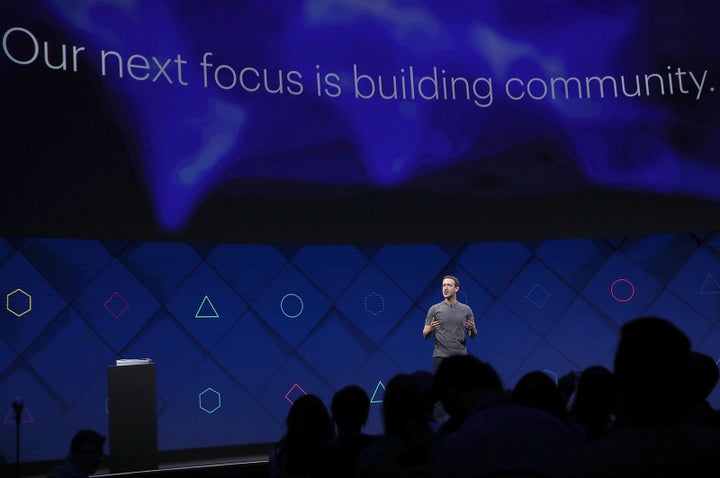
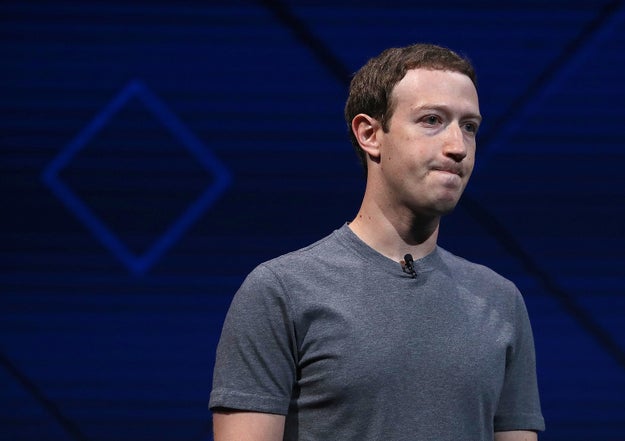
Facebook CEO Mark Zuckerberg delivers the keynote address at Facebook's F8 Developer Conference on April 18 at McEnery Convention Center in San Jose, California.

Justin Sullivan / Getty Images

One especially complex area for Facebook is suicide. The social network believes it can help prevent suicide by using user reports and artificial intelligence to identify people who express thoughts of self-harm on its platform and connect them with support and crisis resources. But in service of this goal, Facebook risks airing live suicides while it works to get help to people in need.

The additional 3,000 community operations workers may speed up intervention efforts in situations where even a few minutes can make a difference. In early May, Facebook alerted local authorities to a Georgia teenager attempting suicide on Facebook Live. It turned out that her friends, who had also seen the broadcast, had already notified police. While authorities found the girl before Facebook itself acted, she was prevented from harming herself only because Facebook enabled her friends to learn what was happening and intervene. The company hopes that a fast call from Facebook could be a lifesaver in similar situations. “I appreciate that [Facebook] did give us a call,” Linda Howard of Georgia’s Bibb County Sheriff's Office told BuzzFeed News.

Late Response

In a news report covering the aftermath of the first shooting aired on Facebook Live in January 2016, a veteran local CBS reporter Hank Tester was befuddled by the incident's broadcast to Facebook. “This is an absolutely bizarre story,” he said. “I’ve quite never seen anything like it.” Maybe not. But in fact, it was a sign of much more to come. Other video broadcasts of violence followed and it would be a year before the company stepped up its enforcement efforts to address them. By the time Facebook announced additional measures, Stevie Stevens had become the “Facebook Live killer,” and a group in Chicago had tortured a man live for 30 minutes.

Zuckerberg said his company will hire the additional community operations people over the next year, so presumably the team is not yet at full strength. That said, BuzzFeed News found three incidents of violence broadcast to Live in May, down from nine in April — perhaps the result of additional attention from this growing team.

These are encouraging signs. But with each passing month it becomes more clear that Facebook may never be able to solve the problem of violence on Live, any more than violence itself can be solved. In May, a Tennessee man burned himself alive and broadcast the act via Live. He died a few days later.

Quelle: <a href="Violence On Facebook Live Is Worse Than You Thought“>BuzzFeed

Amazon Is Buying Whole Foods For $13.7 Billion

Brendan Mcdermid / Reuters

Amazon announced Friday it was buying Whole Foods Market, paying $42 a share to acquire the the high-end grocer in an all-cash deal worth about $13.7 billion.

“Whole Foods Market has been satisfying, delighting and nourishing customers for nearly four decades – they’re doing an amazing job and we want that to continue,” said Jeff Bezos, Amazon founder and CEO, in a statement.

The supermarket will continue to operate stores under the Whole Foods brand, the company's headquarters will stay in Austin, and John Mackey will remain as CEO.

“This partnership presents an opportunity to maximize value for Whole Foods Market’s shareholders, while at the same time extending our mission and bringing the highest quality, experience, convenience and innovation to our customers,” Mackey said.

The deal is subject to approval by Whole Foods shareholders and regulators but the companies expect to finalize the acquisition by the end of 2017.

Founded in 1978, Whole Foods has ballooned into an organic supermarket behemoth, with more than 460 stores in the US, Canada, and the UK, and $16 billion in sales last year.

Shares in Whole Foods' competitors and other retail giants — including Kroger's, Target, and Wal-Mart — all dropped after Friday's announcement, while Amazon's stock price rose.

This is a developing news story. Check back for updates or follow BuzzFeed News on Twitter.

Quelle: <a href="Amazon Is Buying Whole Foods For .7 Billion“>BuzzFeed

Alex Jones Scoops Megyn Kelly And Proves The Media Isn't Ready For The Trolls

Alex Jones Scoops Megyn Kelly And Proves The Media Isn't Ready For The Trolls

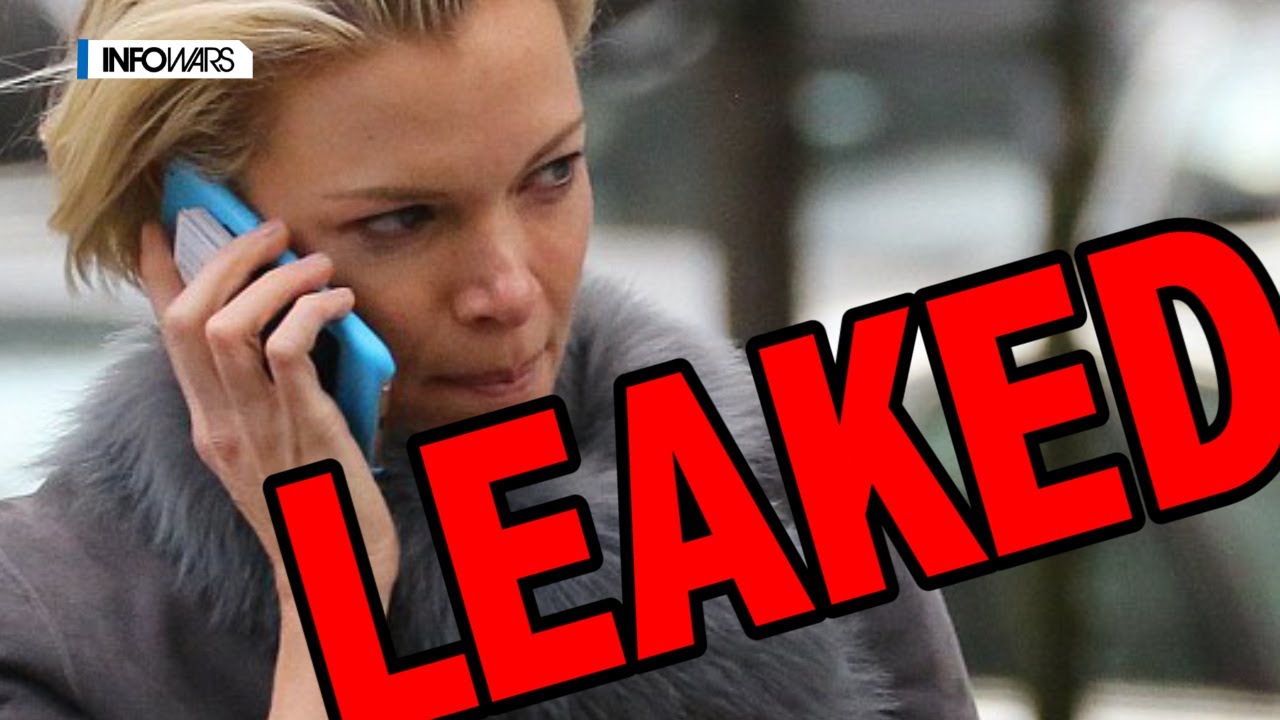
Thursday evening, Alex Jones dropped a bomb on Twitter. After a week of roiling controversy surrounding the conspiracy theorist’s upcoming interview with Megyn Kelly, Jones announced a plan to take the interview into his own hands and scoop NBC. He’d been secretly recording Kelly’s day-long interview and was going to release the tapes in full on his own website three days before the primetime airing.

“I've never done this…in 22 years I've never recorded another journalist but I knew this was a lie,” Jones said in the teaser, which featured the voice of a woman that sounded like Megyn Kelly assuring Jones he’d be getting a fair interview.

“The next time I want to get somebody, they're going to say, ‘look what you did to Alex Jones,” the voice purporting to be Kelly said. “It's not going to be some gotcha hit piece, I promise you that.”

The trailer ricocheted around the internet. There were questions of the legality of Jones’ maneuver and endless tweets that NBC was getting what it deserved for inviting Jones on its program. The selective quote from Kelly seemed to tease a two-sided version of Kelly: friendly and assuring off-camera and tenacious and confrontational on camera. For Kelly and NBC it was yet-another crisis in what has been an extraordinarily long week. And for Jones’ fans and the pro-Trump media — who reveled in the moment on Twitter — it was a dream scenario: a well-executed, embarrassing troll.

The media got owned yet again, underscoring what’s becoming a universal truth of the Trump era: the old media is not prepared for the new trolls.

At 3:00 A.M. Friday, Infowars delivered on part of its promise and published a 30-minute video to YouTube containing roughly 10 minutes of Kelly’s pre-interview where she’s attempting to get Jones to agree to the interview. In the tape, Kelly repeatedly reassures Jones she intends to be fair. “You'll be fine with it,” she can be heard saying. “I’m not looking to portray you as a bogeyman…the craziest thing of all would be if some of the people who have this insane version of you in your heads walk away saying, ‘you know I see the dad in him. I see the guy who loves those kids and is more complex than I’ve been led to believe.”
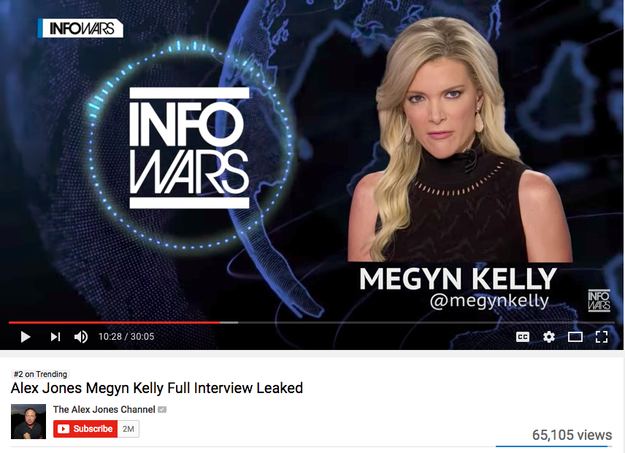
The negotiation and expectation setting — mostly standard practice between and journalist and interviewee she is planning to sandbag — appears all the more devastating in light of the week’s controversy surrounding the interview, in which Kelly was excoriated for giving Jones a national primetime platform for his views. Most notably, Kelly and NBC faced deep criticism from parents of children who were murdered in the Sandy Hook massacre — a tragedy that Jones has suggested multiple times could be a hoax.

Jones alleges that now that his Sandy Hook views have been taken out of context by the media, which he argues in the leaked tape with Kelly. When Jones asks if Kelly will push him on Sandy Hook, Kelly appears to downplay her desire to ask hardball questions of Jones, suggesting instead that the interview will be his chance to air his views.

“I can ask you about that,” Kelly said of Sandy Hook. “This is not going to be a contentious gotcha exchange. I want to do in- depth profiles on people. I could ask you [about Sandy Hook] and say, this is what the critics say but this isn't gonna be an’ a-ha! Let's play a clip.” Kelly goes on to reassure Jones “It doesn't do me any good if I do that to you and you go out there and say, ‘she did a hit piece on me’…and next time I try to get somebody they'll say, ‘look what you did to Alex Jones, screw you.’”

The 30-minute clip — which contains the usual diatribes from Jones about media fairness, three minutes of ads for Infowars and its array of nutraceutical supplements, and a well-edited series of montages featuring clips of mainstream media bashing both Kelly and Jones for the interview — is masterfully constructed with the purpose of embarrassing Kelly and NBC News.

After a week in which Kelly and her producers have repeatedly assured viewers and the press that the interview will hold Jones to account, the leaked audio — from weeks before the interview suggests a soft-focus piece designed to humanize Jones. In the audio, Kelly tells Jones she took interest of him during his two-week long custody trial, which she did not attend in person.

“I think you had a very good point about the way the media was covering it and treated you and your family as fair game and they never would’ve done that if you were a mainstream media figure,” she said. “I saw a whole different side of you…[it] just reminded me you're just like anybody. You're a dad and you go through the things we all go through.”

At one point, Kelly even seems to suggest Jones will be able to review the footage of the interview. “I will promise you to personally look at any clips we want to use of you and have a producer run by you whether we are taking it in context,” she tells Jones.

Setting aside issues of legality and privacy — it’s unclear if Jones broke any laws recording the call with Kelly as Texas is a one-party consent state for recording audio — the surreptitious recordings come at an awful time for Kelly and NBC. As Page Six reported Thursday evening, NBC has re-edited the Jones interview following this week’s backlash to make it tougher on Jones and to include the perspective of the families of children killed in Sandy Hook. It’s a decision that, in light of the leaked tapes, will play directly into Jones and Infowars’ narrative that the interview was unfairly negotiated and edited in order to smear Jones.

NBC, for its part is saying little and sticking by its piece. Though Kelly did not respond to a request for comment, an NBC News spokesperson suggested to BuzzFeed News it would continue to air the interview.

“Despite Alex Jones' efforts to distract from and ultimately prevent the airing of our report, we remain committed to giving viewers context and insight into a controversial and polarizing figure, how he relates to the president of the United States and influences others, and to getting this serious story right. Tune in Sunday.” NBC did not comment as to whether it would take any legal action against Jones.

This was, of course, all part of the plan. Jones has been in control of Kelly’s interview and delighting his audience every step of the way. He broke the news of the interview on his show in late May; he was the first to post teaser photos of Kelly in the Infowars studio online; he got out in front of the interview last week with a misogynistic tirade about how he wasn’t attracted to Kelly and called her and the interview “fake news.”

And since Kelly aired her trailer last Sunday night (perhaps the only bit of agency she or NBC News have had in this circus), Jones has orchestrated a half dozen mini news cycles and outrages, suggesting the trailer was deceptively edited and for Kelly and NBC to scrap the interview altogether on the premise that the unfairly edited portions about Jones’ views on Sandy Hook would be upsetting to the family members.

Meanwhile, with only slight defense from NBC, Kelly — who has few friends among NBC’s base, who remember her as the embodiment of Fox News's absurd and racist obsession with a tiny black nationalist group — has watched as her journalistic integrity has been called into question. The week has been a nightmare for Kelly who’s barely three weeks into her on-camera role at NBC. In just five days since airing the Jones trailer, Kelly has cost NBC a prominent sponsor (JP Morgan) and watched as advocacy groups scolded her for re-igniting trauma for families of slain children, which culminated in a Sandy Hook charity disinviting Kelly from an event.

But Kelly and NBC might have seen this coming, had they done their homework. In the leaked audio Kelly admits she’s not completely caught up with Jones’ work. “You're going to be far better versed in this stuff than I will be,” she told him. But the leaked audio maneuver is vintage Alex Jones: a disingenuous trick designed to seize control of the narrative and turn himself into a victim. It’s a move pulled by Jones on countless occasions, even in his own custody battle, when, the day after a jury ruled in favor of his ex-wife, Jones organized a press conference on the courthouse steps that began with him airing grievances about the media and his ex and quickly devolved into tirades about human-animal hybrids and unfair lawsuits from a yogurt company.

An uncanny ability to hijack the news is a trait that Jones shares with the pro-Trump media that he helped create. And while the pro-Trump media have a number of unfair advantages — including-but-not-limited to playing fast and loose with the facts — the reason is largely that the movement understands the internet far better than its mainstream counterpart. Jones, who turned to the internet in the late 90’s when he was briefly booted from terrestrial radio for his more salacious views has made a career of getting around traditional media. And with the introduction of the social web and Twitter, YouTube, and Facebook, Jones quickly found a way to weaponize the platforms and constantly connect with his followers.

“We can respond to hit pieces before they air. The media hasn’t adapted to it yet.”

More importantly, Jones — and the pro-Trump media as a whole — have learned how to program the mainstream news by inciting outrage online that is then discussed and covered by mainstream media. Everything — from rumors of Hillary Clinton having Parkinson's to Pizzagate to the conspiracy surrounding murdered DNC staffer Seth Rich — started in the fever swamps of the pro-Trump media and were then amplified by larger platforms like Infowars until the chatter grew loud enough that the mainstream media dove in itself.

“We can respond to hit pieces before they air. The media hasn’t adapted to it yet,” Mike Cernovich, a pro-Trump media personality told BuzzFeed News. In March, Cernovich was interviewed on 60 Minutes during which he tripped up Scott Pelly on a question about fake news. “We record our interviews, we have our own platforms, we can get ahead of the narrative. Old media is used to saying whatever they want about people. What can a regular person do? You wait for the segment to air and try replying. With us, we respond before the hit piece airs, millions watch it, and we surf the viral wave the hit piece creates.”

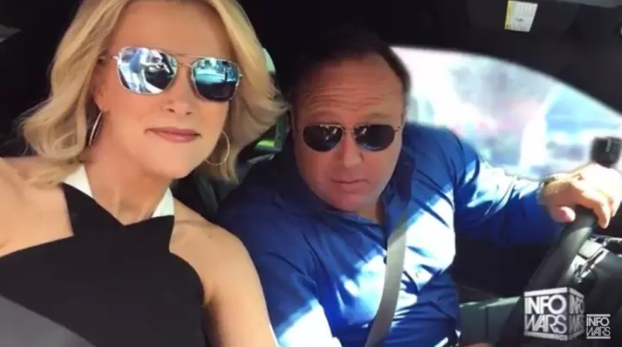
Had Kelly and NBC understood this — that Jones and the pro-Trump media are capable of quickly constructing and relentlessly promoting compelling, spurious narratives — it’s possible that they would have done things differently. For example, they might not have put weeks in between recording the interview and its airdate, which allowed Jones to set the tone for the piece and stoke outrage. NBC and Kelly could have decided to forego the strange ritual of posing for pictures with Jones, the image of which has spread across the internet to suggest that Kelly had cozied up to Jones, rather than interrogated him. And when Jones did indeed attack Kelly’s credibility and accuse NBC of “fake news” they could have taken to the internet to defend the piece and perhaps even air its toughest clips earlier. When Jones suggested NBC should pull the tape, Kelly could have taken to Twitter — where she has 2.36 million followers — to excoriate Jones or suggest that Jones was being cowardly because she’d successfully exposed his “revolting” views.

But Kelly and NBC were ill-equipped to deal with the pro-Trump media apparatus. Instead, they adhered to the traditional rules of a big television interview that assume good faith relationship between interviewer and interviewee. Jones, however, has made a career out of subverting traditional media and acting in bad faith to the delight of his audience.

Jones now alleges he has a full eight hours of tape, which, one source tells BuzzFeed News he plans to roll out slowly over the days leading up to the interview, meaning he will own the news cycle until NBC either airs or pulls the interview. With three days to go, Kelly has lost repeatedly, despite only airing just over a minute of the day-long tape. Perhaps the only card she had left to play — the exclusivity of the tape itself — now appears to be in the hands of her enemy and soon, the internet at large.

Jones, meanwhile, appears triumphant. Last night an Infowars employee posted a photo to Twitter of Jones sitting around a big table at a restaurant, surrounded by his wife, his father, and a number of employees. “Celebrating the impending pre-release of the @megynkelly @realalexjones interview,” it read, appended with the hashtag “#NBCFakeNews.”

In the video released early Friday morning, Jones continues his victory lap. “In the past the corporate media and the mainstream media could lie and they could spin. It was up to them — they were the gods of information,” Jones says, suggesting that the era of gatekeeping is now over. In this instance, he’s right.

Quelle: <a href="Alex Jones Scoops Megyn Kelly And Proves The Media Isn't Ready For The Trolls“>BuzzFeed
Here’s A Near Comprehensive List Of All The Violence Aired On Facebook Live

Madelene Wikskaer / BuzzFeed News

Since its debut in December 2015, Facebook Live has been used to broadcast acts of violence — murders, gang rapes, assaults, tortures, shooting aftermaths, child abuse, suicides and suicide attempts. In May 2017, Facebook CEO Mark Zuckerberg said his company would do more to respond to violence aired on its platform, starting with the addition of 3,000 community operations people to the 4,500 person team currently working to review reports of violent content and other content issues.

While some of these Facebook Live broadcasts make national and international headlines, many others do not. BuzzFeed News asked Facebook for a comprehensive list of violent incidents broadcast via Live, but the company declined to provide one. So we scoured news reports to compile a list of our own, beginning with the service's debut in December 2015. We then showed the list to Facebook, which said four of the videos did not air on Live. We removed them to arrive at a final number: To date, at least 45 violent incidents have been aired on Facebook Live.

Should more incidents occur in the future, we will update this list.

Schenectady Shooting by Cops Streamed Live

Suspect Dead, Officer Injured in Shootout Broadcast on Facebook Live

Man Dies After Lighting Himself on Fire in Facebook Live Video

Two Teen Girls Face Murder Charges for Beating Student to Death on Facebook Live: Report

Georgia Girl OK After Suicide Attempt on Facebook, Authorities Say

Baldwin County Man Committed Suicide on Facebook Live, Sheriff's Office Reports

Man Streams Himself Murdering Baby Daughter on Facebook Live, Then Kills Himself

Deadly Easter Shooting in Pahokee Caught on 'Facebook Live' Video; Neighbors Call for Unity, Answers (off camera)

Sonepat Man Live-Streams Suicide on Facebook

‘I’ve Been Shot’: Teens on Facebook Live During Shooting

Police Connect Facebook Live Video to Brentwood Drive Shooting (off camera)

Gunman Live Streams on Facebook as He Shoots at Passing Cars and Cops in Los Angeles Before Being Arrested by a SWAT Team (no one hurt)

Two Shot in Austin: 'The World Needs to See It'

Suspected Gang Rape of Chicago Teen Streamed on Facebook Live

US Man Broadcasts His Own Death on Facebook Live After Police Shoot Him During Traffic Stop

2 Arrested in Deadly Dallas Drug Shooting Reportedly Shown on Facebook Live

Fayetteville Man's Dying Moments Streamed on Facebook, Victim's Family Seek Answers

Radio DJ and Producer Shot Dead by Assassins While Reading the News on Facebook Live (off camera)

Two Slovenian Men Are Arrested After Victim Dies Following Sickening 20-minute Beating That Was Streamed on Facebook Live

Chicago Violence: Toddler’s Killing Is Captured on Facebook Live as City’s Pain Plays on a Loop

Aspiring Actor Kills Self on Facebook Live After Arrest

Teen Broadcasts Her Suicide on Facebook Live

Facebook Live 'Broadcasts Gang Rape' of Woman in Sweden

In La Rochelle, in Charente-Maritime, a Young Woman Tried to End Her Days Live on Facebook (French)

Mom Seen in Facebook Live Video With 2-Year-Old Son Taped to the Wall Is Arrested

Clark County Teen Live Streams Suicide Attempt

Chicago Torture: Facebook Live Video Leads to 4 Arrests

Family Responds After 'Thousands' Watch Woman Die on Facebook Live in Front of Her Son

Hong Kong Model Live Streams Suicide Attempt on Facebook

Facebook Live Suicide Attempt: Girl Was Fed Up of Being Beaten by Neighbours

Fatal Memphis Club Shooting Caught Live on Facebook (off camera)

RAW VIDEO: Facebook Live Records 19 Gunshots as Mass Shooting Unfolds at Shawnee Park (audio only)

Akron Teen Records Himself Shooting at Neighbor's Home on Facebook Live (off camera, no one hurt)

Shooting on St Stephen’s Road Captured on Facebook Live Video (off camera)

Social Media Horror: Horrific Moment Heartbroken Young Man Shoots Himself Live on Facebook After Break Up

Deadly Police Shooting in Phoenix Broadcast Live on TV, Online

Bangkok Man Hangs Himself via Facebook Live

Thousands Watched St. Paul Teen's Apparent Suicide Attempt on Facebook Live

Moment Gunman Shoots Three People in Virginia Streamed Live on Facebook by Victim

Aftermath of Fatal Falcon Heights Officer-Involved Shooting Captured on Video

Man Streams Attack on Dallas Police on Facebook Live

Man Inadvertently Broadcasts His Own Killing on Facebook Live

Man Live Streams His Own Shooting on Facebook Live

Gainesville Teen Was Holding Fake Gun When Shot, Killed

Victim Posts Live Facebook Video After Being Shot

Quelle: <a href="Here’s A Near Comprehensive List Of All The Violence Aired On Facebook Live“>BuzzFeed

Facebook Is Fighting Terrorism With Artificial Intelligence, But Criticism Persists

Facebook CEO Mark Zuckerberg speaks at Facebook's F8 Developer Conference on April 18, 2017 in San Jose, California.

Justin Sullivan / Getty Images

On Thursday Facebook responded to criticism from European leaders who, prompted by a recent series of terrorist attacks, have been demanding that social media companies do more to fight terrorists who organize on their networks. In a lengthy blog post, Facebook offered some new information about how it combats terrorist activity online, but it didn’t specify many details.

The company said it’s using artificial intelligence to preemptively block images and videos containing terrorist content from appearing on its service, and it’s working on systems that will help it take cohesive action against terrorists operating across its family of apps, including Instagram and Whatsapp. Facebook also employs 4,500 human community operations people, who review reports of terrorist activity on the platform, and take action. It’s planning to hire another 3,000 this year. But how exactly Facebook’s anti-terrorism systems operate remains a mystery.

“Our stance is simple: There’s no place on Facebook for terrorism,” the company said. “We remove terrorists and posts that support terrorism whenever we become aware of them.”

The forceful response was clearly meant to ward off criticism from politicians such as British prime minister Theresa May and French president Emmanuel Macron, who met earlier this week to discuss “a joint campaign to ensure that the internet cannot be used as a safe space for terrorists and criminals.”

Facebook has said it’s already doing what May wants — she’s demanded internet companies “deprive the extremists of their safe spaces online” — so it’s unclear if Thursday’s response will satisfy her. May has opposed freely available end-to-end encryption in the past, which makes communication essentially inaccessible to third parties and is a key feature of the Facebook-owned WhatsApp. Encryption is also available in Facebook Messenger. In its post, Facebook gave no indication it was reconsidering its use of encryption.

Facebook did not immediately respond to a BuzzFeed News request asking for more detail on its anti-terrorist systems.

The details Facebook offered on its approach to fighting terrorism — executed by a combination of AI, humans, and partnerships with tech companies, governments and NGOs — provided a window into the magnitude of the problem it faces. Terrorists banned from Facebook regularly reappear by creating fake accounts, the post said. They update their tactics to evade detection, which makes the fighting them fairly difficult. “This work is never finished because it is adversarial, and the terrorists are continuously evolving their methods too,” the post said. “We’re constantly identifying new ways that terrorist actors try to circumvent our systems — and we update our tactics accordingly.”

Those fake accounts are coming down faster than before, Facebook said. But the company wasn’t ready to declare victory yet. Not even close. “We’ve been cautious, in part because we don’t want to suggest there is any easy technical fix. It is an enormous challenge to keep people safe on a platform used by nearly 2 billion every month, posting and commenting in more than 80 languages in every corner of the globe,” Facebook said. “There is much more for us to do.”

Quelle: <a href="Facebook Is Fighting Terrorism With Artificial Intelligence, But Criticism Persists“>BuzzFeed

We Got Our Hands On A Draft Of Milo Yiannopoulos's Book. It's Awful.

BuzzFeed News

There’s a certain kind of book you really see only at the airport. You know what it looks like: glossy, with an airbrushed famous person on the cover and a catchy title. You know what it reads like: frothy, full of anecdotes and one-liners, meant to be finished in one or two sittings. It’s supposed to capture the moment and capture your attention in equal measure.

In December, news broke that Simon & Schuster had paid the anti–political correctness crusader and conservative troll Milo Yiannopoulos $250,000 to write such a book. Despite a lot of bad press, you can see why the publisher thought it was a good idea. Airport books are often written by pundits, and Yiannopoulos, a good-looking guy with a sharp tongue, is among the most charismatic and popular of the new breed of pro-Trump micro-celebrities who have grown up on the internet.

You can imagine the pitch: Dangerous as the first great airport book of the Trump era.

Promotional material touts it as “the most controversial book of the decade.”

Recently, BuzzFeed News obtained a draft of Dangerous that Yiannopoulos turned in to Simon & Schuster in early January 2017. It's a version that the author strongly distanced himself from in a conversation with BuzzFeed News, calling it a “sketch” that has “been substantially rewritten since then.”

The author's agent, Thomas Flannery Jr., told a slightly different story. Asked by BuzzFeed News how close the January draft is to Dangerous as it currently reads, he said “For the most part the content is the same. The file you have — that's basically before a line edit has been done. Simon & Schuster never did a line edit.”

Regardless, if the version of Dangerous that comes out on July 4th is anything like the draft, it will be a terrible book, not good by any measure (Well, except one: the fact that it is currently the #5 most sold nonfiction book on Amazon this week.) And in the two most important duties of its kind as an airport book — to reflect the zeitgeist and to entertain the reader — the draft is a staggering failure.

To begin with, there is little news in the Dangerous draft, unless you believe the specifics of Yiannopoulos’s beauty regimen to be newsworthy. (“Because soap can be drying, I apply body butter or Kiehl’s moisturising cream to my arms, chest and back. I use La Mer hand lotion,” he writes in a strange homage to American Psycho, the most famous book by his “literary hero,” Bret Easton Ellis.)

More damningly for a draft by a catty ex-journalist with a million grudges, it contains literally no gossip. There’s hardly even anything juicy about the author himself. Fans hoping to gain deeper insight into Yiannopoulos’s background will be disappointed, if the book has not undergone fundamental changes prior to its official release. The 81,000-word draft contains almost no information about the author’s upbringing, education, personal life, or career before his reinvention as an icon of the new online right. Yiannopoulos talks a lot in the draft about the sex he’d like to have, but barely at all about the sex he’s actually had.

Likewise, the draft does not offer a behind-the-scenes look at Breitbart, the far-right media outlet that Yiannopoulos worked for until resigning amid controversy. (Yiannopoulos does, however, specially thank former Breitbart head and current White House Chief Strategist Steve Bannon in the acknowledgements.) Nor does it reveal anything much about the grassroots, internet-savvy, youthful, pro-Trump movement that emerged in 2015 and that is largely responsible for Yiannopoulos’s popularity.

Indeed, the draft seems to feature only two characters, beyond a procession of nameless shrieking liberals: Yiannopoulos himself and his assistant, Allum Bokhari, whom the author describes as “a fiendishly clever, witty, and handsome young writer, who, incidentally, probably wrote that last sentence.” An analysis with iThenticate, an anti-plagiarism tool, revealed that the draft contains dozens of instances of self-plagiarism, with sentences and even paragraphs lifted directly from Yiannopoulos’s stories on Breitbart. (By Yiannopoulos’s own admission, parts of his Breitbart stories were written by interns.)

Yiannopoulos would not address portions of the draft that appear to be taken from his Breitbart columns. “If I choose to publish a book of my Breitbart columns in the future,” he said, “I will publish a book of Breitbart columns. Dangerous is a completely original, almost 70,000 word book.” Yiannopoulos declined to share a current version of the Dangerous draft with BuzzFeed.

Absent narrative, what happens mostly in the 200-odd pages of the January Dangerous draft will surprise no one who is even passingly familiar with Yiannopoulos’s shtick through his Breitbart columns and television appearances: half-winking invective spewed at the forces of identity politics and “cultural Marxism,” peppered with the author’s trademark self-regard. Yiannopoulos compares himself in the draft to Nietzsche, De Tocqueville, and Azrael, the biblical angel of death.

The book draft is organized by sections named for groups of people Yiannopoulos claims hate him. They include “Why Other Gay People Hate Me,” “Why Feminists Hate Me,” “Why Muslims Hate Me,” “Why Black Lives Matter Hates Me,” “Why Ugly People Hate Me,” “Why the Media Hates Me,” “Why Twitter Hates Me,” and “Why Establishment Republicans Hate Me.” (An Instagram of a more recent draft shows that Yiannopoulos has removed the “Ugly People” section.) Each of these sections features enough arch name-calling to astonish a sorority and will shock precisely no one who has been on the internet in the past three years.

The draft features a set of arguments that are set on repeat, like a player piano: Women are dumber than men, black people and Muslims are more violent than whites, fat people have no willpower, Milo has a better sense of humor than the gay establishment, and so on. Why any troll, racist, sexist, or teenager would pay for the version of Dangerous this draft presents when it exists on 4chan in endless supply is a mystery. At least the hatred there is more interesting. Why any business traveler would pay for it given the smorgasbord of entertainment options that characterize air travel in 2017 is also a mystery. A lot of things about this draft are a mystery.

Simon & Schuster dropped Dangerous in late February, following the emergence of video in which Yiannopoulos appeared to condone pedophilia. (It’s now set to be published on July 4 under Yiannopoulos’s own imprint.) A few lines from the Dangerous draft stick out as particularly troublesome in the context of the pedophilia flap. In a joking sentence about his career as a journalist, Yiannopoulos describes his “not resisting” a Catholic priest's “advances” as a “mistake.” (In a press conference resigning from Breitbart, Yiannopoulos said that he was a victim of pedophilia.) And in a section about Black Lives Matter, the author jokes, “I’ve lost count of the number of black youths I’ve lifted out of poverty. Admittedly, I send them back the next day in an UbeLux.” Let me be clear: Noxious as they are, these are the two least boring passages in the draft.

Yiannopoulos would not comment on whether specific lines from the draft will make it into the final book. “That manuscript has absolutely no relation to what we are printing on July 4,” he said. “I'm not interested in answering questions about a book that doesn't exist.”

To the extent that the Dangerous draft features actual stories and anecdotes, they are mostly gleeful recapitulations of online outrage cycles — from GamerGate to Ghostbusters — that have long since settled into the cultural dustbin. As Yiannopoulos freely and repeatedly admits in the draft, his is a reactionary culture that depends on angering people vis-à-vis the controversy of the day; in this sense, the fact that most of the trolling recounted here takes place prior to the author’s ban from Twitter is telling.

Ousted from Twitter last July for inciting a campaign of abuse against black actress Leslie Jones, Yiannopoulos turned to that other reliably overheated public square: the US college campus. The final section of the draft, “Why My College Tour Is So Awesome,” recounts his Dangerous Faggot Tour and details the various headaches he has caused for university administrators around the country. Again, though, the section is so light on actual specifics that it could have been cobbled together from local news clips; for all his gifts as an instigator and all his proclamations of his own debauchery, Yiannopoulos doesn’t seem to have any instincts as a storyteller.

And just as Yiannopoulos can’t manage to hold our attention, he struggles to make a case in the draft for himself as being particularly relevant in 2017.

Yes, he’s eager to have us see him as a product of the excesses of identity politics and left speech codes in media, politics, and academia. “Do you think anyone would put up with me if it wasn’t for the left?” he writes at one point. “I’m unbearable!” But while US universities may be perennially susceptible to right-wing trolling, speech codes in the first five months of the Trump administration seem to be chilling liberals as much as anyone. It’s hard, in this sense, not to read the Dangerous draft as a relic of 2015 and 2016.

Indeed, a copy of Yiannopoulos’s contract with Simon & Schuster obtained by BuzzFeed News shows that the author and the publisher reached terms on December 13 that required him to turn in a draft on Dec. 31. That suggests that a lot of the Dangerous draft had very likely already been written. For a writer who depends on the outrage du jour for oxygen, that’s an awfully long lead time.

The Dangerous draft dwells on the way that Donald Trump was well-positioned to take advantage of Americans’ anger over speech policing — exceedingly well-trod territory. The real problem with the United States, Yiannopoulos argues — and the thing that made him and President Trump possible — is not liberal politics, but all of the rhetorical and performative grievance that liberal politics has enabled. “Indeed the ‘we just want the same treatment’ brand of feminism is unarguable,” he writes in the draft; it’s just all the ugly man-hating that isn’t. But what the draft doesn’t consider — possibly due to its submission date or because Yiannopoulos doesn't care — is that Trump could use Americans’ anger over speech policing to help catapult himself to the presidency, and then immediately begin taking actions to harm the “we just want the same treatment” brand of feminism.

Indeed, the basic argument of this draft of Dangerous — that you should be able to say offensive and outrageous stuff and not have to apologize for it — no longer seems very dangerous at all, at least for the person making it. In fact, that argument seems to have already prevailed, and is playing out today at the highest levels of US politics. This draft reads like an artifact weeks before the official publication of Dangerous, because it doesn’t give a thought to what the powerful people who say offensive and dangerous stuff do when they win. The president told the Russians about classified intelligence because he felt like it and he didn’t face any consequences! Who cares if some English carpetbagger says mean things on the internet? The United States has bigger things to worry about than Milo Yiannopoulos now. ●

Quelle: <a href="We Got Our Hands On A Draft Of Milo Yiannopoulos's Book. It's Awful.“>BuzzFeed

Uber Rape Survivor Sues The Company For Circulating Her Medical Records

The Indian woman who was raped by her Uber driver in India in 2014, and who had an out of court settlement in the United States District Court in the Northern District of California in 2015, is suing the company again.

The charges, this time, allege an intrusion into private affairs, public disclosure of private facts, and defamation. The suit follows a report published by Recode last week that revealed that a top Uber executive, Eric Alexander, obtained and circulated the woman's medical records internally, and, along with Uber CEO Travis Kalanick and former SVP Emil Michael, tried to paint the incident as a conspiracy by Uber’s Indian rival, Ola.

“Rape denial is just another form of the toxic gender discrimination that is endemic at Uber and ingrained in its culture,” said Douglas Wigdor, the New York-based attorney who is representing the woman in a statement. “It is shocking that Travis Kalanick could publicly say that Uber would do everything to support our client and her family in her recovery when he and other executives were reviewing illegally obtained medical records and engaging in offensive and spurious conspiracy theories about the brutal rape she so tragically suffered.”

Responding to a request for comment from BuzzFeed News, an Uber spokesperson said: “No one should have to go through a horrific experience like this, and we’re truly sorry that she’s had to relive it over the last few weeks.”

Quelle: <a href="Uber Rape Survivor Sues The Company For Circulating Her Medical Records“>BuzzFeed
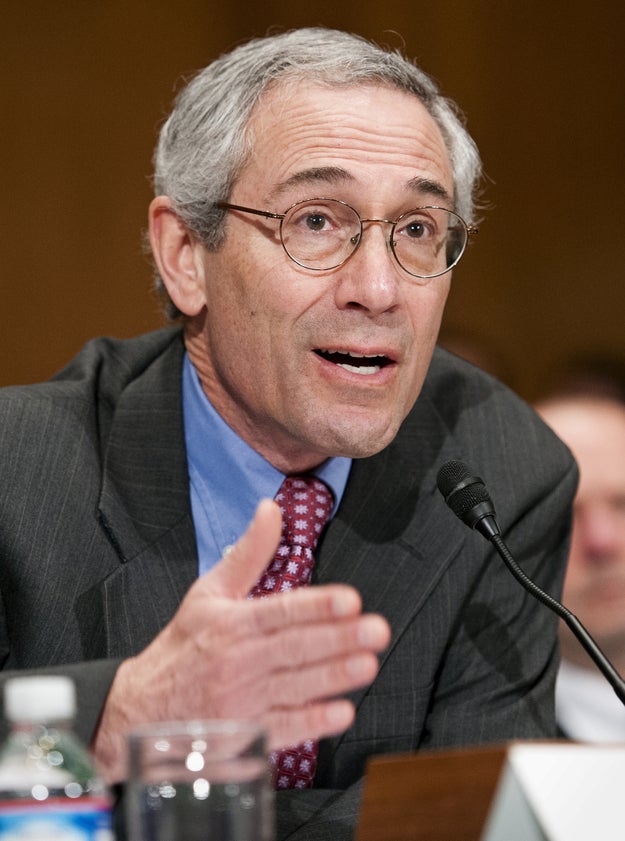
Thomas Insel’s New Mental Health Startup Is Competing With His Old Company, Verily

Ivannikulin / Getty Images

When star neuroscientist Thomas Insel left Verily, Alphabet’s life sciences division, last month, he joined a tiny startup called Mindstrong Health. Its mission overlaps with the project he’d led at Verily: Use the world’s smartphones to diagnose, track, and treat mental health disorders.

But while Mindstrong has just 14 employees, compared to Verily’s 500 employees and its hundreds of millions in funding, the startup’s executives say they aren’t worried about their competition. Over the last two-and-a-half years, they say, they’ve already quietly completed a handful of clinical trials that show promise in their patented technology. Last week, they teamed up with a pharmaceutical company that’s developing treatments for neurobehavioral disorders. And on Thursday, they announced that they’ve raised $14 million.

“I’m not worried” about Google, CEO and cofounder Paul Dagum told BuzzFeed News. “It takes time collecting this data, getting people enrolled. You can’t take a 2.5-year study and make it three months. It’s gotta be 2.5 years. We feel like we’re very much ahead of the game at this point.”

Based in Palo Alto, California, Mindstrong is building an app based on the emerging concept in psychiatry of “digital phenotyping.” Currently, the onus is largely on you, the patient, to seek out a therapist or doctor and self-report your feelings and moods. But smartphones, which patients are constantly interacting with, could be a more thorough, objective source of data about the state of their minds. Could be: There’s a lot of noise in all that data, and patients would have to give the company deep access to their phones.

Mindstrong hasn’t published results from its clinical trials yet, which have tested its technology in people with age-related neurodegeneration, depression, and anxiety. Other similar startups, such as Ginger.io, have previously tried using smartphone data to infer behavioral patterns and mental health problems, only to change course (in Ginger.io’s case, to a text- and video-chat therapy model).

Thomas Insel

Cliff Owen / AP

Mindstrong, founded in 2014, had been in stealth mode until Insel joined as president and cofounder. Prior to his 16-month tenure at Verily, the psychiatrist and neuroscientist had been director of the National Institute of Mental Health since 2002.

Publicly, Insel said that he was leaving Alphabet simply because “I got this terrible itch to do a startup.” In an interview with BuzzFeed News right after his departure, he said that he was happy with the leadership there. “It’s really easy to think … I left Verily because I just couldn’t take it anymore,” he said. “That’s not true. It’s a super good place to work and the CEO there, Andy Conrad, has gotten a lot of bad press but let me tell you, that was just never ever my experience. This guy was great to work with and part of the biggest reason why it was hard for me to make a decision about leaving was him.” Insel was referring to news stories about the CEO’s reportedly impulsive and divisive management style.

Insel also told BuzzFeed News that he was satisfied with the progress his team of designers, engineers, and scientists had made. “That team is now well on its way somewhere in the middle of all this,” he said. When he left, staff members wrote in a blog post that they remained dedicated to the mission.

But privately, Insel had grown frustrated with what he saw as the politics, bureaucracy, and slow pace of Verily, according to a person familiar with his thinking. Insel had been considering leaving for several months before his departure.

“Ultimately, Tom is at a point in his life that he wants to make a dramatic impact on mental health,” said the person familiar with Insel’s thinking, who spoke on condition of anonymity.

One potential issue could have been a shortage of dedicated staff: Insel had told BuzzFeed News that his team officially had between 10 and 15 people, but a definite count was “hard to say because a lot of people were there part of the time” and had full-time positions elsewhere within the company. Other Verily employees on other teams have reportedly left due to the workplace’s lack of focus and clear priorities.

A Verily spokesperson declined to comment. When BuzzFeed News tried to reach Insel through Mindstrong, a Mindstrong spokesperson said, “People leave jobs for lots of reasons and we’re not going to dissect Dr. Insel’s reasons further. We can assure you, however, that Tom has no ill-will towards his former colleagues at Verily or the work they’re doing — in fact he wishes them well. Dr. Insel is now focused on helping Mindstrong achieve its mission of transforming the way in which care providers diagnose and treat patients suffering from neuropsychiatric disorders.”

Blackzheep / Getty Images

Mindstrong’s focus is tracking your response times on your phone, down to the millisecond — like when you scroll through your contacts. The app, running quietly in the background, notices when you’re looking for something on a list, which way you’re scrolling, when you turn back, and when you found and clicked on what you were looking for. The app also tracks how quickly you type on the keyboard. “All these things are very predictive of attention, concentration,” said Dagum, a scientist and software engineer.

“From a privacy perspective,” Dagum added, “it’s not as invasive as you would think.” He says that the app doesn’t collect the names of the people you’re calling or your web browser history or the content of your texts, because the staff thinks that information isn’t really that useful to begin with. “We don’t really need to know what it says, we just need to know how well your process information and how well you react and variability in reaction,” he said.



Mindstrong has wrapped two studies: one with 100 50- to 75-year-olds with signs of age-related neurodegeneration; and another with 50 people between 18 and 35 with depression and anxiety. Each participant went through four hours of cognitive testing with a neuropsychologist, installed the app, went away for a year, and then came back and re-tested. The goal was to see if they could use people’s behavioral patterns on their phones to create an objective diagnostic test for their respective disorders. A third study with Stanford University researchers, funded by a National Institutes of Health grant, is ongoing in 100 adults with major depression, and aims to measure their ability to control their emotions. Dagum says Mindstrong plans to eventually publish its findings.

Last week, Mindstrong announced that it’d inked a deal with BlackThorn Therapeutics to further test its technology. The biotech firm has an experimental therapy that targets a certain protein linked to neurobehavioral disorders. And it wants to use Mindstrong’s app to passively monitor participants in a clinical study. Mindstrong ultimately hopes its customers will be health care systems that want to lower their mental health care costs; soon it’ll start pilots with a few undisclosed payers and providers.

“For the first time,” Dagum said, “[the app] gives us insight, visibility, in how the brain functions and how the brain responds to day-to-day stress, to organic and non-organic disorders, to your life.”

Got a tip about biotech or health-tech? Reach out to this reporter at stephanie.lee@buzzfeed.com or securely on Signal at 415-322-8701. Other secure contact methods can be found at tips.buzzfeed.com.

Quelle: <a href="Thomas Insel’s New Mental Health Startup Is Competing With His Old Company, Verily“>BuzzFeed