New Zealand Has One Of The World's Oldest Parliaments. But Facebook Thought Their Page Was Fake

So they took it down. For nearly a week.

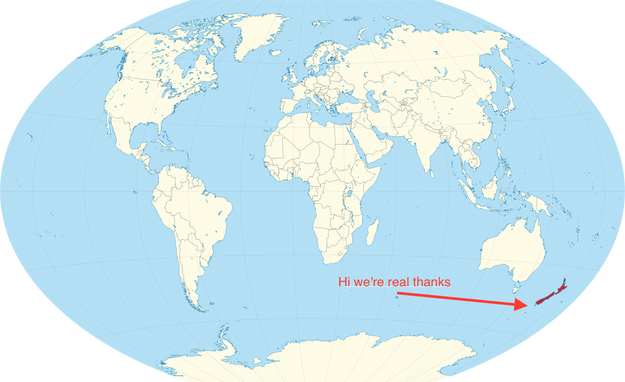
Hi, everyone. So. New Zealand is a small (but great) country.

Hi, everyone. So. New Zealand is a small (but great) country.

Wikimedia

This is its parliament. It was established in 1854 and is one of the oldest continuously functioning parliaments in the world.

This is its parliament. It was established in 1854 and is one of the oldest continuously functioning parliaments in the world.

(Sidenote: This building has not been around since the 19th century.)

David Gray / Reuters

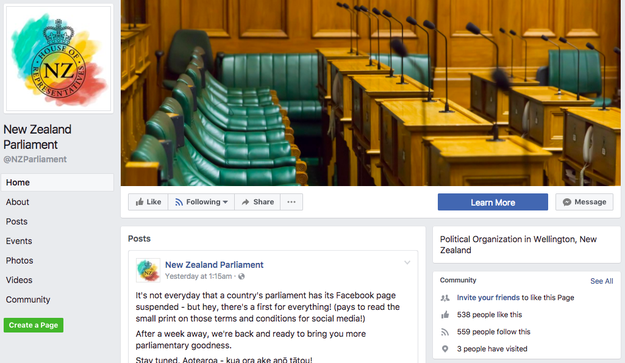
On July 20, the New Zealand Parliament’s official Facebook page was taken down entirely by the international social media network.

On July 20, the New Zealand Parliament's official Facebook page was taken down entirely by the international social media network.

BBC

The page, which has just over 500 followers, remained down all of that week.

The page, which has just over 500 followers, remained down all of that week.

Facebook


View Entire List ›

Quelle: <a href="New Zealand Has One Of The World's Oldest Parliaments. But Facebook Thought Their Page Was Fake“>BuzzFeed

Twitter Is Testing A $99 Per Month Advertising Subscription Service

Twitter

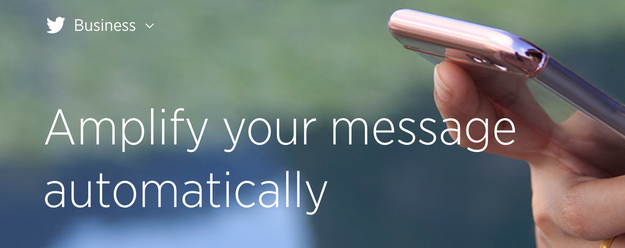
Twitter is testing an advertising subscription service that automatically promotes advertisers' tweets and profiles for $99 per month.

The service, if successful, could provide Twitter with a source of recurring revenue it can count on each month.

Twitter can certainly use the money. Even though the company beat analyst expectations for revenue and profitability in its second quarter earnings filing on Thursday, Wall Street was still not satisfied with its performance and dropped its stock 14%.

The subscription program is geared towards small- and medium-sized business, for whom the process of building out ad campaigns can be daunting. Twitter spoke directly to this audience in the copy on the program's landing page:

“We’ve developed a way for you to grow your following and have your Tweets reach more people without creating ads or managing campaigns,” it said.

A Twitter spokesperson confirmed the test in a message to BuzzFeed News Friday morning. Tweets promoted with this product will be labeled like any other promoted tweet on the platform. Twitter will provide advertisers with a “report card” each week letting them know how many followers their $99 helped them accrue, along with some other stats.

Quelle: <a href="Twitter Is Testing A Per Month Advertising Subscription Service“>BuzzFeed

This Was Another Terrible Quarter For Twitter

Ariel Davis / BuzzFeed News

If you’re a fan of Twitter and also like being depressed, take a look at yesterday’s headlines. The Twitter world seemed so much better back then, as the past often does for the struggling company. “Twitter Inc (TWTR) Stock Is Finally Worth a Bullish Bet,” Investorplace declared. “Why Twitter’s Next Earnings Report Might Not Be as Bad as You Think,’ Fortune dreamed.

The optimism was crushed this morning when Twitter turned in an earnings report revealing it hadn’t grown its user base at all in the second quarter of 2017. Twitter’s monthly active user number stands at 328 million, exactly where it was three months ago. Even worse, the company lost 2 million monthly users in the high-spending United States, dropping from 70 million to 68 million. The growth surge responsible for much of the optimism — Twitter added approximately 9 million monthly users in the first quarter of 2017 — was exposed as a blip. “Likely no more than a one-time gift,” Monness, Crespi, Hardt & Co. analyst James Cakmak advised in a note to investors.

While it’s unwise to read too much into a single quarter’s performance, this one was particularly brutal for Twitter. The company’s stock closed down more than 14% as investors’ flickers of hope that it could sustain growth from earlier this year went out. “The expectations certainly were that Q1 was the beginning of a new normal, and I think it’s clear that wasn’t the case,” Cakmak told BuzzFeed News in a phone interview. “Not only was my estimate wrong, the actual [monthly user growth] number was zero.”

Though Twitter beat Wall Street’s revenue and profitability expectations, user growth is critical because Twitter needs that growth to credibly challenge Google and Facebook, two giant internet companies that give marketers access to massive audiences, along with the ability target with precision. “It just makes for a difficult investment,” Aegis Capital managing director Victor Anthony told BuzzFeed News, after noting that Google and Facebook are going in the opposite direction, growing users and revenue.

Hours after earnings, the bad day’s magnitude became clear in a new set of headlines. Bloomberg said “Be Afraid for Twitter. Very Afraid.” Seeking Alpha scorned “Twitter: This Is Ridiculous.” And Forbes yelled “Twitter Is 'Failing' Because It's A Hellish Landscape Of IMHO Hot Takes And Trolls.”

Yes, about those trolls. Twitter is still having trouble reining them in, even it’s made user safety its top priority. Earlier this month, BuzzFeed News found 27 instances of what appears to be clear cut harassment that were dismissed by Twitter. The company itself conceded, “there is still much work to be done.”

And the issues go on. Twitter still doesn’t have a head of human resources at a time one would expect the position to be a priority, given the tech industry’s recent scandals. It’s also experiencing a talent exodus among executives critical to its revenue operation. Since February, Twitter’s lost its partnerships VP Ali Jafari, Niche head Darren Lachtman, global content partnerships VP Ross Hoffman, and global brand and creative strategy VP Joel Lunenfeld.

For those looking for reasons to stay optimistic, there are some. Twitter’s daily user count is growing. In a note, BTIG analyst Rich Greenfield said the daily user count is “the most important metric in determining Twitter's revenue potential.” And Twitter’s finally named a new CFO after trying to find one for eight months. It also hired the well-respected advertising technology veteran Bruce Falk to run revenue product.

“I’m rooting for these guys,” Aegis Capital’s Anthony said, noting that he remains optimistic about Twitter’s long term potential. But for now, Anthony’s rating on the stock speaks volumes: he’s encouraging investors to sell.

Quelle: <a href="This Was Another Terrible Quarter For Twitter“>BuzzFeed

Make A Chipotle Order And We'll Tell You Which Man To Unfollow On Twitter

July 27 is the official Unfollow A Man Day. For those who aren’t sure who to unfollow, we’ll help!

What is #UnfollowAMan? It's a special day when you take a moment to think about your Twitter feed and whom you follow. Are some of them people whose tweets really drive you nuts and make you miserable? Are some people clogging up your feed because they tweet 80 times a day? Is there someone whom you followed years ago after meeting at a party, and don't really care about, but keep following only out of politeness?

Now's the day to smash that unfollow button and make your life on Twitter a little less miserable.

Why only unfollow men? Well, you already know the answer to this, right? Twitter is only as good as those whom you follow. The mix of voices we listen to on Twitter is meaningful, and if you have a feed that has way more male voices than female, you're probably not being exposed to a good balance of ideas and thoughts. During this last election cycle, we talked a lot about our “bubbles” on social media, and how they're not always a good thing. Change it up a little and see what your Twitter experience feels like.

Isn't this sexist? First of all, no. Second of all, OK, so 2014 was a different time when straightforward misandrist jokes played a little better on Twitter (think the popularity of “ban all men” etc…). In 2017, I think we're all so overwhelmed with what feels like a much larger culture war that jokes about banning men are kinda meh.

But the goal of #UnfollowAMan Day is perhaps more important than ever: if Twitter feels like a drag, try changing up your feed — unfollow someone!

What about [long list of exceptions]? You're a grown up, you can figure this out, c'mon.

I'm a man. Can I participate? Yes!!! It's for EVERYONE!

Is this sponsored by Chipotle? Definitely not, and probably they'll be kind of annoyed to be associated with this. If you're some chud who thinks a fast casual taco joint supports reverse sexism, I don't know what to tell you other than, like, log off or whatever.

Quelle: <a href="Make A Chipotle Order And We'll Tell You Which Man To Unfollow On Twitter“>BuzzFeed

Tech CEOs Are Calling For Trump To Let Trans Service Members Stay In The Military

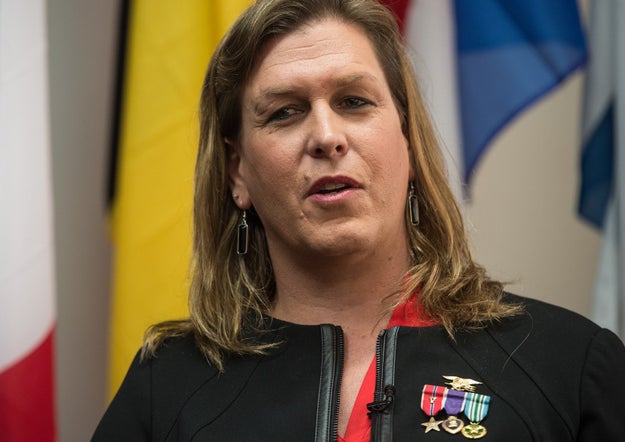
Transgender former US Navy Seal Senior Chief Kristin Beck speaks at an ACLU conference on October 20, 2014.

Nicholas Kamm / AFP / Getty Images

This morning, President Trump tweeted that transgender individuals wouldn't be allowed to serve in the US military “in any capacity.”

He made the statements ostensibly after consulting with military experts about the medical cost and “disruption” trans people would cause in the armed forces.

The statements, if turned into law, would be a reversal of the Obama administration's policies, which allowed trans members to serve, offered assistance for their transitions, and obligated soldiers to undergo diversity training on working with trans people. There is no official policy in place rejecting trans service members yet, but two trans recruits, one from West Point and the other from the Air Force Academy, were denied their commissioning into the military in May.

In response, Silicon Valley CEOs and companies have been making statements on social media that advocate for allowing trans people to keep serving in the military.

Some are using the hashtag #LetThemServe.

Google

Facebook

View Video ›

Facebook: zuck

Airbnb directed BuzzFeed News to a tweet from its head of policy:

Uber

Grindr

Instagram: @grindr

Snapchat and Intel declined to comment. Amazon, Microsoft, IBM, Adobe, Oracle, Tesla, Lyft, Palantir, Dell, and HP did not immediately respond to requests for comment or make posts on social media. We will update the story with comments as we receive them.

Some of the first CEOs to respond to Trump's tweets were those who did not attend his technology roundtable in June. The CEOs of Amazon, Apple, Microsoft, and Google's founder Eric Schmidt did attend that meeting.

The ACLU pointed out that Trump's tweets do not constitute an official change in policy.

They are, however, a dramatic change in sentiment from the previous administration.

Quelle: <a href="Tech CEOs Are Calling For Trump To Let Trans Service Members Stay In The Military“>BuzzFeed

So You Got An Amazon Echo. Now What?

If you were one of the people who nabbed a voice-activated, Alexa-powered Echo or Echo Dot when Amazon slashed their prices on Prime Day, you’re probably wondering: What the hell do I do with this thing?

Welcome to the ~future~ of computing. I reviewed the original Echo in February 2016 and have tried every kind of Echo since. After over a year of living with Alexa, here are my best tips for getting the most out of your new smart home tech. Onward!

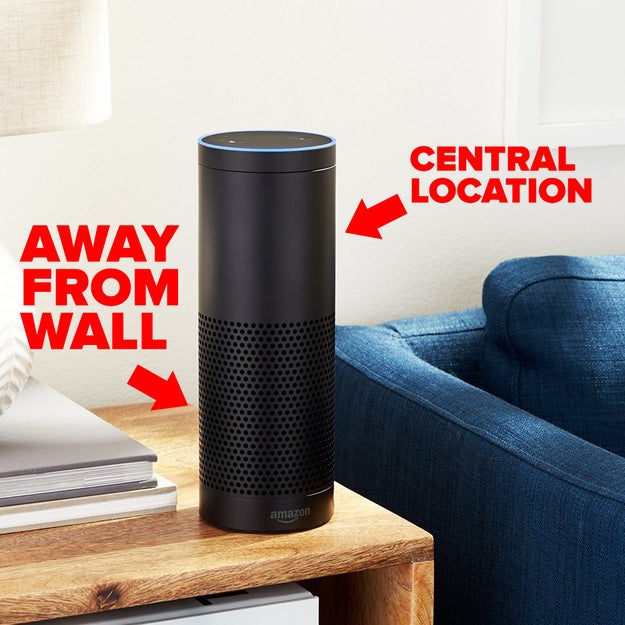
Right out of the box, think location, location, location – especially if you have an Echo Dot.
Nicole Nguyen / BuzzFeed News / Via Amazon

The Echo’s most powerful feature is being able to hear and process your requests, even if there’s background noise or you’re far away. But its ability to listen depends completely on *where* it is.

Place the device in a central location, as far from the wall as possible. Don’t hide it behind your toaster—or any other appliances or pieces of furniture. Feeling extra? Check out this Redditor’s ambitious ceiling mount or this Imgur user's Echo Dot wall plate.

If you have an Echo Dot, you’re going to need to be even more thoughtful about placement, especially if the Dot is connected to an external speaker. In my experience, it’s better to place the Dot closer to eye level (like a fireplace mantle) and away from the speaker it’s connected to, so it’s better at hearing you over loud music.

If you don’t like the look of the Echo’s black power cord, you can try painting it to match the color of your wall and mounting the cord with small clear cord clips.

OK – so you’ve set up your Echo. Here are some settings you should take a look at.
Nicole Nguyen / BuzzFeed News

Change the wake word from “Alexa” to “Echo.” It’s less syllables.

CBS Entertainment / Via startrek.com

The wake word is how you signal to your Echo that you’re asking it something. You’re going to be saying whatever word you select a LOT, so choose wisely. If you live in a household with someone named Alex or Alexa, you should definitely change the wake word from Alexa (which is the default) to “Echo.” Plus, it’s a bit easier to say.

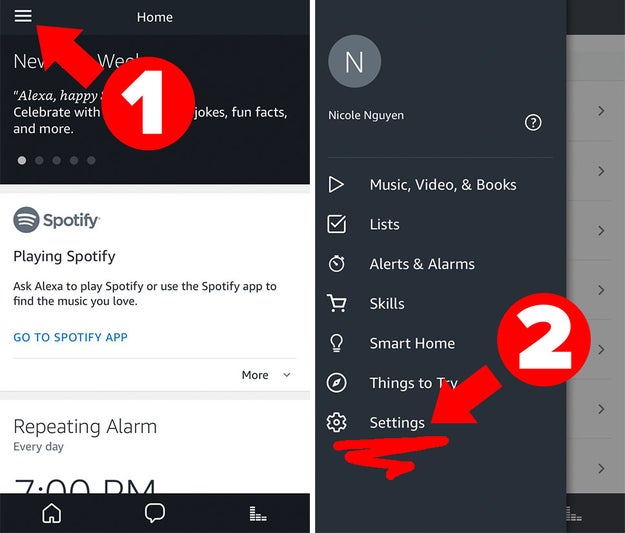
Alexa is the default wake word. To change it, open the Alexa app, go to Settings, tap on your Echo device’s name, then scroll down to Wake Word. The options are “Alexa,” “Amazon,” “Echo,” and the Star Trek-inspired “Computer.”

Training the Echo to recognize your voice will help the device hear you.

Voice training will *significantly* enhance your Alexa experience. In the Settings app, scroll down to Voice Training, and select your Echo device from the menu at the top. You’ll then say 25 phrases aloud, which takes about 10 to 15 minutes – but you can pause the training and return to it at any time.

Adjust your Echo’s volume (or prepared to be VERY startled the next time you set an alarm).
Nicole Nguyen / BuzzFeed News

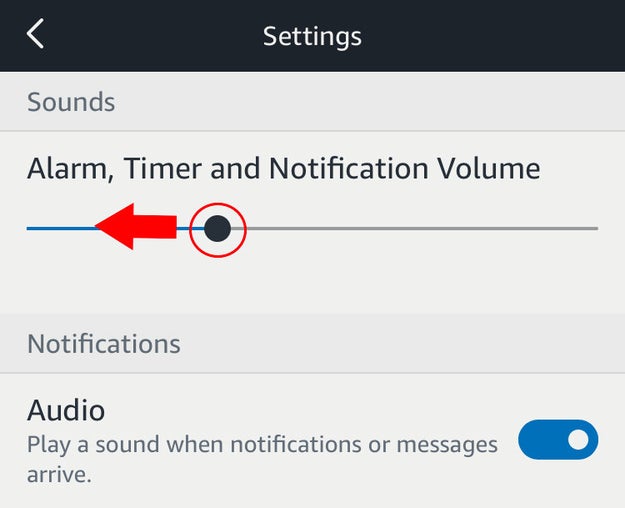
If your Echo is right next to your bed, you might want to lower its notification volume, which was unnecessarily loud when I initially set up my Echo. In Settings, tap on your Echo’s device name > under General, tap Sounds > use the top slider to adjust how loud alarms, timers, and notifications play.

Choose Spotify as your default music service.
Nicole Nguyen / BuzzFeed News

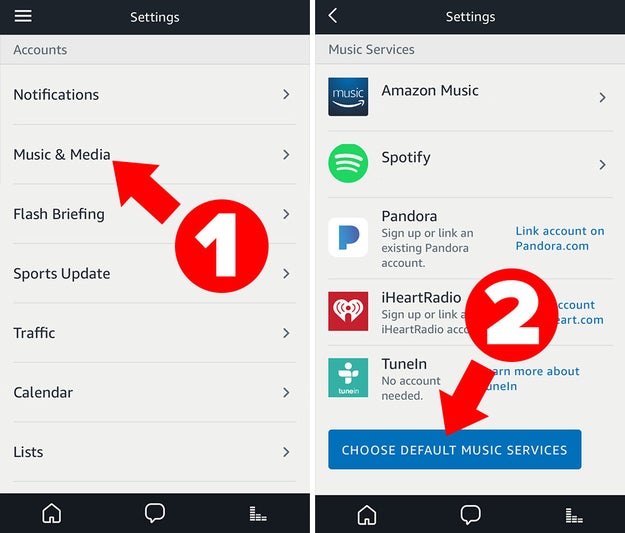
Spotify isn’t the only music service you can connect to Alexa — Amazon Music, Pandora, iHeartRadio, TuneIn, and SiriusXM are also Echo-compatible (sorry, no Apple Music) — but Spotify is certainly the most popular. Alexa’s default music service is the “free” version of Prime Music that comes with Prime, which has a smaller music library than the $8 per month Amazon Music Unlimited Plan. If Spotify is how you usually listen to tunes, you can easily make it your default player in Settings.

In the Alexa app, go to Settings > under Account > go to Music & Media > tap Choose Default Music Services at the bottom. Now you can simply say, “[Wake word], play my Discover Weekly.”

If you use Apple Music or Tidal, you can stream your music by pairing a mobile device to your Echo via Bluetooth. Scroll down to You can play your personal music collection on the Echo to learn more.

You can connect an additional Spotify account by adding another Alexa profile.
Nicole Nguyen / BuzzFeed News

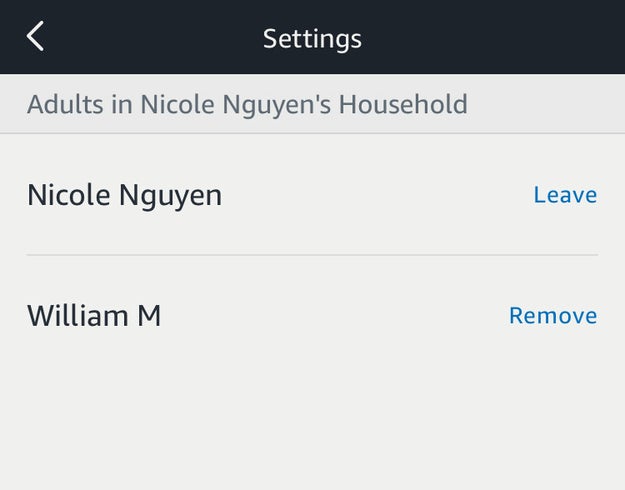
Spotify integration can get a little tricky if multiple people have access to your Echo. For example, if the Echo is only connected to one Spotify account and someone is listening to Spotify on the Echo at home, you won’t be able to listen to Spotify on your laptop at work.

Adding a user to your Amazon household fixes this problem (one household can only have two adults). Go to Settings > under Account > select Household Profile to add another adult to your Amazon Household. Say, “[Wake word], switch accounts” to access the other profile’s Discovery Weekly on Spotify or audiobooks. You can also say “Which account is this?” at anytime.

Careful: If you remove an adult from an Amazon Household, you won’t be able to join another Household or add another adult to your Household for 180 days.

The Echo can also be your new home phone.
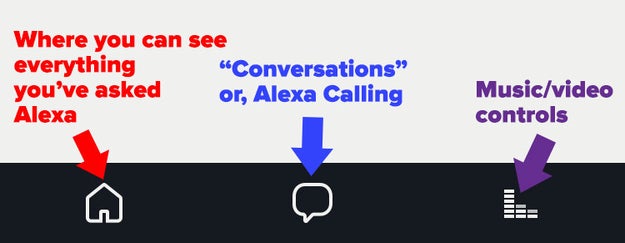
You can use the Echo to make or receive calls. The caveat? The person on the other end also needs an Echo device, or the free Alexa app installed on their phone.

Once you set up Amazon’s new Wi-Fi calling and messaging service, the Alexa app will request access to your phone’s contact list and will automatically add all contacts who have signed up for Alexa calling to your Alexa app. To call one of those contacts, you can say, “[Wake word], call [first name/last name],” then Alexa will confirm which person you want to call, and then ping their Echo or mobile device.

It’s important to note that your Echo can’t call 9-1-1 or other emergency services.

When someone calls you, you can say, “[Wake word], answer” or “[Wake word], ignore.” You can block people you’d probably rather *not* call your Echo, by tapping on the “Conversations” tab (the middle icon on the bottom right in the Alexa app) > tap the contact list icon on the top right > scroll all the way down to Block Contacts. And if Alexa calling isn’t for you? Deactivate the service by calling the Amazon help number.

If you have multiple Echo devices, you can use them as an inter-house intercom.

Fox / Via simpsonsworld.com

With this setting enabled, you can essentially use multiple Echos as walkie-talkies. Name each device by room (like, “office” or “kitchen”). Then go to Settings > for each device listed, turn on Drop In > for Only my household. Now you can say, “[Wake word], call the kitchen” or “[Wake word], drop in on the kitchen.”

You can also call these Echo devices from your phone while you’re away from home, by opening the Alexa app and saying the same command (“[Wake word] call the kitchen”).

Speaking of Alexa Calling, schedule “Do Not Disturb” during sleeping hours.
bravotv.com

Do Not Disturb prevents Alexa from letting calls through. Your Echo will, however, play alarms and timers. You can say, “[Wake word], do not disturb” or “[Wake word], turn off do not disturb.”

In the Alexa app, you can also schedule the feature. Go to Settings > your Echo device name > under Do Not Disturb, tap Scheduled, then select Start and End times.

Add a confirmation code to voice purchasing.

The Echo can buy stuff for you (because Amazon). You can say things like, “Reorder diapers” or “Order AA batteries.”

The feature is an easy way to make sure you never run out of olive oil, laundry detergent, etc. — but it can also be disastrous. A six-year-old in Texas was able to order a $170 dollhouse and four pounds of cookies through voice purchasing. You do need to say “yes” to confirm the order, but that’s not difficult for a toddler. Protect yourself from accidental purchases by going to the app’s Settings > Voice Purchasing > and under Require confirmation code, enter a 4-digit code.

The Echo can be a great to-do manager, but the Alexa app sucks. Link Any.do or Todoist instead.
Any.do

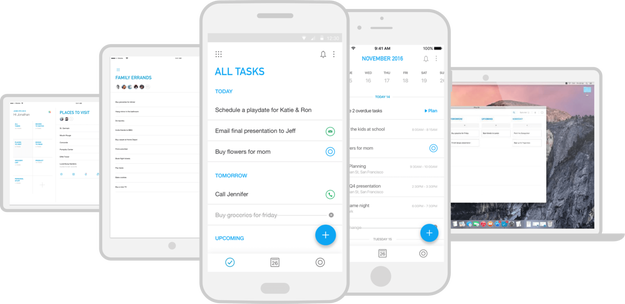
When you need to remember to do something, it’s incredibly convenient to utter “Add ‘Take out the trash tomorrow’ to my to do list” into thin air. But the Alexa app’s built-in to-do list looks a little clunky and doesn’t have many features (like the ability to set a reminder), so try using an Alexa-compatible app instead, like Any.do or Todoist.

Go to Settings > Lists to link an Anydo or Todoist account (Any.do is my personal preference because it’s so well-designed). By connecting your Alexa to-do list to a more robust app, you can set better reminders, add notes, and share and assign individual tasks. In other words, you’ll actually get stuff done.

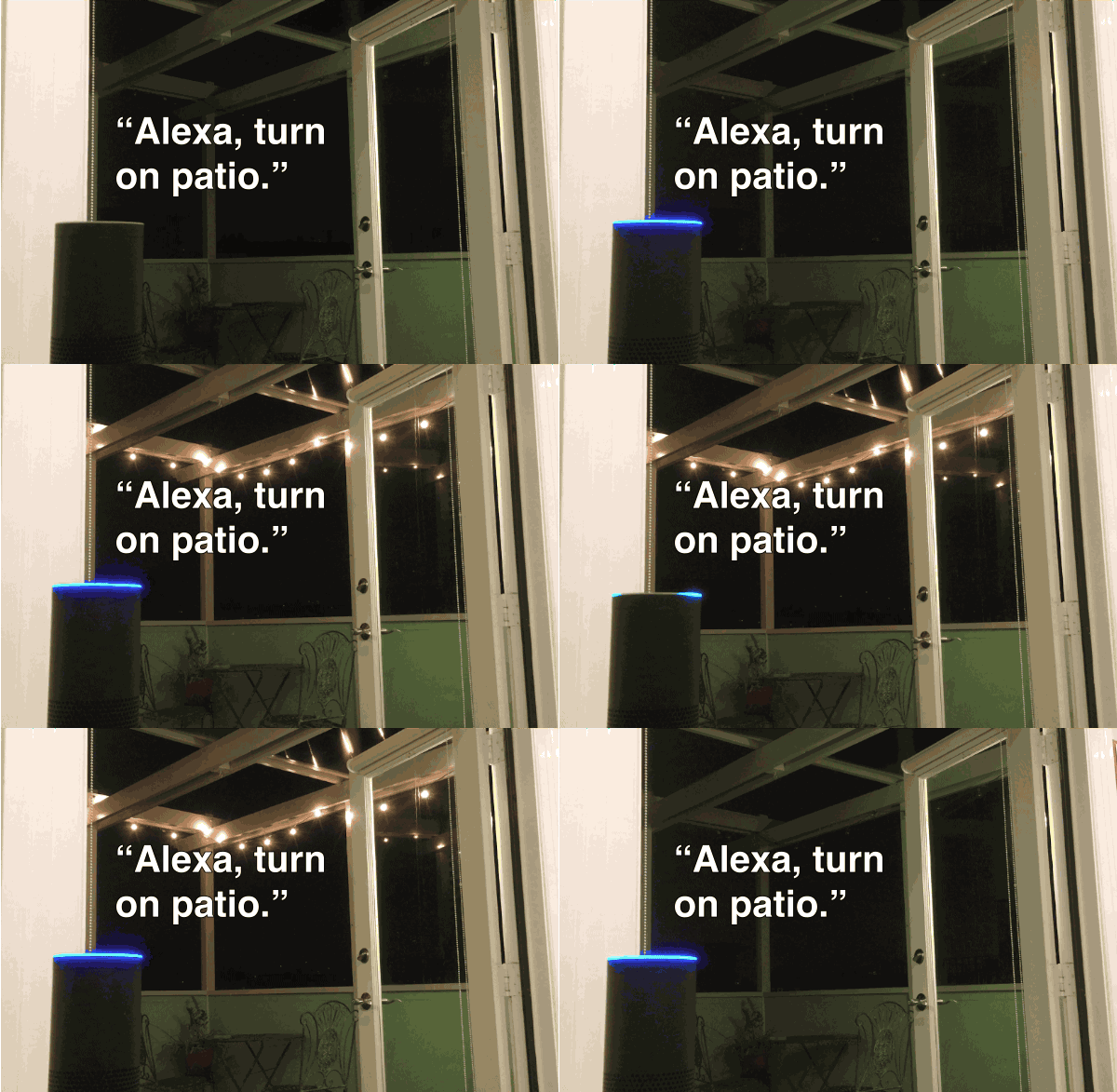
Now that you’ve fiddled with some of the most important settings – read this post on the most useful, basic Amazon commands.
Nicole Nguyen / BuzzFeed News

Since that article was published last year, I’ve discovered some neat new Alexa uses.

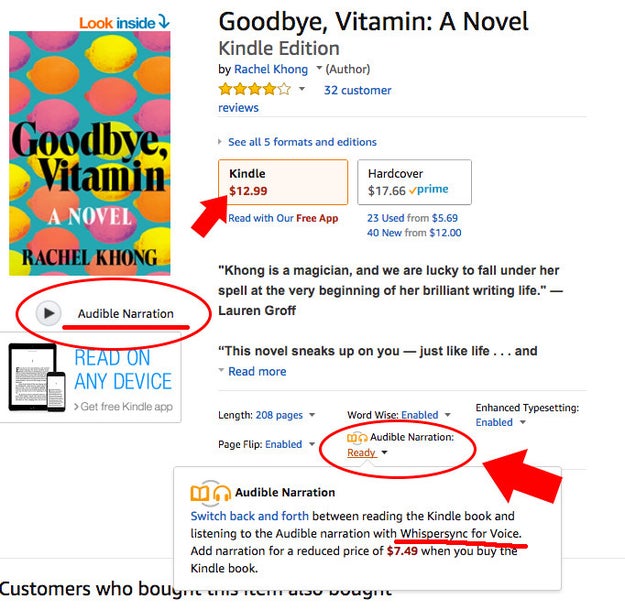
Kindle + Audiobook + Whispersync + Echo = Amazingness.
Nicole Nguyen / BuzzFeed News

Guys. Synced Kindle and audiobooks are the BEST. You can start reading your Kindle book on your bus ride home, and then, while you’re folding laundry later that night, pick up where you left off via the audio version of that same book on your Echo. THEN, before you go to bed, open up your book on your Kindle (or phone, tablet, whatever) where the audio left off.

Bonus tip: Pair your Echo via Bluetooth to a waterproof speaker and listen to your book while you shower.

It’s the only way I’ve been able to actually finish books this year (seriously). When you search for a book on Amazon in Kindle e-books, the result will read “Whispersync for Voice-ready” under the price, which indicates that title is also available as an audiobook, and can be synced to your Kindle e-book progress. The audiobook add-on typically costs between $6 and $15 and it’s worth it.

You can play your personal music collection on the Echo.

If you have music purchased through iTunes or Google Play, you can access that library via your Echo devices.

There are two ways to do this: The easy way is connecting a phone or tablet to your Echo device via Bluetooth. Say, “[Wake word], pair” and in the Bluetooth settings page of your mobile device, the Echo device will appear as a speaker. You can now play music stored locally on your phone or tablet. It’s also the easiest way to play podcasts if you’re not on the most recent episode.

The slightly harder way is to upload your music library to Amazon Music using the app for PC or Mac. You can sync up to 250 songs for free, before having to upgrade to Amazon Music Unlimited ($8 per month for Prime users).

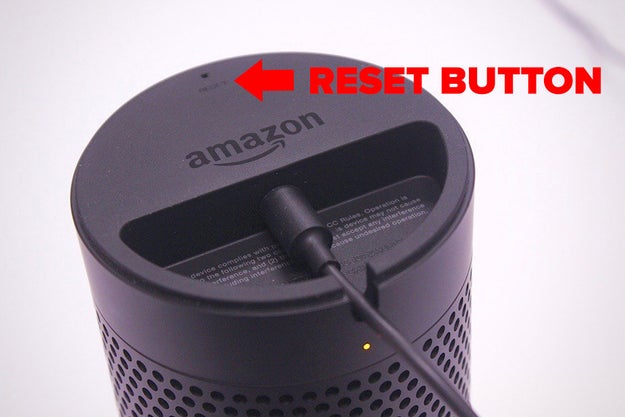
If you move your Echo between rooms a lot, get an extra adapter. It might need resetting, too.
Nicole Nguyen / BuzzFeed News

Quelle: <a href="So You Got An Amazon Echo. Now What?“>BuzzFeed
The Pro-Trump Media Is Full Of Offensive Memes And Trolls, But Is It A Hate Group?

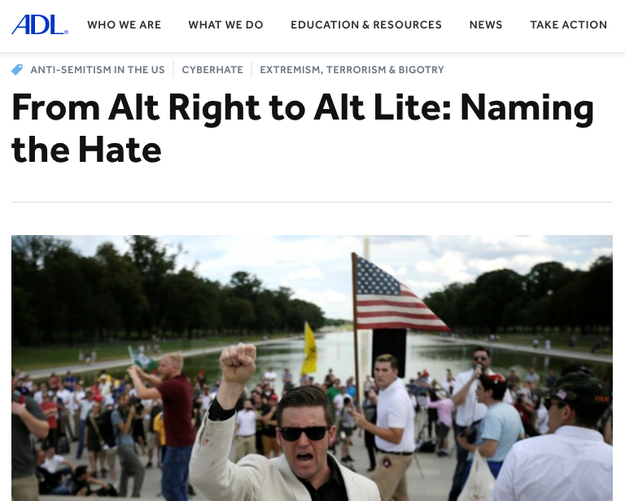
On July 19, the Anti-Defamation League kicked the pro-Trump media hornet’s nest with the publication of a new report cataloging the factions of the alt-right and their key voices. It also prompted the question: How do you classify a hate group in 2017?

Titled “From Alt Right to Alt Lite: Naming The Hate,” the ADL report attempts to define those movements, noting the meaningful differences between the two and listing 36 personalities closely associated with them. For example, the moniker alt-lite was coined by the alt-right in order to differentiate itself from those in the pro-Trump world who denounce white supremacist ideology.

The report's publication sparked near-immediate outrage from some of those who were included. New Right personality Mike Cernovich lambasted the ADL’s report as a “hit list of political opponents,” alleging that by including him on a list of hate leaders, the organization had made him and his family targets of an intolerant and violent left that “murder[s] those the ADL disagrees with politically.” Jack Posobiec, a pro-Trump Twitter personality, took an equally combative stance. On vacation in Poland, he tweeted a short video from Auschwitz. “It would be wise of the ADL to remember the history of what happened the last time people started going around making lists of undesirables,” he said, panning the camera across the concentration camp.

Over the next few days, the controversy gathered considerable momentum on Twitter. Cernovich’s followers tweeted prayers for the safety of him and his family, and condemned the ADL. Gateway Pundit founder Jim Hoft called the organization’s report a “death list,” while his White House reporter, Lucian Wintrich, decried the ADL as a “liberal terrorist organization.” Rebel Media’s Gavin McInnes — named on the list along with Wintrich — threatened to “sue the living shit out of everyone even remotely involved.” The hashtag #ADLterror trended for a few hours. Last week, Republican Senate candidate and Ohio Treasurer Josh Mandel jumped into the controversy, siding with Cernovich and chastising the ADL.

But beneath all the murk and outrage and alt-right/alt-lite/New Right semantics was a reasonable question: In the Trump era, where is the line between hate speech and the extremist, often outlandish, conspiracy-propagating messaging of those movements?

For Cernovich — who played a role in the Twitter propagation of the #Pizzagate conspiracy and has a history of tweeting incendiary opinions from everything from date rape and immigration (much of which he has argued was clear satire) — the line doesn't fall anywhere near him. He argues that, while his statements might not be politically correct or always in good taste, they aren't hate speech, and certainly don’t make him a member of a hate group.

“What does the ADL have on me? Some satirical tweets, hell, even some mean tweets and stuff I'm not proud of?” Cernovich told BuzzFeed News in response to the report. “I have a lot of liberal friends. Many of them in high places. They think I'm an asshole, but 'hate group' has them livid.”

Cernovich insists he’s being unfairly targeted for his pro-Trump views. “This tweet mining bullshit is only used on the right,” he argued. In his view, the New Right is a movement defined not by discrimination or hateful rhetoric, but by pugnacious political commentary and debate. It is nothing, he says, like the alt-right of Richard Spencer, which hews toward a race-based white nationalism. As with Trump himself, the New Right’s true ideology isn’t always clear, and the group tends to behave more as a pro-Trump media arm than as an ideological group. Its main target isn’t a protected race or religion, but the mainstream media. It doesn’t behave quite like any traditional hate group. So can it be called one?

In an interview with BuzzFeed News, the ADL argued that it most certainly can. “I don't think irony and self-promotion is an excuse for bigotry of any kind, whether it’s misogyny or any other form of bigotry,” said Oren Segal, who runs the ADL's Center on Extremism. “Doing it in a way that's more modern or tech-y doesn't make it OK — nor does it make it any less difficult for those who've been impacted.”

“I don't think irony and self-promotion is an excuse for bigotry of any kind.”

Segal noted that the alt-lite or New Right — while not particularly well-defined as a movement — includes individuals with extremist views. “These are people who are on the record with anti-Muslim bigotry and hatred and misogyny — people who support trolling,” he said in defense of the ADL’s report.

Jeff Giesea, an entrepreneur and consultant who helped organize the pro-Trump DeploraBall — an inaugural ball to celebrate the work of the pro-Trump internet — sees the ADL’s decision to categorize the New Right as hate group personalities as a bridge too far. “Based on the ADL's logic, all 63 million Americans who voted for Trump should be on their hate list. If everyone is an extremist, no one is,” he told BuzzFeed News.

Giesea argues that, historically, Cernovich’s views are quite moderate. Perhaps more importantly, he contends that the New Right’s strategy — to promote a pro-Trump agenda via an ongoing, meme-fueled assault on the mainstream media — is a new kind of political discourse.

“By being so quick to label something 'bigotry,' the ADL is getting in the way of the healthy exchange of ideas,” Giesea said. “It pushes people further right by pathologizing common sense. It is a mode of social control that simply doesn't work in the age of social media.”

“Based on the ADL's logic, all 63 million Americans who voted for Trump should be on their hate list.”

Since the beginning of the 2016 election our political discourse has become increasingly fraught, muddied by misinformation and trolling from the fringes of both sides of the aisle. And within this morass, a reflex has emerged on both sides to reflexively label political disagreements as signs of hate. Back in April, the internet erupted over Cernovich and another pro-Trump reporter flashing the “OK” sign at the podium in the White House Briefing Room. A number of news outlets misidentified the sign as a white power symbol, falling for a trap laid by pro-Trump trolls who had been trying to trick the media into thinking the meaningless symbol had nefarious origins. The incident sparked a defamation lawsuit filed by one of the pro-Trump reporters, as well as an existential argument around when exactly a symbol morphs from an ironic troll to a real sign of hate.

Giesea has run this over in his mind frequently, and argues that there’s more nuance and craft to the pro-Trump movement’s tactics. “Memetics is a form of art,” he said. “Shock and controversy is what makes memes effective. They push moral boundaries. Sometimes this is healthy and can challenge certain narratives, other times it can feel toxic and juvenile. Think about it – what memes would Voltaire share?” Giesea concedes that there are moral considerations to social media behavior, but suggests that “the ADL list feels like an act of political warfare, rather than a good faith attempt to discuss these issues.”

Ultimately, the problem appears to be definitional. For Heidi Beirich, the director of the Southern Poverty Law Center’s Intelligence Project, the alt-right and alt-lite movements may be fluid, but the definition of hate is not. Beirich says the SPLC follows roughly the same standards for defining hate groups as the FBI uses for hate crimes. In a recent op-ed for Huffington Post, SPLC President Richard Cohen defined a hate group as “those that have ‘beliefs or practices that attack or malign an entire class of people, typically for their immutable characteristics.’”

“What memes would Voltaire share?”

“We don't care as much about the pro-Trump stuff,” Beirich told BuzzFeed News. “It's the specific policies we're worried about — whether it's anti-Muslim or anti-immigrant.” For example, she noted that despite articles with anti-immigrant sentiment, “we're not going to list a publication like Breitbart as a hate group unless they publish much more stuff that’s much further over the line.”

In trying to categorize the Cernoviches and Posobiecs of the world, Beirich said it’s best to categorize them on a case-by-case basis, remembering that hate speech isn't necessarily the only (or most) relevant category. “Take Pizzagate,” she said. “We've written about anti-government conspiracy theorists since the 1990s and that's a different thing than our hate lists — it doesn’t excuse the behavior, but it’s different.”

The ADL sees no such difference and, on its Naming the Hate report, is standing its ground. To Segal, the fact that the behavior of the New Right doesn’t follow the established patterns of other fringe movements is reason enough to worry about its evolution and growth. “In a sense this rhetoric is potentially more harmful because it's not so clearly being promoted as hate,” he told BuzzFeed News. “I think we can see through that. If they call it a joke, we're not laughing.”

Quelle: <a href="The Pro-Trump Media Is Full Of Offensive Memes And Trolls, But Is It A Hate Group?“>BuzzFeed

Finally, There's A Dating App Just For Verified Twitter Users

Loveflutter

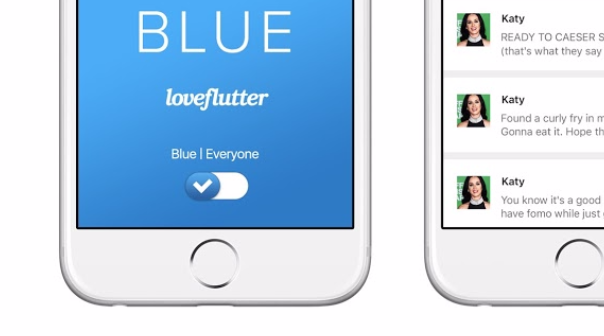
Loveflutter is a swiping dating app that links up to your Twitter and shows your tweets in your profile (egads). Now, the company is launching a new feature called “Blue” that allows verified Twitter users to browse and match with only other users with blue check marks.

That's right, now you can date the people who reply to Trump tweets in long threads.

According to Daigo Smith, founder of Loveflutter, the verified-only feature will roll out in five cities — New York, San Francisco, Los Angeles, London, and Tokyo — but only once 1,000 verified twitter users sign up in each place.

Once there's a critical mass of blue check marks, those verified users will be able to toggle between verified-only and the plebeian masses. The premium verified-only feature will be free for the first 1,000 people to sign up in each city, but after that you'll need a monthly subscription to access. (Smith didn't specify how much a subscription would cost but said Loveflutter is testing prices.) If you want to roll around in the muck with the hoi polloi, then it's free, you filthy pig.

Of course, this new feature is, potentially, pretty icky: If you live in a city where many of the verified users are from one industry (say, entertainment in LA or media in NYC), then there's a good chance the dating app will show you lots of people you might, well, know. Eesh.

“We're pretty open about what Loveflutter is,” Smith told BuzzFeed News. “It's not a hook up app or an ego-boosting, match-collecting experience. We're a date-focused relationship app, so it won't be creepy/weird, as everyone will be on there to find a date.”

Quelle: <a href="Finally, There's A Dating App Just For Verified Twitter Users“>BuzzFeed

Uber Is Still Fighting A Class-Action Lawsuit From Drivers

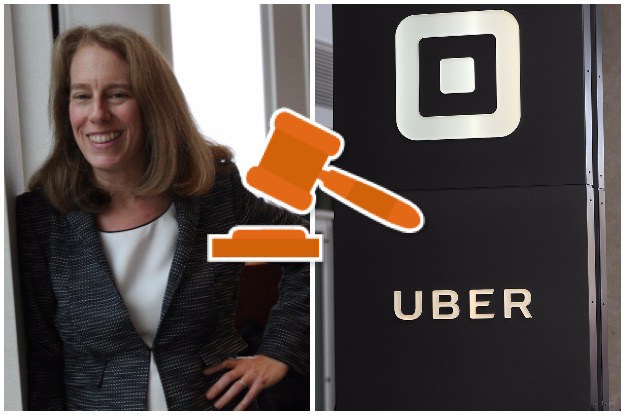
Four years after attorney Shannon Liss-Riordan first took legal action against Uber for allegedly misclassifying its driver workforce as independent contractors, the company is still fighting her class action lawsuit. And now, Uber is taking action against Liss-Riordan directly.

Uber is currently attempting a tectonic culture shift after a series of scandals. In February, a former employee’s viral blog post about discrimination and harassment launched two separate internal investigations into workplace culture; ultimately, Uber’s CEO Travis Kalanick stepped down and at least twenty employees were terminated. Executives have publicly apologized, and promised change, both for the Uber’s employees and the drivers who keep the app running.

But on Friday, Uber took a more typically pugilistic approach when it filed a motion to sanction Liss-Riordan, accusing her of willful misconduct, and saying she contacted drivers using confidential information found in court documents to solicit their business.

But Liss-Riordan says these drivers were already her clients, and told BuzzFeed News there’s “nothing improper” about communication between them and her firm. “We would not be representing them responsibly if we did not keep them informed about the defendant's attempt to strip them of their right to participate as class members,” she told BuzzFeed News.

Liss-Riordan, otherwise known as Sledgehammer Shannon, became famous in Silicon Valley four years ago when she started filing class action lawsuits accusing gig economy companies including Uber, Lyft, Handy, Postmates, and DoorDash of misclassifying their employees as independent contractors in order to cut down on labor costs.

In March, Lyft agreed to settle its class action for $27.5 million. But the lawsuit against Uber has stalled. In April 2016, Liss-Riordan negotiated what would have been a significant $100 million settlement with Uber — but it was thrown out that August by a judge who felt she could have pushed for a larger payout. Since then, the class has splintered, with some named plaintiffs seeking new representation, and Liss-Riordan being forced to defend herself against allegations from class members and other law firms who say she’s more interested in personal profit than helping drivers.

Liss-Riordan is still fighting to keep the class action suit together and to prevent Uber from sending drivers into individual arbitration. But she’s also preparing for the possibility that she won’t succeed. So in March she sent an email survey to drivers asking them to provide their personal information if they wanted her to represent them in private arbitration.

“In the event that Uber succeeds in breaking up the class, we want to ensure that all class members have the opportunity to continue pressing their claims individually if necessary,” she told BuzzFeed News.

But Uber says the means by which Liss-Riordan contacted these drivers violated rules around confidentiality. In the motion, Uber says she “willfully misused the name and contact information contained within the Class List—Uber’s very own “Highly Confidential— Attorneys’ Eyes Only Information”—to solicit some, if not all, drivers on the Class List for the purpose of initiating new, individual-plaintiff actions against Uber.”

Uber says, by sending the survey, Liss-Riordan confused drivers, leading them to believe that they have to sign up with her firm in order to continue to participate in the class-action lawsuit, which is not the case. In the filing, Uber points to a number of posts on popular driver message board UberPeople.net as proof that the email from Liss-Riordan’s firm led to confusion among the drivers.

Uber is asking the court to disallow Liss-Riordan from representing individually any driver who received the email in question. The company declined a request for comment on this story.

“Uber is (as I predicted) trying to stop at all costs the drivers pursuing their claims,” Liss-Riordan wrote in an email. The company’s decision to to ask for sanctions against her is, she continued, “just their first step to block drivers from pursuing their rights.”

Uber has been taking steps to improve the driver experience in recent months. They can collect tips now, and in a few states they can opt in to injury insurance, which gives them some of the protections employees are typically guaranteed. But drivers are still independent operators, working for themselves, and earning very little money in the process.

Meanwhile, most of the lawsuits Liss-Riordan has brought against gig economy companies have fizzled out; she settled with DoorDash for $5 million, and a suit against Postmates looks to be headed the same way.

But in September, four years after she initially sued Uber over misclassification, she might finally get her day in court, albeit against a slightly less infamous startup. She’ll be representing a former contractor who worked for Grubhub, a website that facilitates delivery of restaurant takeout, at trial in Northern California. The outcome of that case could finally provide insight on the question of who on-demand workers are really working for.

Quelle: <a href="Uber Is Still Fighting A Class-Action Lawsuit From Drivers“>BuzzFeed

Your Roomba Is Making A Map Of Your House, And It Might Sell It

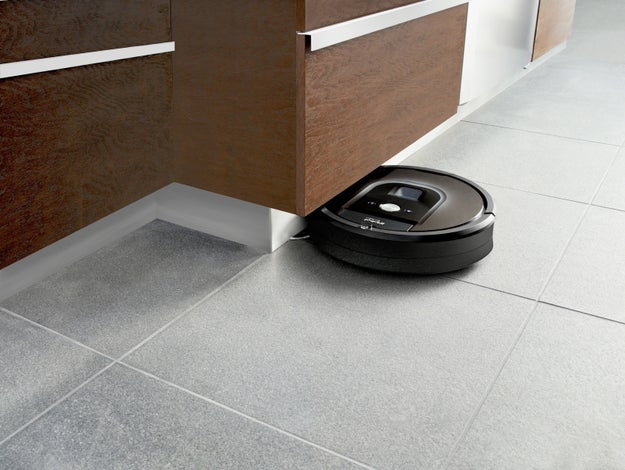
Your cute little Roomba that zooms around doing the vacuuming for you has been making maps while it works… and someday, its maker may sell your house's floor plan to other tech companies.

Instagram: @floeckchentherabbit

The CEO of iRobot, which makes the automatic vacuum, told Reuters that his company is considering selling the data Roombas have collected in customers' homes to companies like Google, Apple, and Amazon.

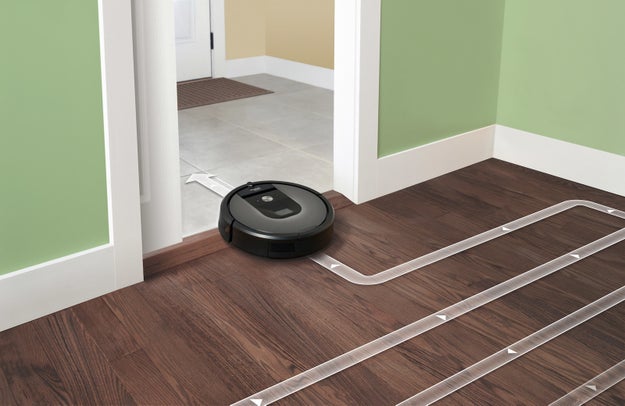
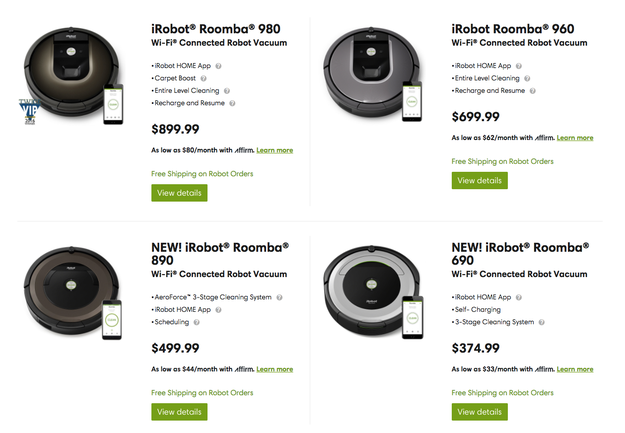
iRobot's actually been mapping your house since 2015, when it released the Roomba 980. That smart vacuum creates its own map of your house so it won't knock over your lamps. The technology, dubbed Simultaneous Localization and Mapping, allows the smart vacuum to smartly navigate your house, clean it, and return to its charging station autonomously.

And now iRobot has an idea for making money off that data. A lot has changed since iRobot started selling the first Roomba in 2002. The many internet-connected gadgets that make up a home smart have expanded to include lights, blinds, TVs, speakers, coffee pots, thermostats, toasters, security cameras, ovens, and more. Some of these devices could use a map of your house to be more effective, but none of them moves around your house collecting spatial data in the same way a Roomba does.

Reuters reports that iRobot is considering selling this data to companies making smart speakers and other smart home technology, including Amazon, Google, and Apple. Roomba is already compatible with Amazon's voice assistant Alexa and its accompanying smart speaker Echo. You can use the Echo to tell the vacuum to start cleaning, stop cleaning, go home to its charging station, and more. But the Roomba doesn't tell Amazon what the layout of your house looks like, at least not for now.

iRobot's potential plans have some privacy advocates concerned. Jamie Williams, an attorney at the Electronic Frontier Foundation, told BuzzFeed News, “Maps of the inside of your home can tell a lot about a person. For instance, how you lay out your living room could disclose whether watching TV is a central part of your life. It could disclose whether you have pets. How often you rearrange furniture. This information wouldn't be worth a lot to advertisers if it didn't reveal highly sensitive information about the inside of the home.”

If you think it's creepy that Roomba's been sharing maps of your house with its maker, there's a way to cut the data sharing with iRobot, though it might disable a key feature of your robo-vac.

iRobot

iRobot's privacy policy reads, “You can control or stop the collection of usage data from your registered iRobot device by disconnecting your Wi-Fi or Bluetooth from the app, for example, by changing your Wi-Fi password.” However, this will disable your ability to use the Roomba with your smartphone or with Alexa, which requires a Wi-Fi connection. iRobot advertises Wi-Fi connectivity and remote control as one of Roomba's primary features.

In a statement, iRobot told BuzzFeed News it “is committed to the absolute privacy of our customer-related data, including data collected by our connected products. No data is sold to third-parties. No data will be shared with third-parties without the informed consent of our customers.”

Williams told BuzzFeed News that while iRobot will need to get customers' permission, “this request for consent may appear as small print in some updated policy, which in our mind is not real consent, especially given the sensitivity of this information.”

But you don't have complete control. iRobot may still retain anonymized data connected to your device.

The company's privacy policy also says, “We reserve the right to de-identify your personal data, including information about Robot and Service usage, and to retain your anonymized information for our own records.”

iRobot does not specify in its privacy policy whether a map of a home would legally be considered personally identifiable information or anonymized user data. The company declined to comment on how it classifies the information.

“I hope we never get to a point where anyone things that constant tracking of behaviors inside the home is just a cost we pay for having a personal assistant or
making coffee via an Internet connected device,” Williams said. “How consumers react to iRobot's plans to gather and sell maps of the inside of their homes is going to reveal how likely we are to get there.”

Quelle: <a href="Your Roomba Is Making A Map Of Your House, And It Might Sell It“>BuzzFeed