Someone Solved Your Phone Auto-Playing Music In The Car

Hello to anyone who has a car, has a friend with a car, rides in a car.

Hello to anyone who has a car, has a friend with a car, rides in a car.

You are aware of this really annoying thing.

You know when you plug in your phone to the car to charge, or hook it up over Bluetooth so you can do handsfree or whatever…. As soon as you connect your phone, it starts playing the first song in your music library over the stereo?

Which is irritating because obviously you don’t want to listen to your entire music library in alphabetical order. Who would do that? Only a very deranged person! Why do cars do this?

Good news: a genius (a former BuzzFeed employee, duh) made a fix for this.

Samir Mezrahi, who works for the animal site The Dodo (and is a former BuzzFeed employee) created a simple hack. He made a song that’s just a blank sound, with the title “A a a a a Very Good Song”. This means that instead of some loud song playing as soon as you connect your phone, you’ll be playing this silent song. Which will give you the 3 seconds you need to turn off the music player.

You can buy the song through the iTunes store for 99 cents (sorry, peace and quiet is gonna cost you).

Buy it HERE.

Mezrahi told BuzzFeed that he made the song because it drove him nuts that every time he plugged in his phone to his car, the Taylor Swift song “All You Had To Do Was Stay” would start playing. “I also noticed a lot of people had the same problem with Vampire Weekend's ‘A-Punk’, Ed Sheeran’s ‘A Team’, the Kendrick Lamar song ‘ADHD’ and the Lady Gaga song ‘Ayo’,” he said.

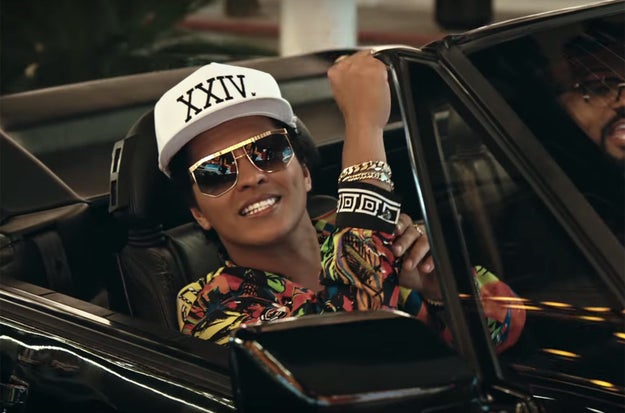
The song has only been available in the iTunes store since August 7, but it’s actually cracked the top 100 (it’s currently at #63, just above “24K Magic” by Bruno Mars). But my old deskmate has no intention of pop stardom, but simply making Bluetooth less annoying. “People have tweeted me screenshots of them playing my song, and it definitely feels like i am making a difference in the world,” said Mezrahi.

THERE YOU GO. PROBLEM SOLVED, PEOPLE.

Quelle: <a href="Someone Solved Your Phone Auto-Playing Music In The Car“>BuzzFeed

One Of Uber's Largest Investors Just Sued Former CEO Travis Kalanick

Benchmark, an early investor and one of the largest shareholders in Uber Technologies, is suing the company's former CEO Travis Kalanick for fraud, breach of contract, and breach of fiduciary duty.

In a lawsuit filed in Delaware on Thursday, the San Francisco-based venture capital firm, which holds an Uber board seat, accused Kalanick, the company's co-founder, of engaging in a power play to get himself reinstated as CEO.

“Kalanick’s overarching objective is to pack Uber’s Board with loyal allies in an effort to insulate his prior conduct from scrutiny and clear the path for his eventual return as CEO—all to the detriment of Uber’s stockholders, employees, driver-partners, and customers,” Benchmark said in its lawsuit.

The board removed Kalanick as CEO in June after a series of sexual harassment scandals and revelations of long-standing misbehavior at the executive level were reported in the press. He still remains on the company's board, but has interfered with the new CEO search, according to Benchmark's lawsuit. The suit cited various media reports that said that Kalanick's continued participation oat the company has scared away candidates from the job, including current Hewlett Packard Enterprise CEO Meg Whitman.

Benchmark's lawsuit exemplifies the level of chaos within Uber's ranks as the $69 billion company has continued its search for a new CEO. Also on Thursday, long-time executive Ryan Graves announced he would be departing the company's day-to-day operations, but will remain on the board.

Uber declined to comment.

Quelle: <a href="One Of Uber's Largest Investors Just Sued Former CEO Travis Kalanick“>BuzzFeed

Uber's First Employee Is Out As An Exec But Will Remain On The Board

Tyrone Siu / Reuters

Uber Technologies' first employee and former CEO Ryan Graves is leaving day-to-day operations at the San Francisco-based ride-hailing giant, according to an email sent to employees on Thursday. Graves will still remain on the company's board, which is in the process of finding a replacement for former CEO Travis Kalanick.

“There is another lesson I’ve learned that we should have applied much earlier,” he wrote in an email that was obtained by BuzzFeed News. “We should have taken more time to reflect on our mistakes and make changes together. There always seemed to be another goal, another target, another business or city to launch.”

Graves had worked at Uber for more than seven years, and was originally hired by co-founders Kalanick and Garrett Camp to serve as the company's first CEO in early 2010. After Kalanick took over control of the company, Graves served as the company's president before stepping aside in August 2016, with the hire of former Target chief marketing officer Jeff Jones into the role. (Jones quit in March as Uber faced a series of scandals and allegations of widespread sexism at the company, which eventually led to Kalanick's dismissal.)

In his most recent role, Graves, according to a company blog post, was “a resident entrepreneur and builder” focused on people operations and Uber's delivery services like UberEats. His official title on LinkedIn was Senior Vice President of Operations.

“Well, there is no great time for a move like this one,” he said in his email. “But it’s really important to me that this transition doesn’t take away from the importance of the onboarding process of our new CEO, whoever they might be.”

Quelle: <a href="Uber's First Employee Is Out As An Exec But Will Remain On The Board“>BuzzFeed

9 Observations About Watch, Facebook's New YouTube Competitor

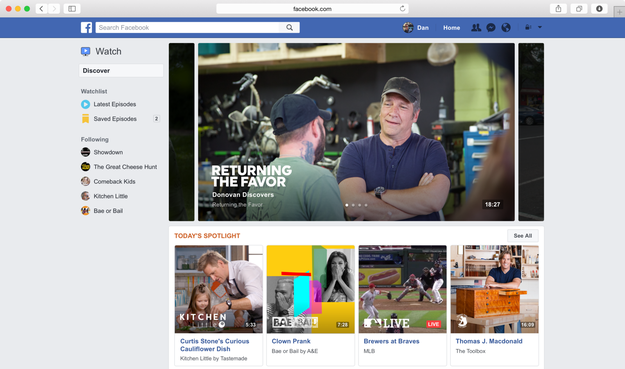
Facebook is debuting a YouTube competitor called “Watch” that lets you subscribe to shows inside Facebook’s apps and desktop site and watch them in a dedicated tab. Watch will roll out in the US with a few dozen shows tomorrow, but it will eventually go global and feature thousands of series.

Introducing a marquee video product is no small deal for Facebook, and for its competitors. Here are a few critical things to know about Watch, and what its release will mean for Facebook and the video industry.

1. This is not a Netflix competitor

Early reports of Facebook signing deals to make video series (such as one featuring LaVar Ball and his supremely talented basketball player sons) made it seem like Facebook was aiming to build a new Netflix — i.e. that it planned to pay for content and distribute it. But that’s not what’s exactly happening here. In an interview with BuzzFeed News, Facebook product director Daniel Danker repeatedly stressed that Watch is a platform, meaning anyone can upload shows to be featured in the tab. This is more similar to YouTube than any other major video platform in existence today.

2. Facebook’s Watch is similar to YouTube, and will likely face similar controversies

YouTube seems to regularly deal with controversy over the videos users upload on its site. That’s a sign of what may be on the way for Facebook, which has already experienced criticism for the violence that often appears in its live video streams. YouTube, you may recall, came under fire in 2016 from video makers upset about its practice of preventing advertising from appearing next to videos it deems too offensive. And then it faced heat from advertisers upset that their advertising was still appearing next to such videos. Essentially, YouTube is in the middle of a war over how heavy-handed it should be in regulating video appearing inside of it. Facebook already has plenty of video, but Watch will likely draw in more professional video creators who depend on getting paid. So Facebook could face similar issues here too. “Content gets taken off the platform if it doesn’t adhere to the community standards,” Danker said, setting the stage for the first showdown.

3. Facebook’s algorithms will suggest relevant series based off your interests and connections

Facebook possesses a powerful graph of its 2 billion users’ interests and connections, giving it a pretty good idea about what interests us (this is a big part of why its advertising works so well). The company is going to put this knowledge to work inside Watch, using it to suggest shows it thinks we’re interested in, and placing them in categories such as “What friends are watching” and “Most talked about.” It will also use data from reactions: Videos with lots of “haha” reactions will be highlighted in a “What’s making people laugh,” category, for example.

4. Watch seems ripe for ‘filter bubble’ effects

Because Watch’s algorithms consider your interests and connections when suggesting shows, the product seems susceptible to enhancing the filter bubble — an algorithmically curated world of content made up of views you largely agree with. Asked about this, Danker said Watch’s Discover section highlights shows you haven’t subscribed to, broadening your world view. But Facebook has been known to value time spent on its platform, which can emphasize showing you stuff agree with — a noted problem in the run-up to the 2016 election. It’s something to keep an eye on here too, since time watched is a key video success metric.

5. Facebook is paying for some shows on Watch, but it’s avoiding political content

Facebook is paying some video creators to make shows for Watch, which Danker said is meant to seed the type of content the company would like to see more of. Notably, Danker told BuzzFeed News that Watch’s debut won’t feature any politics-themed content, despite that being a popular content format on YouTube.

6. This seems to be Facebook’s admission that it needs professional video

By 2021, Mark Zuckerberg anticipates Facebook will be made up of mostly video. But if you thought your Aunt Suzie’s uploads or the hysterical Chewbacca mom were going to be what carried the company there, think again. Traditional user-generated content may have built Facebook, but professional video content will carry it into its future. Watch emphasizes that point.

7. Groups will be a major boost to Watch

Facebook Groups are going to be tightly integrated with Watch, creating natural places for fans to discuss shows. In a demo, Danker showed one show’s official group highlighted right underneath an episode, which is premium placement. Groups can be a place where a show’s stars interact with their fans, he said, and where the fans talk about the show on their own. Given that Facebook is placing emphasis on Groups in its quest to build stronger communities, the integration of Groups here stands to encourage people using Facebook to stay longer and watch even more videos.

8. Show creators will take home 55% of the money from ad breaks on their videos

And they can choose where those ad breaks go. They can also post branded shows and keep 100% of the money.

9. Facebook’s key video advantage: It’s everywhere

The Watch tab will show up in Facebook’s app, its desktop site, and inside its smart TV app. This will allow people to watch Facebook’s shows on any screen. And since people spend so much time using Facebook, its video offering will be hard to miss and easy to pick up no matter where they are.

Quelle: <a href="9 Observations About Watch, Facebook's New YouTube Competitor“>BuzzFeed

We Sent Alex Jones' Infowars Supplements To A Lab. Here's What's In Them.

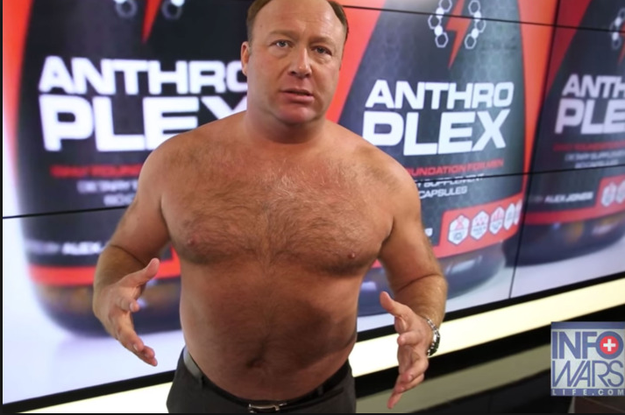
Alex Jones' wildly popular suite of Infowars supplements probably won't kill you, but extensive tests provided to BuzzFeed News have shown that they're little more than overpriced and ineffective blends of vitamins and minerals that have been sold in stores for ages.

The independent test results are the work of Labdoor, a San Francisco-based lab that tests and grades dietary supplements. Labdoor ran full tests on six popular Infowars supplements to determine the exact make-up of each supplement and screen for various dangerous and illegal chemicals. It also investigated a few of the products that “claimed incredible benefits for what seemed like could just be simple ingredients.”

“We tested samples in triplicate, and wherever possible, cross-checked those results with at least two independent analytical laboratories, so we have complete trust in our conclusions,” Brian Brandley, Labdoor's Laboratory Director told BuzzFeed News.

All of the test results were largely the same: The products are — more or less — accurately advertised. They don't contain significantly more or less of a particular ingredient than listed on the bottles, and there are no surprise ingredients. They're also reasonably safe, meaning they passed heavy metal contaminant screenings and tested free of stimulants, depressants, and other prohibited drugs.

But just because the product's ingredients matched their labels doesn't mean they lived up to Jones' claims. Survival Shield X-2, for example, “is just plain iodine, the same stuff doctor's used to pour on surfaces as a disinfectant,” Labdoor's results read.

When the company tested Anthroplex, which retails for $29.95, it found that there was so little zinc that “if you're extremely zinc deficient, the value…is not going to be significantly helpful.” The report notes that “you could actually get another zinc orotate supplement for around $5 WITH an impactful serving size,” before concluding simply that “this product is a waste of money.”

This claim — that the Infowars supplements often contained less effective serving sizes than their less expensive counterparts — was a running theme in Labdoor's results. In almost every example, Labdoor's tests and reviews describe the products as little more than heavily over-priced supplements with few health benefits, if any.

As Jones' popularity has risen, so has his supplements business, which sources have told BuzzFeed News largely funds Jones' highly controversial Infowars media empire — home to incendiary conspiracies including but not limited to: #Pizzagate, that the Sandy Hook massacre was faked, and that murdered DNC staffer Seth Rich provided Wikileaks with the DNC emails — in addition to acting as a kind of lifestyle-brand complement to Jones' particular brand of conspiracy-minded, fear-fueled programming.

“He can sell 500 supplements in an hour,” a former employee told BuzzFeed News this spring. “It's like QVC for conspiracy.” One estimate by New York magazine — which uses some back-of-the-envelope calculations based on the number of reviews of supplements on Jones' Infowars Life Store — suggests that, with an average supplement price of $30, Jones could haul in $15,000,000 in sales over a two-year period. A second, less conservative, estimate from the magazine puts the figure even higher — nearly $25,000,000 without including repeat customers (of which there are likely many).

Here's a closer look at what exactly is inside the products that keep America's favorite conspiracy theorist on the air, according to Labdoor.

Super Male Vitality/Super Female Vitality (liquid) – $69.95/ $59.95

Super Male Vitality/Super Female Vitality (liquid) - $69.95/ $59.95

Claimed ingredients for Super Male: ​Tribulus Terresteris (fruit), Tongkat Ali (root), Ashwaganda (root), Maca (root), Avena Sativa (leaf/stem), Suma (root), Catuaba (bark), Muira Puama (bark), Fulvic Acid

Claimed ingredients for Super Female: Organic Tribulus Terresteris (fruit), Organic Epimedium (leaf), Organic Ashwaganda (root), Organic Avena Sativa (leaf/stem), Wildcrafted Suma (root), Maca (root), Wildcrafted Tongkat Ali (root), Wildcrafted Muira Puama (bark), Wildcrafted Catuaba (bark), Shilajit

Test results: The lab found no traces of unlisted items like caffeine. Nor did it find any athletic enhancing drugs/stimulants or Viagra.

Labdoor suggests that there is no real research to show that many of Super Vitality's ingredients are effective. One ingredient — Tribulus terrestris — “seems to increase libido in rats” but only improves erectile disfunction “in one lone human study,” according to Labdoor. And the lab notes that serving size in both serums is “way too small for this combination of ingredients to be effective.”

Labdoor review snippet: “Both of these products are most likely safe, but ineffective.”

Anthroplex – $39.95
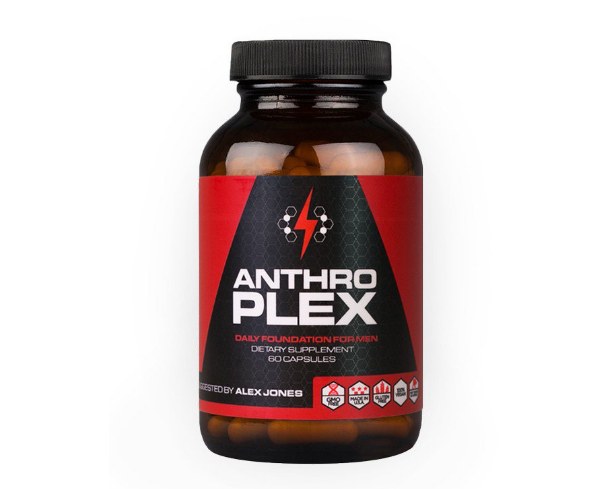
Anthroplex - $39.95

Claimed ingredients:​ Zinc Orotate, Horny Goat Weed, Tribulus terrestris, Tongkat Ali-Longjack, Fulvic Powder

Test results: Labdoor found that Anthroplex passed a heavy metal screening but noticed a discrepency in the amount of reported zinc in the capsules. According to Labdoor, there's 31% less zinc than advertised. “When we look into the zinc dosage, it's so ridiculously low that you'd basically be buying a worthless product for $40,” the report reads.

Review snippet: “This product is a waste of money. The claim that 'Anthroplex works synergistically with the powerful Super Male Vitality formula in order to help restore your masculine foundation and stimulate vitality with its own blend of unique ingredients' is fluff on multiple fronts.”

Oxy-Powder (powder) – $46.95

Oxy-Powder (powder) - $46.95

Claimed ingredients:​ Elemental Magnesium, Natural Citric Acid

Test Results: According to Labdoor, the product contains almost exactly the values of magnesium and citric acid that it claims. It also passed a screen for heavy metals.

While the product has the exact ingredients as advertised, Labdoor's report takes issues with Infowars' claims that the product is “ozonated.” According to the lab, “Ozone is so reactive that it wouldn't remain as ozone in the supplement itself. Additionally, if you could take ozone, you shouldn't as it's extremely toxic.”

Review snippet: “This product's claims related to “nascent oxygen” also have no real
basis in science.”

Survival Shield X-2 – $29.95

Survival Shield X-2 - $29.95

Claimed ingredients:​ Iodine (as nascent iodine)

Test results: According to Labdoor, the product contained just under the value of iodine that it claimed. It also passed a screen for heavy metals.

There's not much to say, here. Basically, what Infowars is selling in Survival Shield X-2 is a bottle of iodine at 3x mark-up.

Review Snippet: “We tested this product on the chance that it might be potassium iodide or sodium iodide, which it wasn't. Survival Shield is just plain iodine.”

Claimed ingredients:​ Chamomile flower, Jujube Seed, Hawthorn Berry, Catnip Aerial Parts, Lemon Balm Aerial Parts, Long Pepper Fruit, Licorice Root, Amia Fruit, Magnesium Taurinate, Calcium Carbonate, Gotu Kola Aerial Parts, and Essential Oils of Anise Seed, Cassia Bark, and Clove Fruit

Test Results: “This product tested to be free of stimulants and depressants listed as drugs prohibited from athletic competition in WADA's annual Prohibited List. It also passed screenings for heavy metal contamination (arsenic, cadmium, lead, mercury).”

Labdoor notes that, like the male and female vitality serums, Child Ease “has so many ingredients, they wouldn't be effective in a 1.25 mL serving size.”

The report also cautions the use of these ingredients in children, especially given the lab's suspicion that “Infowars may also be marketing this supplement as a way to treat autism or a substitute for vaccines.” The lab notes that “these recommendations are unfounded and dangerous.”

Review Snippet: “It also has ingredients that have never been studied for safety or efficacy in human research and as a consumer, you're supposed to blindly trust that it's okay for your kids.”

The following products were not lab tested by Labdoor, but they were reviewed by the lab's research team:

Joint Formula (pills) – $29.95
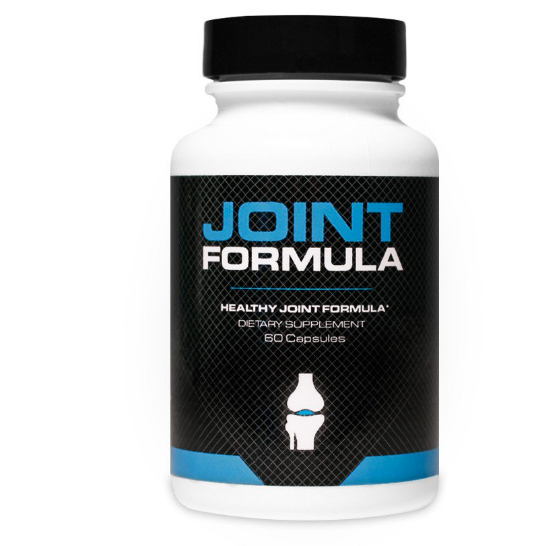
Joint Formula (pills) - $29.95

Review Snippet: “Almost all of the listed ingredients are not supported in research for joint health.”

Caveman True Paleo Formula (shake powder) – $59.95
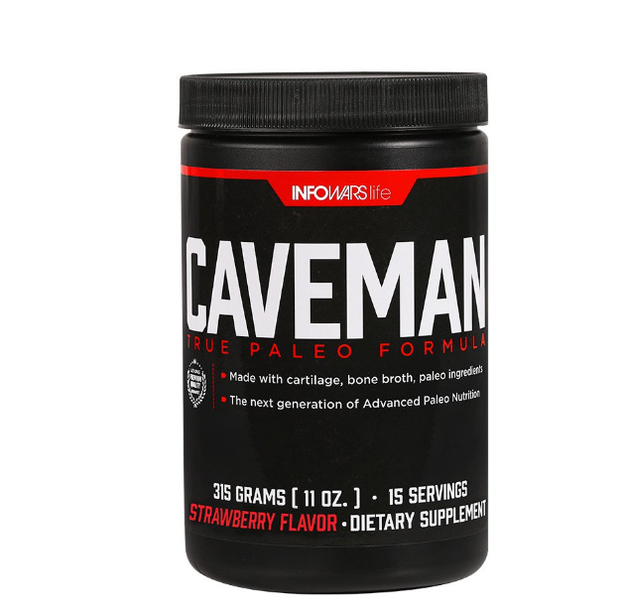
Caveman True Paleo Formula (shake powder) - $59.95

Review Snippet: “They're using fancy ingredient names for what are really simple ingredients”

Lung Cleanse (spray) – $49.95

Lung Cleanse (spray) - $49.95

Review Snippet: “It's maybe like a spray liquid cough drop in your throat – temporarily effective, but not worth $50.”

DNA Force (pills) – $134.95
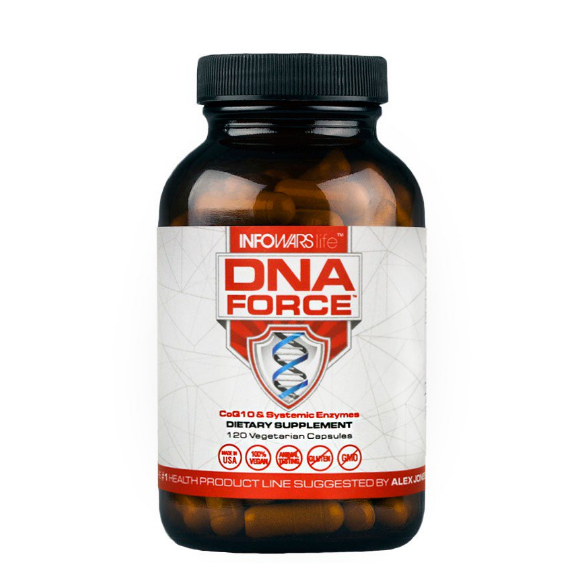
DNA Force (pills) - $134.95

Review Snippet: “There's no way to definitively test 'DNA health', so having a claim of supporting DNA and/or mitochondrial function seems far-fetched”

Deep Cleanse (liquid) – $29.95
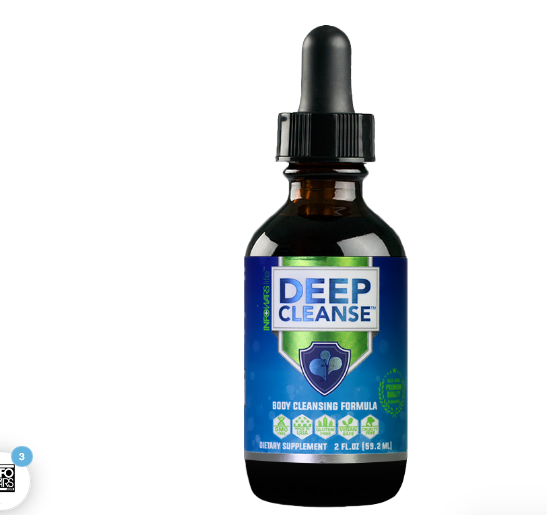
Deep Cleanse (liquid) - $29.95

Review Snippet: This one is very short and to the point. “This is basically an iodine supplement with more than likely ineffective herbal ingredients.”

Myco-ZX (pills) – $54.95

Myco-ZX (pills) - $54.95

Review Snippet: “This product's ingredients are unsupported in research and there's very little guidance on safe dosing.”

Brain Force Plus – $20.96

Brain Force Plus - $20.96

Review Snippet: At the current serving size, however, dosing is significantly
lower than expected for most ingredients

Secret 12 – Vitamin B12 (liquid) – $23.96

Secret 12 - Vitamin B12 (liquid) - $23.96

Review Snippet: “There's nothing really “secret” about this product's main ingredient”

Winter Sun Vitamin D (liquid) – $23.96

Winter Sun Vitamin D (liquid) - $23.96

Review Snippet: “you couldgrab a bottle for around $10 and skip the 2X+ price markup from Infowars”

Colloidal Silver: (liquid) – $19.95

Colloidal Silver: (liquid) - $19.95

Review Snippet: “There's no proof that this works.”

Quelle: <a href="We Sent Alex Jones' Infowars Supplements To A Lab. Here's What's In Them.“>BuzzFeed
FaceApp Is At It Again With Racial Selfie Filters

Remember FaceApp?

Back in April, it was a suddenly popular Internet Thing(™) that would make your face look like you were a baby, an old person, or a different gender. Neat!

Then people noticed that the app's “Spark” filter (at first called the “Hot” filter) just made them look whiter.

The company removed the filter in response to the backlash. At the time, FaceApp told BuzzFeed News that the whitening effect wasn't intentional: “It is an unfortunate side effect of the underlying neural network caused by the training set bias, not intended behavior.” All was seemingly well.

But now FaceApp is at it again.

The app introduced new filters today: “Asian, Black, Caucasian, and Indian.” It may have Milkshake Ducked itself.

FaceApp said in a statement to BuzzFeed News: “The ethnicity change filters have been designed to be equal in all aspects. They don’t have any positive or negative connotations associated with them. They are even represented by the same icon. In addition to that, the list of those filters is shuffled for every photo, so each user sees them in a different order.”

“The 'Spark' filter was quite a different case. It implied a positive transformation and therefore, it was unacceptable for an algorithm to implicitly change the ethnicity origin,” FaceApp added.

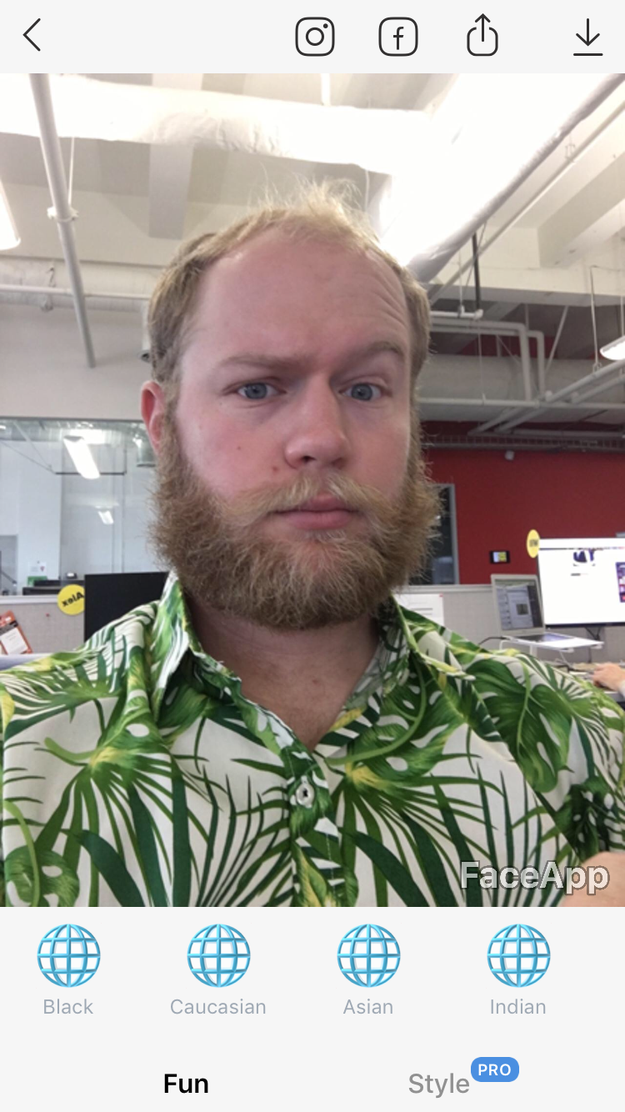
Here's what happens: You take a selfie.

With some skepticism.

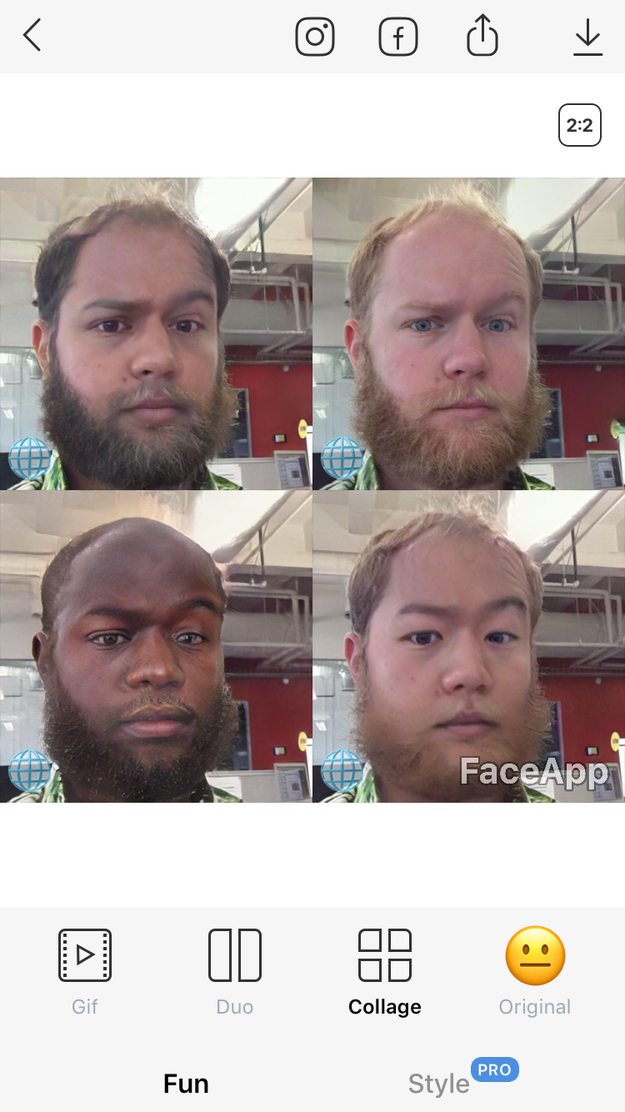
You select some filters.

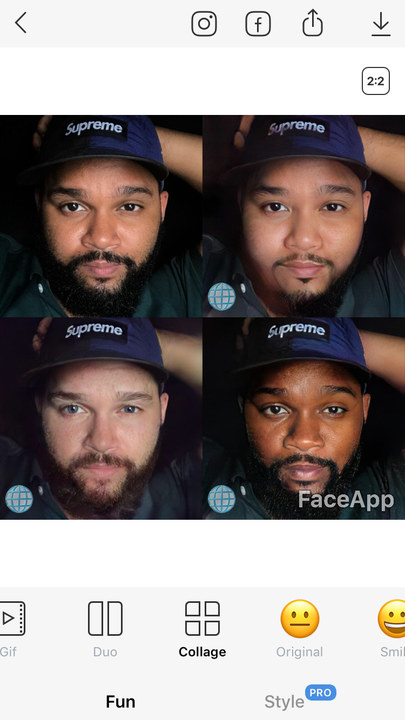
Clockwise from top right, my choices were Caucasian (looks most like my Caucasian self, but with icier blue eyes), Asian, black, and Indian.

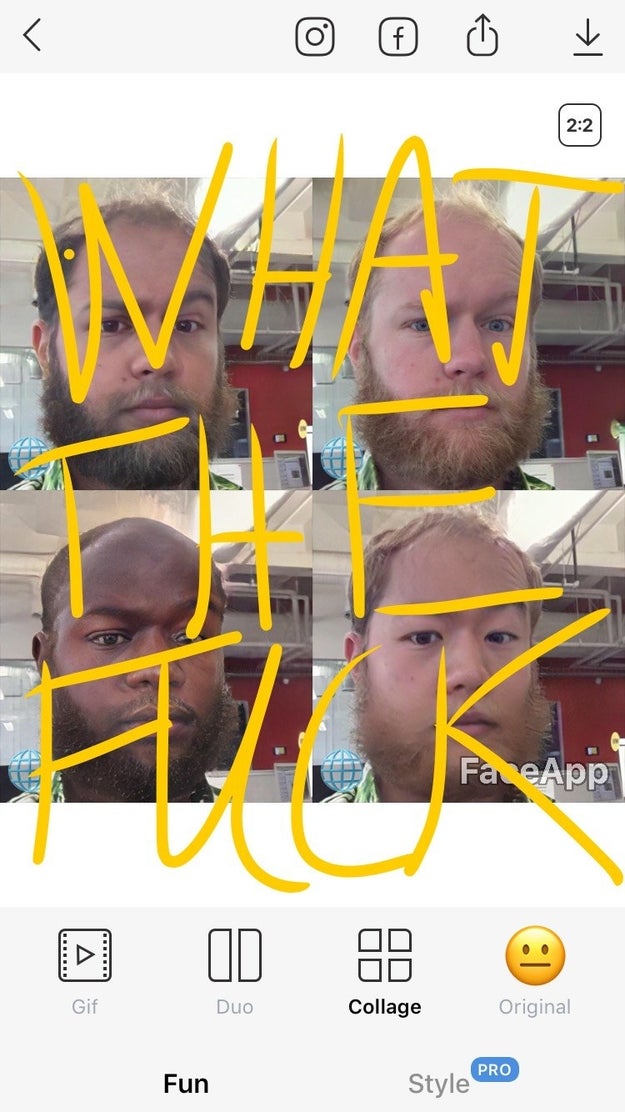
Should we take a second look at that?

Here's what happened when BuzzFeed News video producer Brendan Logan tried FaceApp's new filters:

Clockwise from top right: Asian, black, caucasian, no filter.

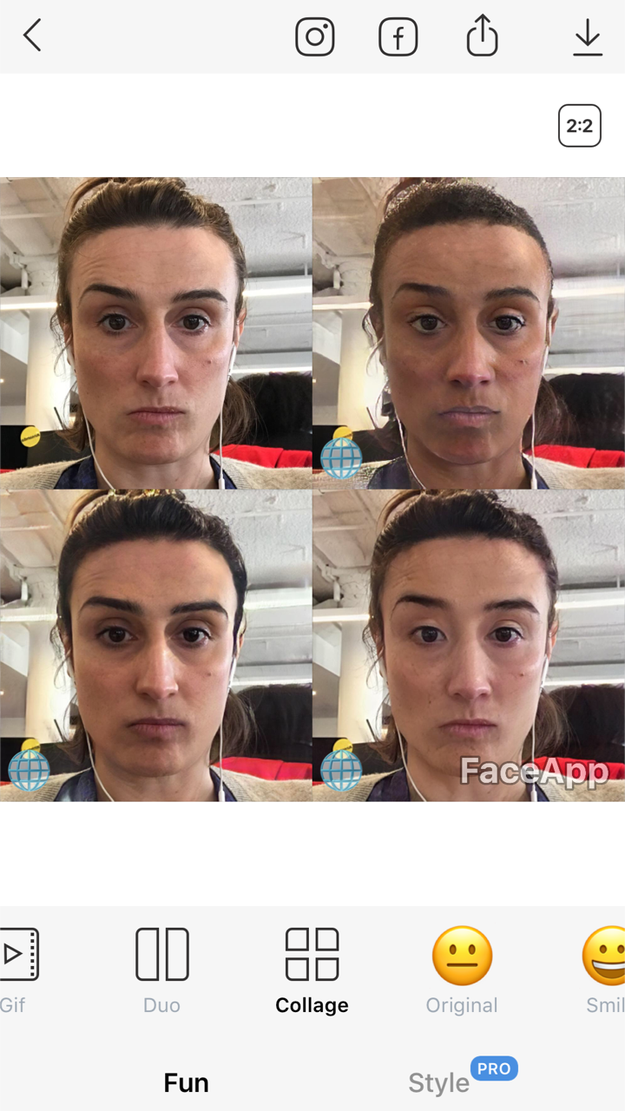
And BuzzFeed News reporter Katie Notopoulos:

Clockwise from top right: black, Asian, Indian, no filter.

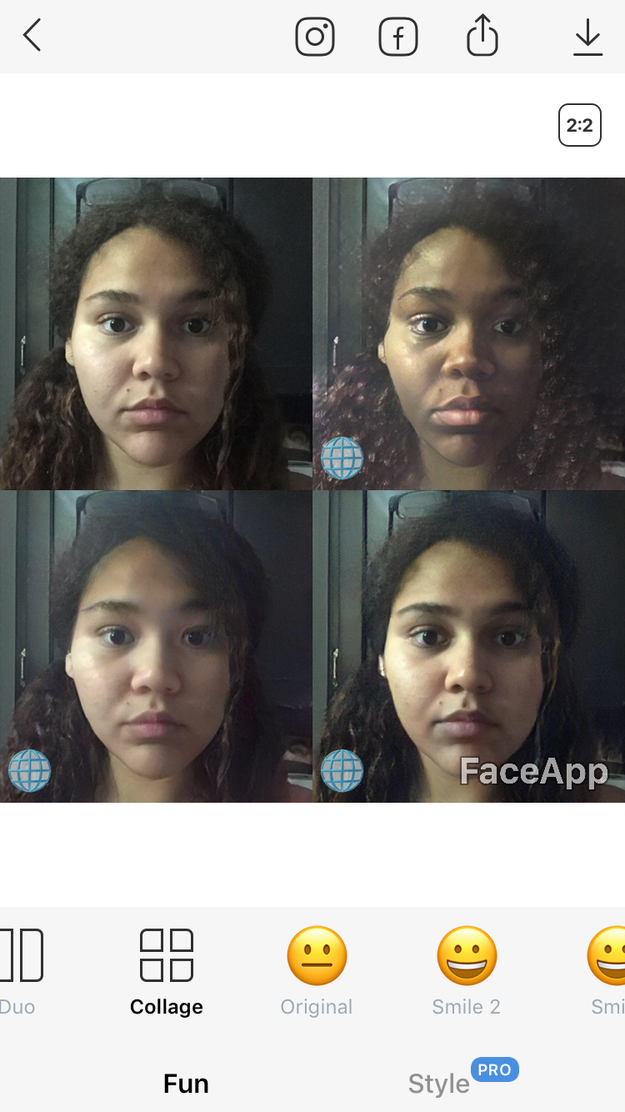
And Jill Stachyra, who sent BuzzFeed News her selfies (below). She's 16, lives in New York, and identifies as half black and half white.

“I got this notification and I'm SHOOK. That is me; I'm a half-black/white 16-year-old girl from NY and I'm infuriated. This should not be normal,” she told BuzzFeed News.

“Top left is normal; top right is 'Black' — notice the enlarged lips 🙄 — lower left is 'Asian' and lower right is 'Indian,' which correct me if I'm wrong, but the last time I checked, India was in Asia,” she said.

Some people on Twitter were not pleased:

But some people were into it…?

Quelle: <a href="FaceApp Is At It Again With Racial Selfie Filters“>BuzzFeed

A Mysterious Anonymous Letter Was Allegedly Behind Target’s Hampton Creek Recall

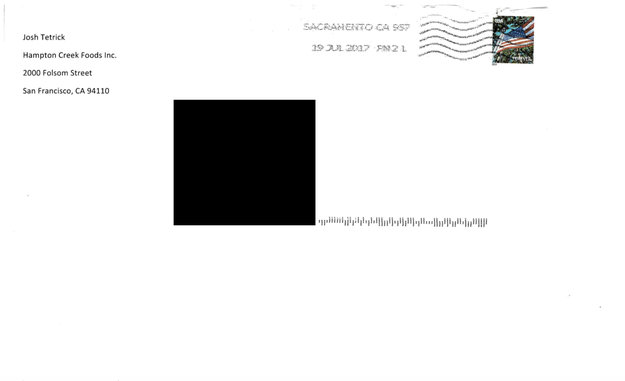
The envelope of a letter sent to a retailer this summer, containing allegations about Hampton Creek's products. The return address names Josh Tetrick, Hampton Creek's CEO; the company says he did not write this letter.

An investigator hired by Hampton Creek, the Silicon Valley food startup famous for its eggless mayonnaise, says a mysterious entity appears to be trying to sabotage it.

An unsigned letter sent this summer to an unnamed major retailer claimed that Hampton Creek had contaminated and mislabeled products, according to the investigator. And the return address indicated that it was from CEO Josh Tetrick — even though Hampton Creek denies he wrote it.

The investigator told BuzzFeed News this was one of two known such anonymous letters — and the other was sent to Target, which issued a high-profile recall of Hampton Creek’s products as a result.

While it’s unclear whether the two letters were identical or sent by the same person, the identity of the sender or senders is “the million-dollar question,” said the investigator, who requested anonymity. “It’s clearly fraud.” He also said that Hampton Creek is “weighing their legal options.”

At the time of its recall in late June, Target publicly said that the allegations it had received were unconfirmed, but specific and serious enough to warrant action.

Those claims included allegations that pathogens like salmonella and listeria were found in Hampton Creek products and at one of the facilities where the company’s products are made; that some products were incorrectly labeled as non-genetically modified; and that the company failed to list honey as an ingredient in its sweet mustard salad dressing.

Bryan Bedder / Getty Images

This week, Hampton Creek said it’s working to get back on Target’s shelves after the Food and Drug Administration reviewed its products and told the company it found nothing of concern. Target had carried around 20 of Hampton Creek’s items, which include eggless mayonnaise, cookies, cookie dough, and salad dressing.

“More than a month ago, Target was led to believe that several of our products were mislabeled or unsafe,” Hampton Creek spokesperson Andrew Noyes said in a statement. “We’ve remained confident that our products were safe and properly labeled, and that when presented with the facts, the FDA would agree. As expected, they have. They informed us, after reviewing applicable evidence, that the matter is closed.”

A Target spokesperson did not immediately return a request for comment.

News of the Target recall was originally broken by Bloomberg. The investigator said that in addition to being mailed in an envelope with a return label that falsely named Tetrick, the letter also indicated that a copy was sent to Bloomberg.

This is the latest twist in a tumultuous summer for Hampton Creek. Last month, Bloomberg reported that at least five members have left the startup’s board of directors, leaving only Tetrick.

But on Tuesday, Hampton Creek also got the effective green light from the FDA to use a proprietary ingredient — a mung bean protein isolate — in a forthcoming product, Just Scramble, an egg substitute that scrambles like an egg.

LINK: Hampton Creek Has Ditched Its Name, And Is Now “Just.”

Quelle: <a href="A Mysterious Anonymous Letter Was Allegedly Behind Target’s Hampton Creek Recall“>BuzzFeed

Facebook Has Killed The App It Was Using To Attract Teen Users

Facebook has discontinued Lifestage, a standalone selfie-sharing app for iOS and Android aimed exclusively at high schoolers.

Thomas White / Reuters

The app, created by a 20-year-old product manager at the company named Michael Sayman, lasted less than a year, with Facebook officially ending support for it on August 4, according to a spokesperson. Sayman joined Facebook when he was 18. Business Insider first reported the news of the app's shutdown.

Lifestage opened to a phone's camera, much like Snapchat does. Teens on the app — it only allowed people under 21 to sign up — could share pictures and videos of themselves that only people at their school could watch, much like the app Afterschool. Twenty registered users or more comprised a school.

But not long after it first debuted Lifestage, Facebook largely obviated the need for it by creating in-app Snapchat clones with Instagram Stories, Whatsapp Stories, and Facebook Stories. The company said in a statement, “We've gotten some helpful feedback from this app that we're using to improve a number of visual and camera features across the Facebook app.”

It continued, “Teens continue to make up an important part of the global community on Facebook, and we've learned a lot from Lifestage. We will continue to incorporate these learnings into features in the main Facebook app.”

Facebook never shared user numbers for Lifestage. Overall, the company had 2 billion monthly active users as of June 2017. In November 2016, Facebook said that a billion of its monthly users only access the social network on their phones.

Of all Facebook's standalone apps, only Facebook Messenger has reached a number of monthly active users — 1.2 billion in April 2017 — comparable to Facebook itself. The company's other apps, including Facebook Slingshot, Riff, Rooms, Moments, another Snapchat clone called Poke (RIP 2012-2014), and its Instant Articles predecessor Paper (RIP 2014-2016) have not achieved widespread adoption. Facebook shut down the team responsible for these experiments, the Creative Labs division, last year.

Lots of people on Twitter had not heard of Lifestage and joked that it had never been A Thing.

Facebook’s New App Is All About Getting Teens To Share Videos Of Themselves

The Facebook App Now Has Camera, Direct, And Stories, Three Features That Copy Snapchat

Instagram Adds Face Filters, Snapchat Cloning Complete

Quelle: <a href="Facebook Has Killed The App It Was Using To Attract Teen Users“>BuzzFeed

India's Government Just Banned The Internet Archive And People Are Furious

India’s government has blocked the Internet Archive, the free, 21-year-old online digital library that lets anyone find archived versions of millions of web pages through the WayBack Machine. The move has prompted backlash in India, particularly because the access the Internet Archive provides to deleted web pages offers an easy way to get around government censorship.

The news was first reported by Indian technology news website Medianama.

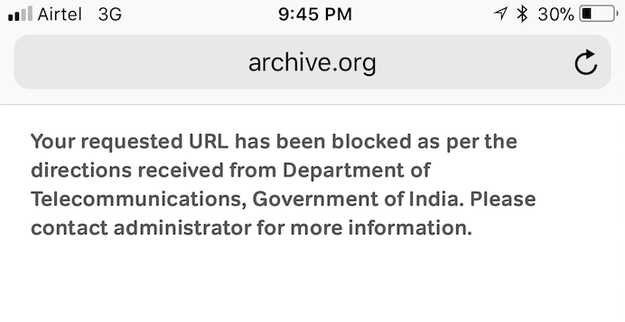
Users in India who tried accessing the website on Tuesday evening saw a boilerplate message from India’s Department of Telecommunications that the government throws up whenever it directs internet service providers in the country to block websites.

BuzzFeed News screenshot

It's not clear why the website was blocked. An Internet Archive spokesperson told BuzzFeed News that the service had not been contacted by the Indian government, and their queries to India's Department of Telecommunications and the country's Ministry of Electronics and Information Technology have gone unanswered. “Obviously, we are disappointed and concerned by this situation and are very eager to understand why it's happening and see full access restored to archive.org,” the spokesperson said.

BuzzFeed News has reached out to India's Department of Telecommunications for comment.

“It seems highly unlikely to me that the Wayback Machine or Archive.org threaten national security or public order in a way that Google's Cache or a well-stocked library don't,” Pranesh Prakash, policy director at the Centre for Internet and Society, a think tank based in Bangalore, told BuzzFeed News. “The blocking orders the Department of Telecom sends to ISPs are marked 'confidential' rather than being published officially on [the department's] official website.” Doing this prevents citizens from knowing why a website is blocked.

“This is another reminder of the capricious, arbitrary, and utterly opaque nature of online censorship in India,” Prakash told BuzzFeed News.

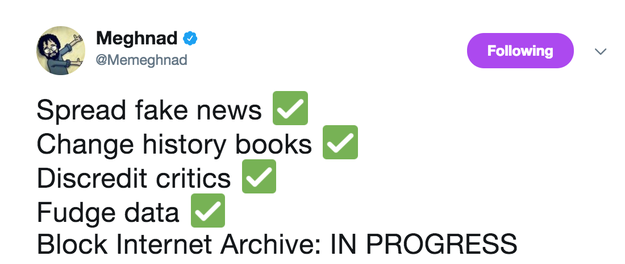
Minutes after the Internet Archive was banned, furious Indians took to Twitter to vent their frustrations.

Twitter: @Memeghnad

Twitter: @tishasaroyan

Twitter: @tishasaroyan

Twitter: @thej

India has a controversial history of blocking websites or internet access entirely.

A controversial section in India's Information Security Act, which was upheld by the Indian Supreme Court in 2015, allows any officer in the country's central government to ask internet service providers in the country to block any website to protect the country's “sovereignty and integrity.”

This is the second time that the Internet Archive has been blocked by the Indian government. In 2014, it was among the 31 websites banned in the country along with Github, Pastebin, and Vimeo, for “carrying anti-Indian content” by ISIS. Concerned citizens criticized the move.

And in the Indian state of Kashmir, the government has cut off access to the internet more than 30 times since 2012.

For now, some Indian Redditors have discovered a workaround to access The Internet Archive.

Can verify.

http://archive.org is banned. You can get around it with https://archive.org.

Quelle: <a href="India's Government Just Banned The Internet Archive And People Are Furious“>BuzzFeed

Why Google Had To Fire James Damore

Brian Snyder / Reuters

The culture wars come for us all, and this week it was Google's turn.

Sometime on Saturday, an internal “anti-diversity” memo written by an engineer named James Damore spread throughout Google's internal messaging systems before being leaked in full to the press. The memo — which argued that genetic inferiority was the reason for the gender pay gap at Google and other tech companies — also took issue with the politics of Silicon Valley and other elite institutions. Google's progressive biases, Damore argued, alienated conservatives and effectively silenced voices that weren't aligned with a specific brand of social justice.

Google swiftly and strongly condemned the contents of the memo. The company’s Vice President of Diversity, Integrity & Governance, Danielle Brown, issued a statement arguing that though Google remained an open environment for “difficult political views,” those views need “to work alongside the principles of equal employment found in our Code of Conduct, policies, and anti-discrimination laws.”. Similarly, Google CEO Sundar Pichai issued a statement that the memo was a violation of Google's code of conduct. On Monday evening, Google fired Damore.

It's easy to see that the company had little choice but to fire Damore for violating its Code of Conduct. At its core, Damore’s manifesto and the backlash it inspired were an HR issue. But the incident also played right into these highly charged political times.

Indeed, within minutes, Damore’s firing spawned a predictable fallout across social media. In conservative pockets of the internet, Damore was hailed as a hero for speaking up. RIght-wing blogs like Breitbart have doubled down on the story, attempting to back Damore's assertions in articles featuring interviews with scientists who agree with him. On Twitter, pro-Trump media figures like Jack Posobiec combed through Danielle Brown's social media accounts and found that she worked for the Hillary Clinton campaign. Across 4chan, trolls floated Google boycotts and campaigns to “push back against” the company for its decision. Both Julian Assange and the right-leaning social network Gab offered him a job. Damore has threatened legal action for wrongful termination. A mess.

In almost every respect, the Damore debacle is perfect grist for our current culture war mill. It touches on all the hot-button issues of the day: gender, ideological monoculture, anti-conservative bias, and the political and cultural makeup of one of the biggest and most powerful companies in the world and others like it.

But while the debate across the internet is broadly concerned with the external politics of the firing, the internal politics are much more clear-cut. The memo was almost certainly as controversial within Google as it was on the broader internet: Emails were exchanged, complaints made, and employees drawn into conversations and away from their work. Executives have a material and procedural interest in pacifying their employees, and at least some of Google’s were upset.

What’s more, Damore's manifesto argument that women are biologically inferior is an untenable position inside almost any company — not just politically, but logistically. The first issue being: what does one do with Damore inside the company? You can't call people inferior and then, say, manage them. Or perhaps even be managed by them. And so who does Damore work with going forward? Will people still work with him? Does his career trajectory change post-memo? Is it fair to, say, exclude him from a management track? Does he need to switch teams? Do others need to switch teams? The manifesto invites endless human resources questions, many of them without any good answer.

Though we imbue Silicon Valley’s companies with all manner of culture war implications, at the end of the day they’re just that — companies, with bottom lines to meet and employees to keep happy. In suggesting that a large portion of his colleagues were genetically inferior, Damore got in the way of all that. Of course he was fired. The red line for the company wasn’t that Damore called said that Google has “an intolerance for ideas and evidence that don’t fit a certain ideology” — it was that he explicitly belittled an entire gender.

But in 2017, everything is political. Thus, the online shitstorm. And in Silicon Valley, it’s especially fraught. Though they tend to position themselves as politically neutral, many of the world’s biggest tech companies employ largely democrats and espouse socially liberal values such as gay marriage and women’s rights — a fact that has long been cause for anxiety from conservatives who feel the biggest platforms are too powerful to have any overwhelming political ideologies.

Specifically, Google has a well-documented progressive culture. In 2008, the company came out forcefully in favor of gay marriage, well before it was embraced by most politicians. The company's executive leadership has long championed liberal candidates and individually donated generously to their campaigns. Alphabet Chief Executive Eric Schmidt wasn't just an Obama donor, but advised his 2012 election campaign on digital strategies. In 2016, Schmidt was closely involved with Hillary Clinton's campaign, investing heavily in technology startups that eventually became the Clinton campaign’s “top technology vendor.”

Political bias makes the tech companies squeamish, too. Most days it seems, the companies and their leaders are grappling with the dueling desires to live up to their progressive values while also finding a way to appear as neutral platforms. They want #resistance without the responsibility (and backlash). And it's left the companies appearing tone deaf and seemingly unable to reconcile their values with the messy nature of being political in 2017.

But even if everything's political in 2017, it's not always necessarily politically motivated. When an employee alienates a significant percentage of the company’s workforce, the company has no choice but to sever ties, lest it be seen as forcing thousands of women in the company to simply put up with the idea that they’re genetically inferior.

And, as recent history shows, severing ties under intense internal pressure happens on both sides of the aisle. Breitbart News, which has fiercely criticized Google in numerous articles for Damore’s firing, recently terminated writer Katie McHugh for a series of anti-Muslim tweets. And early this year, reports detailed that the site forced its most popular editor, Milo Yiannopolous, to resign after pressure from higher-ups after comments that were viewed as an endorsement of pedophilia. Similarly, the conservative conference CPAC also canceled on Yiannopolous after the controversy.

Google’s decision is no different. And if the company is guilty of any disingenuousness, it’s in the messaging of Damore’s termination, which is exacerbated by Google's — and Silicon Valley's — precarious attempt to appear unbiased. Google could and should have been clearer about why Damore was fired. It could have noted that the company indeed does have political echo chamber issues. It could have taken pains to publicly reach out to conservatives in the company and begin a dialogue about political alienation in the workplace. It could have stressed that Damore’s memo wasn’t written in a vacuum, just as Google and Silicon Valley do not live in a vacuum and that the company understands that, for better or worse, everything is political now and the sooner Silicon Valley can come to terms with that, the better.

But above all else, Google should have stressed that the decision to fire Damore was difficult, but ultimately the only course of action — not a salacious political issue, but a mundane business decision.

Quelle: <a href="Why Google Had To Fire James Damore“>BuzzFeed